
For to be free is not merely to cast off one’s chains, but to live in a way that respects and promotes the freedom of others.
Nelson Mandela
Of all South Africa’s public holidays, Freedom Day might be the most significant, but if you have asked what Freedom Day is, you are not alone. For many South Africans, the meaning of this public holiday was first introduced at school, perhaps through a classroom discussion, a history lesson, or a short assembly where teachers explained the deep importance of 27 April.
Before we dive into the history of SA's Freedom Day, let’s take a look at a brief definition.
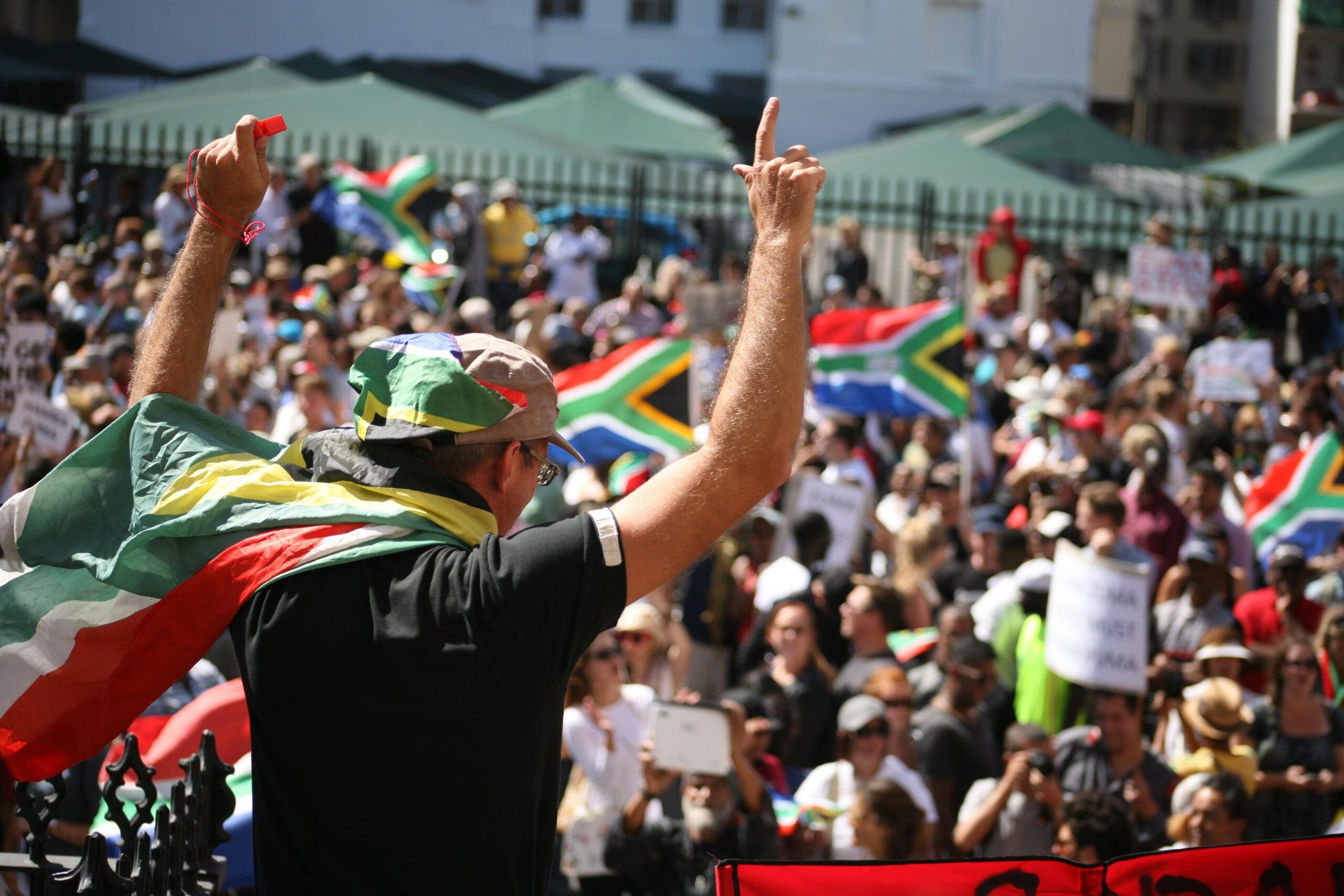
Freedom Day marks the first democratic elections held in 1994, when millions of South Africans of all races voted together for the first time. It is a date that reshaped the country’s future, closed the chapter on a painful and unjust past and redefined the meaning of belonging.
To understand South Africa Freedom Day, you have to look both backwards and forward to be able to recognise what was endured by many and what still needs protecting.


The Road to the First Democratic Vote
Imagine how some elderly voters walked kilometres, supported by family members, just to make sure they were part of such a historic event. That collective act gave meaning to Freedom Day (South Africa ) in a way that no speech ever could.
Democracy Takes Root
When you reflect on Freedom Day South Africa, you are reflecting on the birth of a democratic system grounded in equality and dignity. After 27 years in prison, the election brought Nelson Mandela to the presidency, not just as a political leader, but as a symbol of reconciliation. His message encouraged unity without erasing pain, and hope without forgetting responsibility. All over the world, the significance of one man’s journey from decades of incarceration to leadership without bitterness inspires many today.
Freedom is meaningless unless it applies equally to all people.
F.W De Klerk
In present-day South Africa, democracy is mercifully part of daily life. Citizens over the age of 18 who are registered to vote are allowed to have a voice in local and national elections, question leaders, and express opinions freely.

But Freedom Day also invites us to consider how democracy functions beyond the ballot box. It lives in school governing bodies, community policing forums, and municipal meetings where residents raise concerns about service delivery. These spaces remind us that the freedoms gained in 1994 require active participation to remain meaningful.
Consider reading the article, Why Heritage Day Matters, which connects cultural identity with dignity and belonging, values closely tied to Freedom Day.
How Freedom Day is Marked Across the Country
Every year, official Freedom day South Africa celebrations are hosted in different provinces. This is when government ceremonies typically include speeches by the President or provincial leaders, the flag is raised and cultural performances are held in every corner of the country. These events, which draw communities together in reflection rather than spectacle, may take place at stadiums, public parks, or historic sites,
For many families, the day may be quieter. For instance, you might watch a broadcast of the national address, listen to radio discussions on stations like SAFM or community radio, or attend a local gathering organised by a school or civic group. These formal moments are important opportunities to give practical expression to South Africa Freedom Day in that they blend local experience and national history.
Learning Through Culture and Memory
To understand what is Freedom Day, beyond a text book or the celebrations of 27 April, cultural institutions also play their role. For instance, museums such as the Apartheid Museum in Johannesburg are filled with creative exhibitions that trace the journey from segregation to democracy. For most, whether student, adult or visitor to South Africa, the outing is characterised by a renewed sense of how fragile freedom can be.
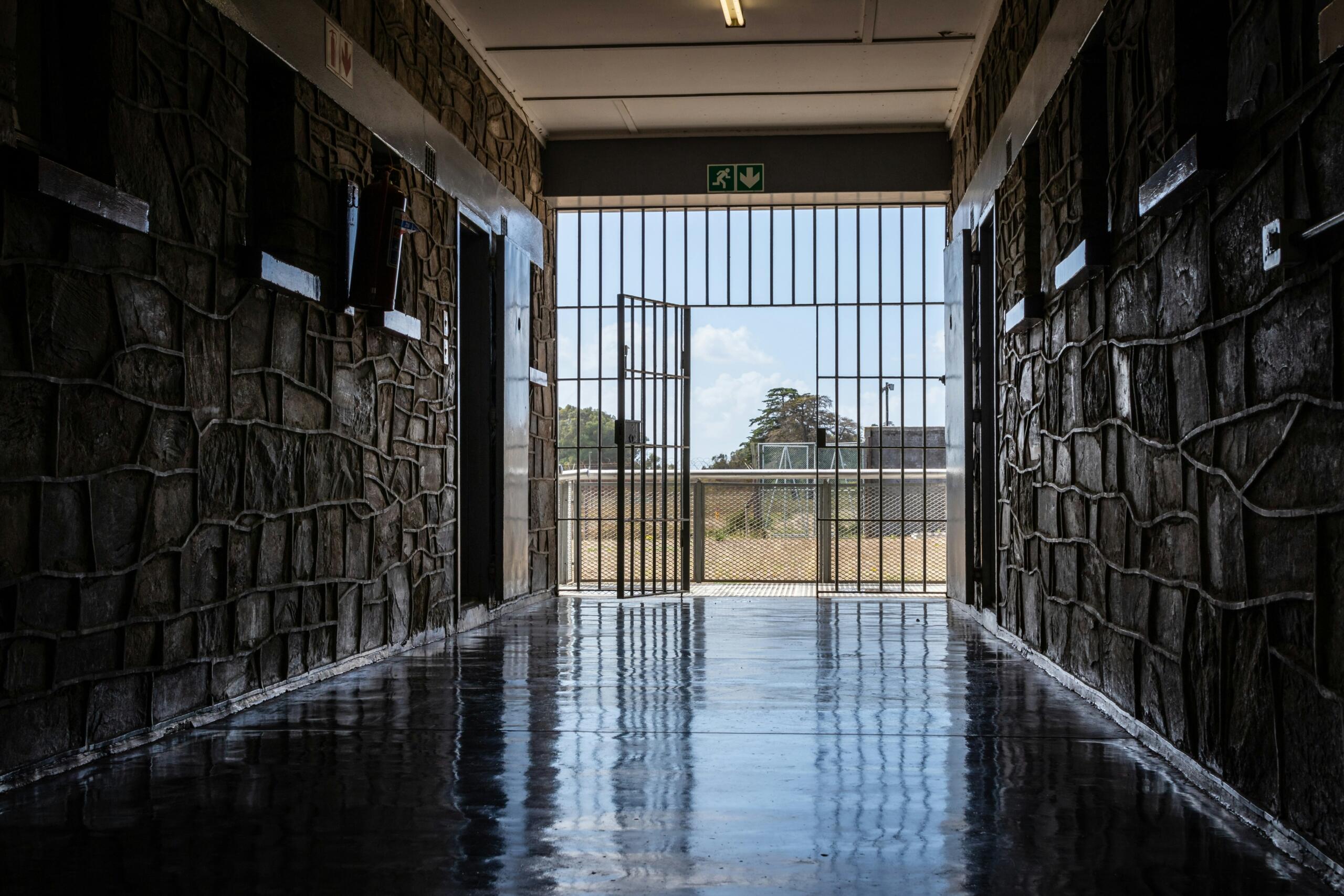
Robben Island is, without doubt, another powerful site of reflection. Here, given the opportunity to stand in the prison where Mandela and others were held, it is impossible not to be confronted with the enormous personal cost of political resistance. This and other significant experiences are what give depth to Freedom Day South Africa and transform it from a public holiday into a shared moral inheritance.
You can also learn more about the role of women in resisting oppression and shaping democracy in our article in this series.
Freedom in Everyday Life
In schools, the history and current significance of Freedom Day is often explored through creative expression. Learners perform plays, write poems, or participate in discussions about rights and responsibilities. These activities encourage young people to link historical events to present realities, such as fairness in the classroom or respect for our many diverse cultures.
When you consider Freedom Day South Africa, the concept of access (some would call it privilege) may come to mind. The reason is that while South Africa is a democracy the reality is that more than three decades since apartheid, education, healthcare, housing, and safety remain unevenly distributed. Yet, Freedom Day does not ignore these challenges. Instead, it asks us to confront them honestly. It also asks us to recognise progress while acknowledging what still needs work.
Connecting Freedom Day to Other National Stories
Understanding South Africa Freedom Day becomes richer when you view it alongside other public commemorations.
You may also appreciate revisiting The History of Human Rights Day, which examines how the Sharpeville massacre influenced the rights enshrined in the Constitution you live under today.
Voices and Reflections Since 1994
Many South Africans who voted in 1994 still speak about that day with emotion. Interviews and public commentary often return to the same themes:
Pride
Relief
Cautious hope
When you listen to these reflections, the questions and answers around what is Freedom Day continues to evolve with each generation.
Remember that young people today experience freedom differently. For them, democracy is inherited rather than newly won. Their concerns often focus on employment, education, and inclusion. These conversations are essential, because Freedom Day was never meant to mark an endpoint. It was meant to open a path.
Why not delve a little deeper into the role of the youth in South Africa's freedom struggle, by reading our other article, which highlights the courage of young people in 1976, and reminds us that freedom has often been driven by student voices.
Why Freedom Day Still Matters
As you reflect on Freedom Day South Africa, you may realise that its importance lies in participation.
Voting, volunteering, learning, and holding leaders accountable are all expressions of freedom because while the Constitution provides the framework, it is the citizens who give it life.
So, next time April 27 arrives, take a moment to remember the past while considering your role in continuing to shape the future. In South Africa, Freedom Day endures because it reminds us that freedom is both a gift and a responsibility, one that must be protected, questioned, and renewed with each passing year.
By understanding the question and answers around what is Freedom Day, you connect yourself to a collective story of resilience and hope. It is a story still being written, and you remain part of it.
Summarise with AI:
Enjoyed this article? Leave a rating!

 Loading...