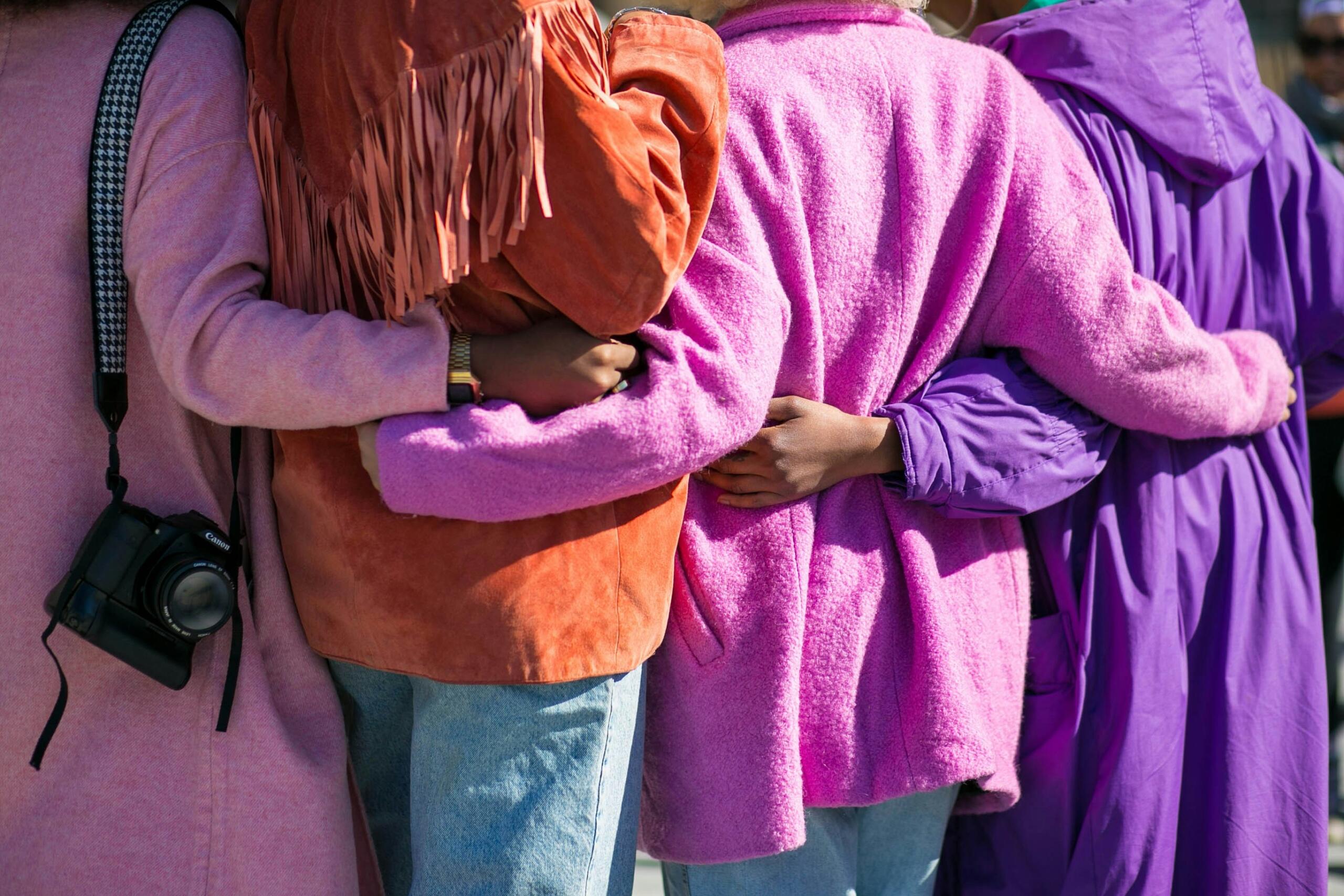

Every year in August, we are invited to pause on Women's Day and reflect on courage, lived struggle and collective action. There’s no doubt, Women's Day South Africa carries particular weight because the story begins with ordinary women who chose to stand up to extraordinary injustice. Remember that this day is not about distant history or abstract ideas, but rather about the streets, schools, workplaces, and homes you know today. It is about the spirit and resilience of women to shape change.
So, why do we celebrate Women's Day in South Africa, you may ask. The answer lies firmly in one defining moment, but also in everything that followed. It is a day that honours resistance, leadership, and the ongoing pursuit of equality. While it has become a public holiday marked by events and speeches, its meaning remains deeply personal and community based.
women marched to the Union Buildings


Why Do We Celebrate Women’s Day in South Africa?
To understand National Women's Day, you need to go back to 9 August 1956.
These laws threatened to control where Black women could live, work, and move, placing an enormous burden on families and communities. By marching together, these women demonstrated that resistance was not limited to armed struggle or political elites. It lived in kitchens, classrooms, churches, and neighbourhoods.
Names Worth Remembering on National Women’s Day South Africa
At the heart of Women's Day are four leaders whose names you should know, not as symbols, but as individuals who took real risks.
Lillian Ngoyi
Lilian was a trade unionist and the first woman elected to the African National Congress National Executive.
Helen Joseph
Helen was a teacher and activist, later became one of the first people placed under house arrest during apartheid.
Rahima Moosa
Rahima was deeply involved in community welfare and political organising.
Sophia Williams de Bruyn
Sophia was just 18 at the time, and represented the youth voice within the movement.
“Wathint’ Abafazi, Wathint’ Imbokodo,” meaning “You strike a woman, you strike a rock,” continues to echo through National Women's Day commemorations in South Africa.
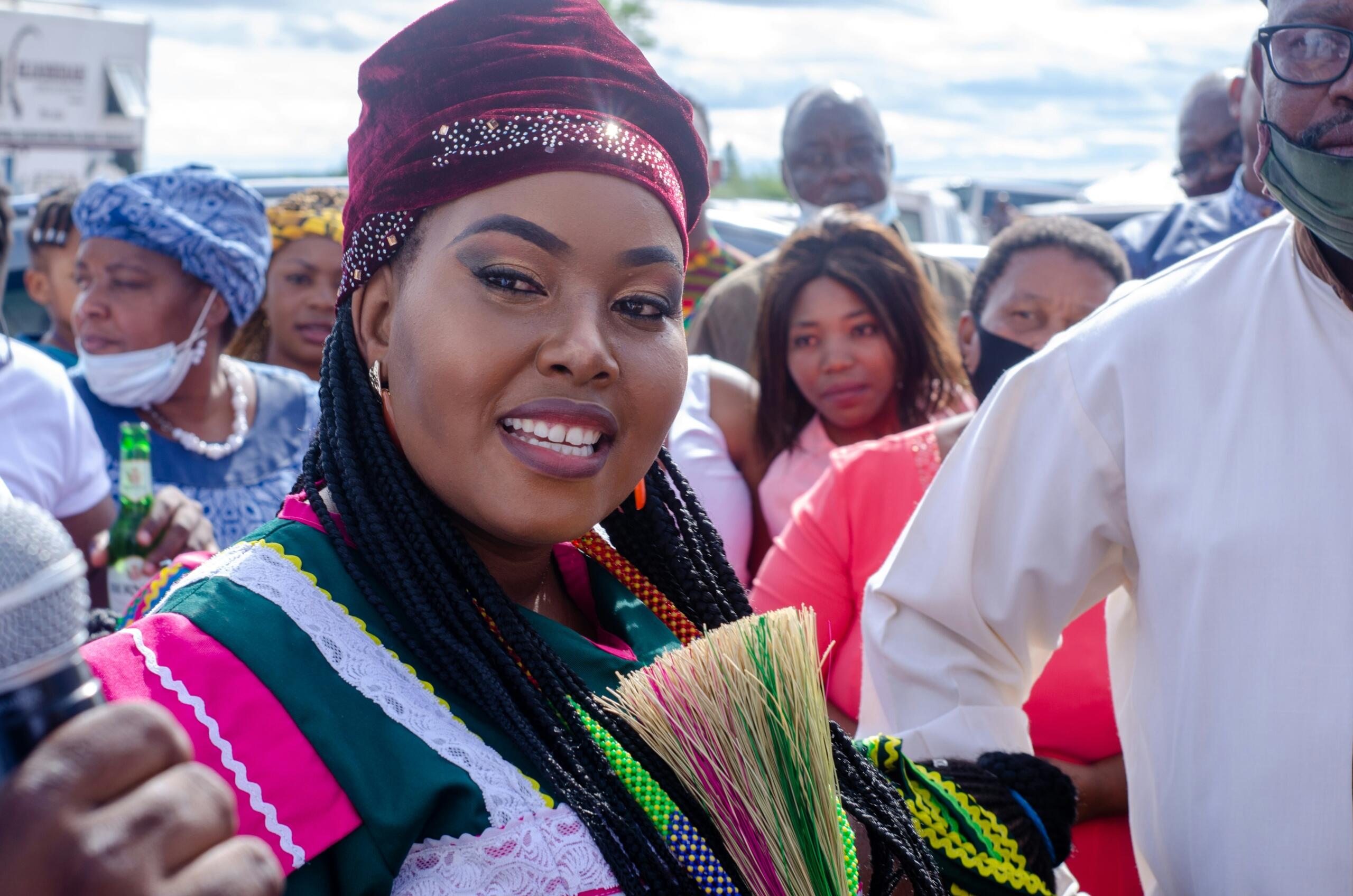
We did not march for ourselves alone, but for all the women who would come after us.
Helen Joseph
These women worked closely with others, many unnamed, who organised transport, coordinated logistics, and ensured the march remained peaceful and disciplined. Most importantly, their leadership has endured to remind us that social change often depends on collaboration rather than individual heroics.
Their legacy connects naturally to The Story Behind Youth Day, where student activism later carried forward the same spirit of resistance and moral clarity.
From Protest to Public Holiday
After democracy was ushered in after the 1994 elections, the government formally recognised 9 August as National Women's Day, embedding it within South Africa’s calendar of remembrance. This decision placed women’s resistance alongside other defining moments of struggle and liberation. Yet the day was never meant to be commemorative; it was also designed to encourage action, dialogue, and accountability.
In communities across the country, from Soweto and Khayelitsha to Kimberley and Polokwane, the day is marked in ways that reflect local realities.
For instance, schools host assemblies and discussions, community halls hold dialogues on gender based violence, and universities organise panels exploring women’s leadership in business, science, and politics. These activities ground Women's Day South Africa in lived experience rather than ceremony alone. In essence, like many of South Africa’s public holidays, it is a day to remember the past but also a day to reflect on how to maintain the freedom’s that did not come easily.
Linking National Women’s Day South Africa to the Overall Struggle
The answers to, "Why do we celebrate Women's Day in South Africa?" become richer when you place them alongside other national commemorations. Remember that women were central to the fight for dignity and equality that shaped the country’s democratic journey.
Women were present at every stage of this process, often balancing political work with caregiving and economic survival.
These links remind you that National Women's Day South Africa is not an isolated story, but part of a broader national narrative.
Modern Meaning for Everyday Life
Today, Women's Day speaks not only to history, but to present realities.
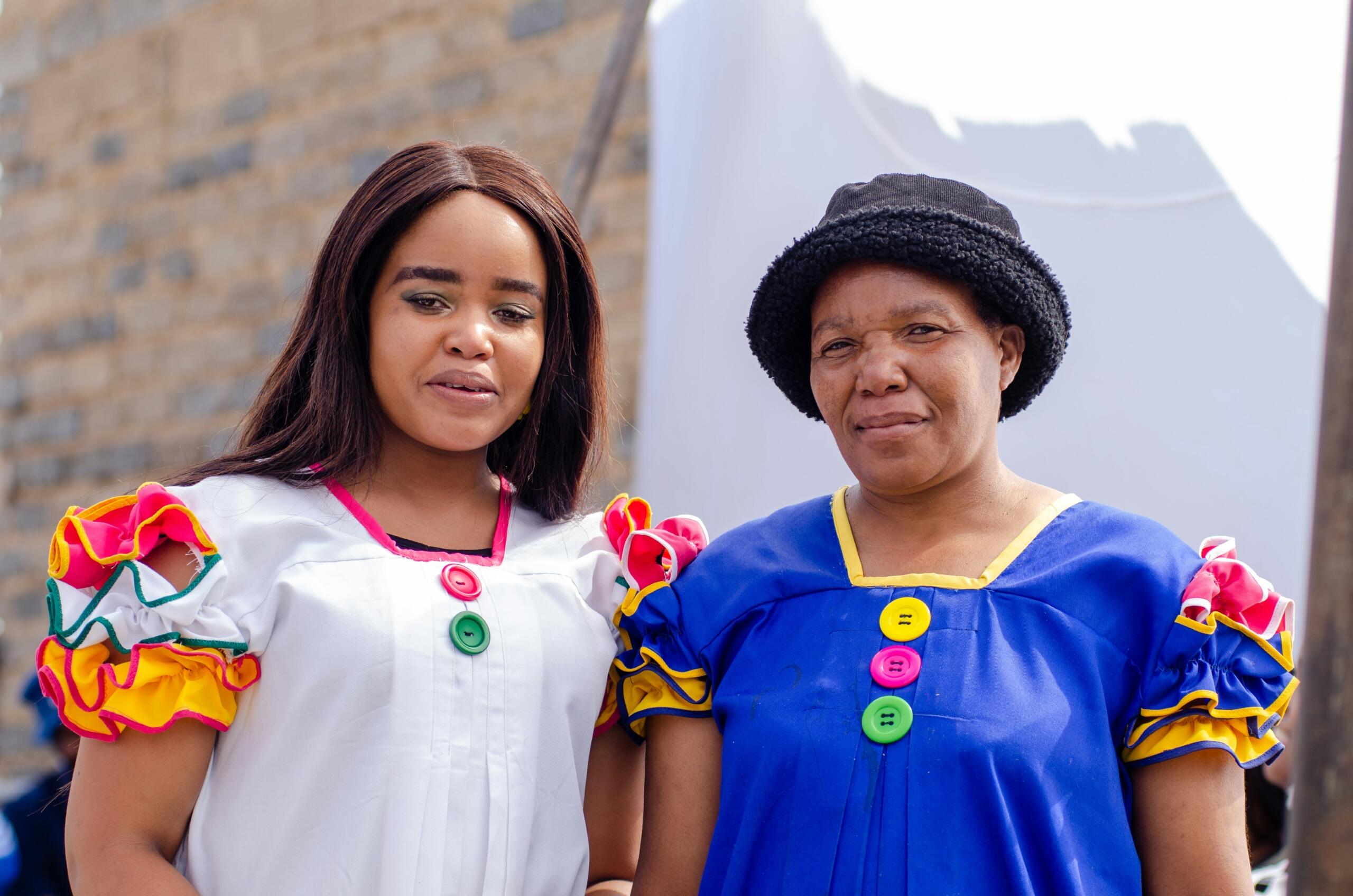
The day provides an opportunity to acknowledge these issues honestly, without losing sight of the strength and resilience that continues to define women’s lives.
Across South Africa, modern commemorations include awards ceremonies that recognise women in:
Education
Healthcare
Entrepreneurship
Community development
In addition, conferences and workshops focus on mentorship, financial literacy, and leadership skills while in neighbourhood centres and schools, conversations take place about consent, equality, and respect. These initiatives ensure that National Women's Day remains relevant rather than symbolic.
Advocacy and the Road Ahead
When reflecting on why we celebrate Women's Day in South Africa, it becomes clear that the answer extends beyond remembrance. The day challenges you to consider how equality is practised in your own environment.
Non-profit organisations, faith groups, and local councils use this period to launch initiatives or renew commitments. In schools, learners are encouraged to engage critically with history and current events, ensuring that Women's Day South Africa speaks to the next generation as well.
This forward-looking focus aligns closely with the themes of cultural identity and continuity explored in our other article, reminding you that progress depends on understanding where you come from.
Advocacy campaigns around education access, workplace fairness, and safety for women and girls often gain visibility during August, but their work continues year round.
Personal Reflection and Community Responsibility
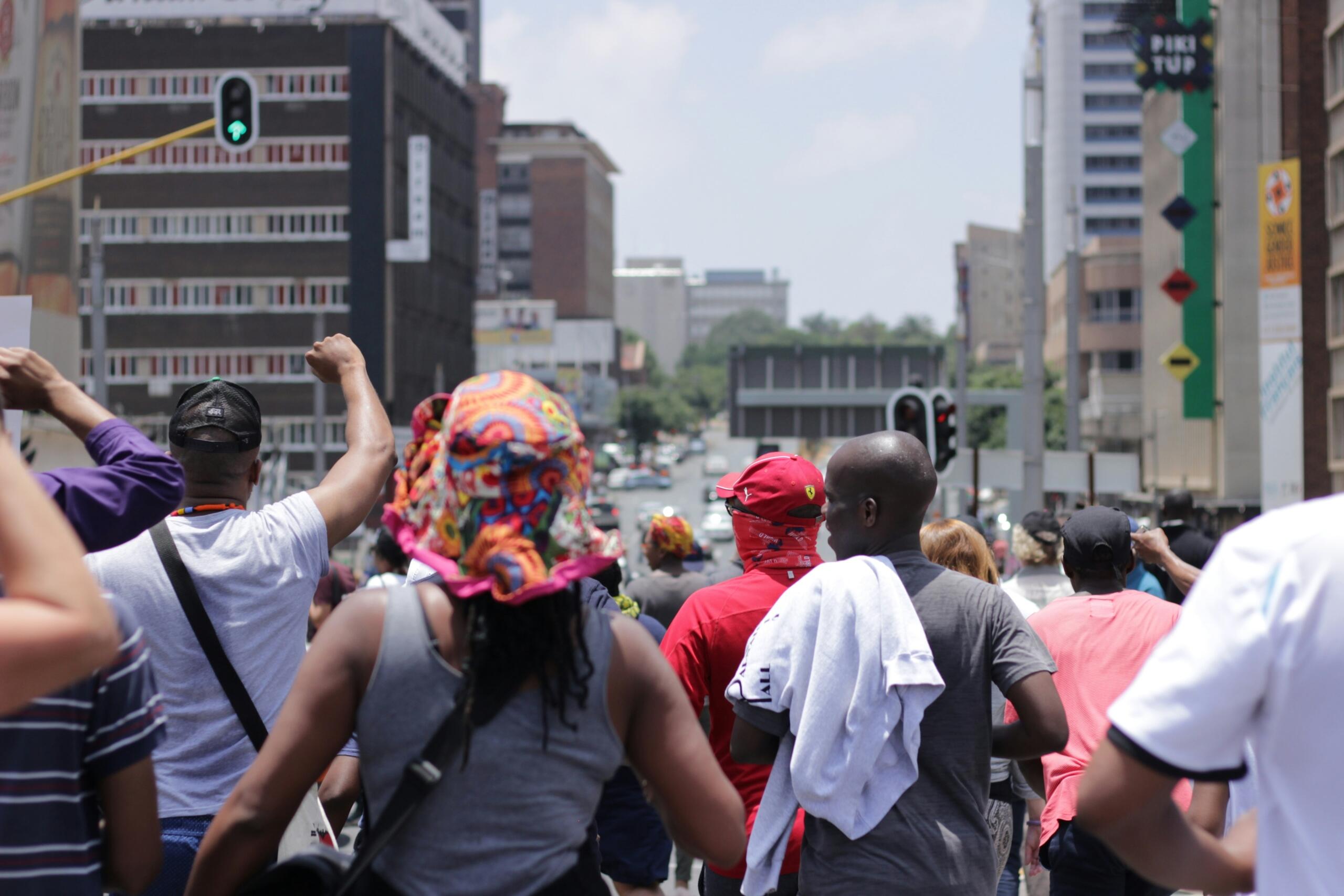
These moments of reflection matter because they keep history alive in everyday spaces. Not only that, listening to older relatives share memories of apartheid, or hearing younger women articulate their hopes, reinforces the idea that social change is a shared and ongoing responsibility.
Community projects, from skills training to support networks, offer practical ways to honour the legacy of 1956. By engaging locally, you contribute to the ongoing story of Women's Day to ensure that it remains grounded in action rather than in an abstract concept.
Why Women’s Day Significance Endures
As you reflect on Women's Day South Africa, you are reminded that freedom is maintained through participation, empathy, and vigilance. The day asks you not only to remember the past, but to engage thoughtfully with the present and to imagine a more equal future.
Ultimately, National Women's Day endures because it speaks to universal themes of dignity, courage, and collective power. Remember that the women who marched in 1956 did not know how history would judge them. They simply acted because injustice demanded a response. Their example continues to resonate because the work they began is not yet finished.
In fact, their activism connects closely to the principles explored in The History of Human Rights Day, where resistance to injustice took many forms across decades.
In this way, the meaning behind Women's Day remains both historical and immediate and while it is rooted in a single march, it still lives in every conversation, classroom, and community where equality is taken seriously.
Summarise with AI:
Enjoyed this article? Leave a rating!

 Loading...