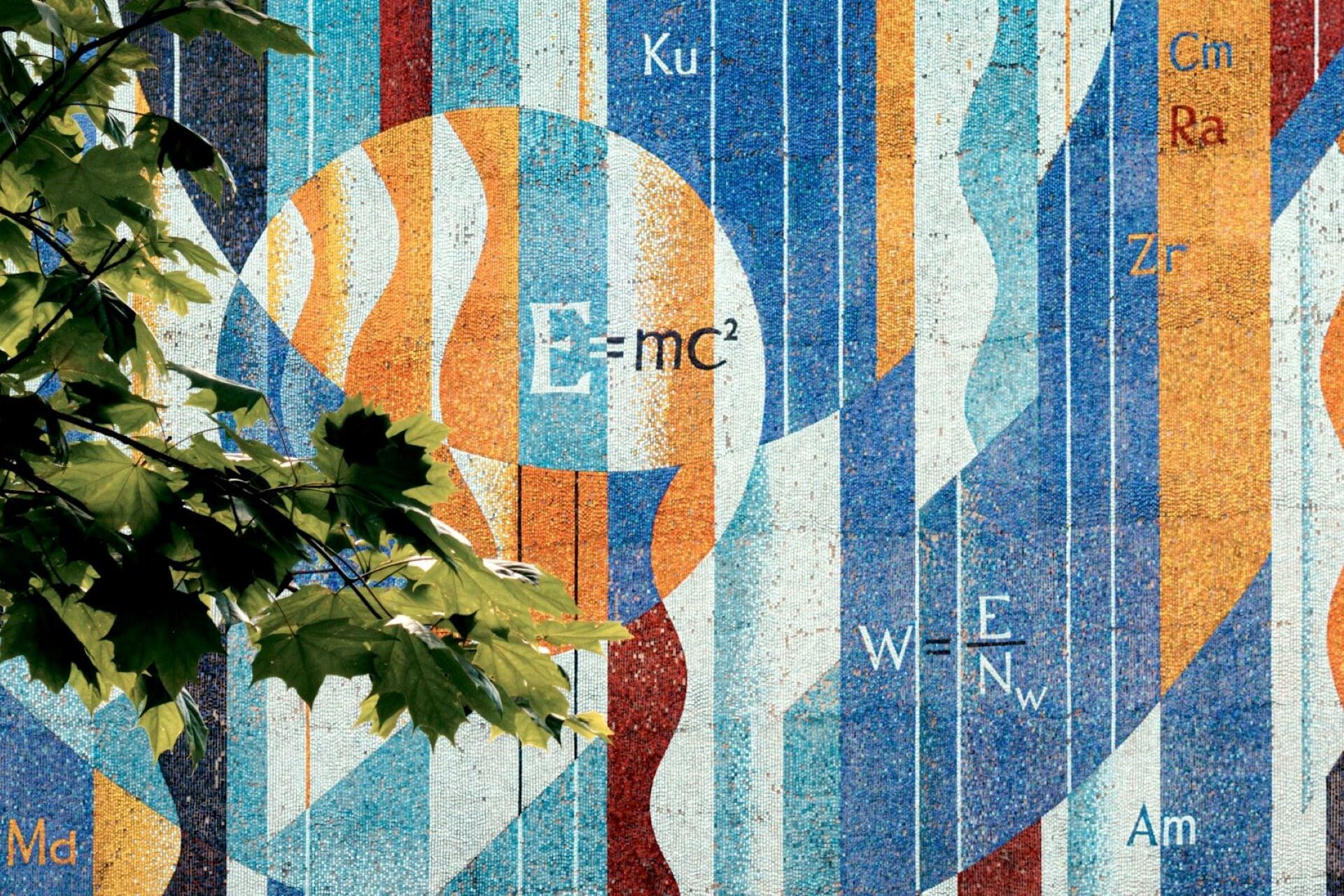
To raise new questions, new possibilities, to regard old problems from a new angle, requires creative imagination and marks real advance in science.
Albert Einstein
Science affects almost every aspect of modern life, from the water we drink and the medicines we take to the technology we use every day. Yet many people still think of science as something that happens only in laboratories or universities.
South Africa's National Science Month aims to change that perception. It encourages learners, educators, researchers, businesses and communities to engage with science, technology and innovation in practical and meaningful ways. What began as National Science Week has grown into a month-long national initiative designed to make science more accessible to all South Africans.
Whether you are a school learner, university student, parent or tutor, National Science Month offers an opportunity to discover how science shapes our world and why scientific literacy matters for the country's future.


What is National Science Month?
National Science Month (NSM) is a nationwide celebration of science, technology and innovation coordinated by the South African Agency for Science and Technology Advancement (SAASTA), a business unit of the National Research Foundation (NRF). The initiative is supported by the Department of Science, Technology and Innovation (DSTI). From 2026, National Science Month takes place throughout July and encourages participation from schools, universities, science centres, museums, government departments, industry and community organisations.
The purpose of National Science Month is not simply to showcase scientific achievements. It also aims to help South Africans understand how science influences daily life and how scientific thinking can help address social, environmental and economic challenges. According to SAASTA, the initiative seeks to bring science closer to society and promote a science-aware and science-literate nation.
One of the most important aspects of National Science Month is its inclusivity. Participation is voluntary and flexible, allowing institutions and individuals to contribute in ways that suit their interests and resources.
Activities can range from school science fairs and public lectures to coding workshops, museum exhibitions and community outreach projects.
From National Science Week to National Science Month
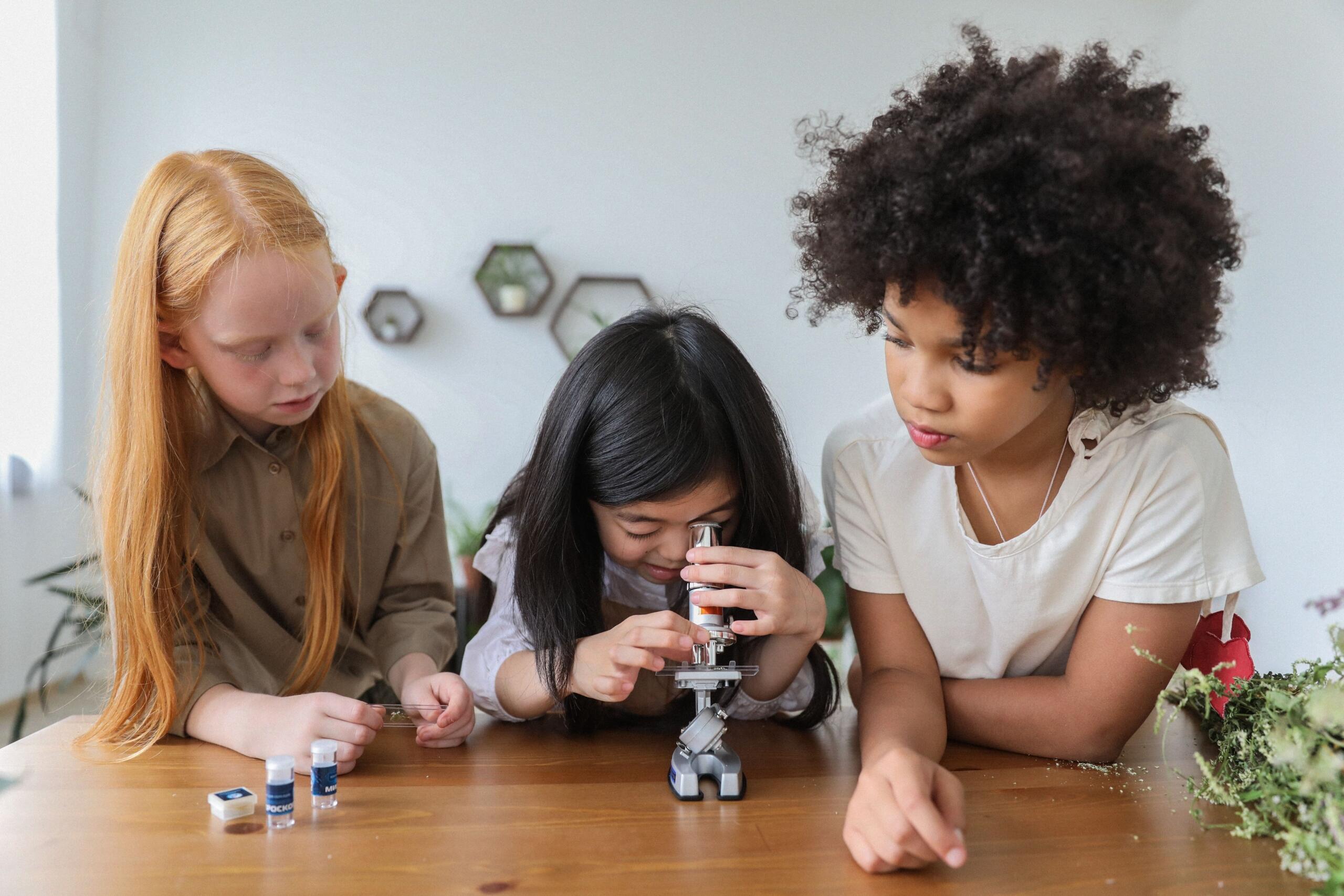
Many South Africans are familiar with National Science Week (NSW), which for many years served as the country's flagship science engagement programme.
across early pilot areas
National Science Week was introduced in 2000 as a government initiative to promote public awareness and appreciation of science. In its early years, activities were limited to a small number of provinces, but the programme gradually expanded across the country. Over time, National Science Week became the largest annual public science engagement event in South Africa.
The programme's growth reflected increasing recognition that science communication is essential for national development. Schools, universities, science councils, museums and research institutions began hosting exhibitions, demonstrations, lectures and career guidance events aimed at learners and the broader public.
2025
Announcement of Format Change
Science Week extended to a full month
2026
First National Science Month
Official commencement in July
A significant milestone occurred during the launch of National Science Week 2025. The Minister of Science, Technology and Innovation, Professor Blade Nzimande, announced that the initiative would be expanded into National Science Month from 2026 onwards. The decision was motivated by the programme's success and the belief that a single week was no longer sufficient to accommodate growing participation and engagement opportunities.
National Science Month, therefore, represents the next stage in the evolution of public science engagement in South Africa. Rather than concentrating activities into a few days, organisations now have an entire month to promote science, technology and innovation.
This expansion allows rural areas and under-resourced township schools more time to access mobile science labs and traveling exhibits, bridging the geographic gaps that often restrict access to scientific education.
Why Science Matters in Everyday Life
One of the central messages of National Science Month is that science is not separate from everyday life. In reality, scientific knowledge underpins many of the services and technologies that people rely on daily.
Water and Environmental Management
This reality hits home when communities face seasonal restrictions or load-shedding risks that disrupt pumping stations. Scientists and engineers contribute to water treatment, groundwater monitoring, drought management and conservation strategies. Advanced research helps municipal engineers monitor aquifers and manage catchments like the Integrated Vaal River System. Research also helps policymakers understand climate patterns and environmental changes that affect communities across the country, ensuring that urban planning and rural farming adapt to shifting rainfall trends.
Health and Medicine
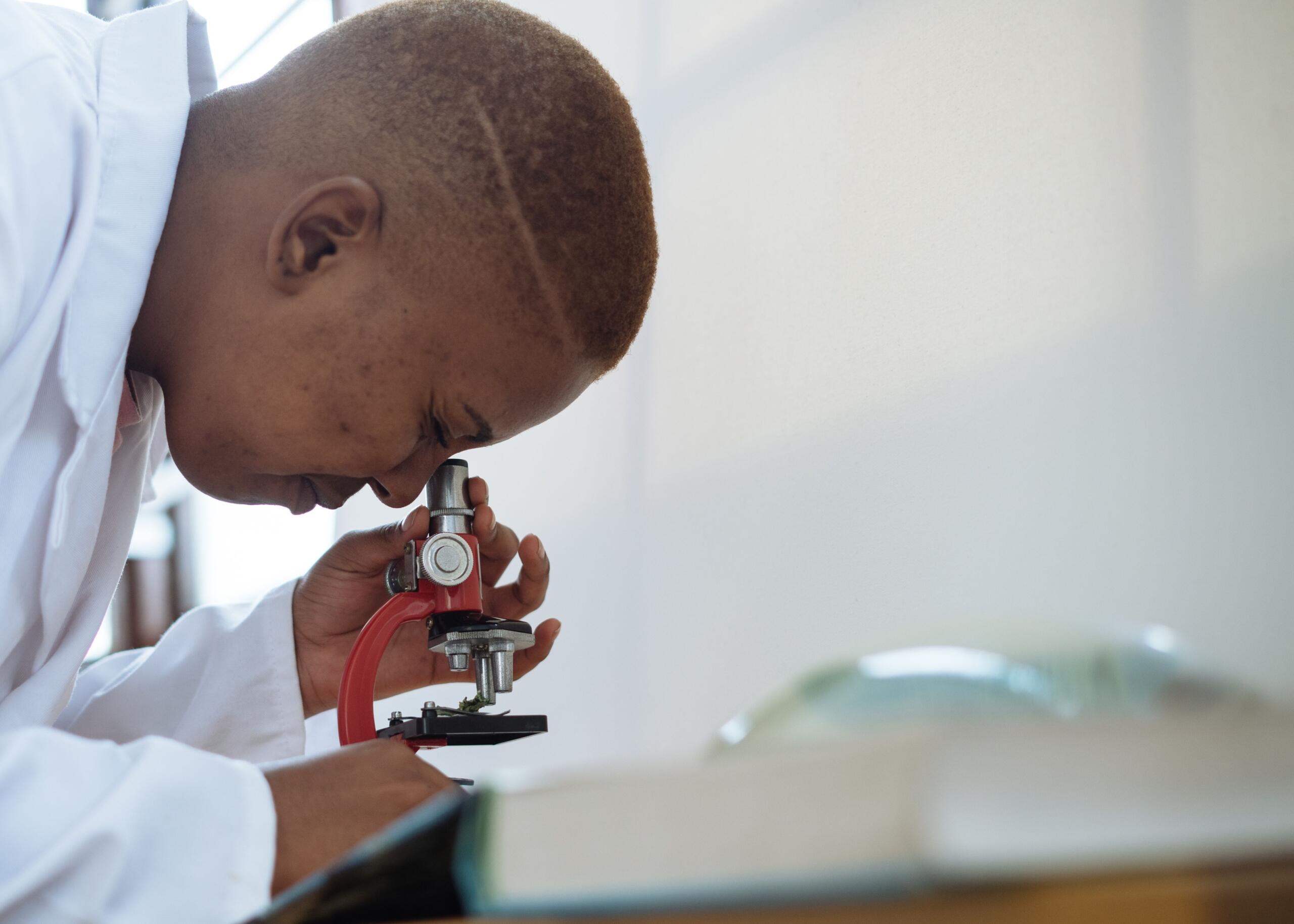
Modern healthcare depends on scientific research. Advances in medicine have improved disease prevention, diagnosis and treatment. South African researchers have played vital global roles in fields such as infectious disease research, public health and medical innovation. From local breakthroughs in understanding tuberculosis drug resistance to pioneering the identification of viral mutations, South African epidemiological science directly protects public health. Furthermore, telemedicine platforms and community health clinics increasingly rely on mobile diagnostic technology developed by local engineers to bring high-quality care to remote areas.
Agriculture and Food Security
Agricultural science supports food production through research into crops, livestock, soil health and water management. South African farmers face severe climate patterns, including intense heatwaves and unpredictable rainfall. Scientific innovation helps commercial and smallholder farmers improve productivity while adapting to environmental challenges. By studying indigenous crops like sorghum and developing drought-resistant maize varieties, agricultural biotechnologists help secure the national food supply chain, keeping staple foods accessible and affordable for families.
Technology and Innovation
Many of the devices people use every day are the result of scientific and technological advances. Smartphones, satellite navigation systems, renewable energy technologies and digital communication platforms all depend on scientific research and engineering expertise. With the rapid deployment of utility-scale solar farms and household rooftop installations across South Africa, the engineering behind battery storage and smart grids has become a practical reality.
Understanding the role of science in these areas helps learners appreciate why school subjects such as Mathematics, Physical Sciences, Life Sciences and Computer Studies remain vital pathways to future science careers.
Driving South African Innovation
The ecosystem of science in South Africa is powered by dedicated national institutions. The table below outlines some of the primary organisations driving research, funding and technological advancement across the country.
Here's a list of some key scientific organisations and their roles:
| Organisation | Core Mission & Focus Area | Real-World Impact |
|---|---|---|
| DSTI (Department of Science, Technology and Innovation) | Formulates national policy, drives funding and directs the national strategy for scientific development. | Invests in infrastructure and establishes initiatives like National Science Month to build a science-aware society. |
| NRF (National Research Foundation) | Funds independent research, builds national research facilities and supports postgraduate students. | Sustains the country's leading researchers and provides the academic bursaries that train future specialists. |
| SAASTA (South African Agency for Science & Technology Advancement) | Steers public science communication, material development and science engagement programmes. | Organises science Olympiads, supports science centres and bridges the gap between researchers and the public. |
| CSIR (Council for Scientific and Industrial Research) | Conducts multidisciplinary research and technological innovation to support industrial and social development. | Develops practical technologies for mining safety, structural engineering, environmental monitoring and defense. |
South African Scientific Achievements Worth Celebrating
National Science Month also provides an opportunity to highlight South Africa's contributions to global science and innovation. In recent years, South Africa has established itself as a thriving global hub for high-impact science careers, driven by landmark international projects and critical regional research. Foremost among these is the international Square Kilometre Array (SKA) project in the Northern Cape, which has created a surging demand for local astrophysicists, data scientists, and engineers tasked with processing unprecedented volumes of deep-space data.
Beyond astronomy, the country's unique geographical and socio-economic landscape offers robust career paths in environmental and health sciences. Local specialists are at the forefront of global climate change research through institutions like the South African National Antarctic Programme (SANAP). Operating research vessels in the Southern Ocean and maintaining the SANAE IV base in Antarctica, South African meteorologists and marine biologists gather data that is essential for global climate forecasting models.
At the same time, biotechnologists and epidemiologists continue to lead world-class genomics and medical research at state-of-the-art facilities across the country.
Supported by initiatives from the Department of Science and Innovation (DSI), science careers in South Africa are increasingly focused on leveraging raw data and technological innovation to solve real-world challenges, making the nation a highly dynamic environment for the next generation of scientific professionals.
The Square Kilometre Array and MeerKAT
One of the country's most significant scientific achievements is its role in the Square Kilometre Array (SKA) project. South Africa hosts a major component of this international radio astronomy initiative in the remote Karoo region of the Northern Cape. The country's MeerKAT radio telescope array has already gained international recognition for producing detailed observations of distant galaxies, cosmic threads and astronomical phenomena around the supermassive black hole at the centre of our galaxy. The project has positioned South Africa as a global leader in radio astronomy and big data infrastructure.
The Southern African Large Telescope
Located on a hilltop near Sutherland in the Northern Cape, the Southern African Large Telescope (SALT) is the largest optical telescope in the southern hemisphere. Its massive hexagonal mirror array allows scientists to capture light from distant stars, quasars and galaxies at the very edge of the observable universe. SALT enables local and international scientists to study cosmic evolution and stellar structures. The telescope also serves as an important educational resource, helping inspire interest in astronomy among South African learners through dedicated outreach programmes based in the Karoo.
The South African National Space Agency
The South African National Space Agency (SANSA) contributes to satellite technology, earth observation, space weather monitoring and scientific research. Operating from facilities in Pretoria, Hermanus and Hartebeesthoek, SANSA's work supports critical domestic applications. By analyzing data from earth observation satellites, SANSA provides government departments with accurate data for urban planning, water level monitoring, agricultural mapping and disaster management during floods or fires. Its space weather centre also monitors solar activity to safeguard national communication grids and satellite operations.
These examples demonstrate that South Africa is not simply a consumer of scientific knowledge but also a producer of world-class research and innovation.
How Learners Can Get Involved
Don't let anyone rob you of your imagination, your creativity, or your curiosity.
Mae Jemison, Engineer, Physician & Astronaut
National Science Month is designed to encourage participation, particularly among young people.
Learners can become involved through:
Many of these activities provide opportunities for learners to explore scientific concepts outside the classroom and interact directly with scientists, engineers and innovators.
Participation can also help learners discover science career paths they may not previously have considered.
Careers in Science
When you picture a scientist, you might think of someone in a white lab coat holding a beaker. But today, the world of science is as diverse as our country itself.
At its core, a scientist is anyone who uses systematic observation, experimentation, and critical thinking to better understand our world, our universe, and our societies. Science is not just about test tubes; it is a collaborative way of thinking, exploring, and practical problem-solving.
Because the problems we face are complex, the sphere of science includes a vast ecosystem of thinkers:
The Bottom Line: If you question how things work, look for evidence, test your ideas, and care about solving real-world challenges, you are participating in the work of a scientist. Science belongs to anyone with a curious mind.
Science Careers in South Africa
For those looking to enter the field, South Africa offers a rich and diverse array of specific job opportunities across several booming sectors. In the digital and space sciences, the expansion of the Square Kilometre Array (SKA) project has created a distinct job market for data scientists, satellite engineers, software developers, and astrophysicists tasked with managing complex big-data infrastructure. This infrastructure is not just used for looking at stars; the data management skills learned here are highly valued by the country's financial services, logistics companies and tech startups.

If you're passionate about the environment and sustainability, our unique ecosystems support vital roles for marine biologists, climate change analysts, agricultural scientists, and conservation ecologists working with organisations like SANAP or the South African National Biodiversity Institute (SANBI). These specialists work to future-proof our nation's natural resources against habitat loss and shifting weather baselines.
Furthermore, South Africa's robust medical landscape drives constant demand for epidemiologists, clinical research associates, bioinformaticians, and laboratory technologists at world-class research hubs.
Whether your skills lie in coding, fieldwork, or healthcare innovation, the local job market provides clear, practical pathways to translate a passion for science into a highly impactful professional career.
National Science Month 2026: What to Expect
National Science Month 2026 will run from 1 to 31 July across South Africa. The initiative invites schools, universities, TVET colleges, science councils, industry partners, government departments and community organisations to host activities that celebrate science, technology and innovation.
The official launch event is scheduled to take place on 4 July 2026 at the Sebokeng Campus of the Vaal University of Technology in Gauteng. This launch sets the tone for a month of public engagement. Activities throughout the month are expected to include:
- Public panel discussions addressing local energy and water solutions.
- Online science quizzes and interactive broadcasting blocks via community radio stations.
- Open-door days at major university research laboratories.
- Mobile science laboratory deployments to rural schools in the Eastern Cape, Limpopo and Mpumalanga.
Importantly, National Science Month is not only for scientists. It is intended for everyone, reflecting the initiative's message that science, technology and innovation are for all South Africans.
The Role of Tutors in Science Education
Science can be challenging, particularly when learners encounter abstract concepts or mathematical applications in school curricula like CAPS or IEB. Tutors and parents can play an important role in helping learners develop confidence, resilience and deep conceptual understanding.
Private tutoring and home support may assist learners with:
- Mathematics: Mastering algebra, geometry and calculus, which form the foundational language of all engineering and physics disciplines.
- Physical Sciences: Breaking down mechanics, electricity, waves and chemical bonding into comprehensible, step-by-step principles.
- Life Sciences: Understanding environmental dynamics, human anatomy, genetics and evolutionary biology through visual mapping and structured study.
- Computer Programming: Developing computational thinking by learning languages like Python or Java, which are vital for modern tech paths.
- Engineering-related Subjects: Grasping basic graphics, design and mechanical principles used in Technical Mathematics and Technical Sciences.

Tutors can also encourage lifelong curiosity by connecting classroom content to real-world scientific applications. This approach is particularly valuable during National Science Month, when learners are exposed to new ideas, technologies and career opportunities outside their standard school textbooks.
By reinforcing what learners observe at science centres or exhibitions, tutors help transform temporary curiosity into sustained academic success.
Looking to the Future
South Africa faces complex, interconnected challenges, including climate change, water security, energy supply stability, equitable healthcare delivery and sustainable economic development. Addressing these issues effectively will require a solid foundation of scientific knowledge, technological innovation, and objective, critical thinking.
National Science Month helps create accessible opportunities for learners and communities to engage directly with these ideas. By encouraging natural curiosity, promoting widespread scientific literacy and showcasing local achievements, the initiative supports the development of a society that is better equipped to understand and respond to the challenges of the future. For learners considering careers in science, technology, engineering or mathematics (STEM), National Science Month provides direct inspiration and practical opportunities to explore where those pathways might lead.
Science is not simply a static school subject to be memorised for an examination. It is a dynamic way of understanding our world, solving structural problems and creating long-term opportunities. National Science Month reminds us that scientific discovery belongs to everyone, and its benefits are meant to be shared by all South Africans.
Which area of science interests you most?
References
- Celebrating National Science Month, South African Agency for Science and Technology Advancement: https://www.saasta.ac.za/national-science-month/
- National Science Week Becomes National Science Month, National Research Foundation: https://www.nrf.ac.za/national-science-week-becomes-national-science-month-from-2026/
Summarise with AI:
Enjoyed this article? Leave a rating!

 Loading...