

If you are preparing for the K53 learners licence test, or asking how long is the learners license test, there is one thing you need to understand before you start: you are not working towards one overall pass percentage. This is a test with three separate sections, and you have to pass every one of them.
As of 24 September 2026, the official testing requirements specify:
Here, you need 22 correct
Here, you need 23 correct
Here, you need 6 correct
The important point is that the three sections are assessed separately. This means you need to prepare for rules of the road, road signs and vehicle controls as three distinct parts of the test, rather than relying on a strong overall score.


How Long is the Learners License Test?
When it comes to the question how long is the learners license test it depends on the testing system used at your DLTC. Computerised testing centres may give you a set time to complete the questions. Check the arrangements with your testing centre when you book, as procedures can vary between centres.
to complete, but factor in more time for check-in, identity verification and getting results printed
Similarly, your learners license test price is separate from the fee charged to issue your learner’s licence after you pass.
depending on the province and municipality
The learners license test price also vary between provinces and licensing authorities, so check the current amount when booking rather than relying on an older figure. This is also important when checking the learners license test price.
Tip! When checking your learners license test price with your DLTC remember to factor in an additional R33 to R65 issuing fee once passed.
Learners Licence Test Questions and Answers
Remember that a candidate who performs particularly well in one section of the K53 learners driving test still needs to reach the required pass mark in each of the other sections. This is why it is worth identifying any weaker areas during your preparation and giving them enough attention before test day.
South African regulations provide for both an approved theory test and an approved online learners license test. The electronic version does not mean that you take the test at home. The actual learners driving test is conducted at a DLTC, although some applicants can complete parts of the booking process online, depending on where they live. At centres using the Computerised Learner’s Licence Testing (CLLT) system, you complete the test on a testing terminal at the centre rather than using a traditional paper test.
The Department of Transport’s official Learner Driver Manual follows the same three broad areas, covering Rules of the Road, Road Traffic Signs, and Vehicle and Motorcycle Controls and Components.
If you still need to book your test, start with what you need to know before booking your learner’s licence test, including the documents, fees and DLTC process.
Section One: Rules of the Road
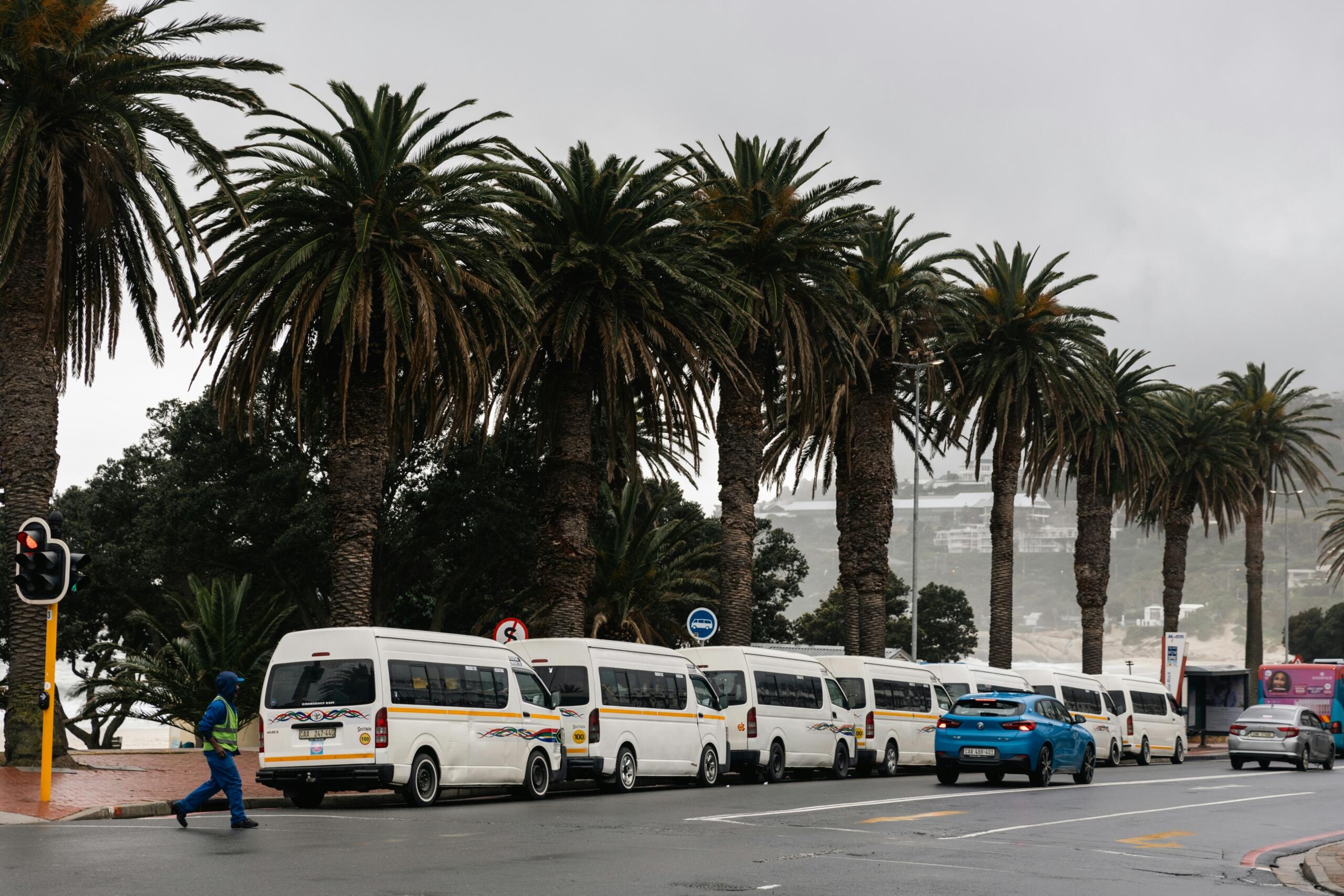
In the first section, there are 28 questions, and you need 22 correct to pass. Here, the official South African learner driver material covers topics such as general road rules, speed limits, following distances, overtaking, intersections, parking and stopping, freeways, vehicle lights, seat belts and the responsibilities of drivers.
The Department of Transport manual is specifically intended to explain the South African road rules that apply to drivers and motorcycle riders.
Whether your take the online learners license test or the manual, written version, you can get six questions wrong in this section and still pass, but those six cannot be offset by doing particularly well elsewhere. Rather than memorising isolated answers, make sure you understand what the South African rule actually says and when it applies.
When looking for learners licence test questions and answers, check that the material is actually based on the South African Department of Transport manuals.
Section Two: Road Signs
The official Department of Transport road traffic signs manual covers the South African signs and markings you need to understand, including regulatory, warning, guidance and information signs. It also covers road markings and traffic signals.
The second section covers road traffic signs, signals and markings. Here, there are 28 questions, and you need 23 correct to pass. That means you can get five wrong.
You need to know more than what a sign looks like. You should understand what the sign communicates and what action it requires from a road user. This is particularly useful when two signs look similar or when a question tests the meaning of a sign in a particular South African road situation.
For a closer look at this part of the syllabus, follow our guide to the South African road signs you need to recogniseand understand for the learner’s test.
Tip! Practising a dummy online learners license test can help you check whether you can recognise the signs quickly, but it should only supplement the official study material rather than replace it.
Section Three: Vehicle Controls
South African regulations require an examiner to establish in a learners driving test that the applicant knows and understands the controls of a motor vehicle of the class to which the application relates.
Do not let the fact that vehicle controls has only eight questions fool you.This section requires 6 out of 8 to pass. In other words, you can only get two wrong.
That means the content can differ according to the licence code. For example, for a light motor vehicle, the official material covers controls such as the steering wheel, mirrors, indicator switch, windscreen wipers, gear lever, parking brake, clutch, brake, accelerator and hooter. Motorcycle controls are different, so a motorcycle candidate needs to study the relevant motorcycle material.
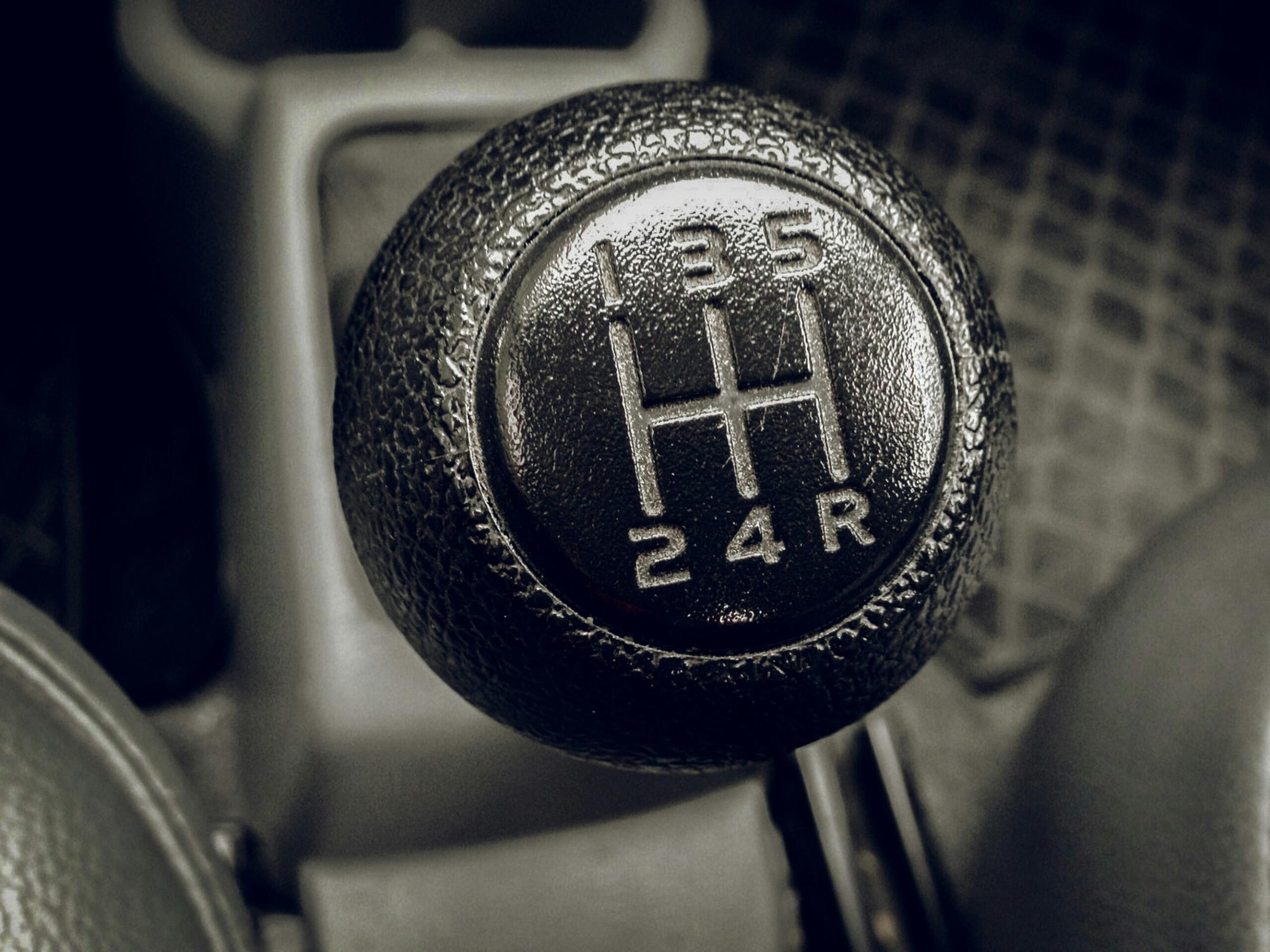
This is one area where the K53 learners drivingtest preparation needs to be specific to the vehicle you are applying to drive. Do not assume that studying a light motor vehicle controls diagram will prepare you for a motorcycle learner’s test.
Give controls proper study time. Learn their names on the relevant diagrams and understand what each control does. Remember, the section is small, but its pass mark is tight. Two mistakes are enough to fail it.
The Pass Marks, Side by Side
| Section | Questions | Minimum to Pass | Maximum Wrong |
|---|---|---|---|
| Rules of the Road | 28 | 22 | 6 |
| Road Signs, Signals and Markings | 28 | 23 | 5 |
| Vehicle Controls | 8 | 6 | 2 |
| Total | 64 | All three sections | All three must be passed |
Remember that you could score extremely well in rules and signs but if you get only five out of eight vehicle controls questions correct. You would still fail your K53 learners driving test.
So, when you use a learners driving test for practice look at your score for each section rather than focusing only on the total.
Where the Questions Come From
Your starting point should be the SA Learner Driver Manual provided through NaTIS. The official material is divided into three parts covering:
The Department of Transport manual states that it covers aspects regulated under South African road traffic legislation and is designed to explain what drivers and riders must and must not do on South African roads.
If you are searching for learners licence test questions and answers, be careful about relying on a website simply because it calls its material a K53 test. Online question banks can contain outdated information.
If You FailYour Learners Licence Test
Remember that failing one section of a K53 learners driving test means failing the whole test. This means you do not keep a passed section and rewrite only the section you missed. If you fail, you need to make a new booking and pay the applicable fee again. The learners license test price is determined provincially, so check with your DLTC when you rebook rather than relying on an old fee.

There is also an important point about the waiting period. The national testing provisions set the pass marks and testing requirements, but there is no single nationally published waiting period that we could verify for every DLTC. Your next appointment therefore depends on the booking arrangements and availability at the relevant testing centre.
The testing requirements also state that an examiner may give the applicant the result but may not discuss the learners licence test questions and answers of the test. So, if you fail, your result should tell you which section needs attention, but you should not expect a list of every question you answered incorrectly.
A Realistic Study Plan

How long should you study? That depends on whether you are fitting your preparation around school, university or work.
Two to Four Weeks
Give yourself around three to four weeks to study. If you have more time, you can prepare for the learners driving test in around two weeks if you can give it focused attention each day.
Week 1:
Rules of the Road
Work through the rules of the road in the official manual. Concentrate on understanding the South African rules rather than memorising random answers.
Week 2:
Road Signs
Focus on road signs, signals and markings. Learn what each sign means and what it requires you to do.
Week 3:
Vehicle Controls
Give vehicle controls dedicated attention, then begin full practice sessions. Check your marks separately for each section.
Week 4:
Time Yourself
Use timed practice and return to any section where you are still falling below its required pass mark.
If you are already thinking ahead to practical driving, our later guide explains the K53 manoeuvres and skills you will eventually need for the practical driving test.
Whether you take the online learners license test or the written exam, he simplest way to remember the structure is:
22 out of 28 for rules.
23 out of 28 for signs.
6 out of 8 for controls.
Pass all three, and you have passed the learners driving test.
References
- South African Government, Apply for a learner's licence. South African Government learner's licence service
- Department of Transport, SA Learner Driver Manual: Rules of the Road. Department of Transport learner driver manual
- Department of Transport, SA Learner Driver Manual: Road Traffic Signs. Department of Transport road traffic signs manual
- NaTIS, Minimum Requirements for Registration and Retention of Grading for Driving Licence Testing Centres. NaTIS testing requirements
- Western Cape Government, Learner's licence. Western Cape Government learner's licence service
- Hessequa Municipality, Computerised Learners Licence Test. Hessequa Municipality computerised learner's licence test
- Drakenstein Municipality, Preparing for your learner's licence. Drakenstein Municipality learner's licence study material
Summarise with AI:
Enjoyed this article? Leave a rating!

 Loading...