
To deny people their human rights is to challenge their very humanity.
Nelson Mandela
When you pause to think about the meaning behind Human Rights Day, you begin to understand why this date sits so firmly in the national memory. It is more than a moment on the calendar. It is a call to remember the lives lost, the courage shown and the responsibilities you carry today. Many South Africans first encounter the day’s deeper meaning at school through assemblies or storytelling sessions. Those early lessons often plant the first seeds of awareness about what is Human Rights Day, a question that follows you into adulthood as you learn more about the struggles that shaped the country.


The Tragedy of Sharpeville on 21 March 1960
If you have ever stood in a community hall during a rights awareness programme or listened to a radio discussion in March, you have probably heard people ask why is Human Rights Day celebrated in South Africa. The answer always leads back to 21 March 1960 and the events in Sharpeville.
On that day, residents gathered in a peaceful protest against the pass laws, a system that restricted movement and controlled daily life. Police opened fire, killing sixty-nine people and injuring many more. The tragedy travelled far beyond the borders of the Vaal. It exposed the severity of the apartheid system to the world and created a turning point in how resistance movements organised themselves.
Understanding this context helps you appreciate why Human Rights Day carries such emotional weight. When you visit Sharpeville today, whether for an official commemoration or a quiet personal visit, you feel a sense of solemnity. The memorial site is simple yet powerful. You see school groups walking between the plaques, teachers gently explaining the names and numbers engraved there. You might hear questions echoing from one learner to another. One child might ask what is Human Rights Day, and another might attempt to answer with innocence and pride. These are small but meaningful reminders that the lessons have not been forgotten.
lives were tragically taken at Sharpeville
Other Public Holidays: The Greater South African Context
If you read our article titled Celebrating Public Holidays South Africa, you may remember that these national days are far more than long weekends. That piece introduced how Human Rights day fits into the broader rhythm of commemorations. This current article invites you to look much closer at the legacy behind the date.
Whenever March arrives, media platforms across the country begin discussing Human Rights Day . Newsrooms revisit archival footage and speak to activists who lived through the era of pass laws.
Many conversations return to Human Rights Day history, and how the events of 1960 shaped the Bill of Rights you rely on today.
If you have ever flipped through the Constitution during a school project or adult rights workshop, you may recall how clearly the document lays out your freedoms. It explains the right to dignity, equality, expression, assembly and many others that define your daily experience.
TheSouth African Constitution
So, if you have asked why is Human Rights Day celebrated in South Africa, it helps to study the Constitution with fresh eyes.
The Bill of Rights is not just a legal framework. It is a protective shield designed to prevent the abuses that took place for decades.
Many civil society organisations run workshops in libraries and community centres to help you interpret those rights in practical ways. Teachers often hold sessions in classrooms, encouraging learners to talk about fairness and respect in their own homes and neighbourhoods. These activities form part of the modern interpretation of Human Rights day, one that honours the past by building more informed and compassionate citizens.
We cannot build a future on a system that denies basic human rights.
F.W De Klerk
On the day itself, official ceremonies take place across the country. You might see the President or a premier addressing the nation from a stadium, community ground or memorial site. Wreath laying, musical tributes and speeches often form part of the programme.
These gatherings are not designed for spectacle. Their purpose is reflection and unity. They remind you that Human Rights Day South Africa belongs to every citizen regardless of background. When leaders speak about accountability and dignity, they are reaffirming promises written into the Constitution. They are also reminding you of the cost paid by those who died in Sharpeville and other communities affected by violent enforcement of apartheid laws.
Consider reading our article, which explores how women contributed to the struggle, reminding you that their resilience is woven into the broader narrative of rights and equality.
Lived in Everyday Life
In schools, Human Rights Day history is sometimes shared through drama performances, poetry or storytelling circles. Many teachers encourage learners to reflect on personal experiences, like moments when they witnessed bullying, unfair treatment or exclusion. These small, local reflections often help young people understand what is Human Rights Day in a far more relatable way. They begin to see that rights are not theoretical ideals. They are lived every day in classrooms, sports fields and playgrounds.
When you ask yourself why is Human Rights Day celebrated in South Africa, you may find that the answer also touches on present challenges. The day encourages you to confront issues that still exist.
Gender based violence, discrimination, xenophobia, poverty and unequal access to education remain serious concerns. These discussions are not easy, yet they are necessary. By facing them honestly, you continue the work started by earlier generations. You become part of the ongoing story of Human Rights day, helping ensure that the principles behind the holiday do not lose their meaning.
Connecting this reflection to other national commemorations can deepen your understanding. For example, our other article examines how young people challenged injustice in 1976, linking their courage to the values celebrated in March.
How Do You Interpret Human Rights?
In many communities, churches, mosques and cultural organisations host small gatherings where residents share their thoughts about Human Rights Day. Elders will share memories of the pass laws and talk about how daily life changed after apartheid ended. Younger people often speak about social media, education and opportunities for the future. These generational conversations, though informal, play a significant role in shaping your personal interpretation of Human Rights Day history.
Expanding and Evolving Human Rights
If you have followed discussions in Parliament or city council meetings, you may know that rights are continually debated and expanded through new laws.
These democratic processes answer the question of why is Human Rights Day celebrated in South Africa in real and dynamic ways. Remember that rights are not static, they grow as society grows. When lawmakers debate issues like access to healthcare, digital privacy or housing, they are upholding the essence of the day.
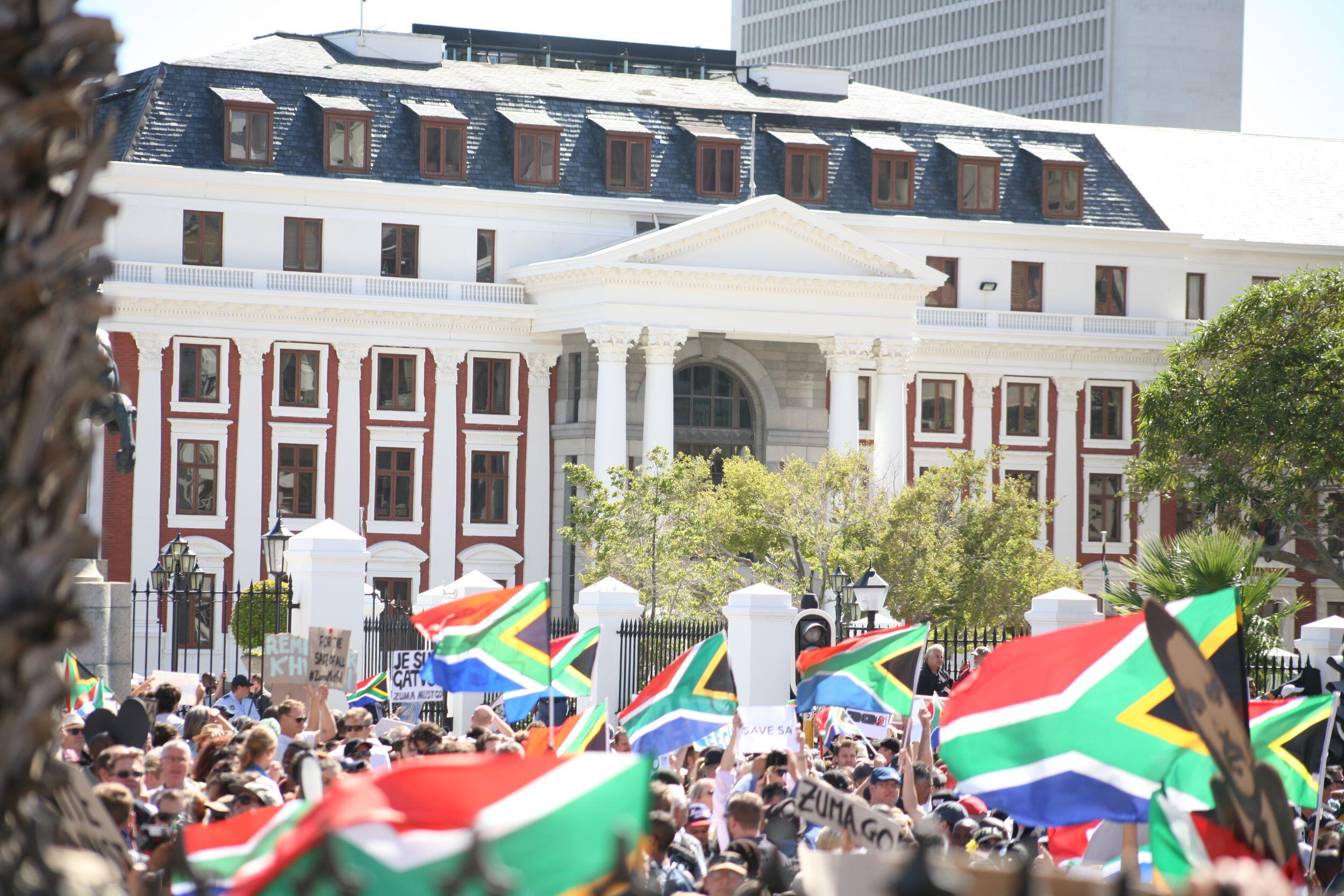
Protesters outside the Houses of Parliament of South Africa in Cape Town remind us that Human rights are not static, but should continue to evolve as they are protected by the constitution.
There is something powerful about witnessing young South Africans take an active interest in these conversations. Whether they are pupils at a public school in Soweto, students at universities like UCT or community members gathered under a gazebo in Mitchells Plain, their contribution ensures that Human Rights Day remains rooted in daily life. Their voices blend with those who came before them, ensuring the legacy continues.
If you're interested in how cultural pride connects to dignity, identity and the protection of human rights, read our other article in this series.
Dignity, Equality and Justice Must Continue
Through the Human Rights Day history, we see how remembrance, education and activism are all important in keeping the memory alive.
If you enjoyed this article, the article which explores the journey from oppression to democracy in more depth is bound to interest you too.
Together, these stories form a collective narrative. They show that the struggle for dignity, equality and justice continues. They also remind you that you are part of this ongoing work. By learning, reflecting and acting with empathy, you strengthen the values behind Human Rights day for future generations.
Summarise with AI:
Enjoyed this article? Leave a rating!

 Loading...