

Our rich and varied cultural heritage has a profound power to help build our nation.
Nelson Mandela
Every year, as spring begins to bloom all across South Africa, we are invited to pause and reflect on who we are and where we come from. Heritage Day is more than a day off work or school. It is a moment to recognise the stories, traditions and values that shape daily life. If you have ever wondered what is Heritage Day, the answer lies not only in history books but in homes, classrooms, neighbourhoods and community spaces across the country. It is a day that encourages you to celebrate diversity while recognising your rich, shared South African identity.
So, when is Heritage Day?
The date is firmly set as 24 September and is a collective mirror that reflects the many cultures, languages and customs that exist side by side. From township streets and suburban parks to rural villages and city centres, you’re about to find out how the spirit of the day is felt in simple but meaningful ways.


The Origins of Heritage Day
To understand why the day carries such weight, it is helpful to look at Heritage Day history and how it came into being. Originally, a commemoration of King Shaka Zulu and his role in shaping the Zulu nation there was debate about whether the date should remain a public holiday. A compromise was reached:
as a national day dedicated to heritage in all its forms.
This moment in Heritage Day history was significant. It signalled a shift from honouring a single historical figure to recognising the many cultural threads that make up South Africa. When you reflect on what Heritage Day is, you begin to see it as an inclusive space, one that allows every community to feel seen without erasing the past.
Heritage Day is about affirming that identity matters while recognising that understanding one another’s backgrounds is essential for social cohesion.
Watch this video to explain Heritage Day to young children.
A Celebration of Diversity and Unity
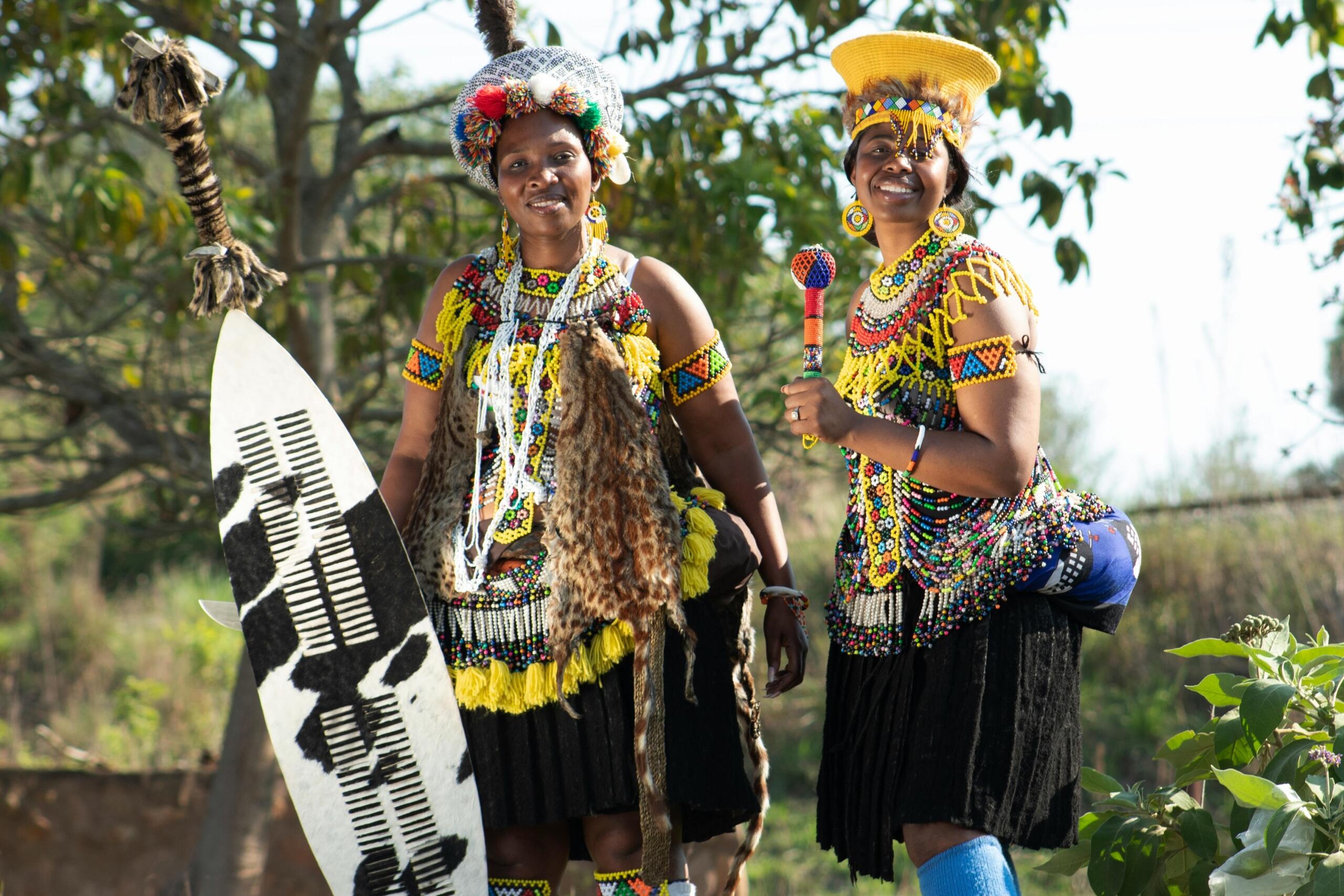
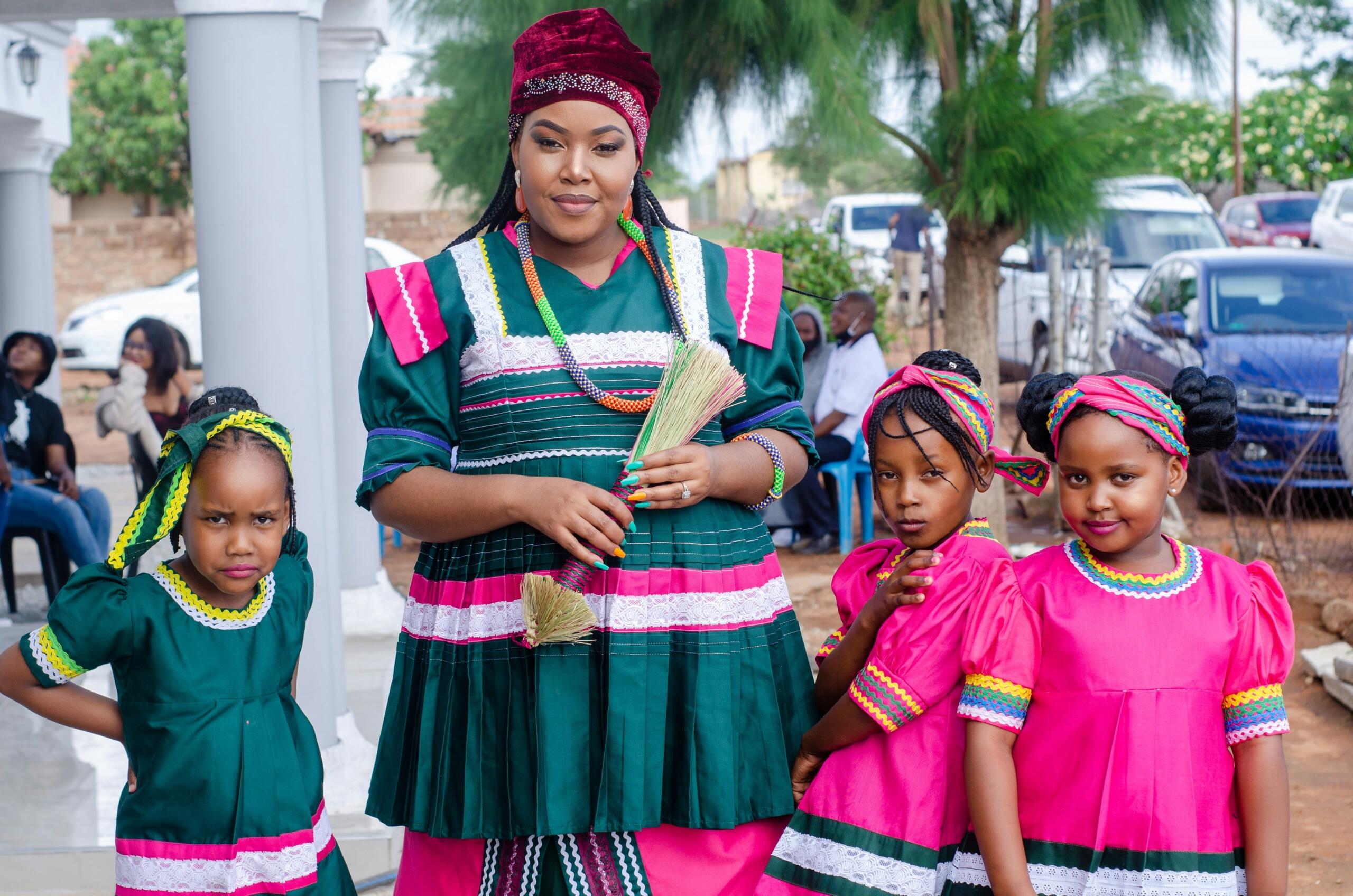
At its heart, Heritage Day is about balance because it invites you to celebrate difference while you also acknowledge unity. This is significant in South Africa which now has twelve official languages, countless traditions, and is deeply rooted in customs that are passed down through generations. On this day, wearing traditional attire, speaking your home language with pride, or sharing food from your cultural background becomes a powerful act of recognition. This is why for many South Africans the day is also affectionately dubbed as National Braai Day!
Together, all our public holidays remind us that freedom and identity are built through shared experiences, not uniformity.
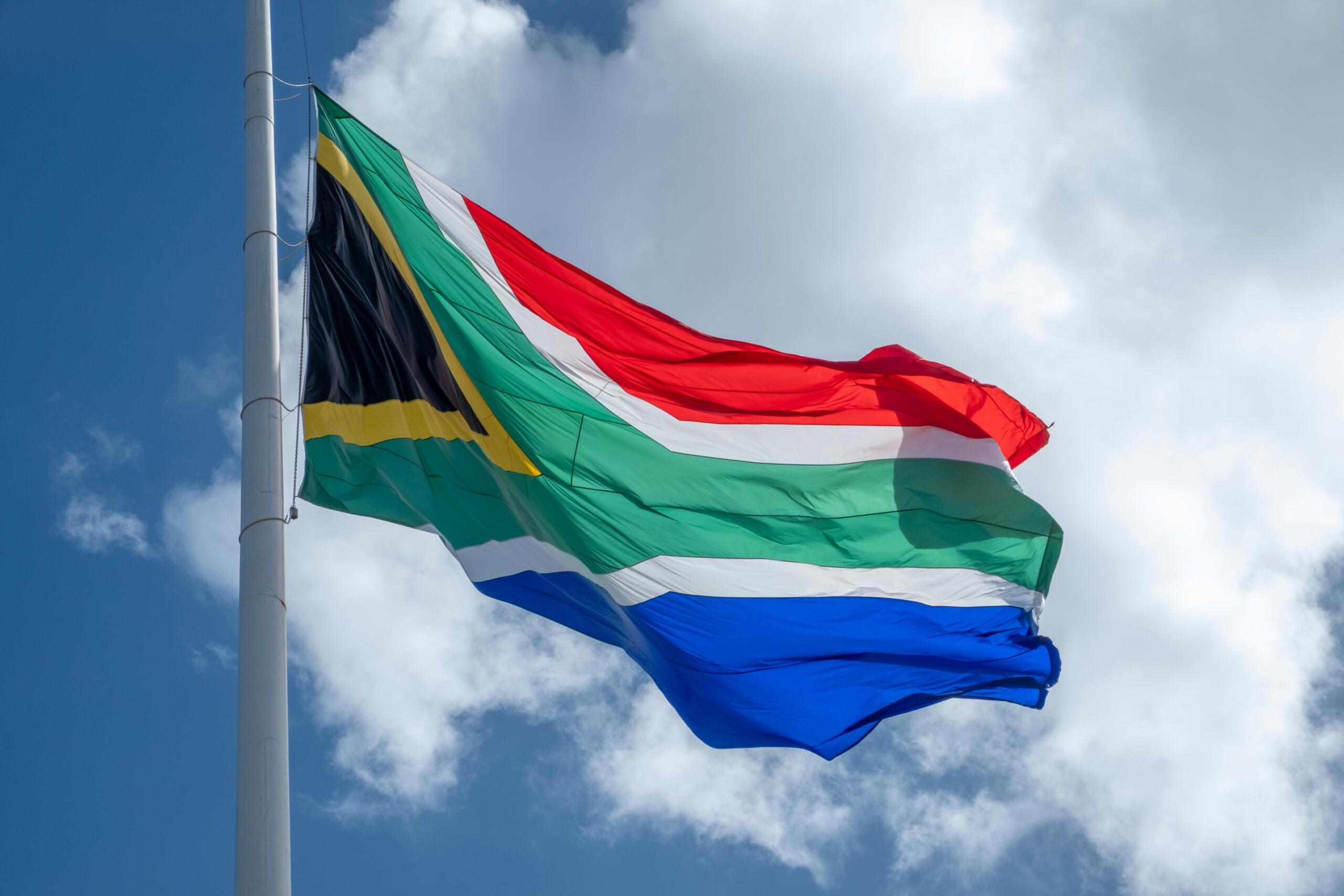
National holidays collectively tell the story of who we are as South Africans. Heritage Day is not only about cultural performance, but also an understanding of our place in a broader social fabric and respecting the identities of those around us.
From Remembrance to Everyday Life
Heritage Day may fall on the calendar once a year, but its significance is far-reaching. During the year, you may see its influence in school assemblies where learners are encouraged to share songs, poems or stories from their cultures. Many schools host cultural dress days or language showcases, allowing children to learn from one another in a way that textbooks alone cannot provide.
We are different precisely in order to realise our need of one another.
Archbishop Desmond Tutu
These educational moments form an important part of Heritage Day history, as they mean that cultural knowledge is passed on rather than lost. When young people understand their heritage, they are better equipped to respect the heritage of others. This idea echoes the values discussed in our article The History of Human Rights Day, where dignity, equality and respect form the foundation of a healthy society.
Traditions Old and New
Over time, Heritage Day has also taken on new traditions. One of the most recognisable is one we have already touched on, the National Braai Day movement, which reframed the day as an opportunity for South Africans to gather around food and conversation. While braais are not universal to every culture, the idea of sharing a meal resonates widely.
Music and dance also play a central role. From gumboot dancing and Afrikaans folk music to gospel choirs to traditional drumming, the sounds of the country blend together on this day.
Remember that these expressions are not staged performances but ongoing living practices, shaped by history and everyday experience. Seen through this lens, Heritage Day South Africa becomes a living celebration rather than a static commemoration.
The Role of Women and Community Voices
Of course, heritage is also deeply personal. It lives in family stories, recipes, rituals and values, many of which are preserved and passed on by women. This perspective aligns with our article, which highlights how women’s contributions to society are often cultural as well as political.
By recognising these everyday acts of preservation, Heritage Day becomes more than an abstract concept.
How Can You Participate?
In this way, Heritage Day South Africa is sustained not by grand ceremonies alone, but by ordinary people.
Public Spaces and National Events
Across the country, official events help anchor the meaning of the day. Freedom Park in Pretoria often hosts ceremonies that focus on reconciliation, memory and cultural expression. In Durban, cultural parades highlight the city’s deep Zulu and Indian heritage, while also recognising the influence of other communities.
Local municipalities and community centres frequently organise festivals that bring neighbours together. These events reinforce the idea that Heritage Day matters because they create opportunities for dialogue and connection, and the best part is that you do not need to travel far to experience this. Often, the most meaningful celebrations happen close to home, in school halls, libraries, or sports grounds.
Heritage and the Democratic Journey
Understanding Heritage Day1 history becomes richer when you place it alongside other moments in South Africa’s journey because heritage does not exist in isolation from struggle or progress. It intersects with the fight for freedom, equality and representation.
Ultimately, It is both a celebration and a responsibility that is rooted in the past but oriented towards the future.
Modern Reflections and Responsibility
In a rapidly changing world, questions of identity can feel complicated because globalisation, technology and urbanisation all influence how culture is expressed. Yet, in asking questions about Heritage Day, we are reminded about where we come from and how to stay on a healthy course.
In a creative country like South Africa, young people often explore heritage through art, fashion and digital storytelling and these modern expressions form part of an evolving Heritage Day history that shows that culture is not frozen in time. It adapts, responds and grows, just as society does.
Why The Day Still Matters
Ultimately, Heritage Day history teaches us that unity is not about sameness but rather about mutual respect.
As you reflect on the answers to what is Heritage Day, you may realise that its importance lies in its continuity. It encourages you to look back with honesty and forward with intention. It asks you to acknowledge pain without being defined by it, and to celebrate joy without exclusion.
Similarly, The Story Behind Youth Day reminds you that young people have always played a role in shaping national identity.
A Shared Future Rooted in Understanding
Whether you spend the day attending a community event, visiting a cultural site, or simply talking with family, your participation keeps the meaning of the day alive.
Heritage Day’s significance also extends far beyond the festivities themselves; it reflects South Africa’s ongoing journey towards unity and mutual respect in a society once fractured by division and inequality. The day encourages not only celebration but also honest reflection on how different cultural identities have shaped, and continue to shape, the nation. It is a chance to remember that heritage is not static.
Our heritage lives in the languages we speak, the stories we tell, the food we share, and the customs we maintain.
From oral histories told by elders to community projects that document indigenous knowledge, Heritage Day serves as a reminder that preserving the past strengthens the social fabric of tomorrow.
In schools, workplaces and public spaces across the country, this public holiday fosters opportunities for meaningful exchange and learning: children might wear traditional dress to class, families might share dishes from their cultural backgrounds, and local events often spotlight art, music and dance that honour specific traditions. By engaging with these practices, South Africans of all ages contribute to a living heritage that embraces both diversity and unity. Observing Heritage Day in this wider context helps to reinforce our shared values of inclusivity, respect and belonging.
So, remember that the date is only the beginning. The real significance lies in how you choose to honour it, not just on 24 September, but in everyday actions that reflect respect, curiosity and pride in the rich tapestry that makes up South Africa.
References h2 title
- Heritage Day explained, SA Government https://www.gov.za/news/events/commemorative-events/heritage-day#
Summarise with AI:
Enjoyed this article? Leave a rating!

 Loading...