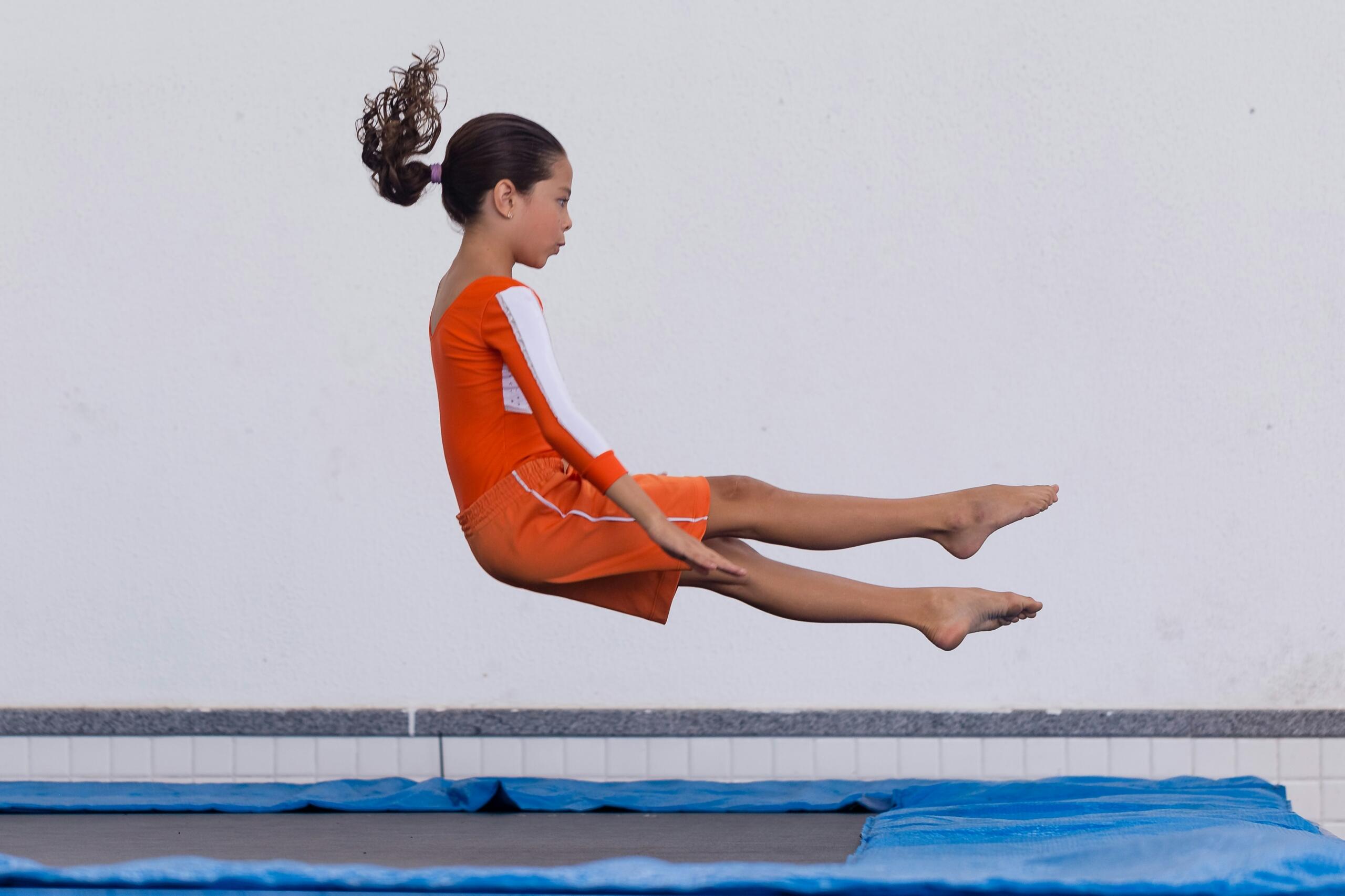

If you don't leap, you'll never know what it's like to fly.
Unknown
Where to Learn Gymnastics in South Africa: At a Glance
- Gymnastics clubs: Clubs offer structured training for recreational and competitive gymnasts, with programmes for different ages and ability levels. Johannesburg and Cape Town are home to a range of established gymnastics clubs.
- Academies and specialist programmes: Gymnastics academies and development programmes provide structured coaching for learners who want to develop their skills, with some offering pathways towards competitive gymnastics.
- Private face-to-face lessons: One-to-one coaching provides personalised instruction and can be suitable for learners who want individual attention or have specific training goals.
- Online gymnastics lessons: Online tuition offers an alternative for learners who cannot easily access a suitable local instructor and can also complement existing training.
Whether you are looking for a fun activity for your child or exploring a new sporting challenge for yourself, gymnastics provides an excellent combination of strength, flexibility, balance, and coordination. As gymnastics in South Africa continues to grow, with more clubs, schools, and coaches making the sport accessible to learners of all ages, so does its popularity.




Choosing Your Gymnastics Discipline Before You Choose Where to Learn
Before we tell you where to learn gymnastics in South Africa, there is one important decision to make: what type of gymnastics do you want to learn?
Gymnastics is not a single discipline. From artistic and rhythmic gymnastics to trampoline, acrobatics, aerobic gymnastics and parkour, each discipline involves different skills, equipment and styles of training. The right choice will depend on your interests, age, experience and goals.
gymnastics disciplines recognised by World Gymnastics.
That is why we have started by looking at the different types of gymnastics. Once you know which discipline interests you, it becomes much easier to find a suitable club, academy or private coach offering the right type of instruction.
So, before you start searching for gymnastics lessons near you, let's take a quick look at the different disciplines and what each one involves.
Which Discipline is Best for You?
With eight recognised disciplines, there is more to gymnastics than the events seen at the Olympic Games. The right option will depend on your interests, experience, age and the classes available at clubs in your area. So, which will you choose?
If you enjoy apparatus-based routines, artistic or rhythmic gymnastics may appeal to you. If aerial skills interest you, trampoline and tumbling could be a good option. Those who enjoy working with partners may prefer acrobatic gymnastics, while aerobic gymnastics and parkour offer different approaches to movement and performance.
For beginners, the most practical approach is to look at the disciplines offered by local gymnastics clubs and ask about classes suitable for your age and experience. You can then develop the fundamental skills required for your chosen discipline under the guidance of a qualified coach.
The important thing to remember is that gymnastics is not a single type of activity. Its eight recognised disciplines offer distinctly different ways to train, develop skills and participate in the sport.
Once you know what type of gymnastics you want to learn, the next step is finding quality instruction. So, where can you learn gymnastics in South Africa? You can find gymnastics instructors across the country, including coaches at private academies and those offering one-on-one lessons through platforms like Superprof. Read on as we explore the available options for learning the fundamentals of gymnastics.
Gymnastics Clubs
Gymnastics clubs are one of the most established ways to learn the sport in South Africa. They typically provide structured classes for different ages and ability levels, allowing beginners to develop fundamental skills before progressing to more advanced training.
Depending on the club, programmes may include recreational gymnastics as well as competitive training in disciplines such as artistic gymnastics, rhythmic gymnastics, trampoline and tumbling, or acrobatic gymnastics.
The table below offers just a glimpse of the gymnastics options available across South Africa, with examples of clubs and disciplines in Johannesburg, Cape Town, Pretoria, Port Elizabeth and Durban. For more detailed information, explore our companion articles focusing on gymnastics options in each of these cities.
| City | Where you can find gymnastics lessons | What you can learn |
|---|---|---|
| Johannesburg | JGC Gymnastics Club | Artistic gymnastics |
| Cape Town | Future Stars Gymnastics Club | Artistic gymnastics and trampoline gymnastics |
| Pretoria | Pretoria Gymnastics | Artistic gymnastics and parkour |
| Port Elizabeth | Mandy's School of Tumbling & Trampolining | Tumbling and trampoline gymnastics |
| Durban | Glenwood Gymnastics Club | Rhythmic gymnastics and gymnastics for all |
As you can see, there are clubs across the country. JGC Gymnastics Club in Johannesburg offers men's and women's artistic gymnastics. WGC Gymnastics operates at the Wanderers Club in Illovo, and has a purpose-built gymnasium with artistic gymnastics apparatus, a sprung floor, foam pits and a conditioning area.
Cape Town also has a number of established options. Acro Angels Gymnastics and Gym Wizards Pinelands are popular gymnastics facilities in the city. Giants Gymnastics in Parklands offers artistic gymnastics for boys and girls from age three upwards, including recreational and competitive levels, as well as adult classes.
These examples also demonstrate why it is important to check which discipline a club teaches before enrolling. Gymnastics South Africa's directory allows prospective gymnasts and parents to search clubs by province, city, suburb and discipline, making it a useful starting point when looking for a suitable local facility.
Gymnastics Academies and Specialist Programmes
Gymnastics academies and specialist programmes can provide a more focused training environment for learners who want to develop particular skills or pursue gymnastics at a higher level.
While the terms academy and specialist programme can be used differently by individual providers, these programmes generally place greater emphasis on structured skill development and progression.
The Gymnastics South Africa network includes a number of specialist facilities. Moot Gymnastics Academy in Pretoria, for example, offers men's artistic gymnastics, women's artistic gymnastics and rhythmic gymnastics. Toit's Acro Club in Pretoria specialises in acrobatic gymnastics, while Montana Gymnastics offers men's artistic, women's artistic and rhythmic gymnastics.
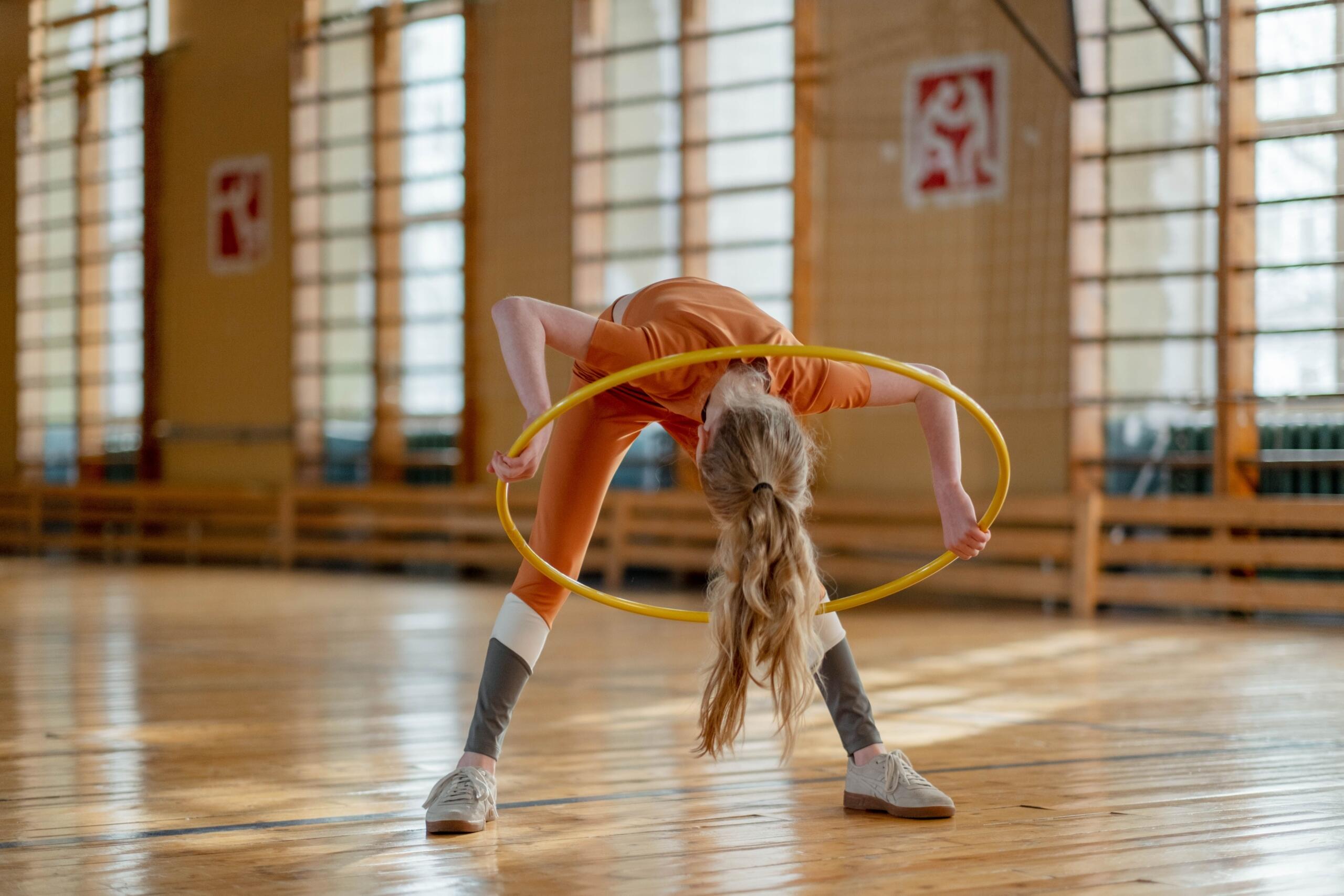
Private Gymnastics Lessons
For learners who want individual attention, private tuition is another option. Through Superprof, you can search for gymnastics tutors in any city and compare instructors offering different lesson formats.
Face-to-face lessons allow you to train with an instructor in person, while online lessons can provide a more accessible option for anyone who is unable to attend a local class.
When comparing instructors, check what type of gymnastics they teach and whether their experience matches your goals. A coach who specialises in beginner recreational gymnastics may offer a different type of tuition from one who works with competitive gymnasts.
School Based GymnasticsProgrammes
Certain public and private schools offer gymnastics activities as part of their sporting programmes. These opportunities often introduce children to the sport before they join specialist clubs.
However, if there is no gymnastics programme at your school, perhaps private coaching could be the answer. Platforms like Superprof make it easy to find experienced coaches and offer the kind of flexibility to suit almost any schedule.
Finding Gymnastics Lessons Beyond the Major Cities
Although there may be fewer gymnastics centres or academies in smaller areas, you do not need to live in Johannesburg or Cape Town to look for private gymnastics tuition. Wherever you are in South Africa, you can use Superprof to search for available tutors in your area or explore online tuition.
This can be particularly useful if you live further from established gymnastics centres. Online lessons cannot replace the hands-on supervision required for learning potentially hazardous gymnastics skills, but they can provide an additional way to access instruction and discuss training, conditioning and technique.
For practical gymnastics training, always check that the instructor has appropriate experience and that the training environment and equipment are suitable for the skills being taught. For children and anyone learning new or advanced physical skills, face-to-face supervision from a suitably qualified coach remains important.
Whether you are taking your first steps into gymnastics or looking to develop existing skills, the right form of instruction will depend on your location, experience and goals. Comparing local clubs with private face-to-face and online tuition can help you identify an approach that suits your circumstances.
Choosing the Right Coach & Safety Conditions
Whatever your level or ambition, a good coach can make all the difference to your experience. Whether it's one-on-one or a group class, choose a coach you feel comfortable and confident with.
Qualifications
Experience
Club affiliation
Communication style
Safety approach
Bear in mind that many affiliated clubs and coaches follow standards established by the national governing body, Gymnastics South Africa2, which helps to maintain consistency across the sport.
Safety Comes First
While the sport is highly rewarding, it requires appropriate supervision and coaching. If you are researching how to do gymnastics, safety should be your priority. Some of the safety considerations to include are:
As you can see, putting your gymnastics training into the hands of a professional is important, which is why learning gymnastics through coaches and clubs is strongly recommended. It's also worth emphasising: remember that attempting advanced skills without guidance increases the risk of injury.
Building Skills as a Beginner
Many newcomers wonder how to do gymnastics successfully without prior experience, and the answer is simple, start with the fundamentals:
- Balance
- Coordination
- Flexibility
- Core strength
- Body control
Learning to do gymnastics effectively requires patience, consistency, and proper instruction. Fortunately, you'll find that most coaches introduce these foundations before progressing to more advanced movements.
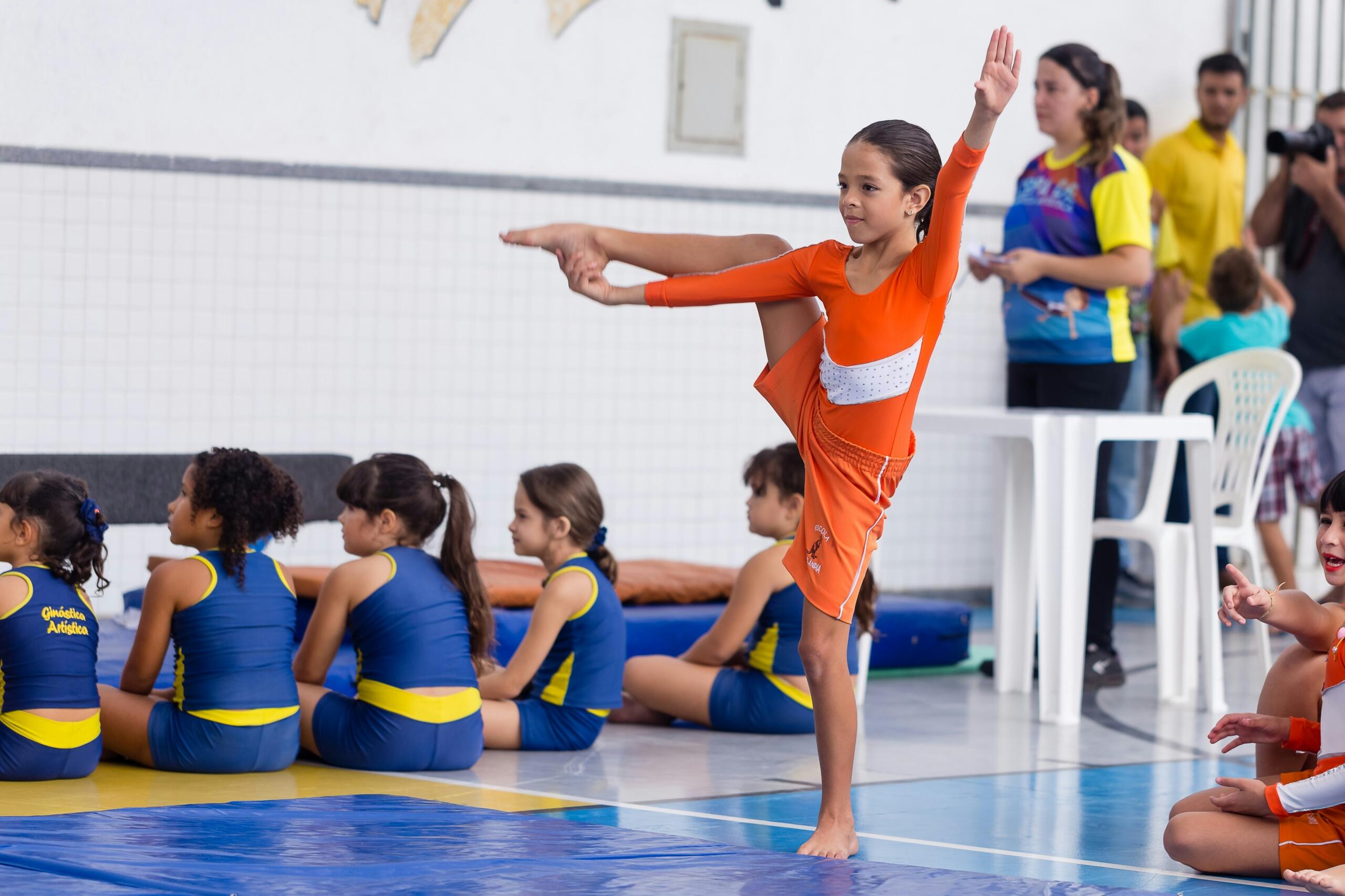
The good news is that over time, even simple exercises can produce impressive improvements in strength and confidence.
At What Age Should I Start?
LIke anything, there is an optimum age to get started. The table below gives an indication of the ideal age to start each gymnastics discipline.
| Discipline | Typical Beginner Age |
|---|---|
| Women's Artistic Gymnastics | 4–7 years |
| Men's Artistic Gymnastics | 4–7 years |
| Rhythmic Gymnastics | 5–7 years |
| Trampoline & Tumbling | 6–8 years |
| Aerobic Gymnastics | 6–8 years |
| Acrobatic Gymnastics | 6–8 years |
| Parkour | 6–8 years |
| Gymnastics for All | Any age |
These ages are general guidelines rather than strict requirements, and it is never too late to discover gymnastics. The most important consideration is choosing a discipline and starting level that are appropriate for the individual’s age, ability and goals.
The Choice Between Recreational and Competitive Pathways
When comparing the available types of gymnastics lessons, the important thing is to consider both your interests and long-term goals. Do you want to compete or simply learn gymnastics for enjoyment? Here's a glimpse of what each path entails.
Recreational Pathway
- Focus on enjoyment
- General fitness
- Flexible schedules
- Skill development
- Suitable for all ages
Competitive Pathway
- Focus on performance
- Structured training
- Regular competitions
- Advanced progression
- Requires greater commitment
Remember that you do not need to become an elite athlete to enjoy gymnastics. Many people take up gymnastics classes simply because they enjoy learning new skills and staying active.
Understanding the Structure of Gymnastics in South Africa
One of the great advantages of gymnastics is its versatility. It's where young children can develop physical literacy and confidence, while competitive athletes can pursue advanced training and national competition opportunities. Of course, for recreation, the benefits of improved fitness, awareness and discipline are also available.
If you are wondering whether gymnastics schools in South Africa are open to those who want to learn gymnastics for beginners, the answer is almost certainly yes! There are programmes available for toddlers, school-age learners, and adults.
Gymnastics South Africa is the official national governing body and oversees the development of the sport in South Africa. Some of its responsibilities include:
The organisation works alongside provincial structures to support clubs and athletes throughout the country. Whether you are training recreationally or competitively, affiliated clubs generally follow recognised safety and coaching standards.
What Gymnastics Competition Opportunities Exist in SA?
For gymnasts who want to take their training further, competitive gymnastics provides opportunities to test skills in organised events and progress through different levels of the sport. Competition structures vary according to the gymnastics discipline and level, but athletes can progress from local events to provincial and national competitions.
If you want to progress beyond recreational enjoyment, these are your options.
For many gymnasts, local or district-level events can provide an introduction to competition. These events give gymnasts an opportunity to perform in a structured environment, gain competition experience and work towards their next level of development.
Provincial competitions provide opportunities for gymnasts to compete at provincial level and gain further experience in a structured competitive environment. Qualification and progression requirements vary according to the discipline, age group and competition structure.
For gymnasts who progress through the relevant competitive structures, national-level competitions provide an opportunity to compete against gymnasts from across South Africa. Qualification requirements and competition structures vary between disciplines and age groups.
Talent Identification Programmes
Competition is not the only way that gymnasts can be identified for further development. Talent identification and development initiatives can provide opportunities for gymnasts who show potential to receive additional coaching, support or development opportunities.
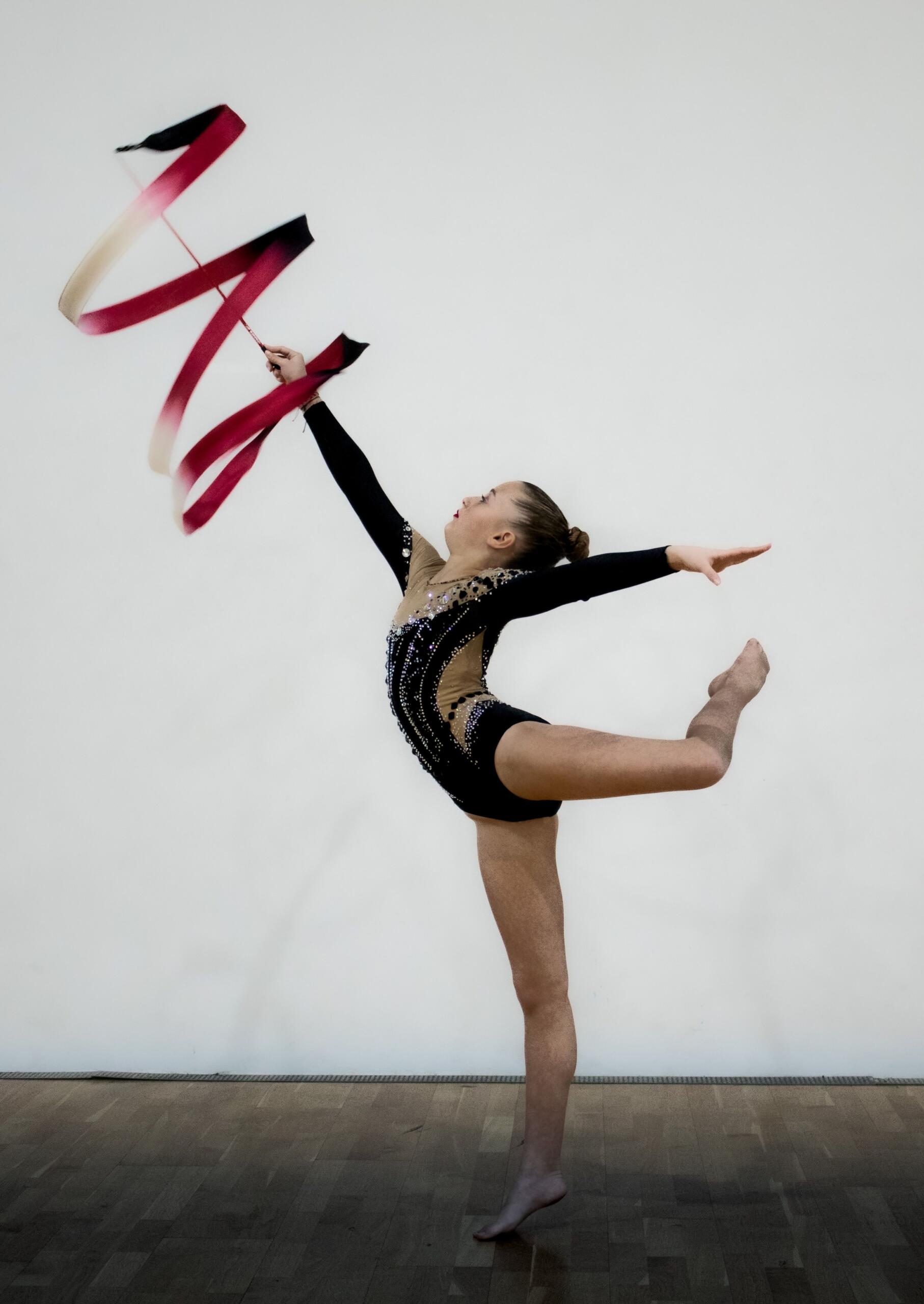
These programmes may differ between disciplines and programmes, and selection is generally based on the relevant criteria, which may include factors such as age, skill level, performance and development potential.
For beginners, competition does not need to be the immediate goal. Building fundamental movement and gymnastics skills, developing strength, flexibility, coordination and body awareness, and gaining experience in an appropriate training and competition environment are important parts of long-term development.
Progress should take place at a pace that is appropriate for the individual gymnast and their stage of development.
As gymnasts gain experience and develop their skills, they may choose to take part in increasingly structured competitive opportunities. For some, this can provide a pathway from introductory participation to club, provincial and national-level competition, while others may continue to participate primarily for enjoyment, fitness and personal development. The pathway will vary according to the gymnast's discipline, age, goals, performance and the opportunities available through their club and provincial structures.
Gymnastics Benefits Beyond the Competition Arena
Gymnastics is not limited to aspiring elite athletes. Local recreational classes allow people to participate without necessarily pursuing competitive gymnastics. Training can be adapted to different ages, experience levels and individual goals, with progression based on the participant's abilities. Here are some of the areas you can develop thriugh gymnastics lessons:
Gymnastics involves movements that require strength, flexibility, balance, coordination and control. Regular training can help develop these physical attributes progressively, depending on the exercises and level of training.
Gymnasts learn to control their bodies while moving through different positions and sequences. Practising these movements develops balance and coordination, as well as an awareness of body position.
Gymnastics training includes exercises that develop strength and flexibility. Strength work can involve the arms, legs and core, while stretching and mobility exercises can help improve range of movement.
Learning a new gymnastics skill requires practice and repetition. Working towards specific skills can help participants develop patience and discipline, while mastering movements can provide a sense of achievement.
For beginners in particular, the emphasis is usually on developing fundamental movement skills before attempting more advanced techniques. This makes gymnastics a structured way to improve physical abilities while learning at an appropriate pace.
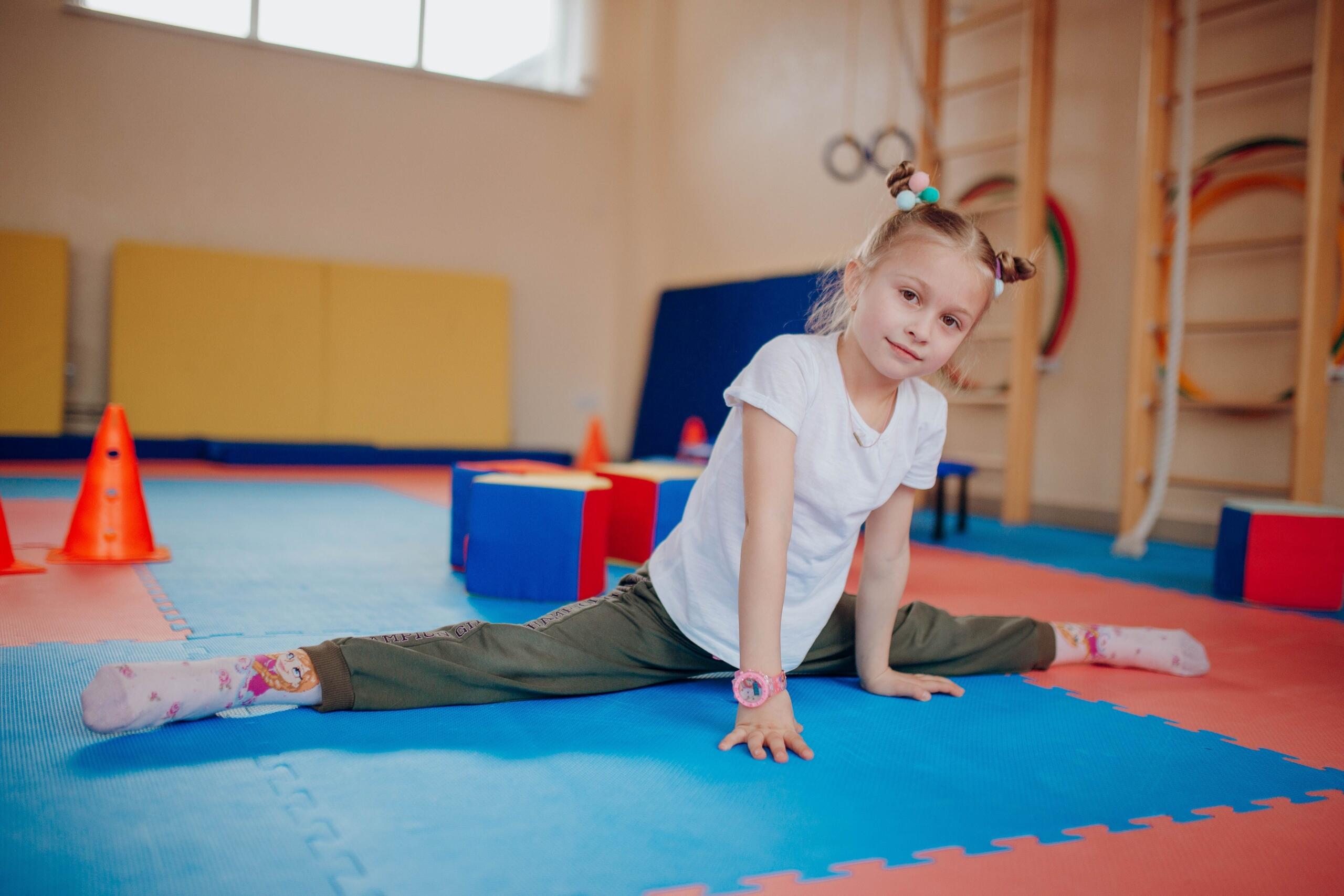
Whether your goal is to compete, improve your fitness or simply learn new movement skills, gymnastics offers opportunities to develop well beyond the competition floor.
Today, these qualities are synonymous with gymnastics in South Africa, reflecting growing awareness of these broader benefits.
Getting Started Today
If you are ready to begin, start by researching local clubs, attending a trial session, or speaking with a qualified coach. Whether your goal is fitness, recreation, or competition, there are opportunities available throughout the country.
The variety of types of gymnastics means you can find a discipline that matches your interests and abilities, but bear in mind that understanding how to do gymnastics safely from the beginning can help you enjoy long-term progress.
From artistic routines and rhythmic performances to trampoline and acrobatic events, this is a sport that offers something for almost everyone. So if you want to develop strength, flexibility, confidence, and discipline, while providing opportunities for both recreational enjoyment and competitive achievement, why not find the right coach and get started?
The time is now, as participation grows, improved facilities, and increasing support from Gymnastics South Africa, the future of gymnastics in South Africa looks brighter than ever.
References
- World Gymnastics: https://www.gymnastics.sport/site/
- Gymnastics South Africa: https://gymnasticssa.co.za/
Summarise with AI:
Enjoyed this article? Leave a rating!

 Loading...