
One of the most valuable gifts we could ever give to children is the thirst for knowledge and learning. This is especially true when it comes to learning languages.
In the interconnected world in which we live, the ability to speak multiple languages can foster understanding of different cultures, and open many doors.
If you're thinking about introducing your child to German, read on, as we share some tips and tricks about teaching your child German.


How Your Child Will Benefit from Learning German
Learning German will provide your child with many benefits, including the following:
- Perseverance and discipline. German has a very different grammar structure to English, with noun genders and quite complicated conjugation rules. It can therefore be challenging to learn. By overcoming these obstacles, children will learn patience, develop a strong work ethic, and learn the benefits of perseverance.
- Enhanced cognitive abilities. Research shows that bilingual children have better memory retention, improved problem-solving skills, and demonstrate enhanced creativity. Learning the unique noun classes and grammar rules of German will enhance your child's cognitive flexibility and exercise their brain.
- Heightened sense of empathy and cultural sensitivity. By being exposed to the traditions, history and literature of German society, children will gain a deeper understanding of cultural differences and more understanding of and empathy towards people who come from different backgrounds.
How to Teach Kids German - Tips and Strategies
The best time to start teaching a child German, or any additional language, is during early childhood. Studies show that children's brains are highly receptive to new patterns and sounds, giving them a natural ability to learn languages. Below are a few tips for making the learning process more enjoyable, yet still effective:
- Begin with basic words: Start teaching your child simple words and phrases that are related to objects they encounter in day-to-day life, along with common greetings and expressions.
- Use props and visual aids: Using visual aids like flashcards, charts, posters, videos, and interactive games will reinforce vocabulary and make learning more engaging and fun.
- Create a language-filled environment: Ensure that your child is surrounded by German language materials like music, books, TV shows, and movies. This will help them learn new German vocabulary in an informal way.
- Keep lessons interactive: Encourage your child to actively participate in German lessons by incorporating fun activities such as singing, storytelling, and role-playing. These activities will help your child develop their speaking and listening skills, and may boost their confidence too.
- Make the most of technology: Use the power of technology to your benefit. There are many educational websites and apps available that cater to teaching children German.
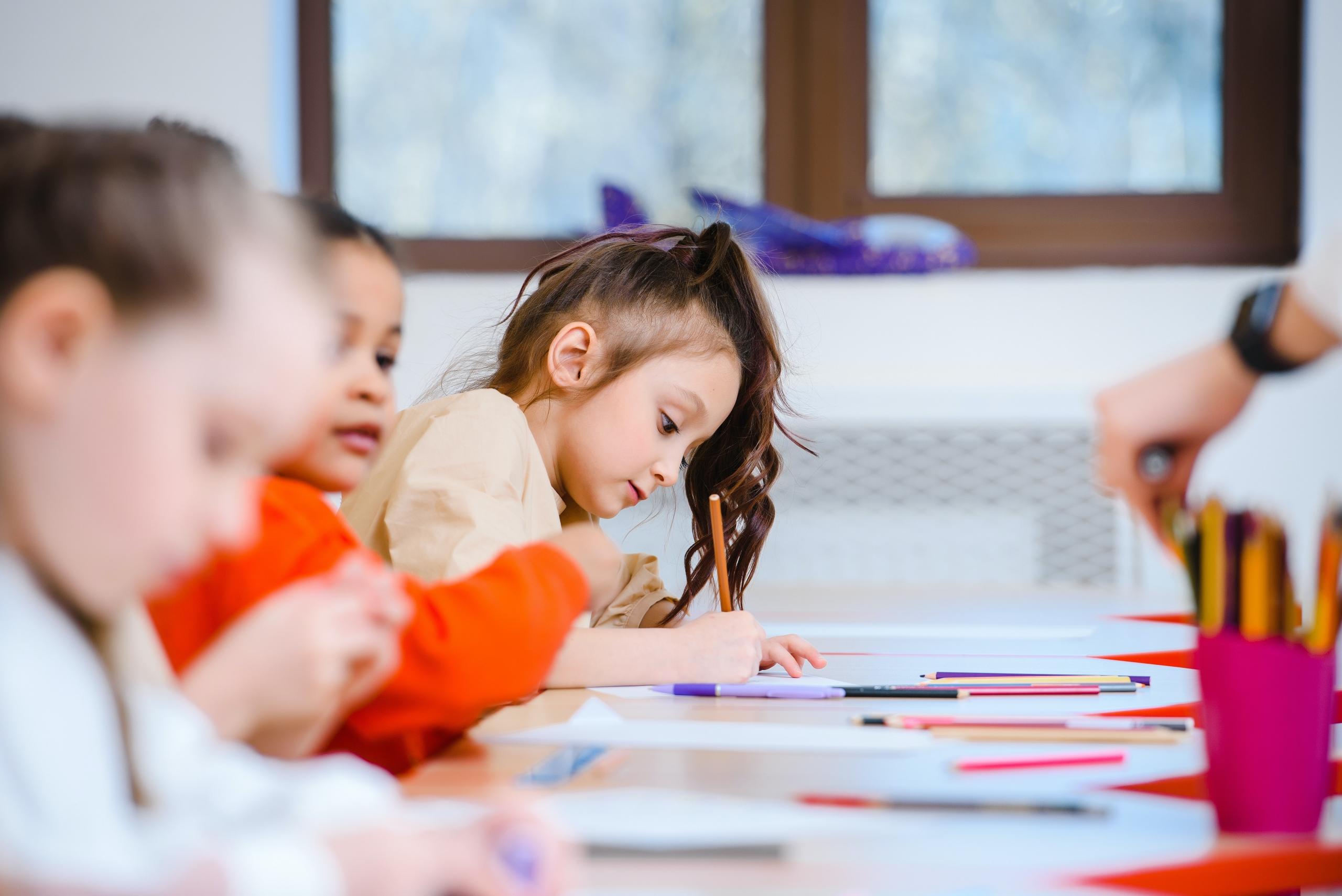
By employing these strategies, you can create a stimulating and immersive environment that fosters your child's German language learning journey.
Incorporating Fun and Interactive Activities in German Language Learning
If you incorporate fun, interactive activities into your lessons, learning German will be enjoyable for your child. Below are some ideas to make the language learning process more engaging and exciting:
- German language-learning buddies: You could organise playdates with other children who are learning German and encourage them all to speak German while playing. This will give your child the opportunity to practise their German language skills in an informal social setting.
- German cooking classes: Find a German recipe book, and prepare some simple German dishes with your child. This activity will both expose them to German culture and reinforce vocabulary related to utensils, ingredients, and cooking terminology.
- Read German stories: Read German books to your child and ask them questions about what they understood. You could even ask them to retell the whole story to you in their own words. By doing this their vocabulary, listening comprehension, and storytelling skills will be developed.
By incorporating diverse activities into your child's German learning journey, you will be reinforcing important language concepts whist offering your child the opportunity to participate in a fun activity.
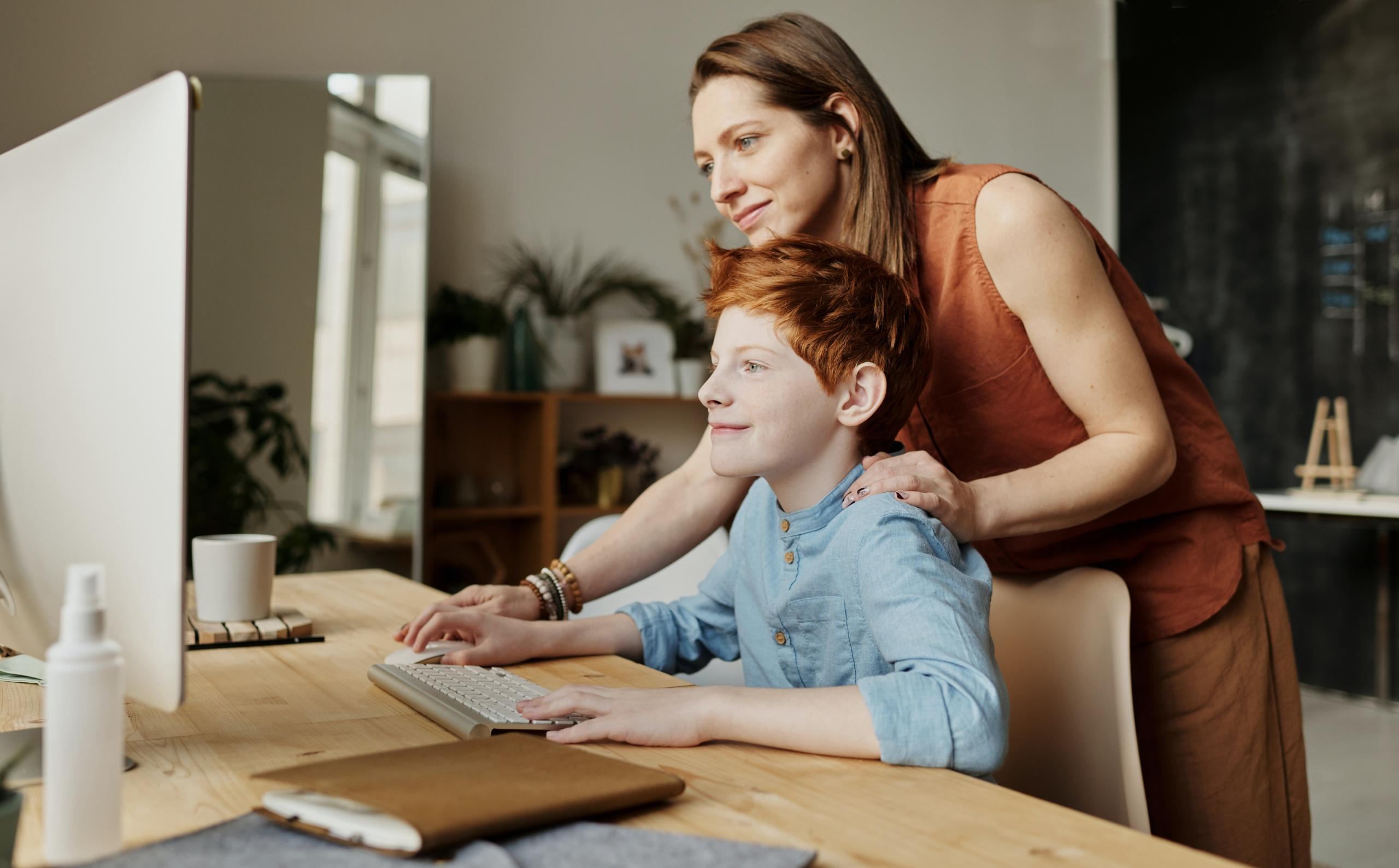
Websites, Apps, Books and Other Resources for Teaching Kids German
You might be surprised by how many helpful resources are available online for teaching children German. Of course, there is also a plethora of children's stories in German. Here are some of the resources we recommend:
Websites:
- Blinde-kuh.de: This website is a child-friendly search engine entirely in German. It offers resources, including games, news, and videos, that are tailored to different age groups.
- DinoLingo: This online platform provides animated videos and interactive lessons that teach German to children through storytelling.
- The German Project: This website offers free online lessons and a selection of German stories with accompanying audio, along with the option to view the English translations of the story text.
Apps:
- Mindsnacks: This app boasts incredible animation and graphics, and presents different challenges for the learner to master. We're sure your child will be hooked.
- DuoLingo: Your child will work through different lessons themselves, earning hearts for correct answers or losing them for incorrect answers. When your child successfully completes a lesson, they will earn rewards that can be used in the DuoLingo shop.
- Busuu: This app allows you to connect with native German speakers from around the world, and offers audio-visual lessons.
Books:
- “Das kleine Ich bin ich” by Mira Lobe
- “Die kleine Raupe Nimmersatt” by Eric Carle
- “Aufruhr im Gemüsebeet (Pettersson und Findus)” by Sven Nordqvist
- “Eine Woche voller Samstage” by Paul Maar
- “Tintenherz” by Cornelia Funke
Creating a German Language Learning Environment at Home
We would encourage you to create an immersive German language learning environment at home. Here are some suggestions of how to do this:
- Play German music: Play German songs in your home, while your child is engaged in creative activities or even at mealtimes. This will expose them to the rhythm and intonation of the language.
- Label household objects: Label objects in your home with their German names. This will help reinforce their vocabulary.
- Set up a German reading corner: Dedicate a corner of your home to reading German content. Display a selection of German books, comics and magazines that your child can leaf through during their leisure time.
- Watch German TV and movies: Incorporate German shows and movies into your child's allotted screen time. This will expose them to the German language in a relaxed and entertaining way.
- Organise a language exchange: If there are native German speakers in your neighbourhood, try to arrange language exchange sessions with them. This will give your child the opportunity to put their German conversation skills to practice with native speakers.
Challenges in Teaching Kids German
Teaching a child to speak German will no doubt present you with some challenges. However, these challenges can be overcome with the right approach. Below are some common language-learning challenges and tips for overcoming them:
- Lack of motivation: Try to make the learning process as engaging as possible, by incorporating interactive games and other fun activities into it, along with rewards for achieving goals. Make sure to celebrate your child's progress and milestones, as this will boost their motivation for learning German.
- Difficulties with pronunciation: German's guttural sounds can be challenging for English speakers. Where possible, encourage your child to listen to native speakers, and help them practise their pronunciation using online resources. Don't forget to provide them with positive reinforcement for their efforts.
- Limited exposure to native speakers: Even if there are no native German speakers in your neighbourhood, you can access online resources such as online tutors and language exchange platforms with German speakers.
- Time constraints: Having to balance school and extramural activities with German language learning can be challenging for any child. Try to implement a fixed schedule and integrate German learning into your child's daily routine to ensure that they practise regularly.
- A lack of confidence: Create a supportive and non-judgmental learning environment where your child is encouraged to make mistakes. This will help them feel more comfortable practising their German skills.
You can help your child progress on their German language journey and overcome obstacles by putting strategies in place to minimise their impact and addressing challenges as they arise.
How to Find German Language Classes for Kids
If you don't feel comfortable teaching your child German at home, you could hire a private German tutor or enrol them in German language classes. Here are some suggestions for finding German lessons for your child:
- Ask for recommendations: Ask your friends, family, colleagues or other parents at your child's school for recommendations of German classes. Personal experiences can help to give you peace-of-mind about the quality of the teaching.
- Explore local language schools: Look for German cultural centres or language schools that offer German lessons in your neighbourhood. Visit the facilities, speak with teachers, and read reviews to assess the suitability of the programme for your child.
- Online tutoring platforms: Check out online tutoring platforms like Superprof that can connect your child with German tutors based in South Africa or abroad. These platforms will offer you detailed information on each tutor, flexible scheduling options, and the possibility to read reviews left by former students.
- Community resources: Check in with local schools, community centres, libraries, or even universities to see if they offer any German language learning programmes or other resources specifically designed for children.
When choosing a German tutor or lessons, be mindful of factors such as the class size, teaching approach of the instructor, and the cost. You should also include your child in the decision-making process to ensure that they will be comfortable in their new learning environment and enthusiastic about lessons too.
Learning German will be an asset to your child. With additional language skills and an enhanced cultural understanding, they will have some of the essential tools needed to thrive in the modern world.
Summarise with AI:
Enjoyed this article? Leave a rating!

 Loading...