The important thing is to never stop questioning.

Albert Einstein

From the smallest cells to complex ecosystems, science helps us understand how living things function, grow, and interact. Whether you’re fascinated by the human body, animals, or plants, this is a field that opens the door to discovery. For the curious mind, it connects everyday observations to deeper scientific principles that shape our world.

Think you know your way around cells, systems, and species? This quiz is your chance to explore key concepts and challenge your understanding in a fun and engaging way. Let’s see how much you really know!

Quizzes

Quizzes :
Exploring Life: Biology Test for Curious Minds
01
10
Q1- What is photosynthesis?
Go to next quiz slide button
02
10
Q2- What is the main function of red blood cells?
Go to previous quiz slide buttonGo to next quiz slide button
03
10
Q3- Which cell structure is responsible for energy production in animal cells?
Go to previous quiz slide buttonGo to next quiz slide button
04
10
Q4- Which chemical element is essential for protein formation?
Go to previous quiz slide buttonGo to next quiz slide button
05
10
Q5- What is DNA?
Go to previous quiz slide buttonGo to next quiz slide button
06
10
Q6- Where in the cell does protein synthesis take place?
Go to previous quiz slide buttonGo to next quiz slide button
07
10
Q7- What type of cell has no nucleus?
Go to previous quiz slide buttonGo to next quiz slide button
08
10
Q8- Which of the following statements about viruses is true?
Go to previous quiz slide buttonGo to next quiz slide button
09
10
Q9- What is the cell division that results in genetically identical daughter cells called?
Go to previous quiz slide buttonGo to next quiz slide button
10
10
Q10- Which organ is responsible for filtering waste from the body and producing urine?
Go to previous quiz slide buttonGo to next quiz slide button
You have answered all the questions!
Go to previous quiz slide button
%
Quiz results for other readers (%)
Start again
Share the quiz
Share on Facebook
Facebook
Share on WhatsApp
WhatsApp
Share on X
X
The best Biology tutors available
Leseli
5
5 (7 review/s)
Leseli
R230
/h
Gift icon
1st lesson free!
Joshua
5
5 (5 review/s)
Joshua
R300
/h
Gift icon
1st lesson free!
Zenzele
4.9
4.9 (8 review/s)
Zenzele
R185
/h
Gift icon
1st lesson free!
Tina
5
5 (11 review/s)
Tina
R200
/h
Gift icon
1st lesson free!
Jenny
5
5 (10 review/s)
Jenny
R350
/h
Gift icon
1st lesson free!
Primerose
5
5 (13 review/s)
Primerose
R200
/h
Gift icon
1st lesson free!
Sibusisiwe (pamela nontobeko)
5
5 (9 review/s)
Sibusisiwe (pamela nontobeko)
R250
/h
Gift icon
1st lesson free!
Andiswa
5
5 (8 review/s)
Andiswa
R150
/h
Gift icon
1st lesson free!
Leseli
5
5 (7 review/s)
Leseli
R230
/h
Gift icon
1st lesson free!
Joshua
5
5 (5 review/s)
Joshua
R300
/h
Gift icon
1st lesson free!
Zenzele
4.9
4.9 (8 review/s)
Zenzele
R185
/h
Gift icon
1st lesson free!
Tina
5
5 (11 review/s)
Tina
R200
/h
Gift icon
1st lesson free!
Jenny
5
5 (10 review/s)
Jenny
R350
/h
Gift icon
1st lesson free!
Primerose
5
5 (13 review/s)
Primerose
R200
/h
Gift icon
1st lesson free!
Sibusisiwe (pamela nontobeko)
5
5 (9 review/s)
Sibusisiwe (pamela nontobeko)
R250
/h
Gift icon
1st lesson free!
Andiswa
5
5 (8 review/s)
Andiswa
R150
/h
Gift icon
1st lesson free!
Let's go!

The Building Blocks of Biology

At its core, biology explores the structure, function, and evolution of living organisms. From microscopic cells to entire ecosystems, it reveals how life is amazingly interconnected. Biological sciences goes even further to examine genetics, physiology, ecology, and more so that we can understand everything from disease to environmental change.
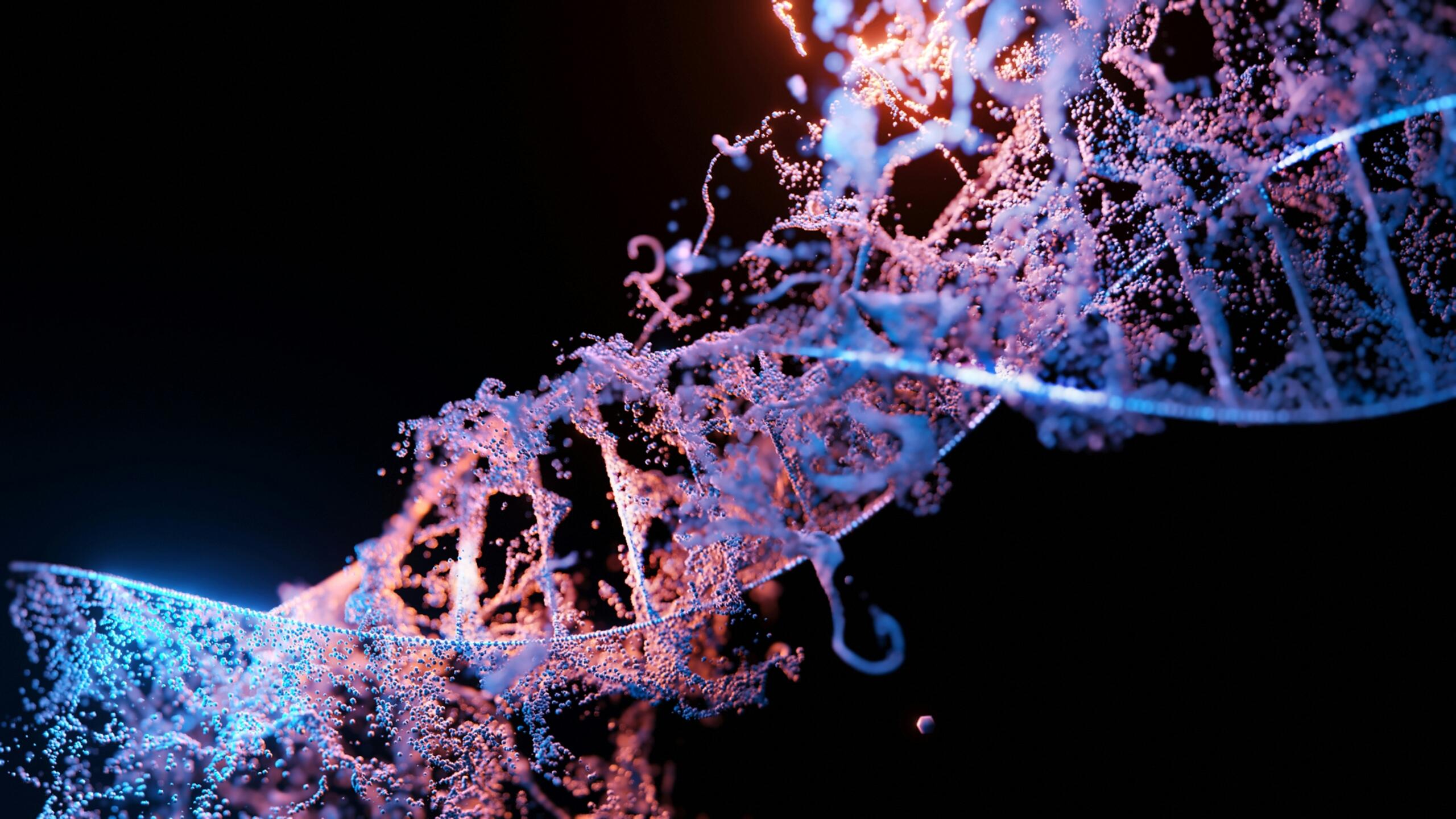
An image of DNA under a microscope.
The drama of DNA as seen under a microscope. Image Source: Sangharsh Lohakare, Unsplash

Choosing to study this field not only builds scientific knowledge but also encourages critical thinking and problem-solving skills. Whether you’re learning about DNA, human anatomy, or plant systems, each topic reveals how life adapts and thrives. T

his quiz draws from key areas within the subject and gives you a chance to test your grasp of essential concepts while uncovering just how fascinating the study of living systems can be.

Did You Know?
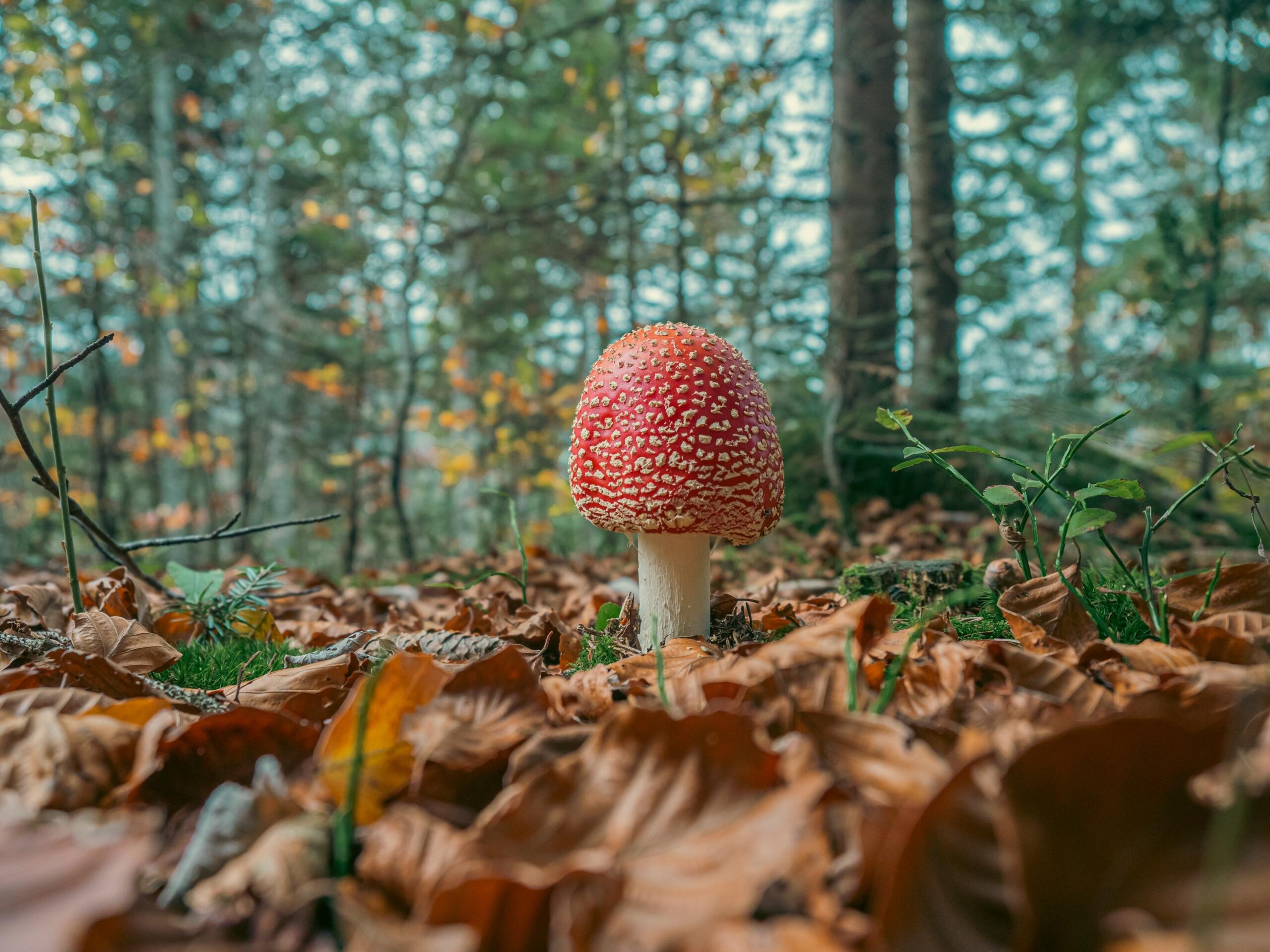
An image of the fungi family growing in the wild.
A wild mushroom stakes its claim in nature's delicate ecosystem. Image Source: Neil Macc, Unsplash
The human body contains around 37 trillion cells
DNA in a single cell can stretch up to 2 metres long
Plants communicate with each other through chemical signals
Some bacteria can survive in extreme environments like volcanoes
The brain uses about 20% of the body’s energy
Octopuses have three hearts and blue blood
Trees can live for thousands of years

Ready to Put Your Knowledge to the Test?

Ultimately, science is all around us and shapes how we understand the world and ourselves. Now it’s your turn to dive in, take the quiz, challenge your thinking, and discover just how much you know about the science of life.

Summarise with AI:

Enjoyed this article? Leave a rating!

5.00 (1 rating/s)
Loading...

Niki Jackson

Niki is a content writer from Cape Town, South Africa, who is passionate about words, strategic communication and using words to help create and maintain brand personas. Niki has a PR and marketing background, but her happiest place is when she is bringing a story to life on a page.