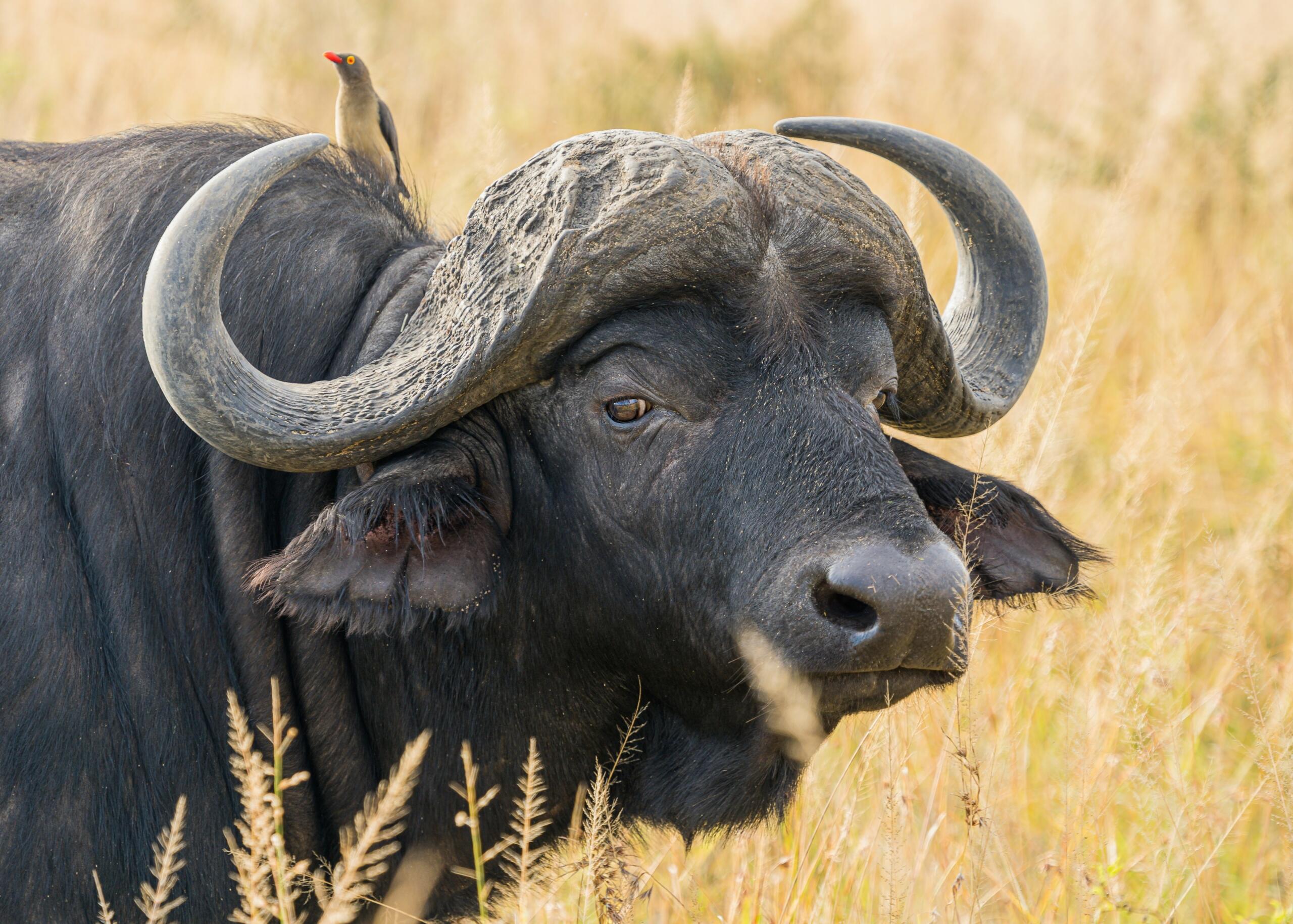

The Big Five. The phrase sounds more poetic than sounds scientific, which makes sense as it is not a biological classification. First originating during the era of big-game hunting, when lion, elephant, buffalo, leopard and rhinoceros were considered among the most difficult and dangerous animals to hunt on foot, the South African Big Five are actually a historical grouping rather than a taxonomic one!


The African Lion
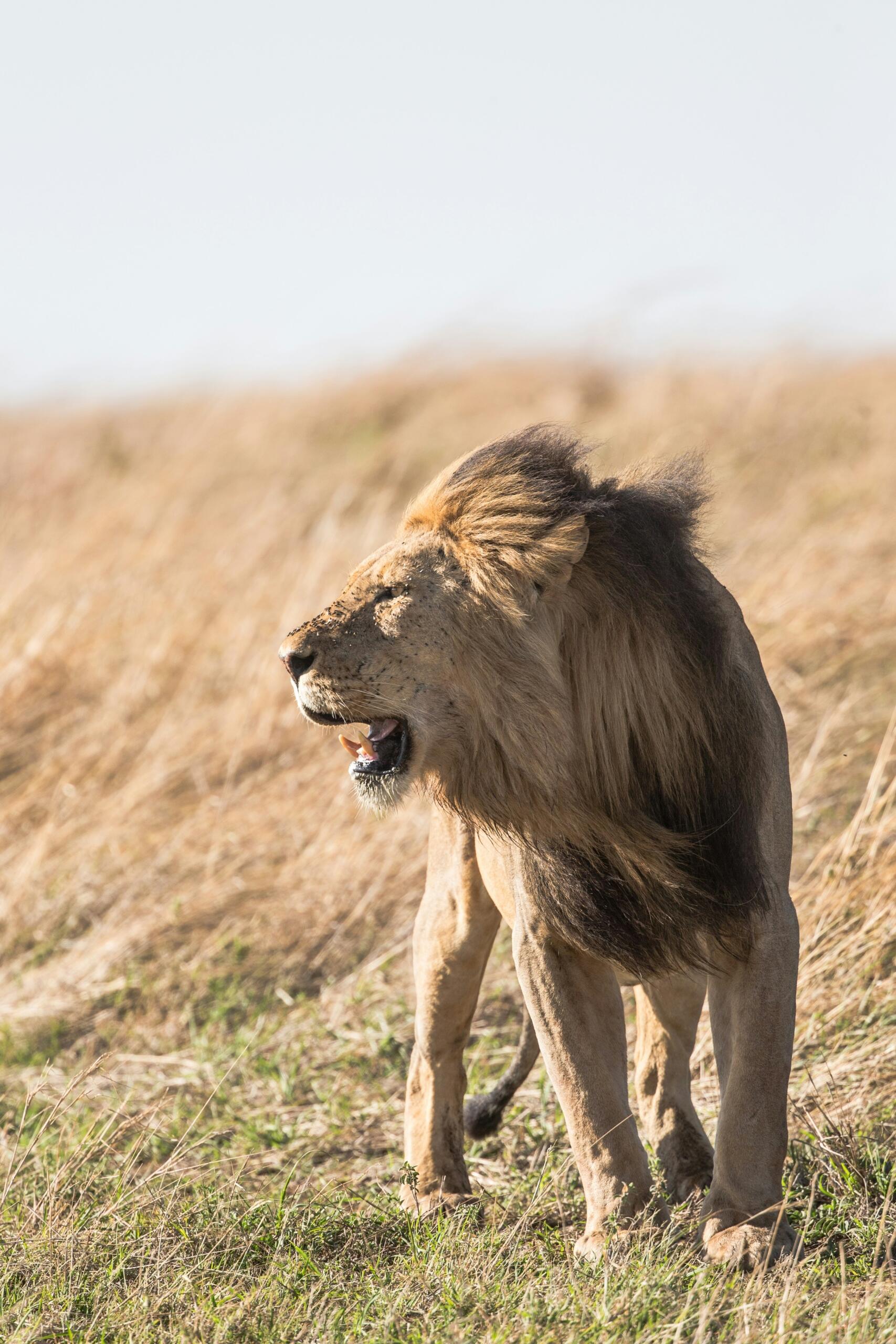
Of the five, the African lion (Panthera leo) is the most social. Lions live in prides, with females generally forming the core group while males defend territories and even form coalitions. Renowned carnivores, they hunt prey including antelope and buffalo.
Free-roaming lions in South Africa, including transfrontier zones.
As one of the big five animals in South Africa, African lions have a gestation period of about 110 days, after which a lioness gives birth to a litter of cubs.
She usually leaves the pride temporarily to give birth in secluded cover and returns the cubs to the social group once they are older. Cubs depend on the pride for protection and food during their early development.
SANParks (South African National Parks) monitors South African lions, along with other Kruger National Park animals, in protected areas in Limpopo, Mpumalanga, North West, and the Northern Cape, with important populations in Kruger National Park, Kgalagadi Transfrontier Park, Madikwe, and Pilanesberg.
SANParks currently estimates about 1,500 lions in Kruger National Park. For the African lion, South African population data remain important. Nationally, the African lion is categorised as Least Concern. Its conservation is governed by the National Environmental Management: Biodiversity Act (NEMBA) and its Threatened or Protected Species regulations.
The Department of Forestry, Fisheries and the Environment (DFFE) sets national policy, while South African National Parks (SANParks) manages major lion populations in national parks.
The African Elephant
The African elephant (Loxodonta africana) is South Africa's largest land mammal and an important ecosystem engineer. They eat grasses, leaves, bark, roots and other vegetation, which means their feeding can alter woodland structure and resources available to other species. For the African elephant, South African protected landscapes are essential.
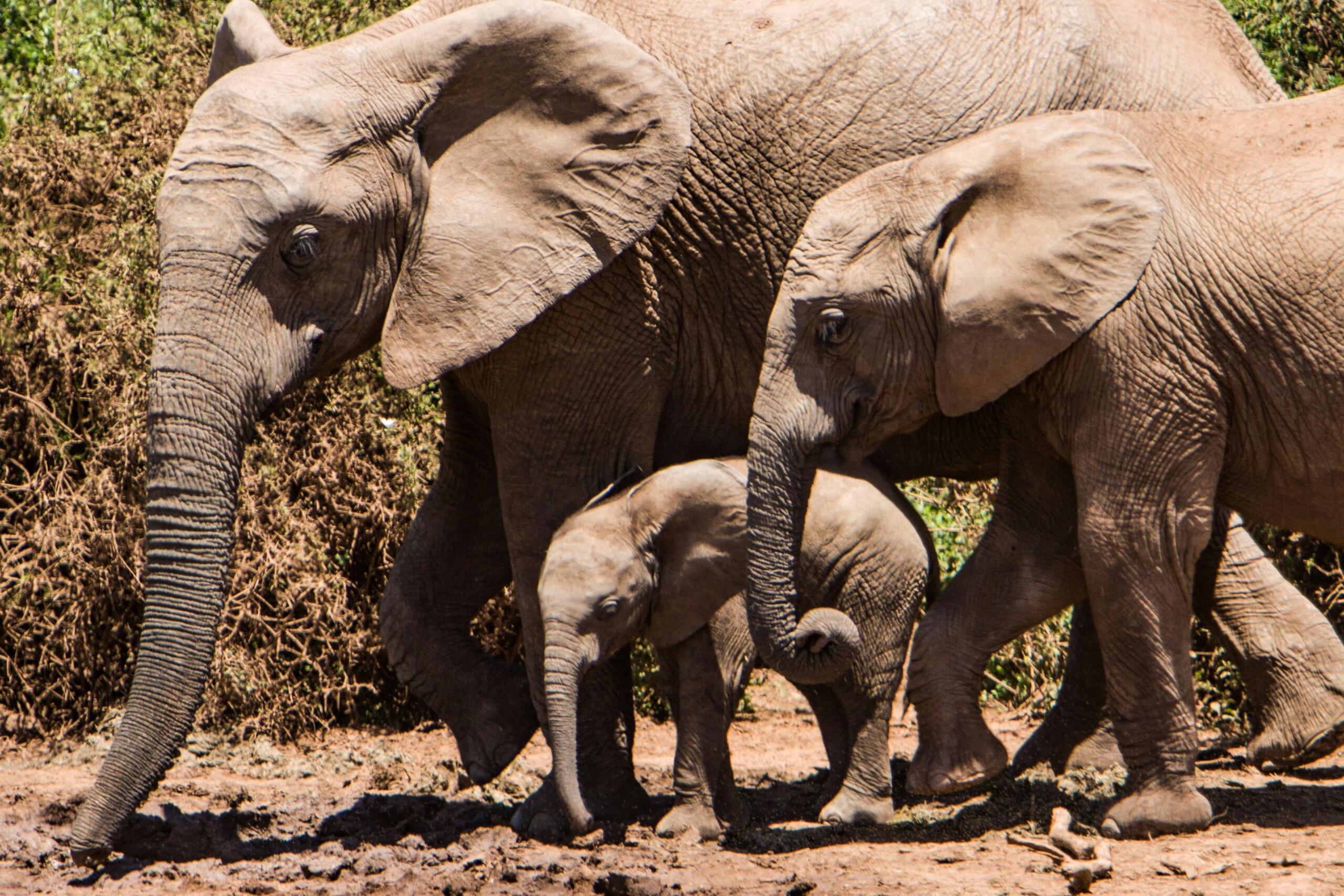
South African elephants are concentrated in protected landscapes in Limpopo, Mpumalanga, KwaZulu-Natal, and the Eastern Cape. Major populations occur in Kruger National Park (where Kruger National Park animals are monitored by SANParks) ,Addo Elephant National Park and Tembe Elephant Park.
Bear in mind that the big five animals in South Africa occupy entirely different ecological niches with differences in diet, habitat use, social behaviour and their roles within South African ecosystems.
African savanna elephants.
Of that, SANParks' 2024 estimate for Kruger National Park was between 27,260 and 33,198.
Nationally, the African elephant is categorised as Least Concern under the 2026 strategy. As with the lion, NEMBA and the national elephant strategy provide the legal and policy framework, with SANParks responsible for major national park populations.
If you want to compare this land-based conservation story with South Africa's marine wildlife, our guide to the seasonal return of southern right whales follows a different biological journey.
The Cape Buffalo
The cape buffalo (Syncerus caffer) is a large herbivore and primarily a grazer. They can form large herds, although adult males may spend time in smaller groups.
In South Africa, buffalo occur in savanna, woodland and grassland habitats and important populations of the cape buffalo are found in Kruger National Park, Addo Elephant National Park in the Eastern Cape, Hluhluwe iMfolozi Park in KwaZulu Natal, Madikwe in North West and Pilanesberg.
for the Kruger National Park buffalo population
Within the South African big five, the cape buffalo is also important to wildlife disease management and SANBI's national assessment lists buffalo as Least Concern. Its management is also subject to NEMBA and applicable provincial conservation legislation, with SANParks and provincial authorities responsible for their welfare on those lands.
The Leopard
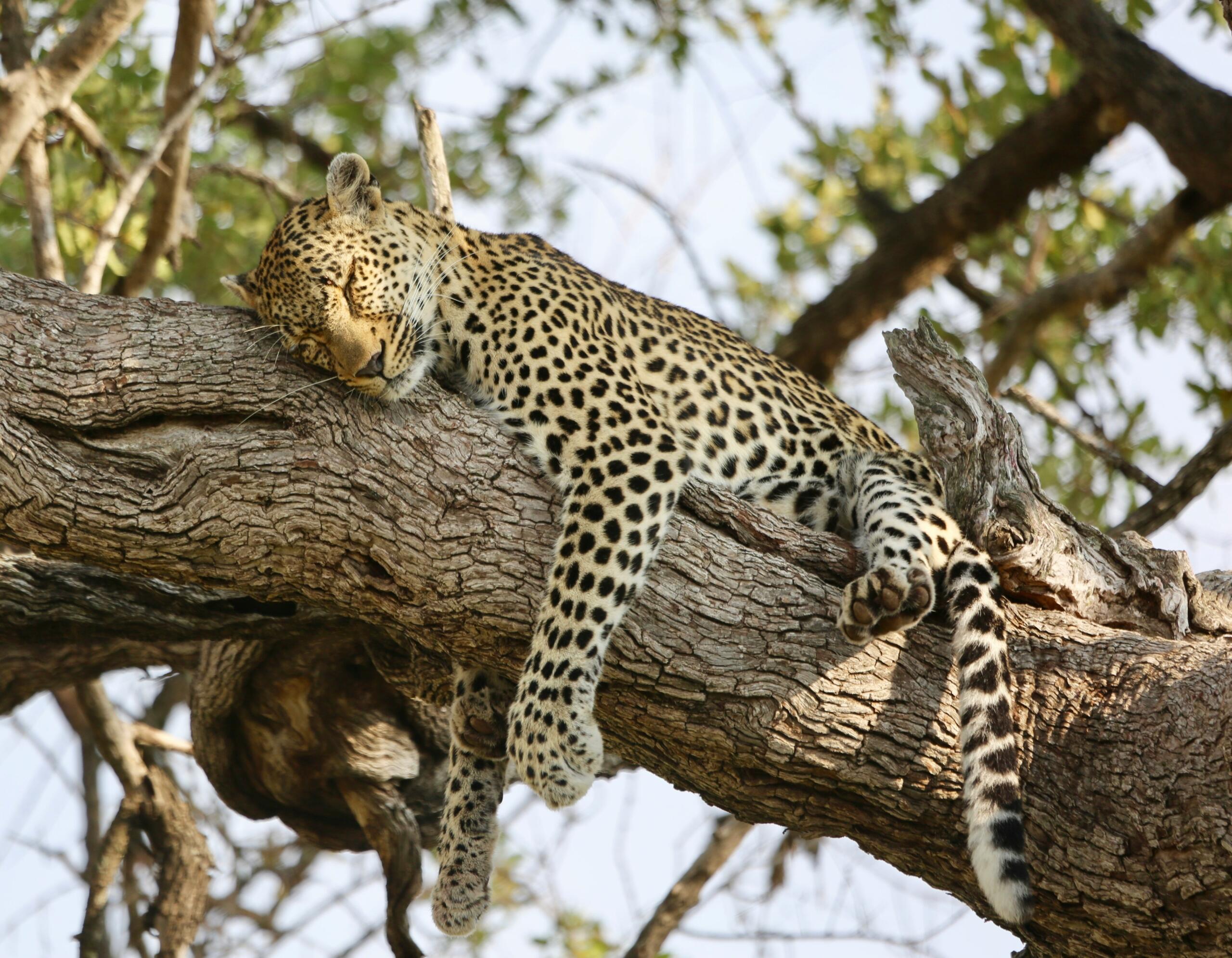
The leopard (Panthera pardus) is one of the most elusive of the South African big five. It is generally solitary and can be active at night which generally makes population surveys difficult. Leopards are adaptable predators whose prey can include small mammals, reptiles and antelope.
Females generally raise cubs alone as they teach young leopards to hunt and climb.
as the most systematic population estimate
For the big five in South Africa, leopard distribution is especially wide, with South African leopards occurring across a broad area, including Limpopo, Mpumalanga, KwaZulu-Natal, the Eastern Cape and the Western Cape. They are mostly found in protected landscapes such as Kruger National Park, where, like other Kruger National park animals, they are managed by South African National Parks (SANParks).
NEMBA and Threatened or Protected Species regulations govern restricted activities, with DFFE setting national policy and Cape Nature managing Western Cape populations.
That same emphasis on South African science continues in our guide to marine biologyand how researchers study the country's two ocean coastline.
Rhinoceros: South Africa's Conservation Challenge
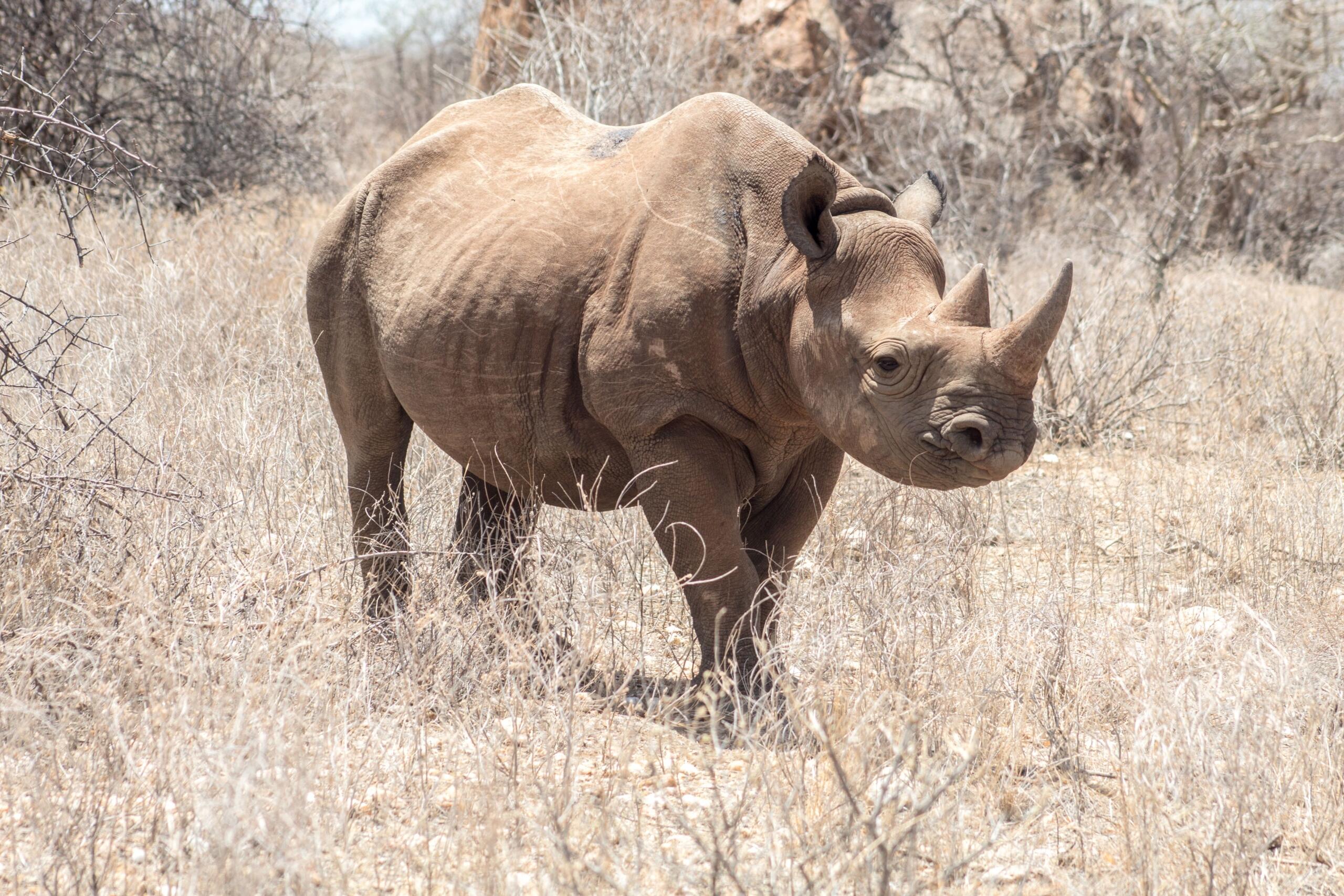
Rhinos are particularly important to South Africa's conservation story, with the country supporting significant populations of both white and black rhino and their protection has also become one of the country's most urgent wildlife conservation challenges. The two herbivore species, the white rhino (Ceratotherium simum) and the black rhino (Diceros bicornis), together are part of the South African big five.
Difference Between White and Black Rhino
The white rhino is primarily a grazer. Its broad mouth is suited to cropping grass, allowing it to use open grassland and shorter vegetation. The black rhino on the other hand is primarily a browser. Its pointed, prehensile upper lip helps it grasp leaves, shoots and twigs from woody plants.
Bear in mind that neither species has skin that is simply white or black. Rather, feeding ecology, mouth shape and habitat use are more useful distinctions.
South Africa's major rhino populations occur in Kruger National Park, Hluhluwe iMfolozi Park in KwaZulu Natal, Addo Elephant National Park in the Eastern Cape and other protected areas.
black and white rhinos
Of those, 13,991 were white rhino and 2,065 black rhino. A subsequent DFFE assessment put the national population at 14,389 in 2024. This represents a substantial change in the reported population estimate, although DFFE cautions that the decline cannot be attributed to poaching alone, with drought, reduced calving, and revised counting and sampling methods also contributing to changes in the figures.
SANParks' 2024 estimates for Kruger National Park specifically illustrate the difference between the two species, with between 1,699 and 2,843 white rhino and an estimated 199 to 358 black rhino recorded in the park.
For the big five in South Africa, this makes rhino conservation especially important. As such, the two species are covered by the revised 2026 Biodiversity Management Plan for Black and White Rhinoceros.
In addition, both are protected under NEMBA's national biodiversity framework, with DFFE responsible for the 2026 BMP and provinces and SANParks implementing aligned management plans. SANParks manages important national park populations, while Ezemvelo KZN Wildlife manages major provincial populations such as those in Hluhluwe iMfolozi Park.
DFFE reported that 352 rhinos were poached in South Africa during 2025, compared with 420 in 2024. Mpumalanga was the hardest-hit province, with 178 rhinos killed, including 175 in Kruger National Park. KwaZulu-Natal recorded 97 poached rhinos in 2025, including 63 in Hluhluwe-iMfolozi Park.
Where to Find the Big Five in South Africa
Remember that the big five animals in South Africa are not distributed evenly. Their population ranges are influenced by rainfall, vegetation, prey availability and protected habitat. This makes the big five animals in South Africa a useful way to compare ecosystems in general!
| Reserve | Province | Important Habitat |
|---|---|---|
| Kruger National Park | Limpopo and Mpumalanga | Savanna and woodland |
| Addo Elephant Park | Eastern Cape | Thicket and grassland |
| Hluhluwe Imfolozi Park | KwaZulu-Natal | Savanna and woodland |
| Madikwe Game Reserve | North West | Savanna and Kalahari vegetation |
| Pilanesberg National Park | North West | Bushveld and savanna |
| Kgalagadi Transfrontier Park | Northern Cape | Kalahari dune and dry savanna |
If you are researching Kruger National Park animals, remember that the park's wildlife is much broader than the famous five, and all are monitored by SANParks.
Conservation Status and Current Threats
Ultimately, the big five in South Africa do not share a single conservation status or management problem, and the conservation lesson is clear: these animals cannot be managed as one unit.
The Population trends, habitat, disease, human wildlife conflict and illegal killing all require different responses. The South African big five therefore need species specific plans, backed by monitoring, national law and provincial conservation work.
For wider conservation context, our guide to South Africa's endangered species explains which animals are at risk and why.
References
- South African National Parks (SANParks), Kruger National Park Wildlife Trends, 2024. SANParks Wildlife Trends PDF
- South African National Parks (SANParks), Kruger National Park Mammals. SANParks Kruger mammals
- South African National Biodiversity Institute (SANBI), Lion Species Status Assessment, 2016. SANBI Lion assessment
- Department of Forestry, Fisheries and the Environment (DFFE), South Africa commemorates World Elephant Day, 2026. DFFE Elephant Day 2026
- South African National Biodiversity Institute (SANBI), Leopard Species Status Assessment, 2016. SANBI Leopard assessment
- South African National Biodiversity Institute (SANBI), Cape Buffalo species listing. SANBI Cape Buffalo listing
- DFFE, Rhino population and poaching statistics, 2024 and 2025. DFFE Rhino statistics
- DFFE, Biodiversity Management Plan for Black and White Rhinoceros, 2026. DFFE Rhino Biodiversity Management Plan
- DFFE, Policy Position on the Conservation and Sustainable Use of Elephant, Lion, Leopard and Rhinoceros, 2024. DFFE Conservation Policy Position
Summarise with AI:
Enjoyed this article? Leave a rating!

 Loading...