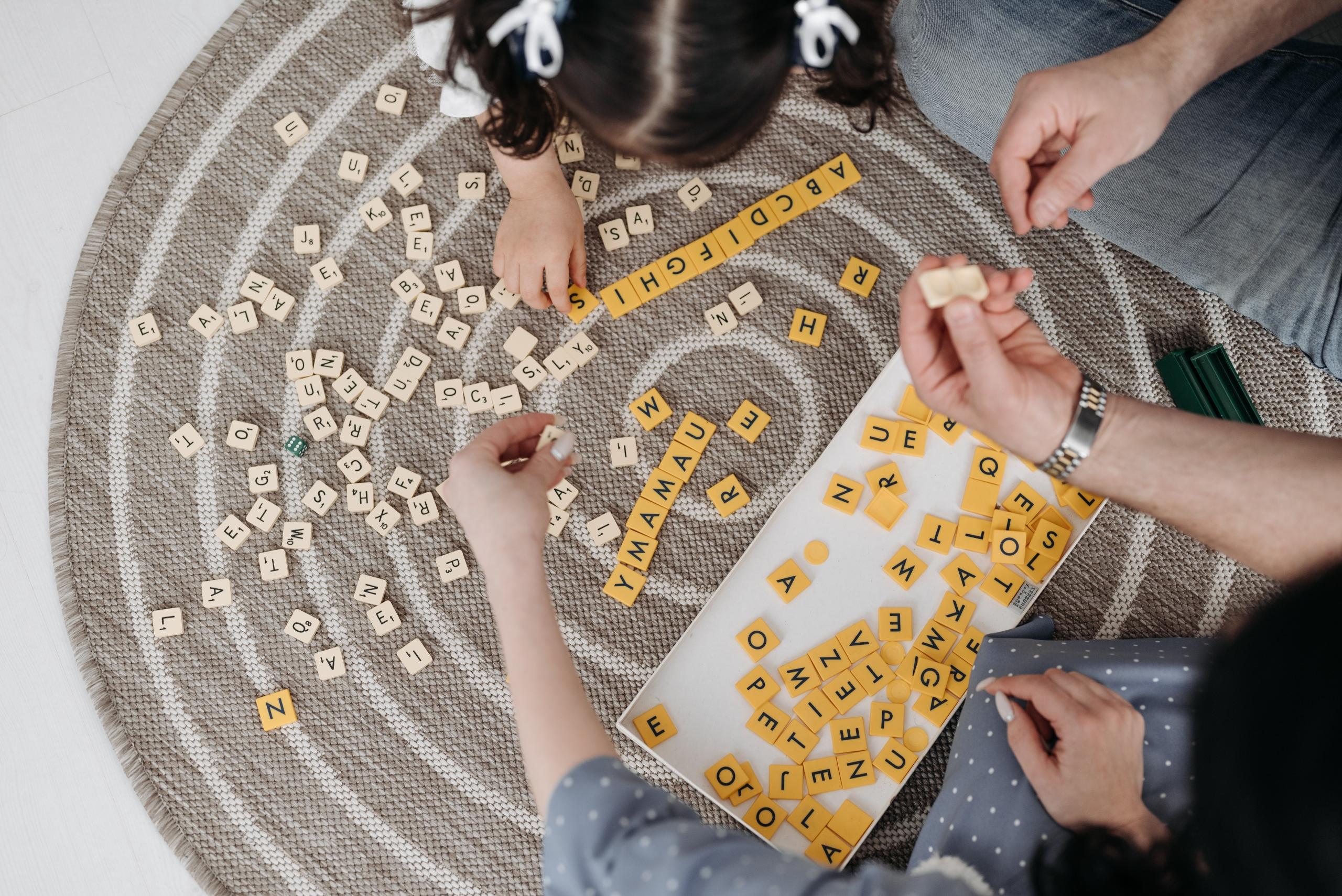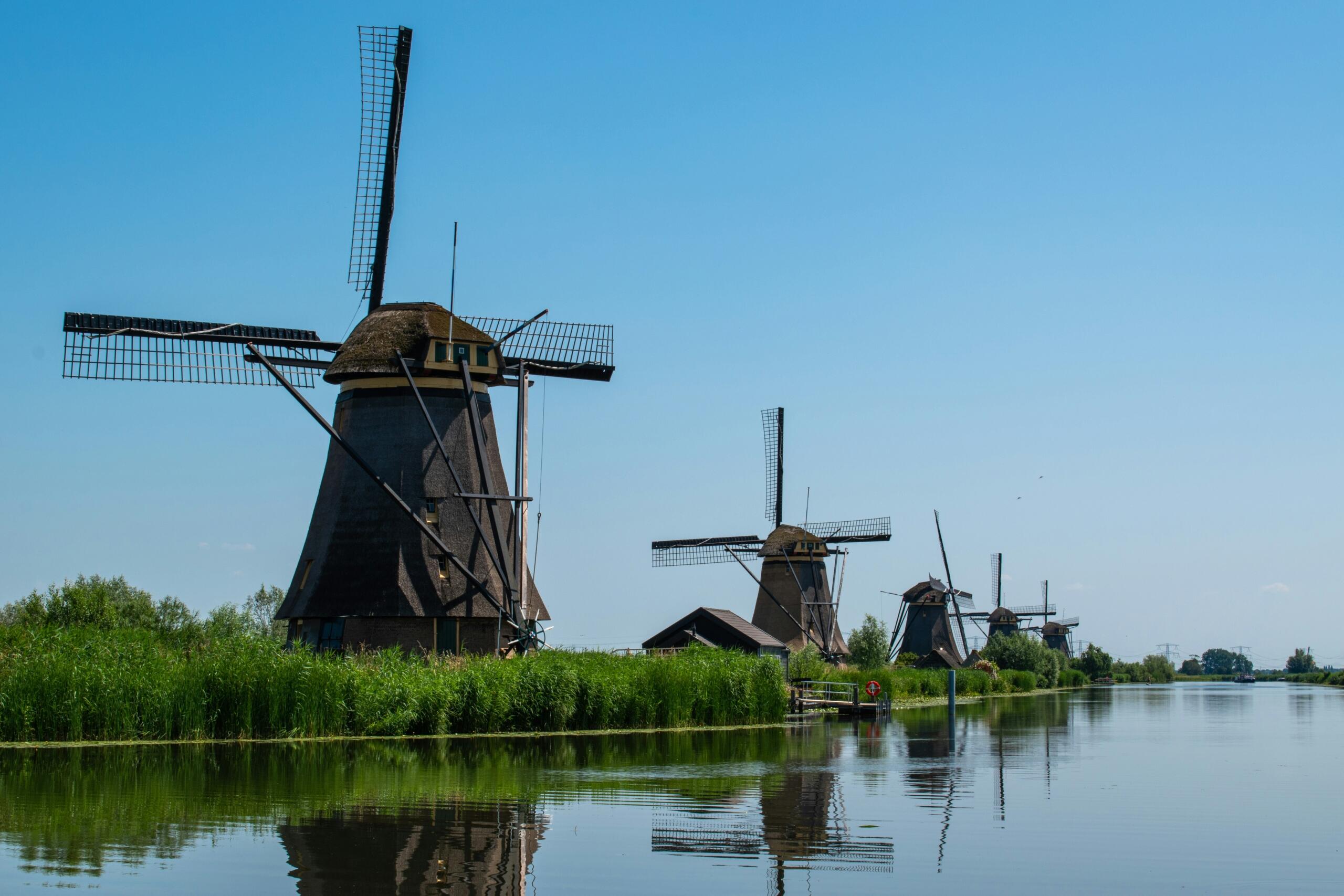

The language lives and evolves in the mouths and minds of the people who use it.
Fred Pheiffer, Afrikaans lexicographer
If you grew up in South Africa, you have probably heard Afrikaans spoken at school, in shops, on the radio, at a rugby match or around a family braai. You may even use Afrikaans words in everyday English without realising where they came from. But where does Afrikaans come from? The answer is considerably more complicated than simply saying "the Netherlands".
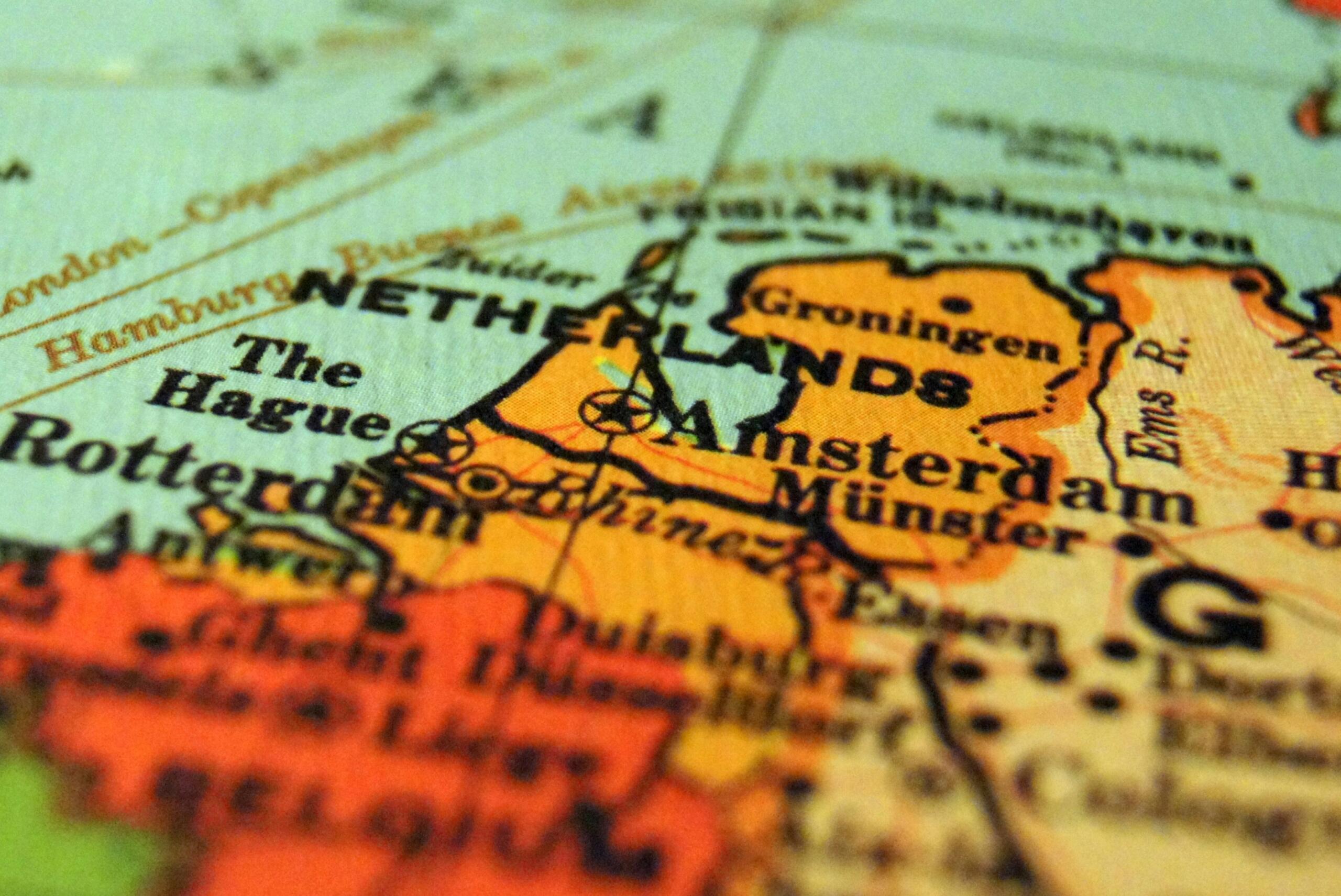
The Afrikaans origin story begins at the Cape of Good Hope in the seventeenth century, where Dutch settlers, enslaved people from Asia and Africa, Indigenous Khoekhoe communities and people from many different parts of the world came into contact.
Over generations, their languages influenced one another and contributed to the development of a distinctive Cape vernacular.
That makes the Afrikaans language something genuinely South African. So, while its European foundations are important, they are only one part of the story.
The history of the Afrikaans language is found within the history of migration, slavery, colonialism, cultural exchange and resistance. Understanding all this can also change the way you hear the language today.


A Language Born in Africa, Not Europe
To understand the question "where does Afrikaans come from," you need to travel back to 1652, when the Dutch East India Company established a settlement at the Cape under Jan van Riebeeck.
While Dutch was the main European language of the settlement, the Cape was never linguistically Dutch alone. In addition, the Indigenous Khoekhoe were already living in the region, while enslaved people were brought to the Cape from places including present-day Indonesia, Malaysia, Madagascar, Mozambique, Angola and other parts of Africa and Asia. European settlers also came from different linguistic backgrounds, including French Huguenots. This contact between everyone created conditions for language change.
The Cape's Linguistic Mix
| Influence | Contribution to the Developing Language |
|---|---|
| Dutch | The principle European foundation |
| Malay and Indonesian Languages | Vocabulary and influence through enslaved communities and Cape Muslim society |
| Khoekhoe languages | Contact influence and vocabulary |
| Portuguese | Contact and vocabulary influences |
| African languages | Later contact and vocabulary influences |
| French and other European languages | Additional influence through settlement |
While the exact balance of these influences remains a subject of linguistic scholarship, what is clear is that Afrikaans did not simply arrive fully formed from Europe. In short, as we consider Afrikaans origin, it's important to remember how Dutch provided the principal linguistic base, but that the overall Cape environment transformed the language.
The People Who Shaped Afrikaans
One of the most overlooked aspects of Afrikaans history is the contributions of enslaved people of the early Cape who came from linguistically diverse backgrounds.
As many residents of the Cape were Muslims, it is not well-known that Afrikaans was written in Arabic script by Cape Muslims during the nineteenth century. Research into Kaaps identifies Cape Muslim Afrikaans as particularly important in the formation of the language and highlights Arabic Afrikaans as an important historical record.
So, if you have ever wondered where does Afrikaans come from, remember the people whose stories were often left out of older versions of its history. Perhaps this makes the Afrikaans language much more interesting than the simplified story you may have encountered at school.
Was Afrikaans Always Called Afrikaans?
Not exactly. During the early colonial period, people used different terms for the emerging varieties of Cape Dutch. Over time, the language became increasingly distinct from European Dutch. Different varieties developed in different communities, including Cape Muslim Afrikaans and what we now call Kaaps. Let's look at Afrikaans history from the perspective of a timeline.
A Simple Timeline
1652
Dutch Colonial Settlement established at the Cape
17th and 18th centuries
Extensive language contact develops between Dutch speakers, Indigenous communities and enslaved people.
Early 19th century
Cape Muslim communities produce written Afrikaans in Arabic script.
1875
Genootskap van Regte Afrikaners is established in Paarl.
1925
Afrikaans receives official language status alongside English in the Union of South Africa.
1975
Afrikaans Language Monument opens in Paarl.
1976
Afrikaans becomes a central issue in the Soweto uprising.
1944 onwards
Afrikaans becomes one of South Africa's eleven official languages under the Constitution, alongside the country's other official languages at the time.
2023
South African Sign Language becomes the country's twelfth official language.
Kaaps: The Afrikaans Many South Africans Do Not Know
If you want to understand the modern Afrikaans language, you also need to understand Kaaps.
Kaaps is a variety of Afrikaans strongly associated with the Cape and particularly with communities on the Cape Flats. Its history is closely connected to Cape Muslim Afrikaans and the multilingual society that developed around Cape Town.

Linguist Ernst Kotzé describes Cape Muslim Afrikaans as an important part of the historical development of Kaaps and identifies Kaaps as a crucial variety in understanding the formation and ongoing development of Afrikaans.
You may hear Kaaps in areas such as Mitchells Plain, Manenberg, Athlone, Bonteheuwel and surrounding Cape communities. It can also be heard in music, comedy, literature, social media and everyday conversation.
Kaaps has its own vocabulary, expressions, pronunciation and cultural associations. It is not simply "bad Afrikaans" or Afrikaans spoken incorrectly.
For generations, varieties associated with working class and Cape communities were often treated as inferior to standard Afrikaans. Modern linguistic scholarship challenges that hierarchy and recognises Kaaps as an important variety with its own history and cultural value.
And this gives you another answer to where does Afrikaans come from: the language has never had just one face.
If you're curious about the everyday vocabulary that has travelled beyond Afrikaans itself, our next article looks at the surprisingly familiar Afrikaans words you may already be using in English without realising it.
Is Afrikaans Dutch?
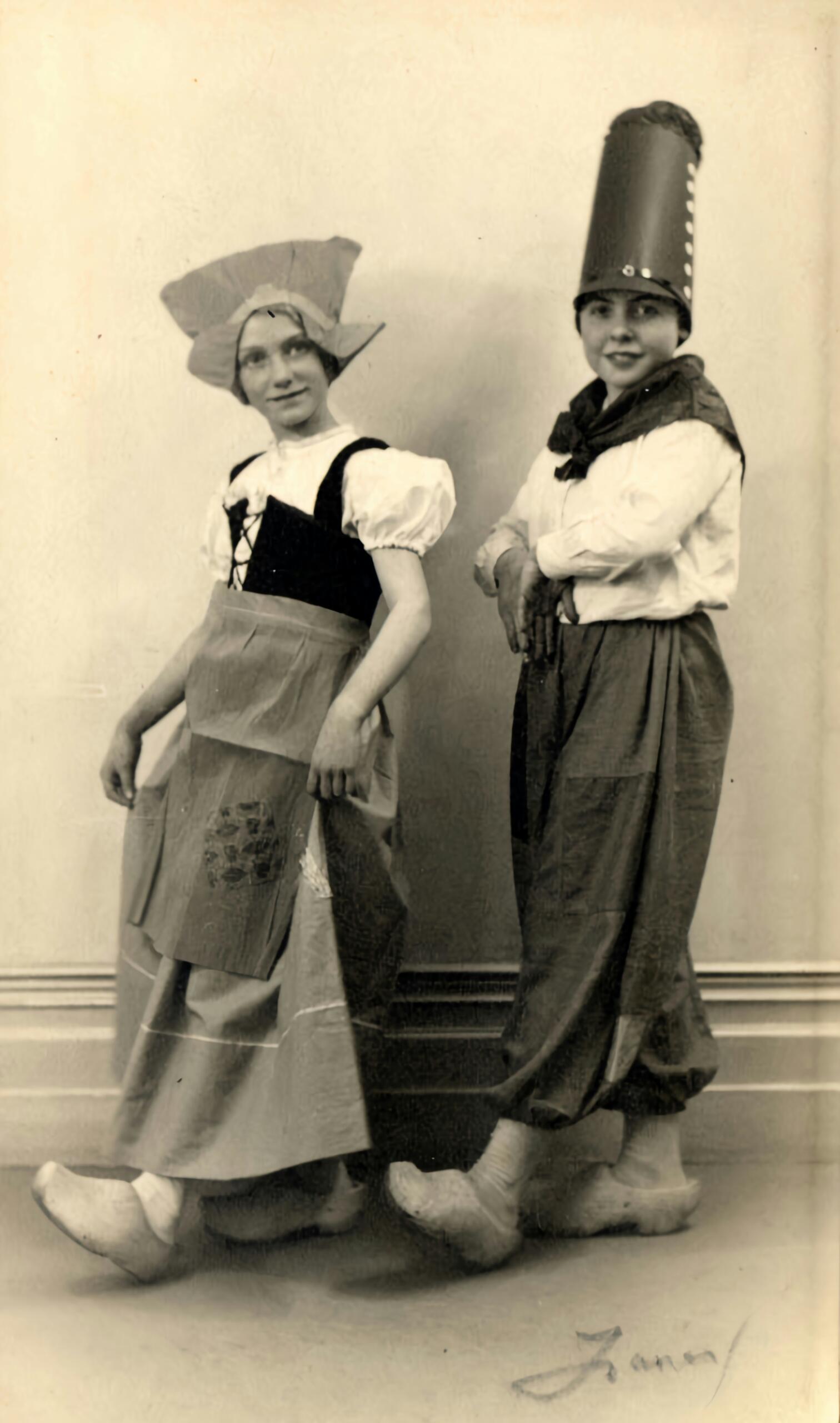
This is probably one of the first questions people ask when they encounter the language. Is Afrikaans Dutch? No, although Afrikaans developed historically from Dutch.
The relationship is similar to what you might expect when comparing related languages. Afrikaans and Dutch share a substantial amount of vocabulary, but they have developed independently for centuries.
Afrikaans also has grammatical features that distinguish it from modern Dutch. Its grammar became considerably simplified, including the loss of much of the verb conjugation found in Dutch.
Consider a few everyday examples:
| English | Afrikaans | Dutch |
|---|---|---|
| I am | Ek is | Ik ben |
| You are | Jy is | Jij bent |
| We are | Ons is | Wij zijn |
| I have | Ek het | Ik heb |
| We have | Ons het | Wij hebben |
These similarities make the relationship obvious, but the differences matter too.
So, is Afrikaans Dutch? Historically related, yes. The same language, no.
Dutch speakers may recognise a surprising amount of written Afrikaans, while Afrikaans speakers may recognise Dutch words and phrases. But mutual understanding is not perfect, and the languages have developed their own grammar, vocabulary and cultural identities.
The Afrikaans origin therefore lies partly in Dutch, but its evolution happened in a completely different environment.
How Apartheid Changed the Language's Identity
This is where Afrikaans history becomes particularly complicated.
Afrikaans was used by many different communities long before apartheid. It was a home language, a religious language, a literary language and a language of everyday communication. It was also adopted by Afrikaner nationalists as a powerful symbol of cultural identity and resistance to British cultural and political dominance.
After the National Party came to power in 1948, however, Afrikaans became increasingly associated with the apartheid state.
The apartheid government introduced policies requiring Afrikaans to be used alongside English as a medium of instruction in Black secondary schools. Students in Soweto protested against the policy on 16 June 1976. The peaceful demonstration was met with police violence and became the beginning of the Soweto uprising.
For many South Africans, Afrikaans therefore became associated with state power, forced education policies and oppression, and that history should never be minimised.
At the same time, describing Afrikaans simply as "the language of apartheid" leaves out the people who spoke it and resisted apartheid, as well as the enslaved people, Cape Muslims and working class communities who helped shape it centuries earlier.
The Afrikaans history is therefore both beautiful and painful. The language itself cannot be reduced to the political system that later used it.
This distinction is important because language belongs to its speakers. Today, Afrikaans is spoken by South Africans from many racial, cultural and religious backgrounds.
Afrikaans Today: A Living, Evolving Language
So, where does Afrikaans come from today? In a sense, it comes from everywhere South Africans continue to speak, adapt and reshape it.
speak Afrikaans at home.
This number ranks it third nationally after isiZulu and isiXhosa. The Western Cape had the highest proportion of households using Afrikaans at home, followed by the Northern Cape. That makes the Afrikaans language a major part of contemporary South Africa.
Today, it is heard in Cape Town and Paarl, in the Northern Cape, across parts of the Free State, in Gauteng and in communities elsewhere in the country. It is also spoken in Namibia and by diaspora communities outside southern Africa.
Young South Africans mix Afrikaans idiomswith English and other South African languages. Artists experiment with different varieties. Writers explore identity and history. Television, radio, podcasts and social media create new spaces for the language.
And if you want to see just how dramatically the language's identity has expanded, our article on who actually speaks Afrikaans today explores the demographics behind the language.
Why Afrikaans is More Than its Stereotypes
Perhaps the most useful way to understand Afrikaans history is to stop thinking of the language as belonging to one race, one political movement or one region.
It has been spoken by farmers and factory workers, academics and artists, Cape Muslims and Christians, rural families and urban communities. It has been used in churches, mosques, classrooms, newspapers, novels, political speeches, songs and everyday conversations.
If you listen to contemporary Afrikaans music, you may hear vocabulary and accents that would have sounded very different to someone living in the Cape in 1750.
The Story is Still Being Written

The simplest answer to is Afrikaans Dutch is no. The more interesting answer is that Afrikaans is a South African language with Dutch as its principal historical base and a much broader contact history.
In summary, while the Afrikaans origin story includes the Dutch settlement at the Cape, it also includes enslaved people from Asia and Africa, Indigenous Khoekhoe communities, Cape Muslims, European immigrants and generations of South Africans who adapted the language to their own lives.
That is why the Afrikaans language, and indeed Afrikaans history, deserve to be understood in all their complexity. Next time you bite into food like a boerewors roll or koeksister, remember that every bite tells a story.
References
South African History Online. Dutch Settlement, the Indian Ocean Slave Trade and Slavery at the Cape: Seventeenth and Eighteenth Centuries.
https://sahistory.org.za/article/dutch-settlement-indian-ocean-slave-trade-and-slavery-cape-seventeenth-and-eighteenth
Kotzé, E. (2018). The Historical Dynamics of Kaaps: Then and Now.Multilingual Margins, 3(2).
https://epubs.ac.za/index.php/mm/article/view/247
Educational Research for Social Change. Kaapse Afrikaans.
https://www.scielo.org.za/pdf/ersc/v7n1/04.pdf
South African History Online. 16 June 1976: Soweto Uprising.
https://sahistory.org.za/article/june-16-soweto-youth-uprising
Statistics South Africa. Census 2022: Statistical Release.
https://census.statssa.gov.za/assets/documents/2022/P03014_Census_2022_Statistical_Release.pdf
Morris, M. (2015). Kyk hoe lyk Afrikaans nou. IOL.
https://iol.co.za/news/opinion/2015-08-03-kyk-hoe-lyk-afrikaans-nou/
Summarise with AI:
Enjoyed this article? Leave a rating!

 Loading...