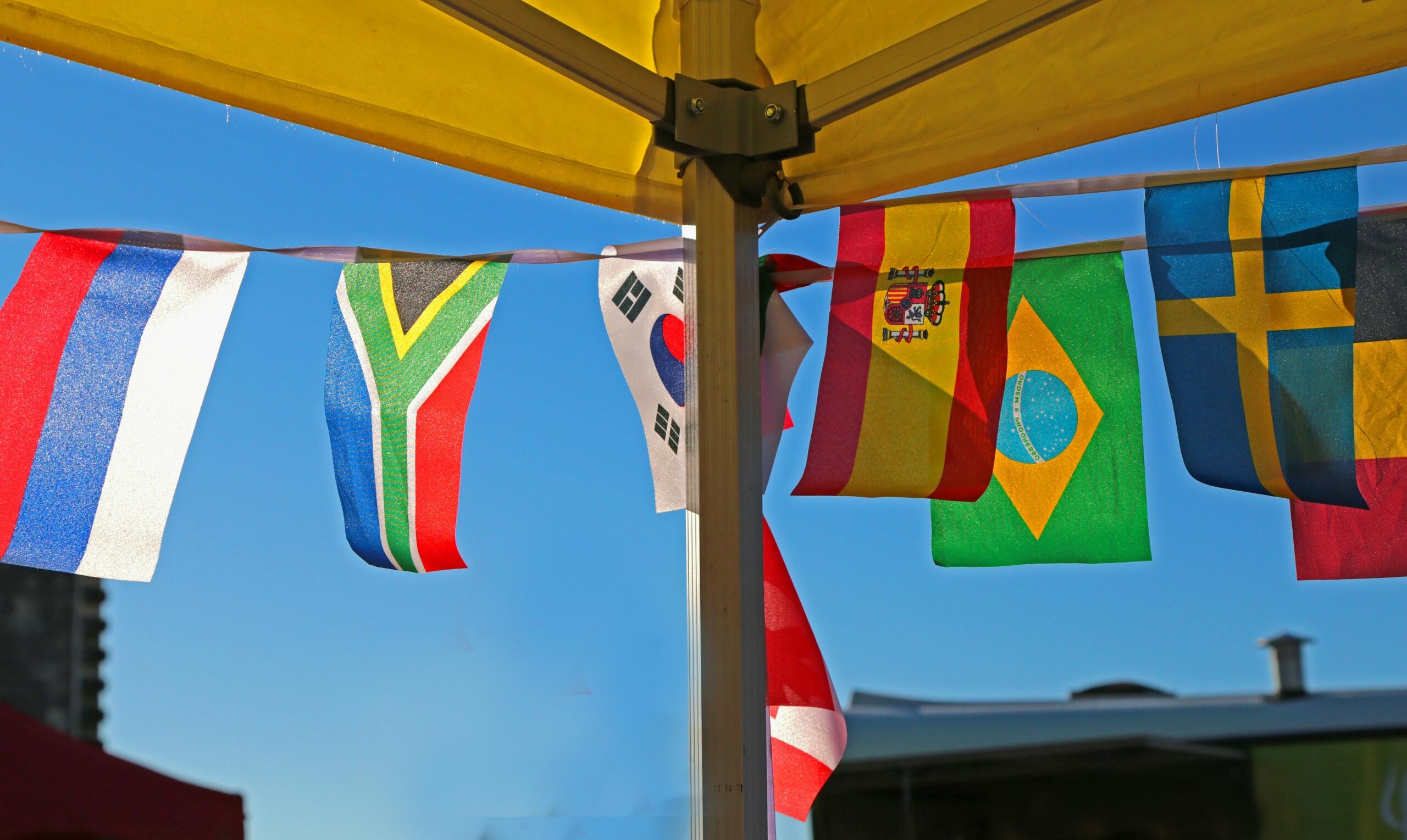

Among all national symbols, none expresses a country’s identity as clearly as its flag. Present since ancient times, flags have endured through the centuries, from battlefields to sporting events and grand diplomatic ceremonies. Even today, they embody a people’s history, values and aspirations.
There are nearly 200 countries recognised by the United Nations, and therefore almost 200 flags around the world. Are you passionate about geography or geopolitics? Take the quiz to find out how well you really know the history and meaning of the world’s flags.
Quizzes
Quizzes :


The World Flags: More Than Just a Piece of Cloth
A flag always tells a story. It’s not just decoration; it evokes struggles, victories and identity.
The earliest flags were used to distinguish armies on the battlefield. Over time, they took on symbolic meanings tied to culture, faith and political ideals. Ancient civilisations like the Egyptians, Romans and Chinese already used banners to mark their presence in war. From the Middle Ages onward, kingdoms and empires adopted colours, coats of arms and symbols to assert themselves.
🇩🇰 The Danish flag, red with a white cross, is considered the oldest national flag still in use. Known as the Dannebrog, it is said to date back to 1219.
It was only in the 17th and 18th centuries, with the rise of modern nation-states, especially after the French Revolution, that flags began to represent people rather than monarchs. They became true emblems of national identity.
In the 20th century, during both World Wars, flags played a central role. They rallied populations, inspired unity and symbolised resistance. After 1945, decolonisation brought many new states, each creating a flag reflecting their history, culture and aspirations.
Some flags have become especially recognisable through their symbolism and visibility on the international stage. Below are some of the world’s most emblematic flags and what they represent.
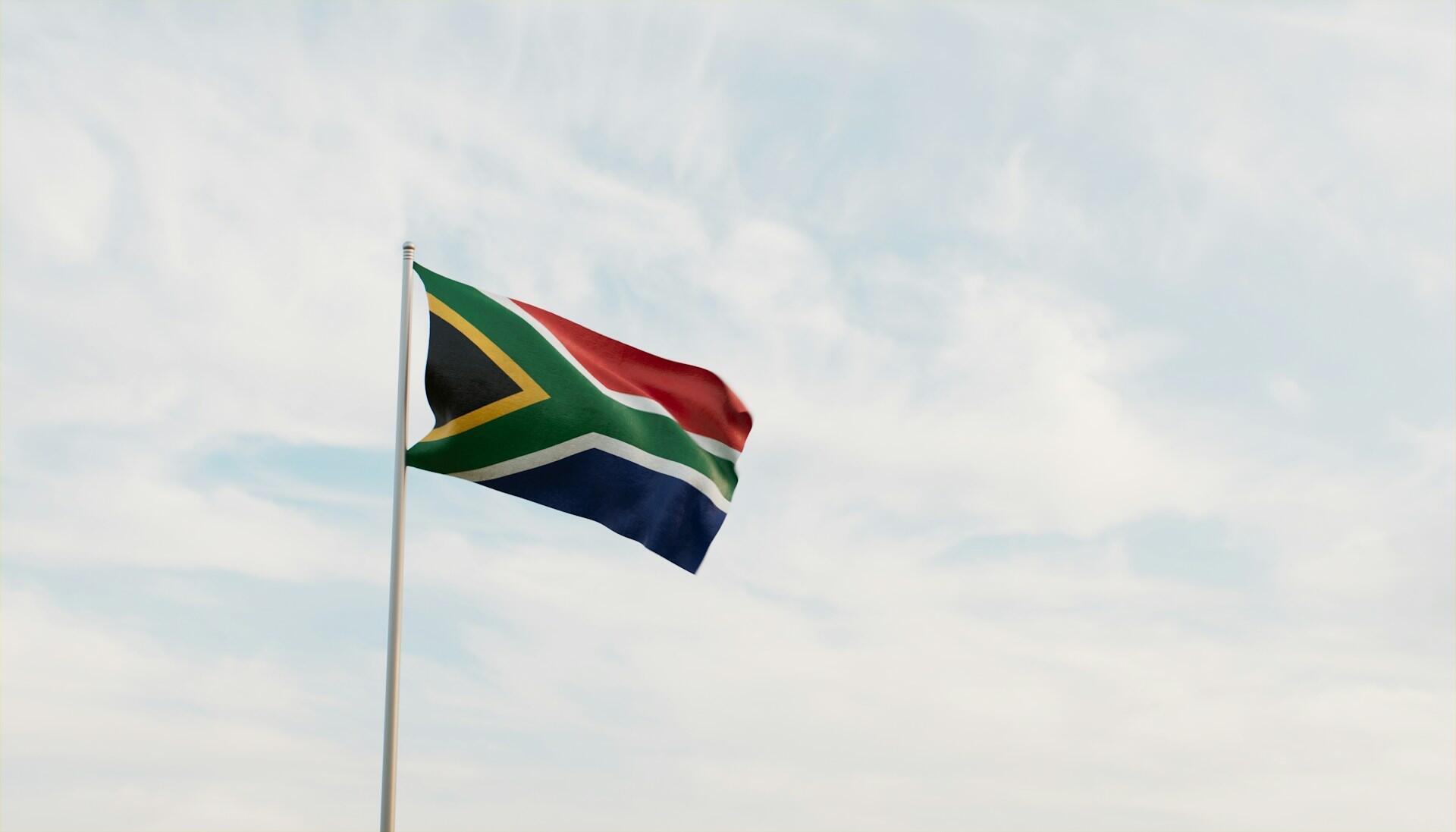
South Africa
Our flag has no emblem or coat of arms. The central design represents unity of the diverse elements of South African society.
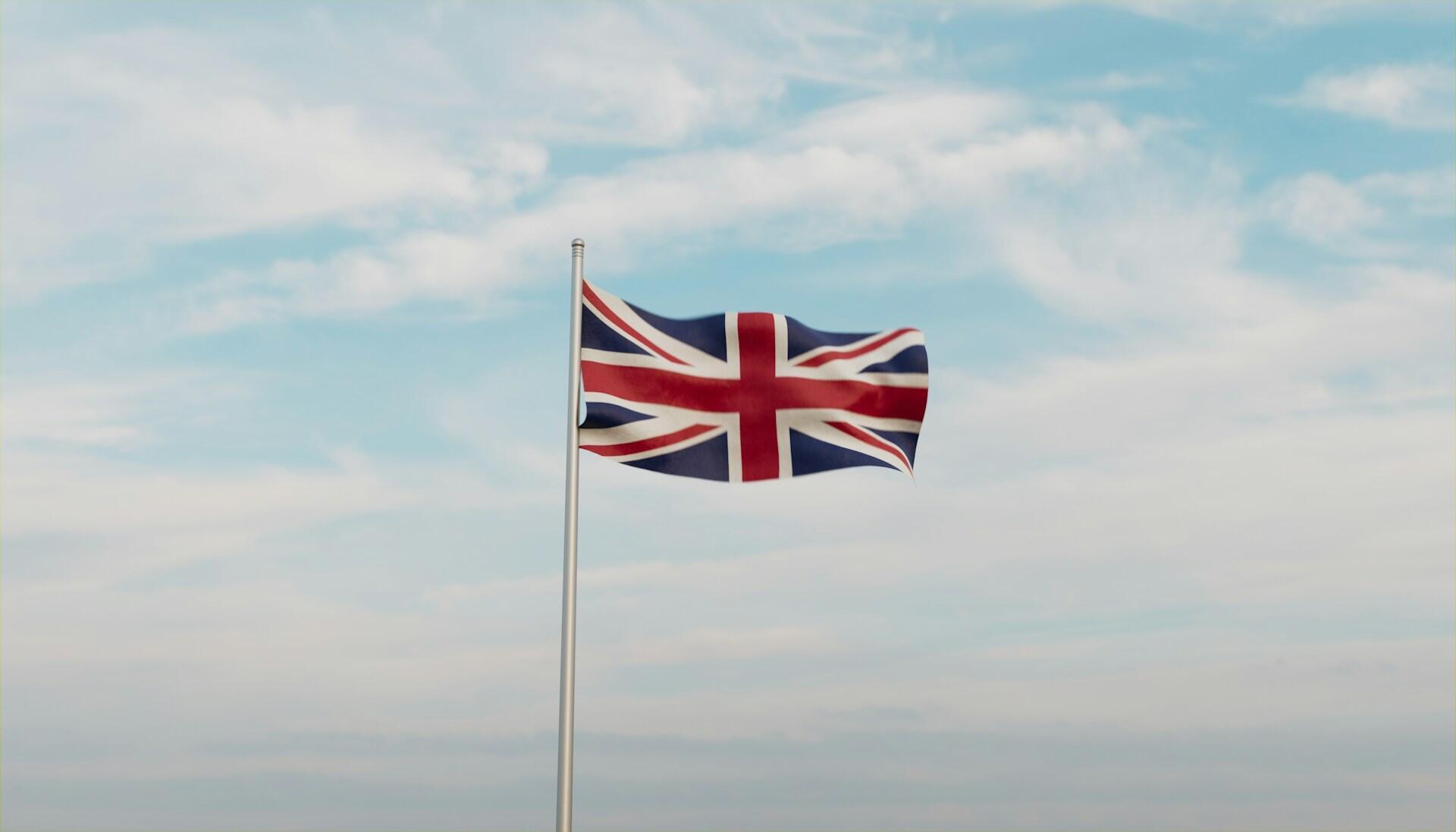
The United Kingdom
The United Kingdom’s “Union Jack” combines the crosses of England, Scotland and Northern Ireland, reflecting unity while preserving individual identities.
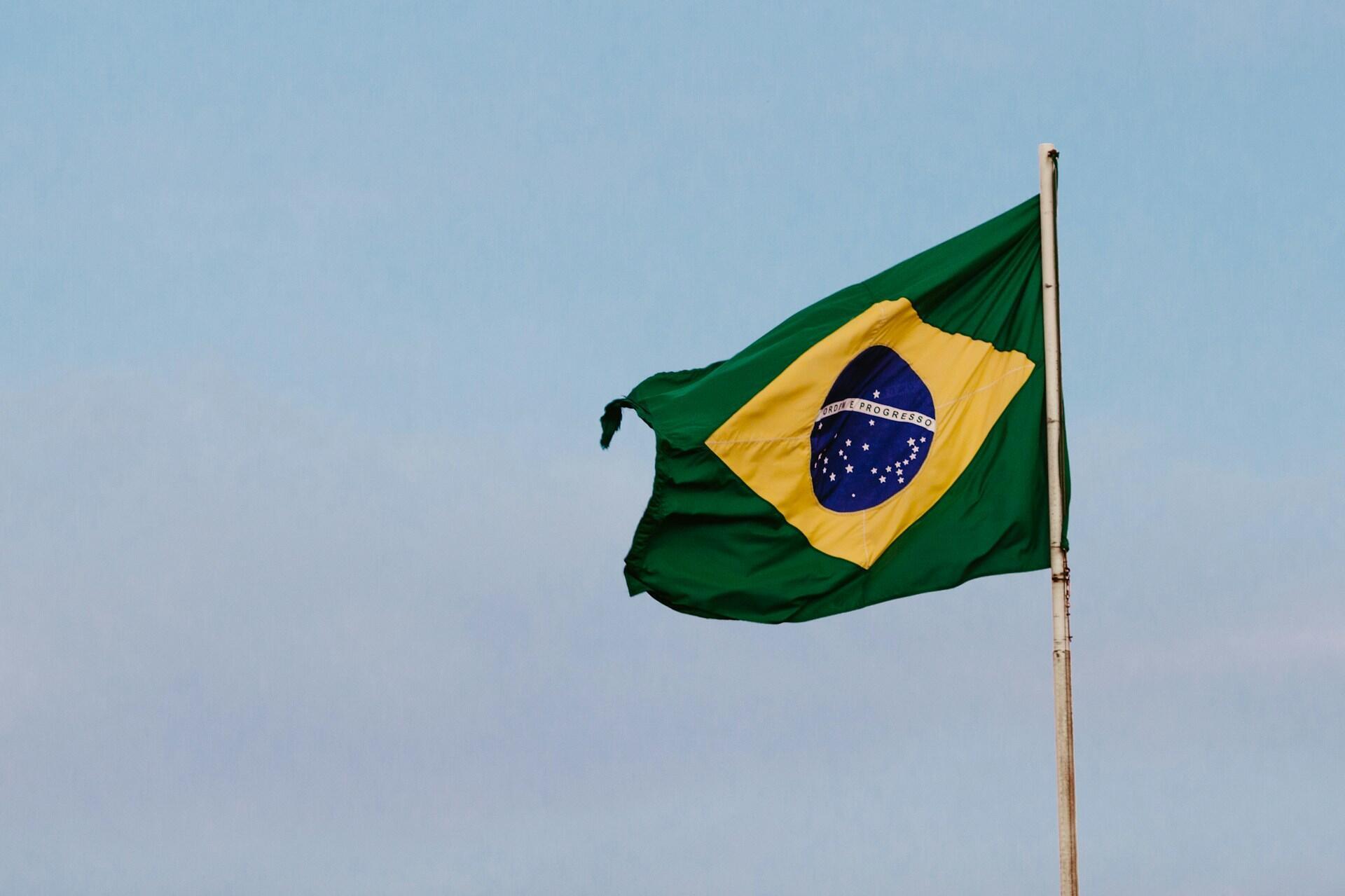
Brazil
Brazil’s green and yellow flag refers to royal lineages, while the blue stars depict the sky over Rio de Janeiro in 1889. The motto “Order and Progress” is inspired by philosopher Auguste Comte.
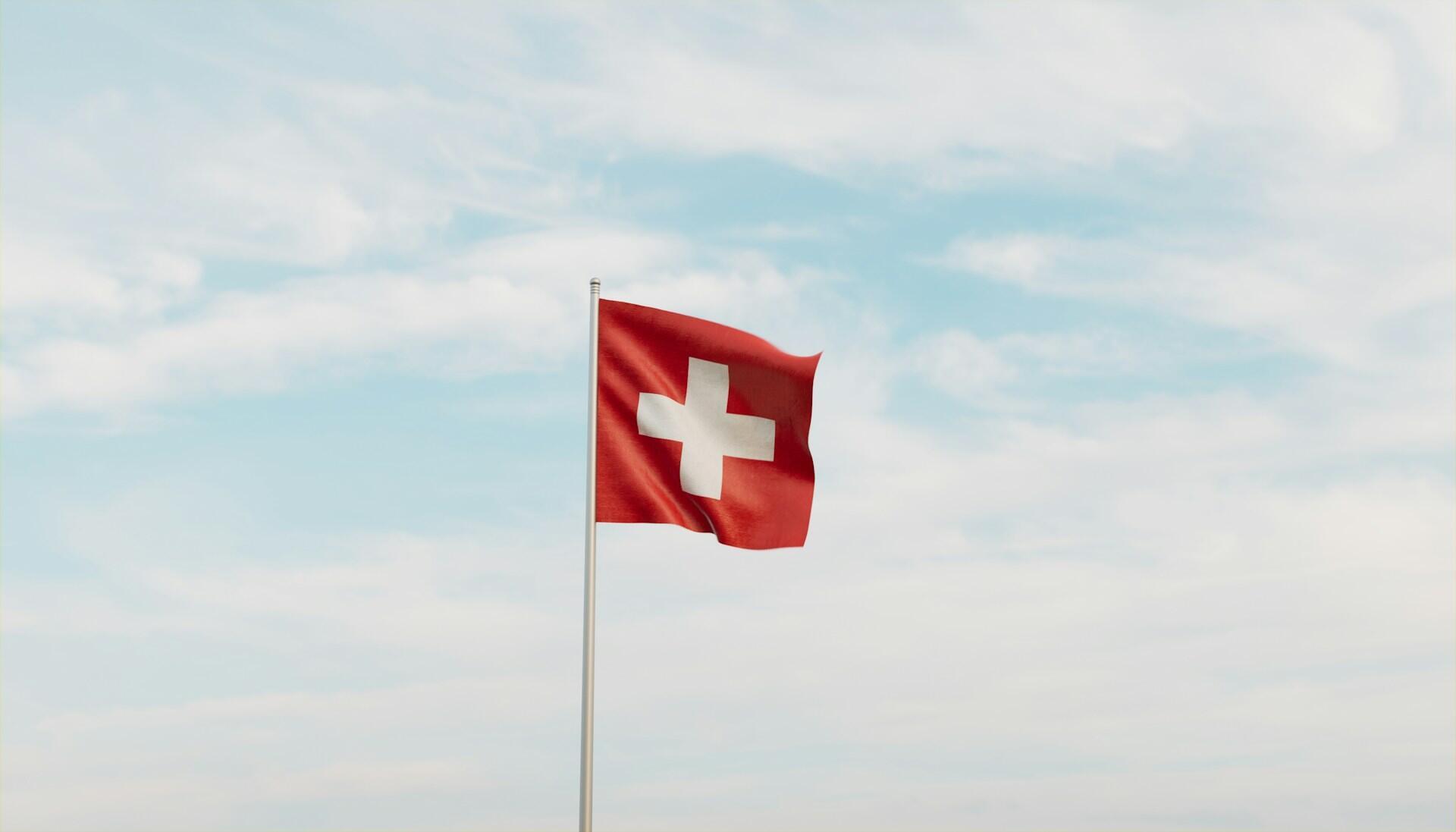
Switzerland
Switzerland’s square red flag with a white cross is one of only two non-rectangular national flags, along with the Vatican’s.
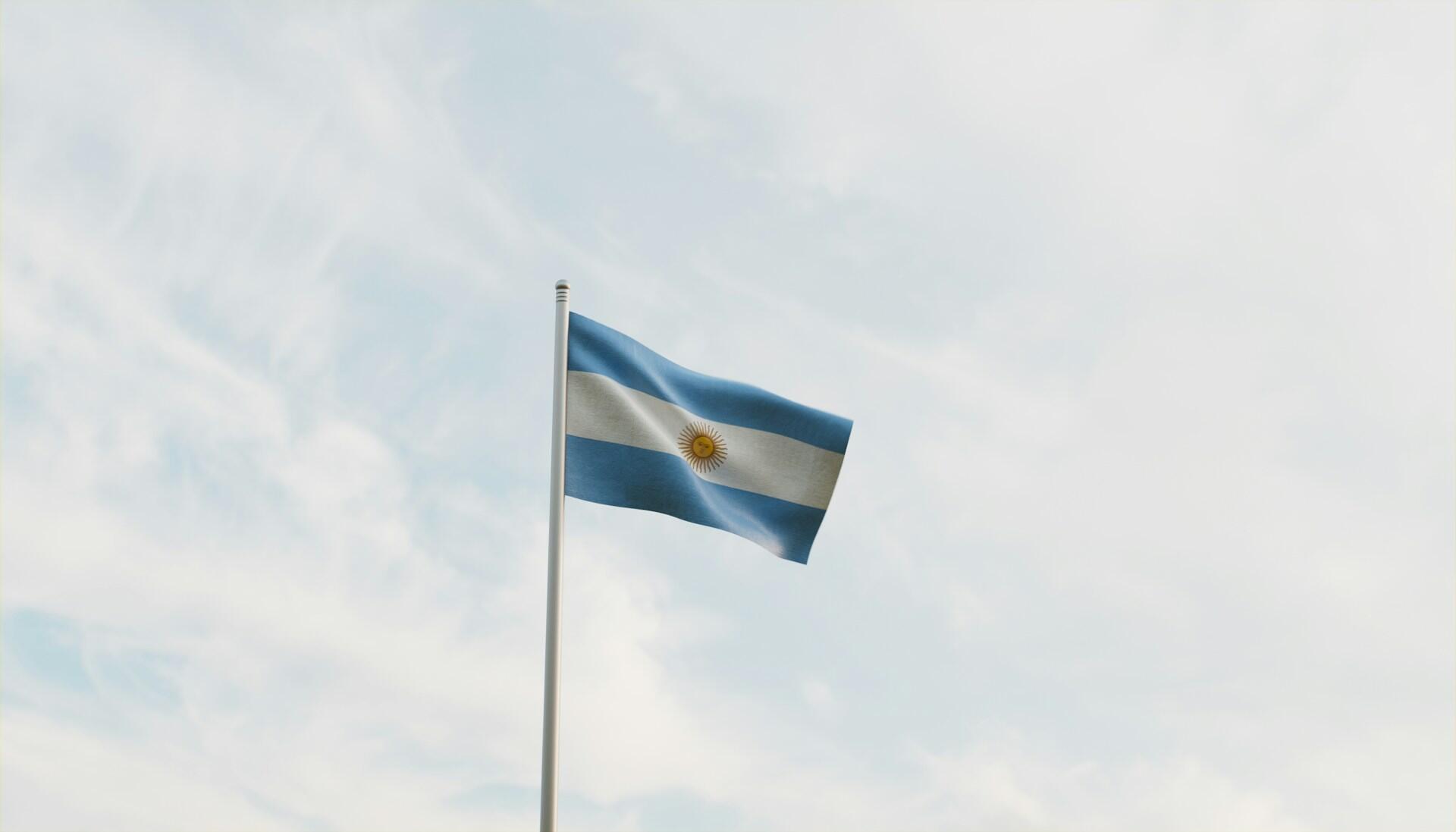
Argentina
Argentina’s blue and white evoke the sky and clouds, with a sun symbolising the Inca sun god, Inti.
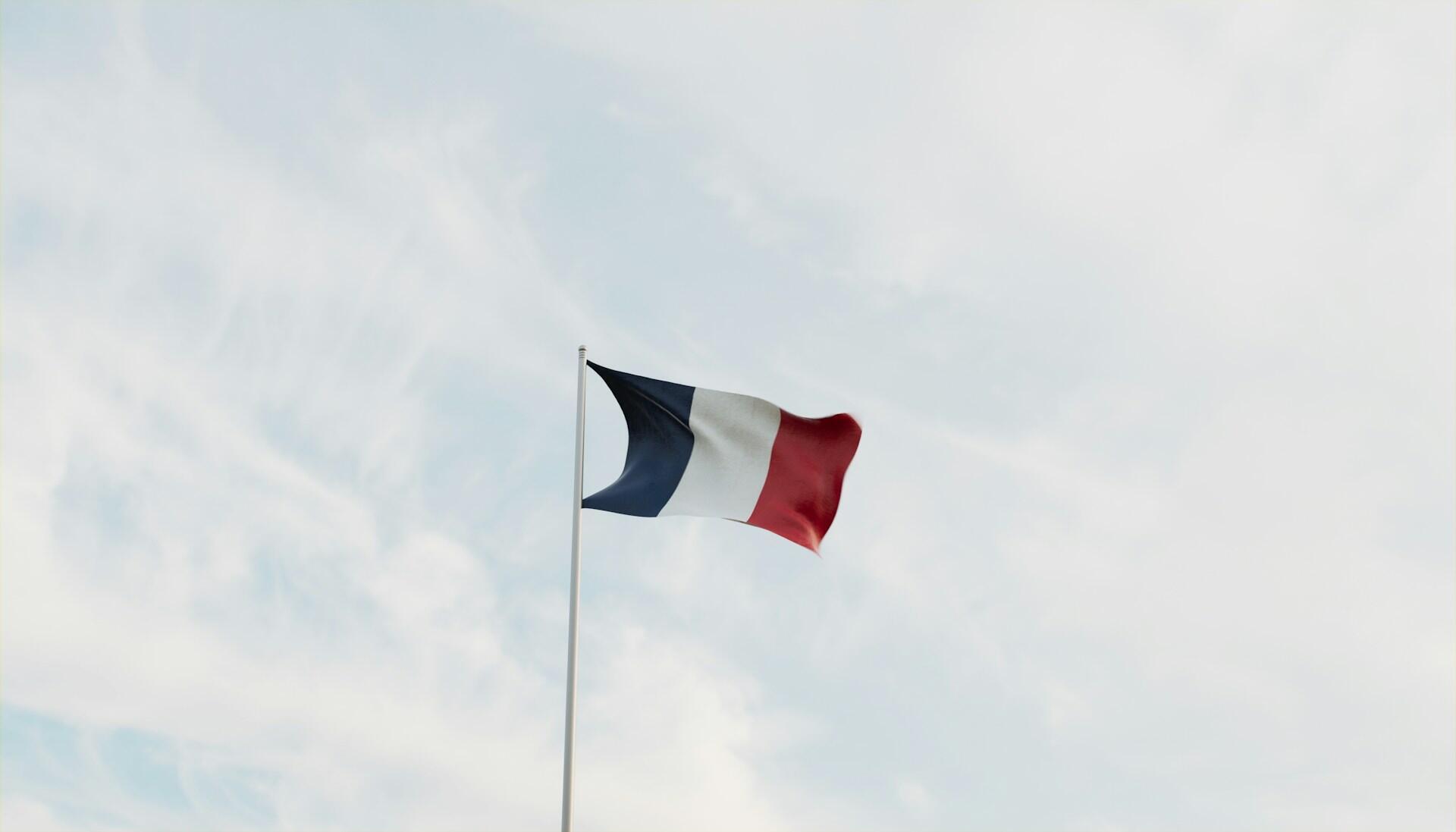
France
France’s tricolour flag of blue, white and red was born from the 1789 Revolution and inspired many others, including Italy and Haiti.
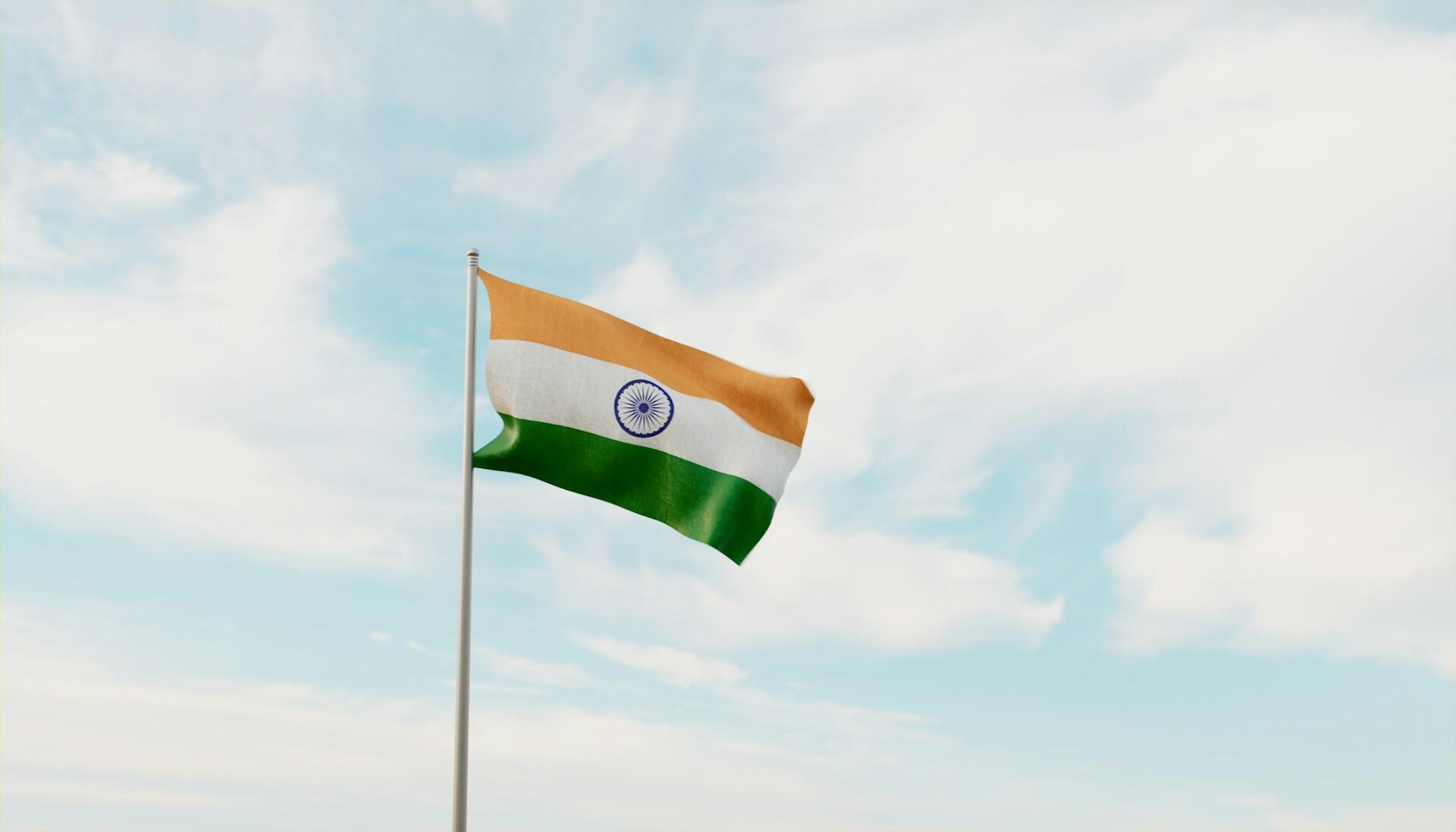
India
India’s tricolour bands represent courage (saffron), peace (white) and prosperity (green), while the central wheel symbolises perpetual progress.
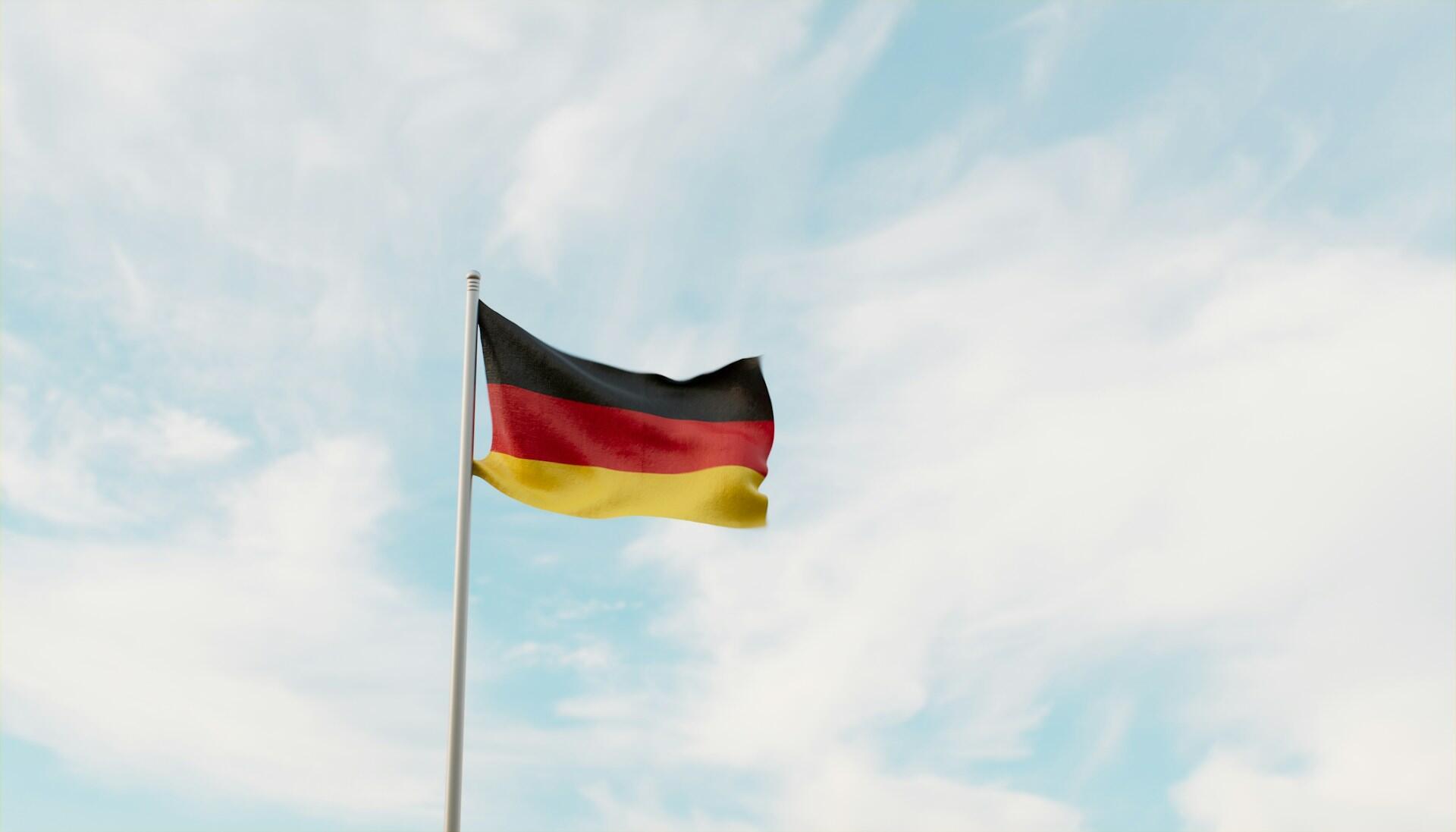
Germany
Germany’s black, red and gold were adopted during the 1848 revolution, symbolising freedom and unity after the Napoleonic era.
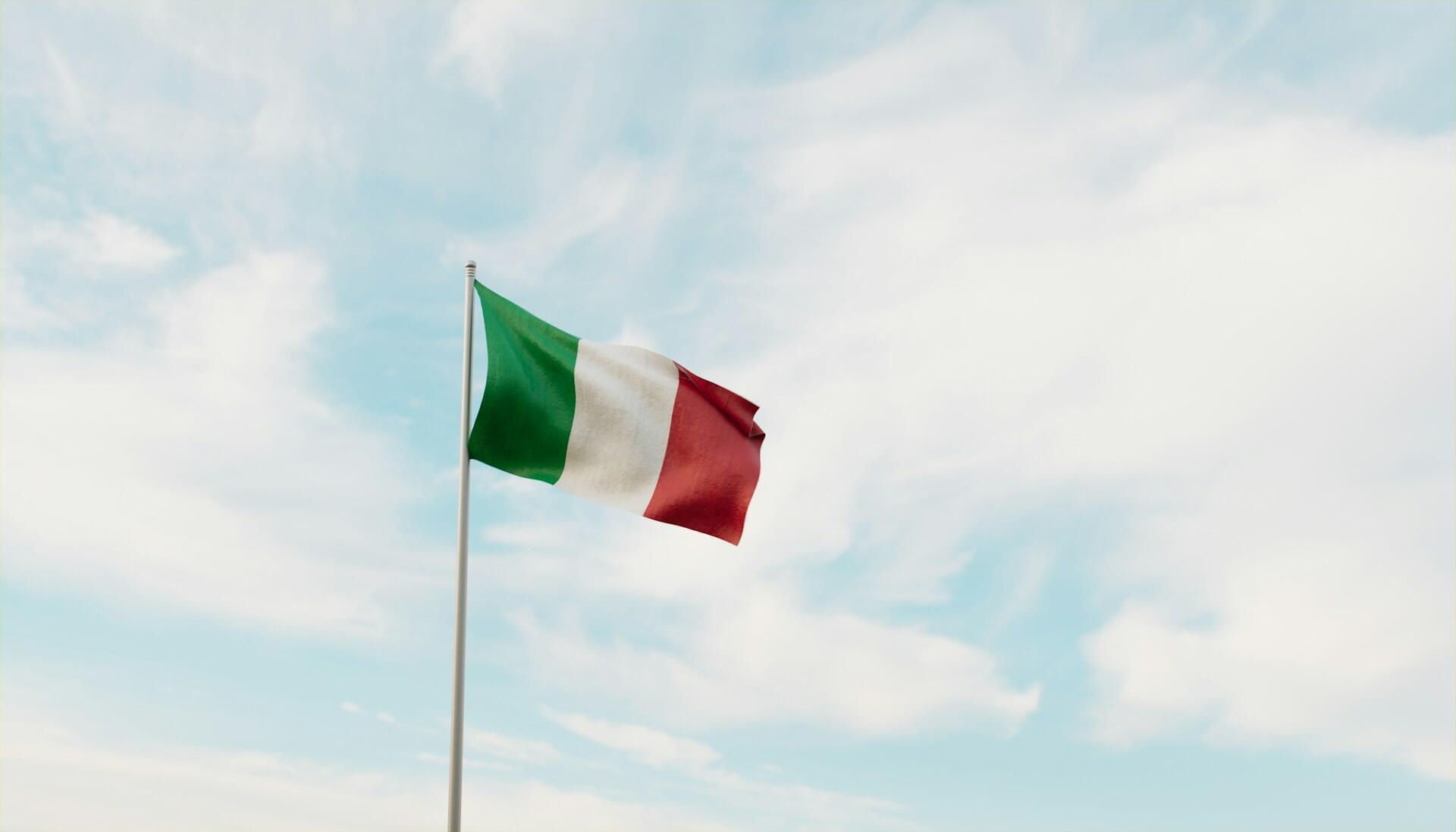
Italy
Italy’s colours evoke faith (green), purity (white) and charity (red), popularised under Napoleonic influence.
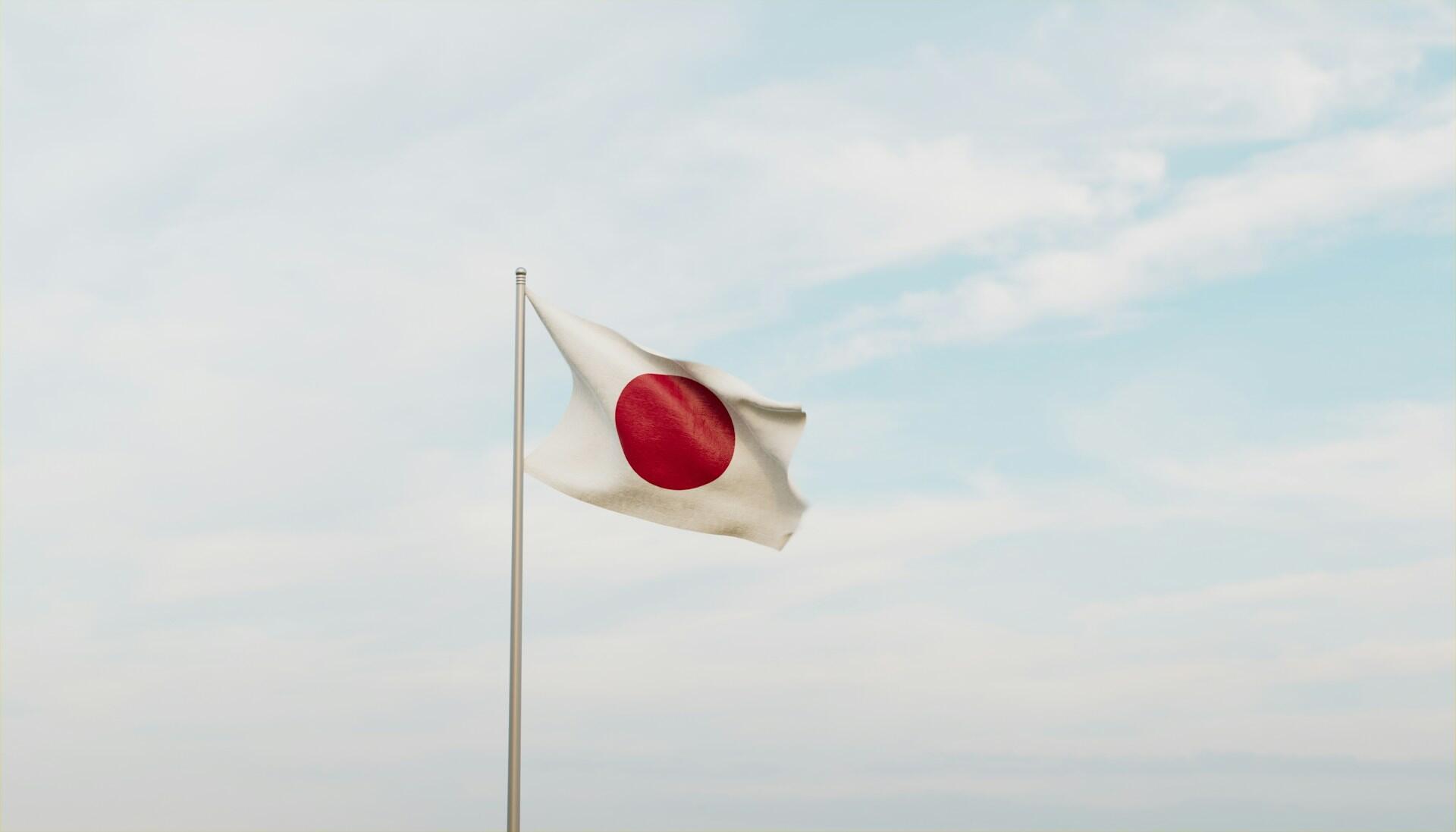
Japan
Japan’s red circle on white represents the rising sun and is one of the oldest flags still in continuous use, dating back to the 13th century.
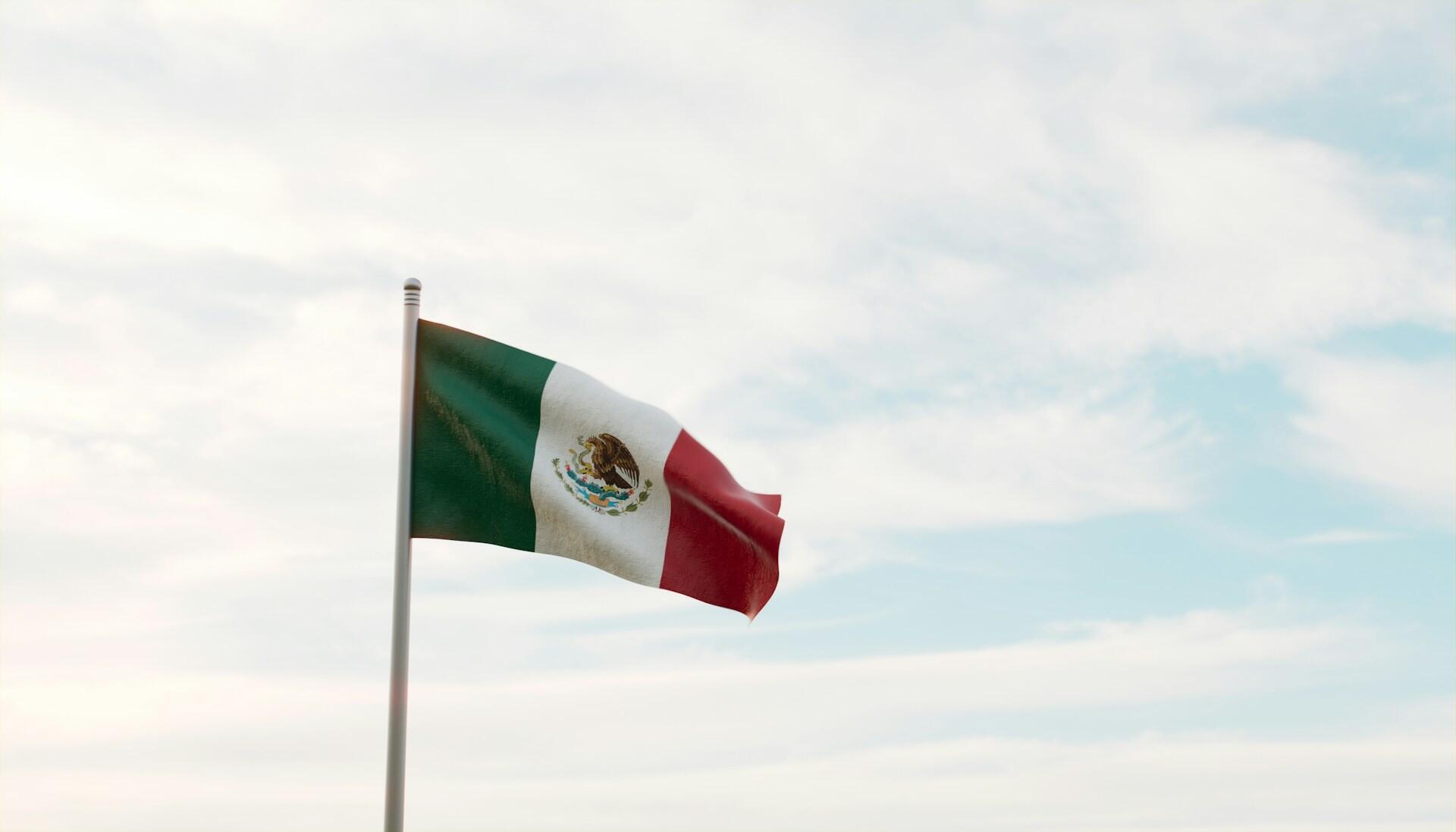
Mexico
Mexico’s flag shows an eagle holding a snake, an image from an Aztec prophecy about founding Tenochtitlán, now Mexico City.
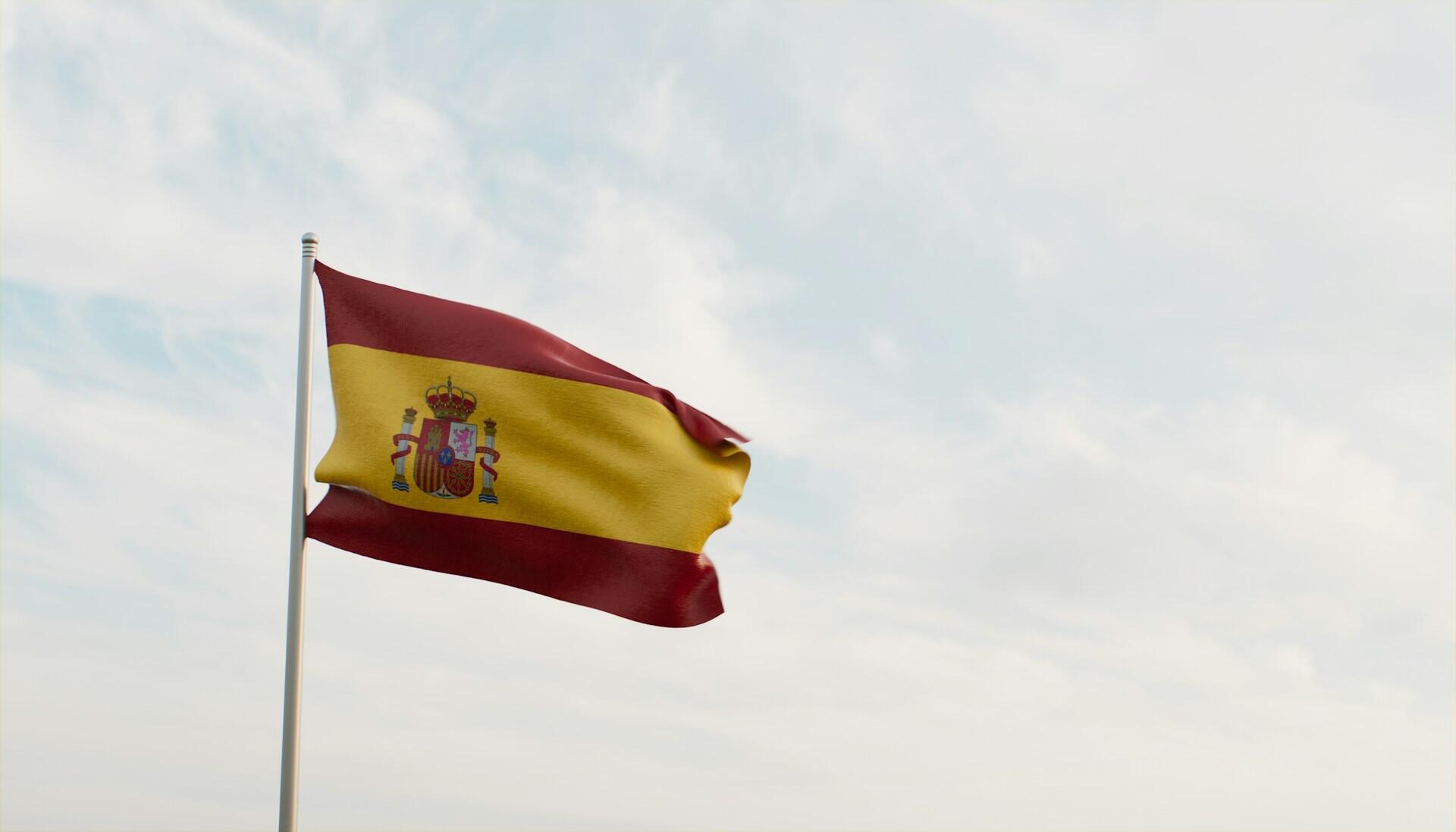
Spain
Spain’s red and yellow colours derive from its 18th-century naval banner, and the coat of arms reflects its historic kingdoms.
A Symbol in Constant Evolution
Despite their ancient origins, flags are more relevant than ever in the 21st century. They are displayed not only during official and diplomatic ceremonies but also at major international sports events such as the Olympics and the World Cup. Flags carry deep symbolic and emotional weight. In moments of national pride, a simple piece of cloth can unite entire populations around a common purpose.
In international relations, raising or lowering a flag remains a powerful act, signalling alliances, ruptures, sovereignty or solidarity. In the digital age, the concept of a flag has expanded. Beyond national and organisational flags such as those of the UN or EU, new emblems have appeared to represent causes and collective identities, like the rainbow flag for LGBTQIA+ pride, the peace flag or environmental banners calling for sustainability.
These new symbols show that even as the world changes and the concept of nation evolves, the human need for belonging and representation remains deeply rooted.
Summarise with AI:
Enjoyed this article? Leave a rating!

 Loading...