

It's a universal fact that a hearty stew, bowl of soup or warm bread tastes better on a cold or rainy day than it would in the heat of summer.
Interestingly, that feeling is not simply your imagination. Psychology, human biology and sensory science all help explain why winter food tastes better. The facts are that cooler temperatures and emotional associations influence our food cravings.
In South Africa, winter brings many winter food traditions, like potjiekos over a fire or the rich aromas of bredies passed down through generations. These moments are not only nourishing but can also become occasions to build and strengthen relationships.
By understanding why winter food tastes better, you can expect to appreciate how seasonal changes affect your appetite without guilt and enjoy winter eating with greater awareness.





The Psychology of Comfort Food
The term comfort food refers to those particular foods that provide emotional satisfaction as well as physical nourishment.
Research by psychologists Shira Gabriel and Jordan Troisi suggests that favourite foods can often remind people of supportive relationships and positive experiences. Rather than simply satisfying hunger, familiar meals can evoke feelings of safety, belonging and connection.
This can help explain why your grandmother's soup or a favourite family recipe often feels reassuring after a challenging day. Of course, the food itself matters, but so do the memories attached to it.
For many, comfort food becomes part of a much bigger emotional story that connects culture, home and family traditions.
Why Your Brain Craves Warm Foods
Food affects the brain in fascinating ways. For instance, carbohydrate-rich foods encourage the production of serotonin, a neurotransmitter involved in regulating mood and emotional well-being.
Your sense of smell contributes significantly to how you experience flavour. Cooler air can subtly reduce olfactory sensitivity, making warm, aromatic meals especially satisfying during winter.
Of course, eating one meal does not instantly transform your mood, but warm, satisfying meals may contribute to feelings of relaxation and comfort, particularly when combined with enjoyable social experiences.
The temperature of food also plays an important role.
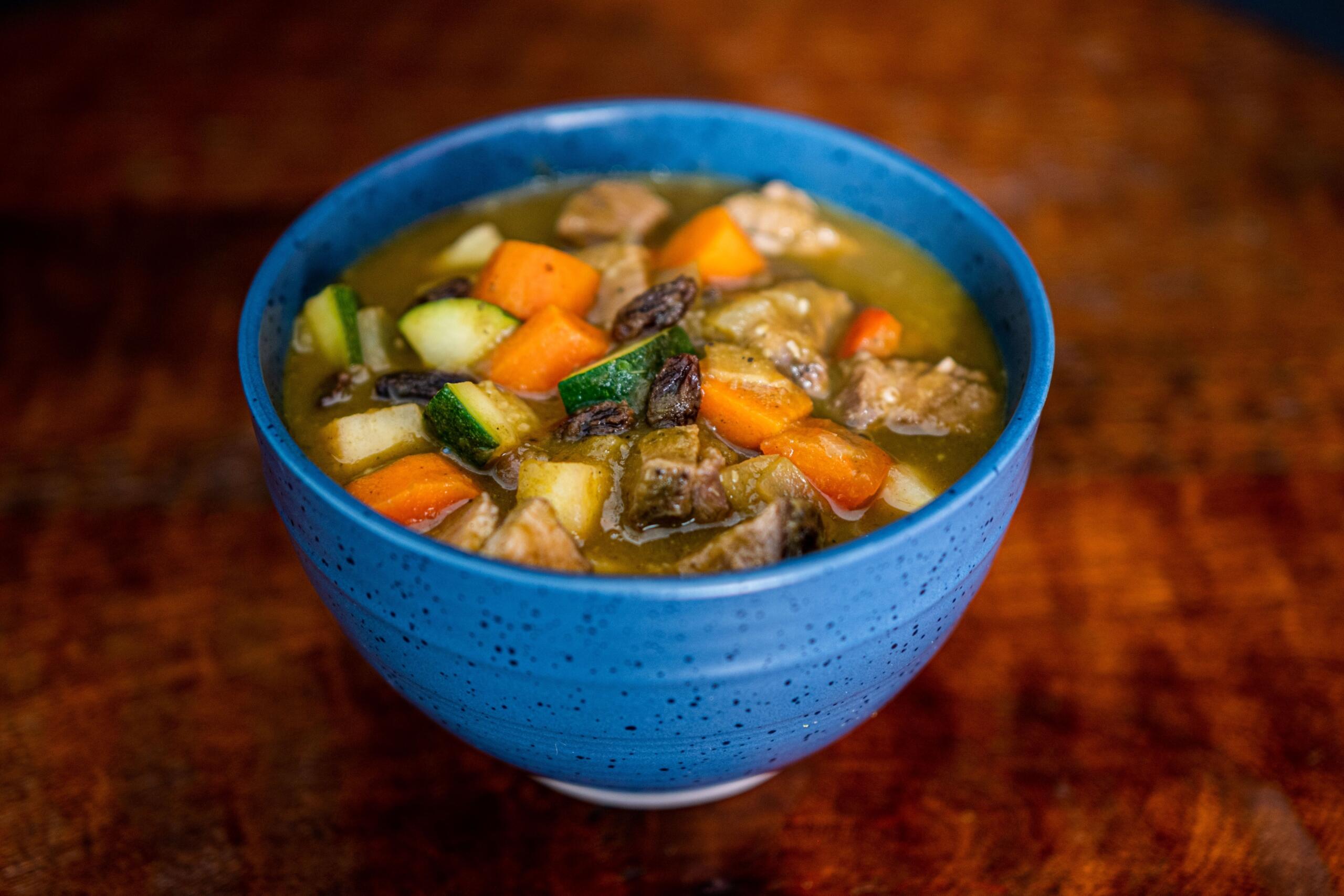
Warm foods stimulate sensory receptors differently from cold foods, often increasing feelings of satisfaction during cooler weather. At the same time, cold air can slightly reduce your sense of smell, making strongly flavoured warm dishes feel even more appealing.
Together, these factors help explain why winter food tastes better from both a psychological and biological perspective.
South Africa's Winter Food Traditions
In South Africa's diverse food culture, seasonal eating is prevalent, offering countless examples.
In the Western Cape, for instance, slow-cooked Cape Malay curries and bredies offer the ultimate warmth and rich flavour throughout winter. Similarly, across many Afrikaner households, hearty stews, soups and hot puddings are popular. In the Eastern Cape and KwaZulu-Natal, dishes such as umngqusho are culturally iconic, as are boerewors stews filled with seasonal vegetables.
These winter comfort food examples show us that food is not only about combining ingredients but also about history, identity and community.
More Than Just Emotional Eating
While emotional eating can be a real problem, psychologists distinguish between occasional enjoyment and unhealthy patterns.
Emotional eating becomes problematic when food consistently replaces healthier ways of managing difficult emotions, whereas enjoying a comforting meal after a challenging day is a normal part of the human experience.
The goal is not to eliminate pleasure from eating but to recognise why you are reaching for certain foods.
Understanding emotional eating allows us to respond thoughtfully rather than automatically.
Winter Meals Bring People Together
Across most of South Africa, winter naturally encourages people to spend more time indoors.
Whether gathering around a family dining table, preparing a potjie outdoors or sharing a slow Sunday lunch, shared meals become opportunities to connect.

Many psychologists believe that eating together can contribute positively to wellbeing because shared meals encourage conversation, reduce feelings of isolation and reinforce social bonds.
This social dimension is one of the reasons comfort food is so meaningful across cultures, and with that, you will often find slower days and more rest, which the body needs for recovery.
Why Nostalgia Changes the Way Food Tastes
Taste is never influenced by our senses alone. Instead, our memories, expectations and emotions also impact how food is experienced. One only needs to think about the smell of cinnamon, freshly baked bread, or a slow-cooked roast to be instantly reminded of childhood, family celebrations or school holidays. These associations activate emotional memories that make familiar dishes feel even more rewarding.
This psychological connection helps explain why winter food tastes better for so many people. It is not simply the flavour on your plate. It is the story your brain connects with every mouthful.
Rather than resisting these seasonal traditions, you can appreciate them as part of the rich relationship between food, memory and emotional wellbeing.
Enjoying Food With Greater Awareness
One of the healthiest ways to approach winter eating is through mindful eating. This means that rather than rushing through meals or eating while working or scrolling on social media, we connect with flavours, aromas, and how our bodies feel.
This simple practice helps transform everyday meals into more satisfying experiences while strengthening your awareness of what your body genuinely needs.
It also creates space to enjoy traditional winter dishes without unnecessary guilt, helping you appreciate both nourishment and pleasure.
Winter Eating is About More Than Food
Across all South African communities, sharing a meal has always represented something deeper than nutrition alone.
The African philosophy of Ubuntu reminds us that well-being is strengthened through relationships and community. Sitting together around a table, serving food to neighbours or preparing a family meal creates opportunities for conversation, generosity and belonging.
Psychologists reinforce this by reminding us that shared meals contribute positively to emotional wellbeing by reducing loneliness and strengthening social connections.
These traditions also help explain why hearty, winter comfort food carries such emotional significance. The warmth comes not only from the food itself, but also from the people gathered around it.
The Winter Braai Has Evolved
Although braais are often associated with long summer evenings, many South Africans have embraced a different winter tradition.
This slower pace supports many of the principles behind mindful eating as it invites you to enjoy the experience of preparing, sharing and eating food rather than rushing through the meal. After that, remember that even the winter landscapes can lift your mood, so grab a jacket and a beanie and take on the outdoors.
Seasonal Produce Makes Winter Meals Even Better
South African winters yield an abundance of fresh seasonal produce that naturally complements hearty cooking.
| Winter Produce | Typically in Season | Ideal Uses |
|---|---|---|
| Oranges | Winter | Fresh fruit, desserts, salads |
| Naartjies | Late winter | Snacks and citrus dishes |
| Lemons | Winter | Soups, teas and cooking |
| Carrots | Winter | Stews and soups |
| Sweet Potatoes | Winter | Roasting and casseroles |
| Beetroot | Winter | Salads and roasting |
| Spinach | Winter | Side dishes and soups |
| Dried beans and lentils | Available year round | Hearty winter stews |
Choosing seasonal ingredients means you get both flavour and nutrition, making winter comfort food even more satisfying.
Mindful Eating Without Guilt
For some, there is pressure to choose between healthy eating and enjoying traditional winter dishes, but psychology suggests that you do not need to make that choice.
Mindful eating encourages you to consider nutritional value, slow down, notice hunger and fullness, appreciate flavours, and eat without distraction. Rather than labelling foods as "good" or "bad", the emphasis shifts towards awareness and balance.
You can still enjoy your favourite bowl of soup or family potjie while paying attention to how the meal makes you feel both emotionally and physically.
Having a balanced approach like this also reduces the likelihood of emotional eating when you become more aware of whether you are responding to hunger, habit or emotion.
Traditional Dishes and Their Psychological Benefits
| Traditional Dish | Psychological Benefit |
|---|---|
| Potjiekos | Encourages shared cooking and social connection |
| Bredie | Associated with family traditions and nostalgia |
| Umngqusho | Strengthens cultural identity and community |
| Boerewors stew | Provides warmth, familiarity and comfort |
| Homemade vegetable stew | Encourages slower, mindful meals |
The emotional value of these meals often comes from the memories they create rather than the ingredients alone.
Understanding comfort food in this way helps remove unnecessary guilt while encouraging a healthier relationship with food.
A Balanced Winter Plate
Winter is an excellent opportunity to combine traditional recipes with nutritious seasonal ingredients.
Adding legumes, root vegetables, leafy greens and citrus fruits increases fibre, vitamins and flavour without losing that comfort food appeal!
Taking this approach means that mindful eating allows you to embrace South Africa's rich food traditions with confidence. It also reminds us that winter comfort food can nourish both body and mind.
Enjoy Winter, One Meal at a Time
Winter changes more than the weather because when we slow down, we reflect on our goals and ultimately make positive changes for a better future.
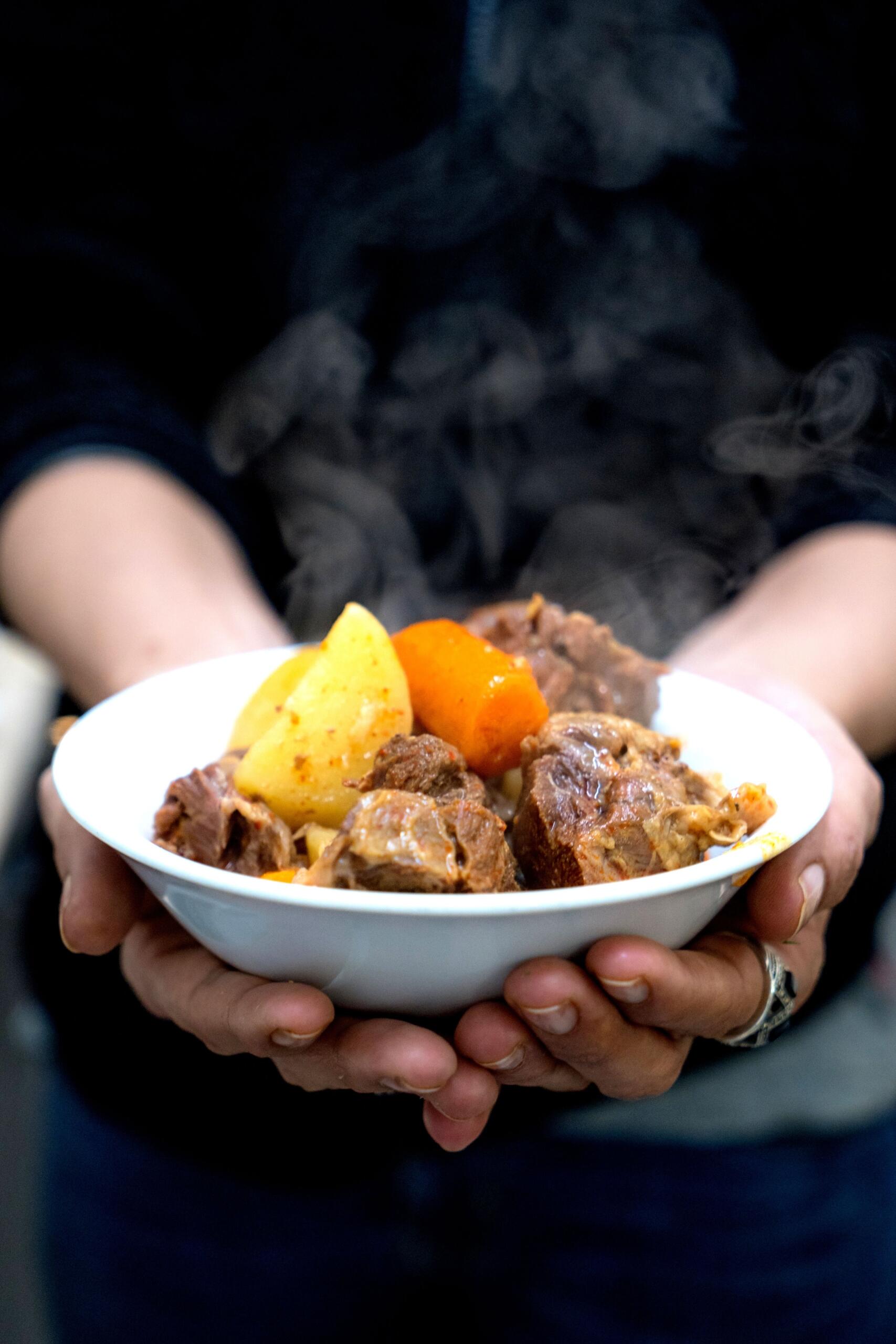
Ultimately, winter influences our senses, our routines, our memories and even the way food tastes. Not only that, psychology shows that our seasonal cravings often reflect genuine biological, emotional and cultural processes rather than a lack of self-control.
Whether you are exploring why winter food tastes better, appreciating comfort food, practising mindful eating, understanding emotional eating, or leaning into the joy of comfort food, the message is reassuring.
There is nothing wrong with appetite and taste bud changes during winter.
Sometimes the happiest and healthiest thing you can do is gather around the table, share a warm meal with people you love and enjoy winter exactly as it was meant to be enjoyed!
Summarise with AI:
Enjoyed this article? Leave a rating!

 Loading...