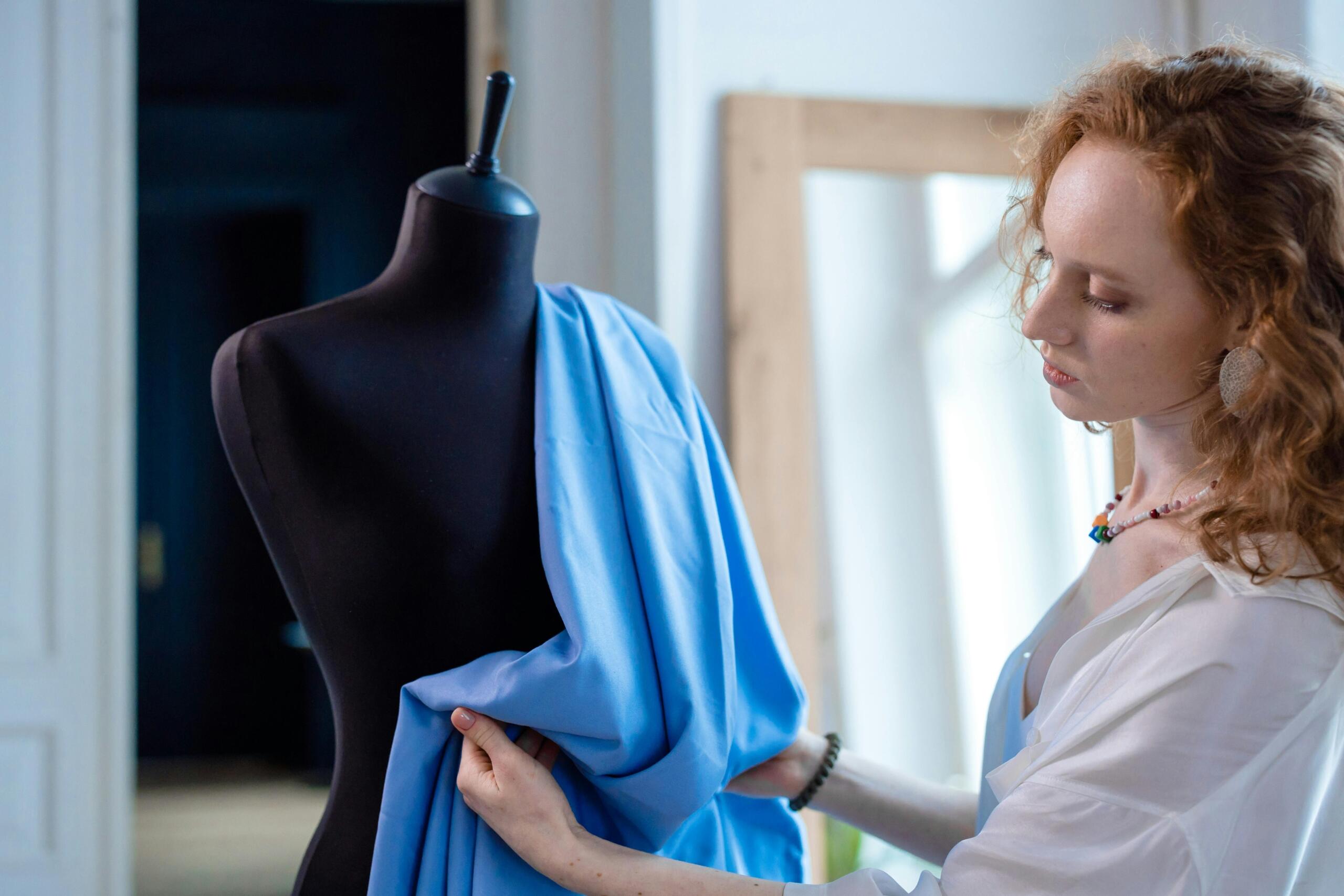

The fashion industry in South Africa, which reflects the country’s rich cultural heritage and growing reputation for creativity and innovation, is diverse. If you aspire to make it in this exciting industry you want to know more about becoming a fashion designer, and of course the fashion designer salary! But there are also many other types of careers in fashion to also consider.
Whether you’re dreaming of designing couture gowns or working behind the scenes to bring a brand’s vision to life, the journey of becoming a fashion designer in South Africa offers both challenges and opportunities.
In this article we will look at fashion designer salaries as well as the route to becoming a fashion designer.
In short, fashion designer salaries in South Africa vary significantly based on experience, location, and the type of work pursued.
Entry-level designers often start at around R10 000 to R15 000 per month, while those with several years of experience can earn upwards of R30 000 to R50 000 per month.
Of course, designers working for high-profile brands or in niche markets, such as bespoke wedding attire, may earn even more. You may notice that these numbers are modest compared to global fashion hubs like New York or Paris, but they reflect a growing industry that offers steady career progression.
The important thing to remember is that there are many types of careers in fashion – and in considering your career path it may help you to compare these to average fashion salaries.


Career Paths in South African Fashion
The South African fashion industry is made up of much more than runways and red-carpet designs. From trend forecasting to retail management, in reality jobs in fashion include a variety of important roles and functions that cater to different skills and interests. Understanding the many types of careers in fashion can help you to identify where you best fit in this dynamic sector.
For instance, a fashion designer, by drawing inspiration from cultural trends and global fashion movements typically focuses on creating new collections. On the other hand, textile designers specialise in developing fabrics, often incorporating traditional South African patterns and techniques into their work. Retail buyers and merchandisers also play a vital role in selecting and showcasing garments, while stylists bring outfits to life through their ability to curate ensembles for photo shoots, events, or clients.
Of course, South Africa’s fashion industry is also known for its burgeoning streetwear culture. Designers in this niche often find themselves at the intersection of creativity and commerce to craft bold, statement pieces that resonate with younger audiences. A fashion designer salary in this niche, might differ to a designer working in a more mainstream market.
Meanwhile, fashion entrepreneurs without the luxury of a support team have to combine their creative flair with business acumen to successfully launch and sell a clothing line. The fashion designer salary for this individual would fluctuate from someone who was working for an organisation.
The Journey to Becoming a Fashion Designer
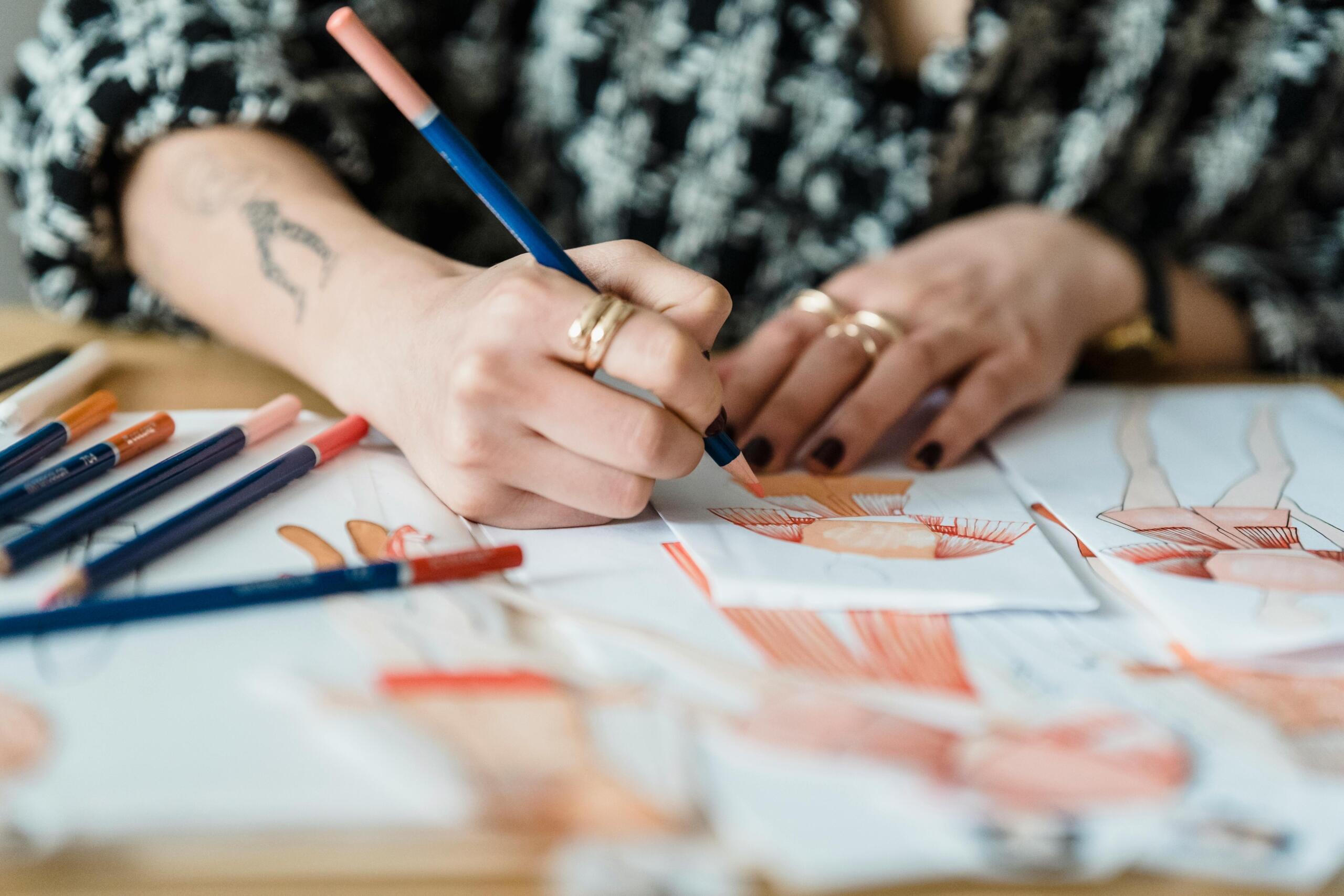
Becoming a fashion designer in South Africa requires more than a flair for style and an eye for detail. It also demands a combination of technical skills, creative innovation, and an understanding of market dynamics. As an aspiring designer you could start your journey at local fashion institutions such as the Cape Town College of Fashion Design or LISOF (now STADIO), where you would gain a strong foundation in garment construction, fabric knowledge, and trend analysis.
Remember that internships play a crucial role in shaping a designer’s career. These opportunities will allow you as a student or graduate to gain hands-on experience, network with industry professionals, and learn the realities of working in the fashion industry. South Africa’s fashion scene, while smaller than that of countries like the United States or Italy for instance, offers a supportive environment where young designers can grow their portfolios and build valuable connections.
If you’re willing to push the boundaries of creativity and embrace the challenges of a competitive industry, then the rewards can be significant. Also bear in mind that fashion designer salaries, while initially modest, tend to grow steadily with experience and reputation. So, like any industry, even though entry-level positions might not offer the glamour of high fashion, but they serve as critical stepping stones to more lucrative opportunities.
Factors Influencing the Fashion Designer Salary
In South Africa, several factors influence fashion design salaries. Firstly, location is one of the most significant, with designers in urban centres like Johannesburg, Cape Town, and Durban often earning higher salaries due to the concentration of fashion houses, retail giants, and events in these cities.
Cape Town, in particular, is renowned for its role in showcasing South African fashion talent to the world especially as it hosts prestigious events like Cape Town Fashion Week.
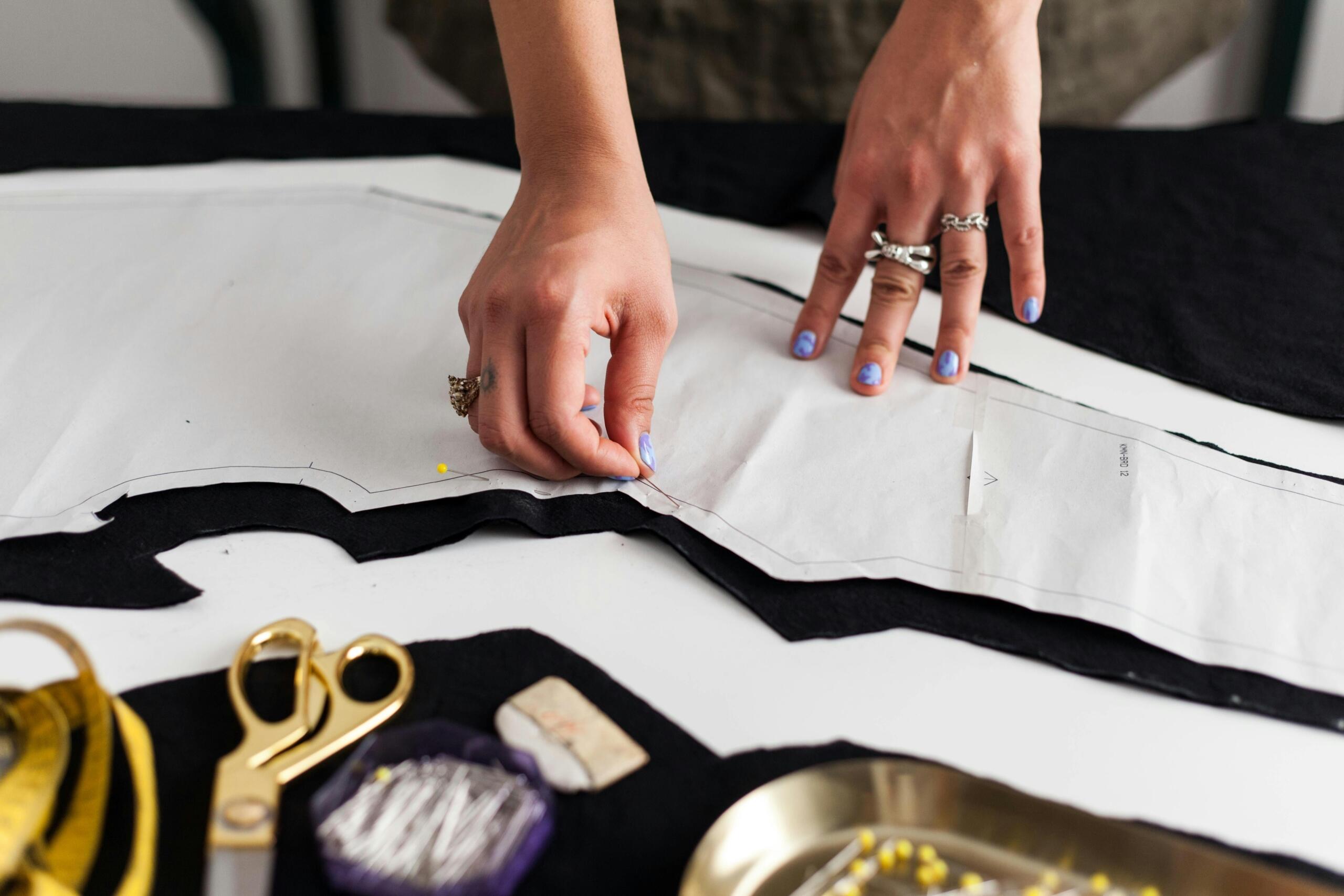
Experience is another key factor. As a graduate you may start your career earning between R10 000 and R15 000 per month, but with persistence, creativity, and a growing portfolio, of course you can climb the ladder. To keep you motivated, remember that senior designers or those working for top brands or exporting their creations internationally often command salaries exceeding R50 000 per month.
Do you see yourself becoming a fashion designer?
Remember there are many types of careers in fashion. Do some research to find out what skills you'll need for a career in fashion.
The type of career will influence salary. For instance, a costume designer working in the film or theatre industry may earn differently from someone focused on ready-to-wear collections or luxury couture. Similarly, those who branch out into related fields such as fashion marketing, public relations, or digital content creation may see different earning potential.
South Africa’s Unique Fashion Landscape
In South Africa, you will find yourself in a wonderfully unique position where the fashion industry is deeply rooted in our cultural diversity. Design teams will frequently draw inspiration from indigenous textiles, traditional beadwork, and contemporary street style. It’s this unique fusion of heritage and contemporary style that creates a rich tapestry of opportunities for anyone with their eyes on a career in fashion.
Also, entrepreneurship is thriving, with many local designers establishing their brands and catering to niche markets. Find inspiration from this entrepreneurial spirit that allows creatives to carve out unique spaces in the industry – even displaying their work at events like South African Fashion Week and the Durban Fashion Fair. Remember that while starting a brand requires significant investment and effort, it also allows you the freedom to explore your creative vision and the potential to achieve financial success.
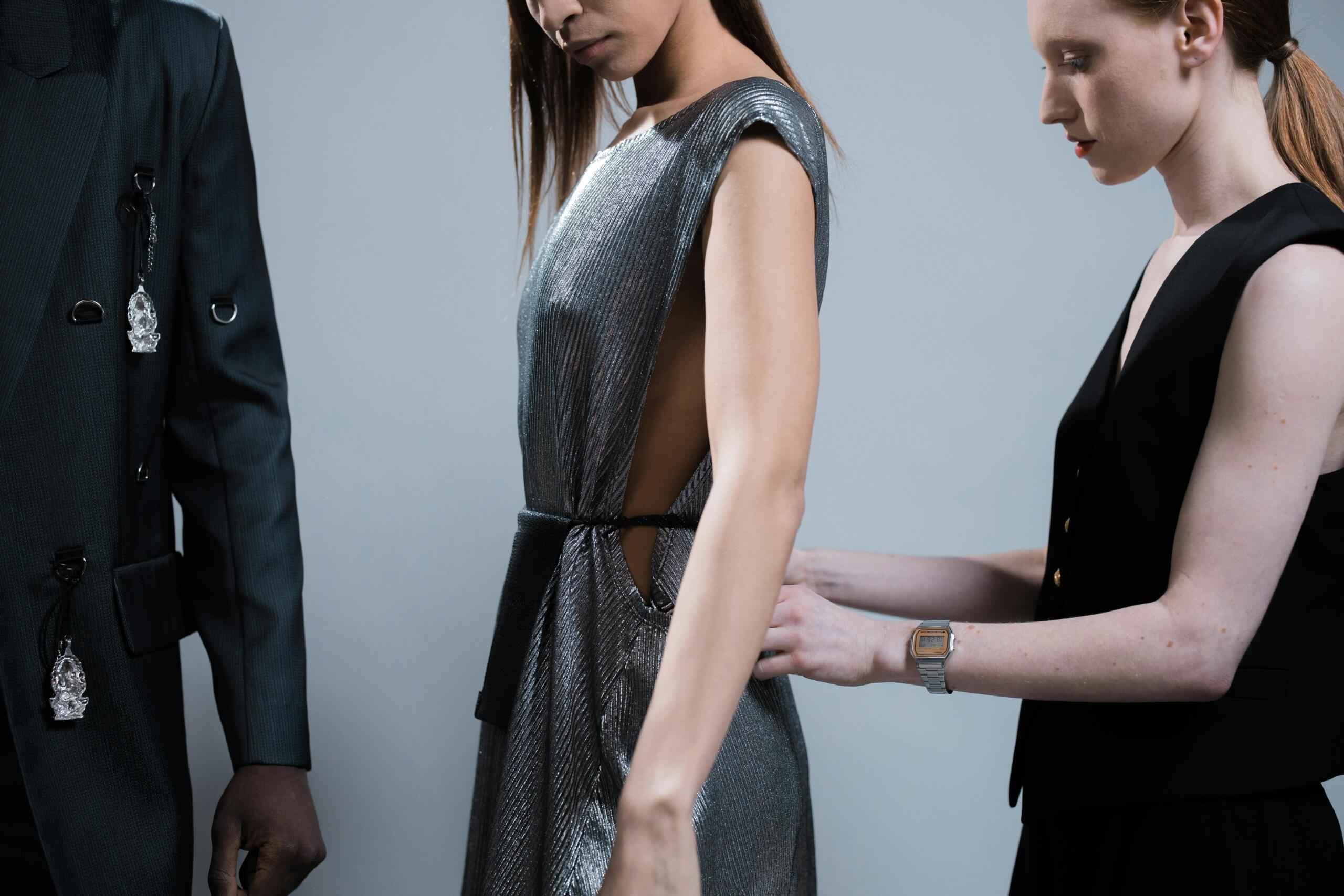
Fashion designers who embrace the global shift toward sustainability and ethical practices are also finding opportunities to stand out.
Today eco-friendly fashion is gaining traction and importance too with consumers increasingly demanding garments made from sustainable materials or produced under fair labour practices. Bear in mind that designers who incorporate these values into their work not only contribute to a better planet but often attract a loyal customer base willing to pay a premium for responsibly crafted clothing.
Building a Career in Fashion
Like most aspiring designers you'll wonder how to transition from dreaming of a career in fashion to securing a job that pays well and offers creative fulfilment!
Well, the journey begins with education and continues with perseverance and adapting to change. You’ll also need to gain experience and build a portfolio through internships, freelancing, or working for established brands. While the path to success may be challenging, each step contributes to professional growth and opens new doors.
If you’re just starting out, a willingness to work in various roles within the fashion industry can be a game-changer. Assisting established designers, working in production, or even taking on retail roles can provide valuable insights into the industry’s inner workings. Even if your aim is to become a fashion designer, over time, you’ll find that these experiences will build a solid foundation for transitioning into other types of careers in fashion.
The Rewarding World of Fashion
Although the South African fashion industry may not yet rival global giants in scale, it certainly offers immense opportunities for those with passion, talent, and determination. Remember that fashion designer salaries may start modestly, but with dedication and a strategic approach to career growth, the financial and creative rewards are within your reach.
There’s no doubt, whether you’re drawn to designing avant-garde couture, creating accessible ready-to-wear collections, or exploring the entrepreneurial side of fashion, there is room for you to thrive. By understanding the unique South African fashion landscape, embracing its rich cultural influences, and keeping the issue of sustainability in mind, you can craft a fulfilling career in this ever evolving and exciting industry.
Summarise with AI:
Enjoyed this article? Leave a rating!

 Loading...