
Fast fashion refers to a clothing industry model characterised by the rapid replication and mass production of high-fashion trends, which are then sold at significantly low prices. These brands have flourished in economies all over the globe by crafting a business strategy that swiftly caters to the demands of consumers
The problem is that the production of these garments places an enormous social and economic toll on developing nations. Furthermore, the environmental repercussions of non sustainable clothing extend their impact across the entire planet.


The Social and Environmental Impacts of Sustainable Fashion Brands
In a related article, we explored the diverse social and environmental consequences linked to fast fashion and highlighted the many reasons for parting with this trend. When you recognise that abruptly distancing yourself from fast fashion poses a challenge, there are a few important steps to help you shop for sustainable fashion brands.
So what does sustainable in fashion mean in fashion purchasing?
Here is our comprehensive guide to ethical shopping. Not only will it empower you to resist the allure of fast fashion and make conscious choices, but it also answers the question, of why is sustainability important in fashion and gives eco fashion examples.
- Shop Solo: While shopping with friends or family is enjoyable, it can blur your judgment when it comes to shopping for sustainable clothing. Choosing to shop alone allows you to focus on what you truly need and prevents unnecessary purchases that are fueled by external influences.
- Embrace Positivity: If you are focused on the question, what does sustainable mean in fashion, then avoid using shopping as an outlet for negative emotions. Instead, if you are looking for eco fashion examples, go shopping when you are in a good mood that is committed to building a sustainable clothing wardrobe Dress well to remind yourself of the quality pieces that you already own.
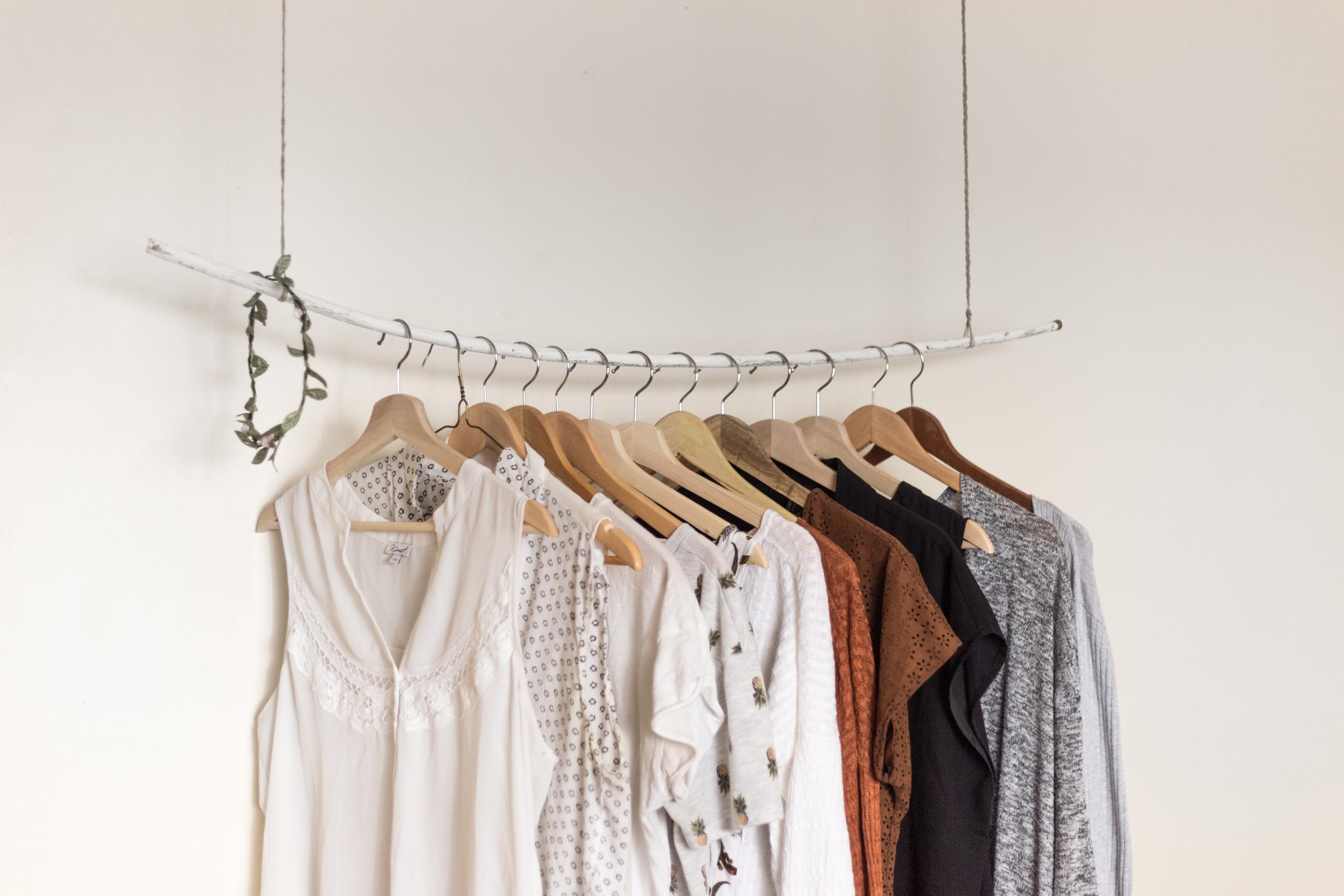
- Craft a Capsule Wardrobe: Crafting a capsule wardrobe is one of the best ways to answer the question: what does sustainable mean? When buying new items, visualise at least three of your existing pieces that will seamlessly blend with your potential purchase. This practice will help you to maintain coherence in your closet and prevent impulsive buys that will disrupt your style.
- Demand Fabulousness: When shopping for unique, sustainable clothing or eco fashion examples, remember that the garments should impress you, not the other way around. Embrace the idea that a world of options exists which allows you to align your values and preferences with your clothing choices.
- Sidestep Sale Temptations: Unless you are looking at sustainable fashion brands, sales seasons also tend to provoke unnecessary purchases. Hang back from shopping during these times, as reduced prices might lead you to buy items that don't genuinely resonate with you.
- Enter the World of Lauren Bravo: Delve into Lauren Bravo's book, "How to Break Up with Fast Fashion." This guilt-free guide offers additional insights that offer you valuable tips for your journey towards parting ways with fast fashion.
By incorporating these strategies, you will begin to be able to answer the question of why is sustainability important in fashion. Not only that, but you will also be able to navigate the world of shopping with a newfound sense of purpose and mindfulness.
Ethical or Sustainable Fashion Brands
Distancing oneself from fast fashion involves not only refraining from purchasing its products but also disengaging from its advertisements. Although this may appear daunting initially, dedicating a small portion of your time to exploring ethical brands can yield substantial rewards. Modern technology, particularly the internet, has simplified the research process, enabling you to verify a brand's dedication to environmental sustainability and equitable labour practices.
This transition to sustainable fashion brands, while requiring effort, ultimately empowers you to make more informed and responsible choices as a consumer.
By prioritising brands aligned with your values, you contribute to a more sustainable and ethical fashion industry.
Does High Fashion Make Sustainable Clothing?
Should your budget allow, venturing into the realm of high fashion also remains a viable choice. However, it's worth noting that certain high fashion labels have unfortunately adopted the fast-fashion production paradigm. Therefore, diligent research becomes important before investing in high fashion pieces. Before you purchase a high fashion or haute couture garment, scrutinise the brand’s policies regarding sustainability and ethical production practices.
In this regard, notable names like Louis Vuitton and various other high fashion brands have found themselves entangled in commercial scandals surrounding undisclosed supply chains and questionable labour conditions. Instances of such controversies have surfaced, highlighting the importance of due diligence.
So what does sustainability mean in fashion for you?
By conducting thorough research and supporting brands that uphold responsible practices, you contribute to a more conscientious and equitable fashion industry. Ultimately, this informed approach enables you to align your purchases with your values and contribute positively to the industry's transformation.
Sustainable Fashion Brands Start at Home: Start Sewing
Exploring an alternative avenue to fast fashion can involve crafting your garments, an endeavour that encompasses recycling and repurposing clothes you no longer find appealing or wish to wear. If you lack sewing skills, enlisting the guidance of a tutor can help bring your garment visions to life. Even without your own sewing machine at home, various methods can be discussed with your tutor to ensure that your creativity flourishes. There is little doubt that sewing is one of those skills that can add value throughout one’s life.
In answering the question: what does sustainability mean, it is vital to recognise that not every piece of clothing needs to be brand new. While you check out physical stores or online platforms with enticing budget-friendly selections, remember to exercise restraint.
In addition, embrace the concept of sharing your clothing more frequently with family and friends, or even engage in fun wardrobe exchanges. Habits like this counter the impulse to accumulate excessive items or acquire brand-new garments that are only worn on one occasion.

Ultimately, your dedication to this approach serves a purpose way beyond fashion and elevates it to a statement of conscientious consumption. By taking measures such as these, you align your choices with ethical principles that contribute to a fashion ethos that embraces sustainability, creativity, and meaningful connections. Top of Form
Why is Sustainability Important in Fashion: The Role of Thrift Stores
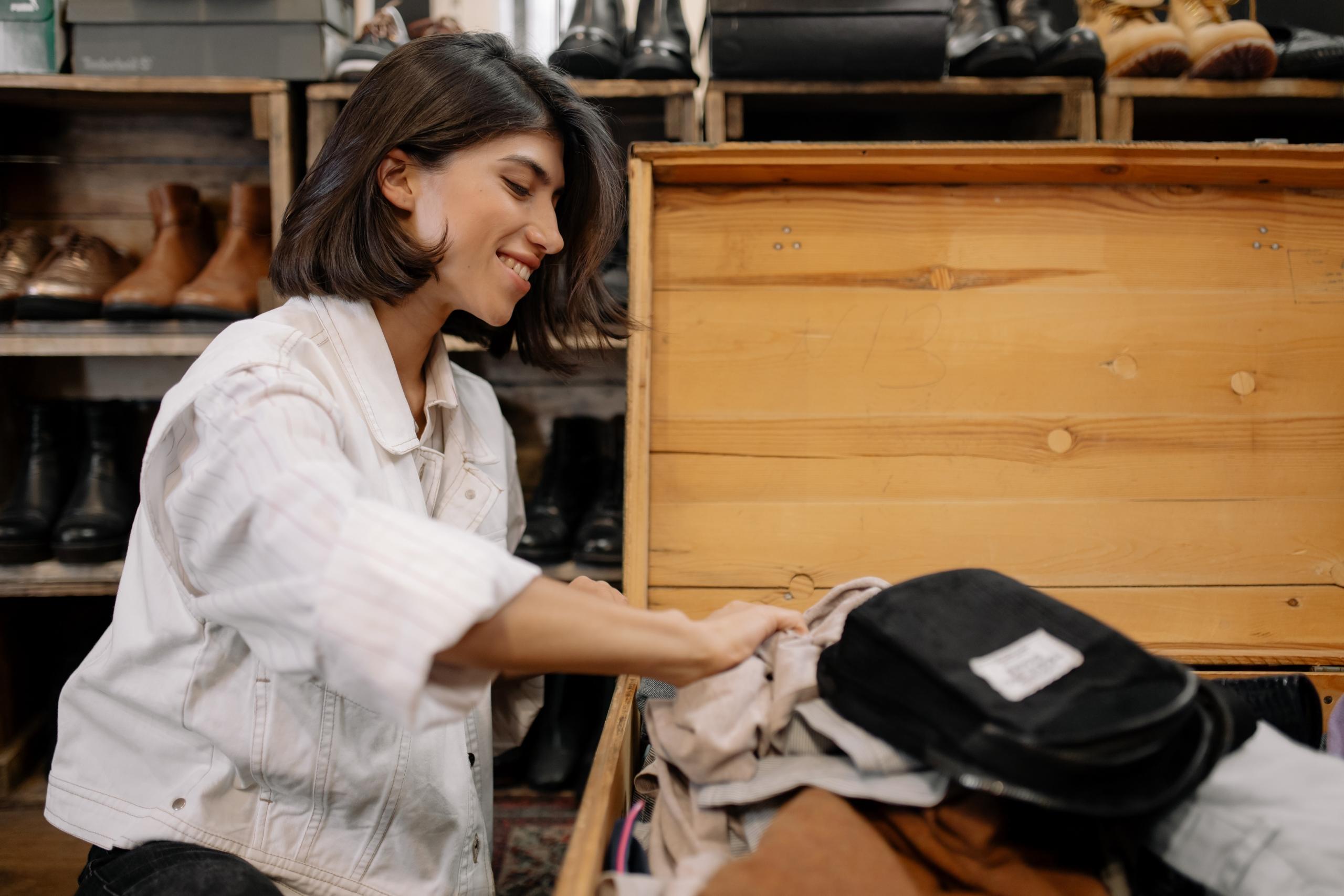
For those who have a playful spirit and don't hold an unwavering fixation on acquiring brand-new pieces of clothing, exploring thrift or vintage stores offers a delightful avenue for shopping. These establishments frequently have remarkable statement pieces in impeccable condition, all available at remarkably budget-friendly prices. This shopping experience also boasts an added layer of intrigue, as it necessitates the pursuit of particular items.
This will give you the opportunity to stumble upon gems that perfectly align with your personal style and aesthetic.
Thrift and vintage stores tend to brim with distinctive charm and offer a great alternative to the mainstream shopping scene. Here, the process of discovery is intertwined with a sense of adventure, as each visit holds the promise of uncovering unique treasures. Not only does this approach contribute to sustainable consumption, but it also imparts a certain character and individuality to your wardrobe.
Perusing these curated spaces demands a discerning eye and a fondness for the unexpected. This journey, for the search for hidden treasures, will encourage your creativity and self-expression, as you piece together ensembles that tell stories and evoke a sense of nostalgia. Furthermore, by engaging in thrift and vintage shopping, you will contribute to the recycling of fashion and reduce the environmental impact associated with new clothing production.
Embracing this alternative method of shopping demonstrates a conscious awareness of fashion's cyclical nature and a willingness to celebrate its diverse history. As you navigate the racks and shelves of these stores, you'll come to appreciate the art of uncovering fashion gems that resonate with your personal story while diminishing the strain on both your wallet and the planet.
Summarise with AI:
Enjoyed this article? Leave a rating!

 Loading...