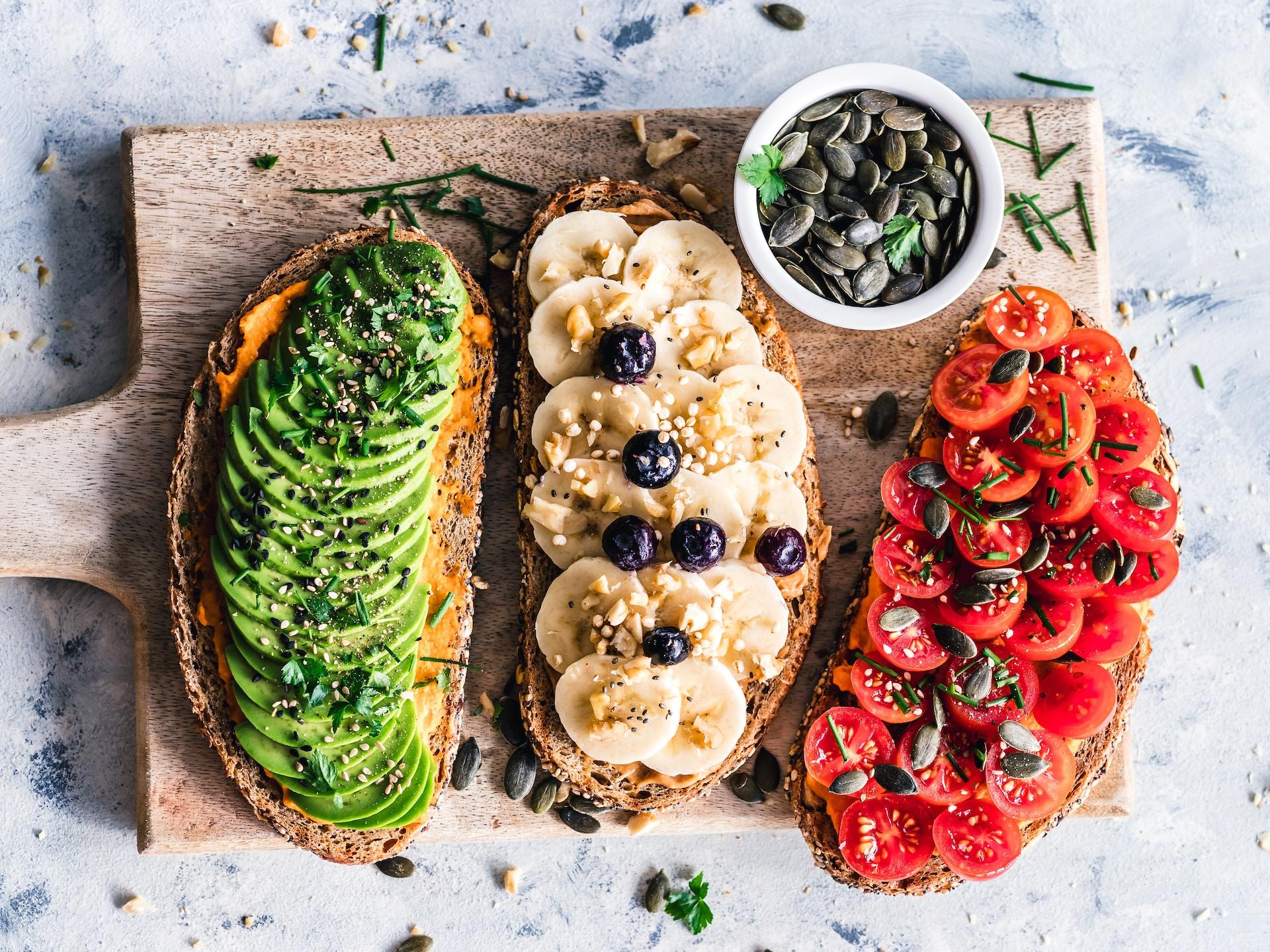

A vegan diet, also known as a plant-based diet, is a dietary lifestyle that excludes all animal products and by-products. This means that vegans do not consume meat, poultry, fish, dairy products, eggs, honey, or any other animal-derived ingredients. Instead, they rely on a wide variety of fruits, vegetables, grains, legumes, nuts, and seeds for their nutritional needs.
Veganism is not just a diet, it is a philosophy that seeks to minimise harm to animals and the environment. By adopting a vegan lifestyle, individuals aim to promote compassion, sustainability, and personal well-being.


The Benefits of a Vegan Diet
Embracing a vegan lifestyle comes with a plethora of benefits for both the individual and the planet. Let's explore some of the remarkable advantages of following a vegan diet.
1. Improved Heart Health
Studies have shown that a vegan diet can significantly reduce the risk of heart disease. By excluding animal products, vegans naturally consume less saturated fat and cholesterol, which are major contributors to heart-related issues. Additionally, plant-based diets are typically high in fibre, antioxidants, and phytochemicals, all of which promote heart health.
2. Weight Management
For those looking to shed a few pounds or maintain a healthy weight, a vegan diet can be highly effective. Plant-based foods are generally lower in calories and higher in fibre, keeping you full for longer and preventing overeating. Furthermore, the absence of animal fats and hormones in a vegan diet can contribute to a more balanced metabolism.
3. Increased Nutritional Intake
Contrary to popular belief, a well-planned vegan diet can provide all the necessary nutrients for optimal health. By consuming a variety of plant-based foods, vegans can easily meet their protein requirements through sources such as legumes, tofu, tempeh, and quinoa.
Additionally, a vegan diet encourages the consumption of nutrient-dense fruits and vegetables, which are rich in vitamins, minerals, and antioxidants.
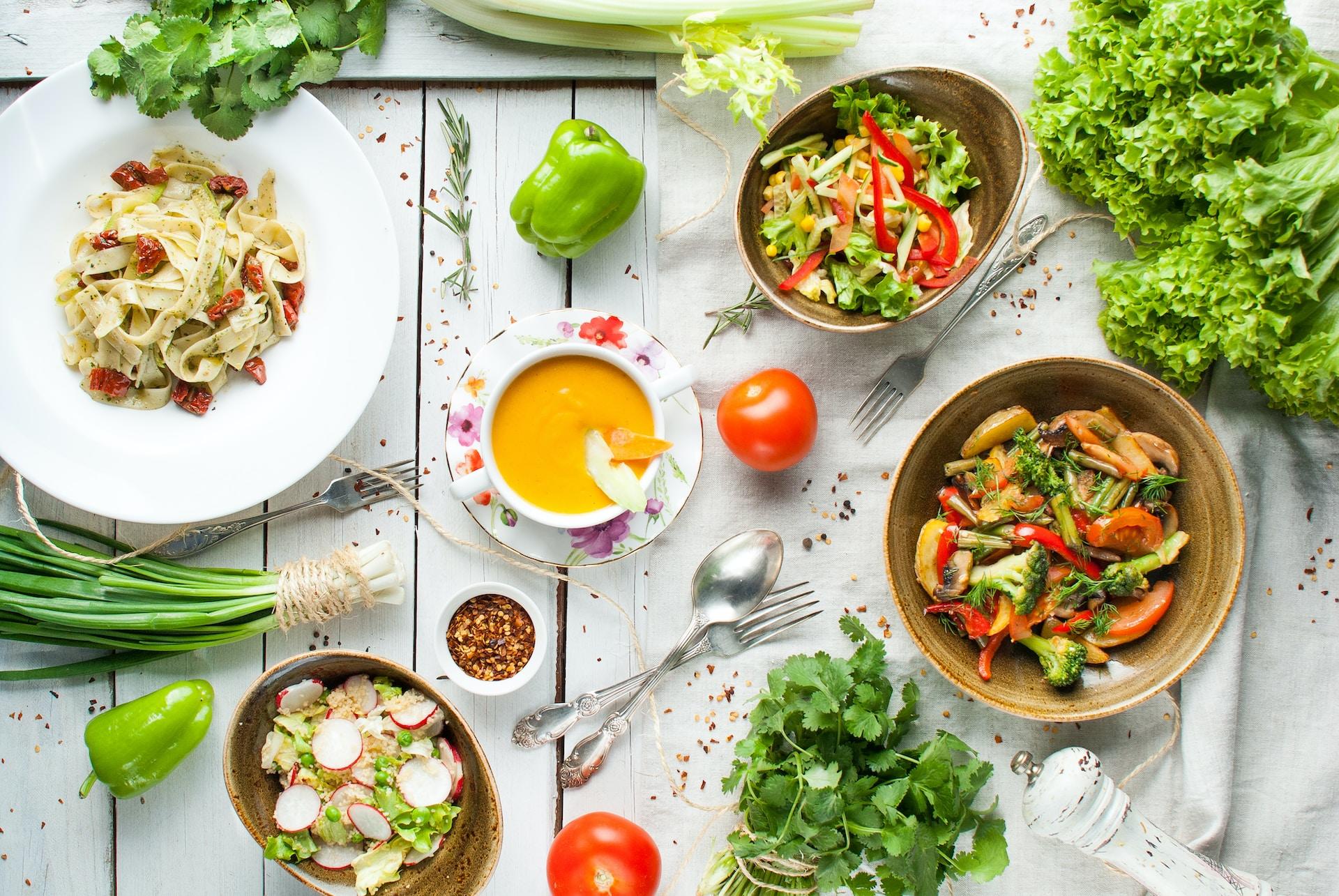
Advantages and Disadvantages of a Vegan Diet
Like any dietary lifestyle, a vegan diet has its own set of advantages and disadvantages. It's important to consider both sides before making the transition.
Advantages of a Vegan Diet
- Lower risk of chronic diseases such as heart disease, diabetes, and certain types of cancer.
- Reduced environmental impact, as animal agriculture is a leading cause of greenhouse gas emissions and deforestation.
- Promotion of ethical treatment of animals, aligning with principles of compassion and non-violence.
- Increased consumption of whole foods, leading to a more balanced and nutritious diet.
Disadvantages of a Vegan Diet
- Potential nutrient deficiencies if the diet is not properly planned, particularly for vitamins B12, iron, calcium, and omega-3 fatty acids.
- Limited food options when dining out or in social settings that predominantly offer animal-based dishes.
- The need for careful meal planning to ensure adequate protein intake and a well-rounded diet.
- The possibility of facing skepticism or criticism from friends, family, or society due to the perceived restrictions of a vegan lifestyle.
How to Transition to a Vegan Diet
Transitioning to a vegan diet may seem daunting at first, but with the right approach, it can be a smooth and successful journey. Here are some steps to help you make the transition:
1. Educate Yourself
Before embarking on a vegan lifestyle, take the time to educate yourself about plant-based nutrition. Familiarise yourself with vegan protein sources, essential nutrients, and potential deficiencies. This knowledge will empower you to make informed food choices and ensure a balanced diet.
2. Start Slowly
Instead of completely overhauling your diet overnight, consider gradually reducing your consumption of animal products. Begin by incorporating more plant-based meals into your routine and gradually phasing out animal products. This gradual approach will allow your taste buds and digestive system to adjust to the changes.
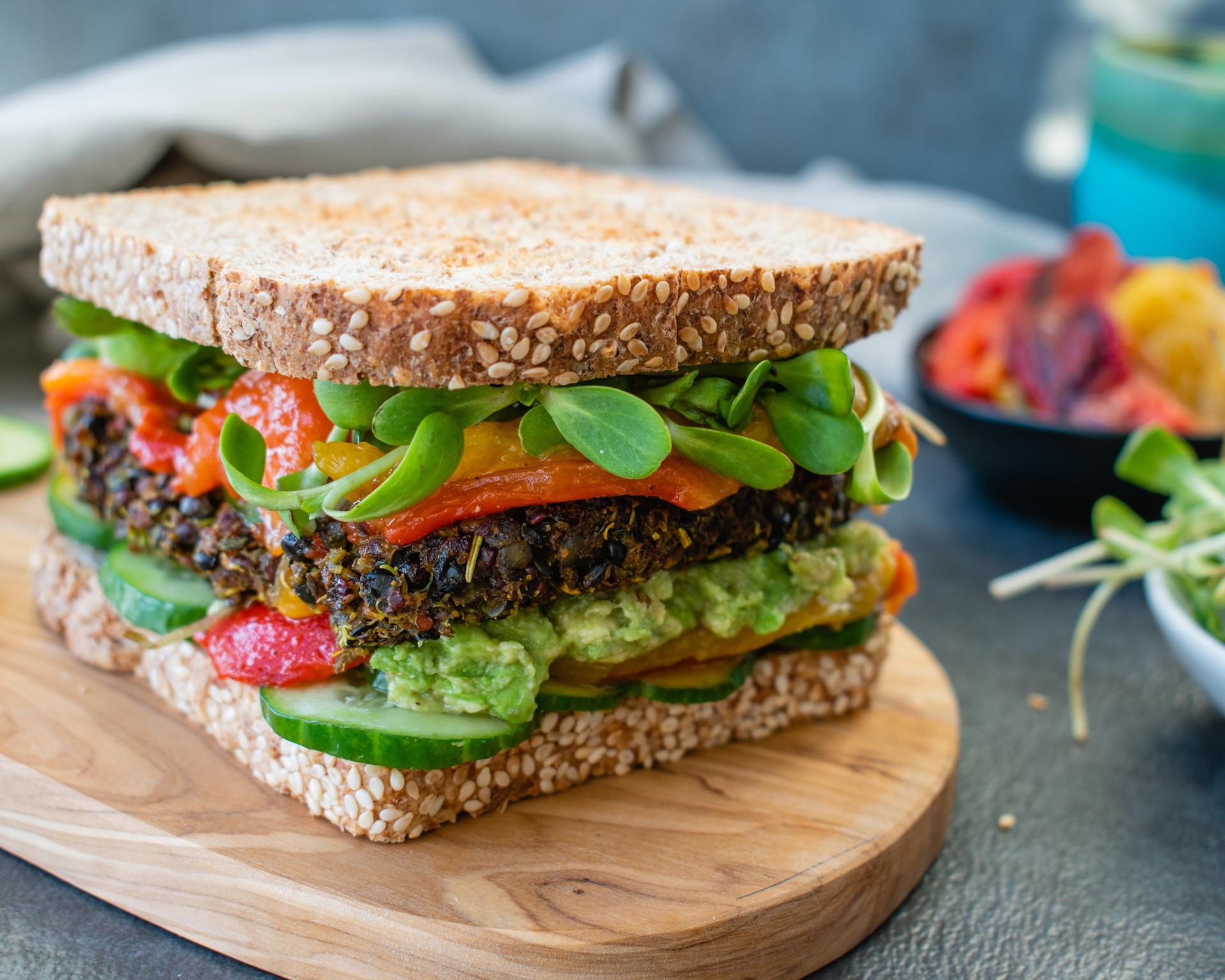
3. Explore New Foods and Recipes
One of the most exciting aspects of transitioning to a vegan diet is the opportunity to discover new foods and recipes. Experiment with different fruits, vegetables, grains, and legumes to find your favorites. Explore vegan cookbooks, websites, and social media platforms for inspiration and guidance.
4. Seek Support
Transitioning to a vegan lifestyle can be challenging, especially if you do not have a support system in place. Connect with like-minded individuals through local vegan meetups, online communities, or social media groups. These communities can provide guidance, share experiences, and offer support on your journey.
Creating a Vegan Diet Plan For Beginners
Creating a well-balanced vegan diet plan is essential for ensuring that you meet your nutritional needs while enjoying a variety of delicious meals. Here are some tips to help you design a vegan diet plan for beginners:
1. Focus on Whole Foods
When planning your meals, prioritise whole, unprocessed foods such as fruits, vegetables, whole grains, legumes, nuts, and seeds. These foods are not only nutrient-dense but also provide a wide range of flavours and textures.
2. Include a Variety of Protein Sources
To meet your protein requirements, include a variety of plant-based protein sources in your diet. Legumes (such as lentils, chickpeas, and black beans), tofu, tempeh, seitan, quinoa, and edamame are excellent options. Don't be afraid to experiment with different recipes and cooking methods to make your plant-based proteins more exciting.
3. Don't Forget About Healthy Fats
While a vegan diet naturally excludes saturated fats found in animal products, it's important to include healthy fats in your meals. Avocados, nuts, seeds, and plant-based oils (such as olive oil and coconut oil) are great sources of healthy fats that provide essential nutrients and promote satiety.
4. Ensure Sufficient Nutrient Intake
Vegans need to pay attention to certain nutrients that may be lacking in a plant-based diet. Consider incorporating fortified foods or supplements to meet your needs for vitamin B12, iron, calcium, and omega-3 fatty acids. Consult with a registered dietitian or healthcare professional to determine the appropriate supplementation for you.
Vegan Recipes and Meal Ideas
Transitioning to a vegan diet doesn't mean sacrificing flavour or variety. There are countless delicious vegan recipes and meal ideas to explore. Here are a few examples to get you started:
1. Breakfast: Vegan Scrambled Tofu with Sautéed Vegetables
Sauté a mix of colorful vegetables, such as bell peppers, onions, and spinach, in a pan with a little olive oil. Crumble tofu and add it to the pan, seasoning with turmeric, nutritional yeast, and salt. Cook until the tofu resembles scrambled eggs. Serve with whole-grain toast for a satisfying and protein-packed breakfast.
2. Lunch: Chickpea Salad Wraps
In a bowl, mash chickpeas with a fork and mix in diced cucumber, cherry tomatoes, red onion, fresh parsley, and lemon juice. Season with salt, pepper, and a drizzle of olive oil. Spoon the mixture onto whole-grain wraps, add some avocado slices, and roll them up for a refreshing and filling lunch.
3. Dinner: Lentil Curry with Coconut Milk
Sauté diced onion, garlic, and ginger in a pot with a little oil. Add red lentils, vegetable broth, curry powder, turmeric, and cumin. Simmer until the lentils are tender and have absorbed the flavours. Stir in coconut milk and cook for a few more minutes. Serve the lentil curry over brown rice or quinoa for a comforting and nutritious dinner.
Vegan Diet and Health - The Science Behind it
Scientific research by Pubmed has consistently shown that a well-planned vegan diet can provide all the necessary nutrients for optimal health across all stages of life. Here are some key findings regarding the health benefits of a vegan diet:
- Reduced Risk of Chronic Diseases.Numerous studies have linked a vegan diet to a reduced risk of chronic diseases such as heart disease, type 2 diabetes, high blood pressure, and certain types of cancer. The abundance of fibre, antioxidants, and phytochemicals found in plant-based foods contribute to these protective effects.
- Weight Management. A vegan diet can be an effective tool for weight management. Plant-based foods are generally lower in calories and higher in fibre, helping to create a feeling of fullness and prevent overeating. Additionally, the exclusion of animal fats and hormones can contribute to a more balanced metabolism.
- Improved Gut Health. The high fibre content of a vegan diet promotes a healthy digestive system by supporting regular bowel movements and feeding beneficial gut bacteria. This can help prevent constipation, reduce the risk of colon cancer, and improve overall gut health.
- Lower Cholesterol Levels. By excluding animal products, vegans naturally consume less dietary cholesterol, which can lead to lower blood cholesterol levels. This reduction in cholesterol is associated with a decreased risk of cardiovascular diseases.
Beyond personal health benefits, adopting a vegan lifestyle also has a positive impact on the environment. Here are some key environmental benefits of a vegan diet:
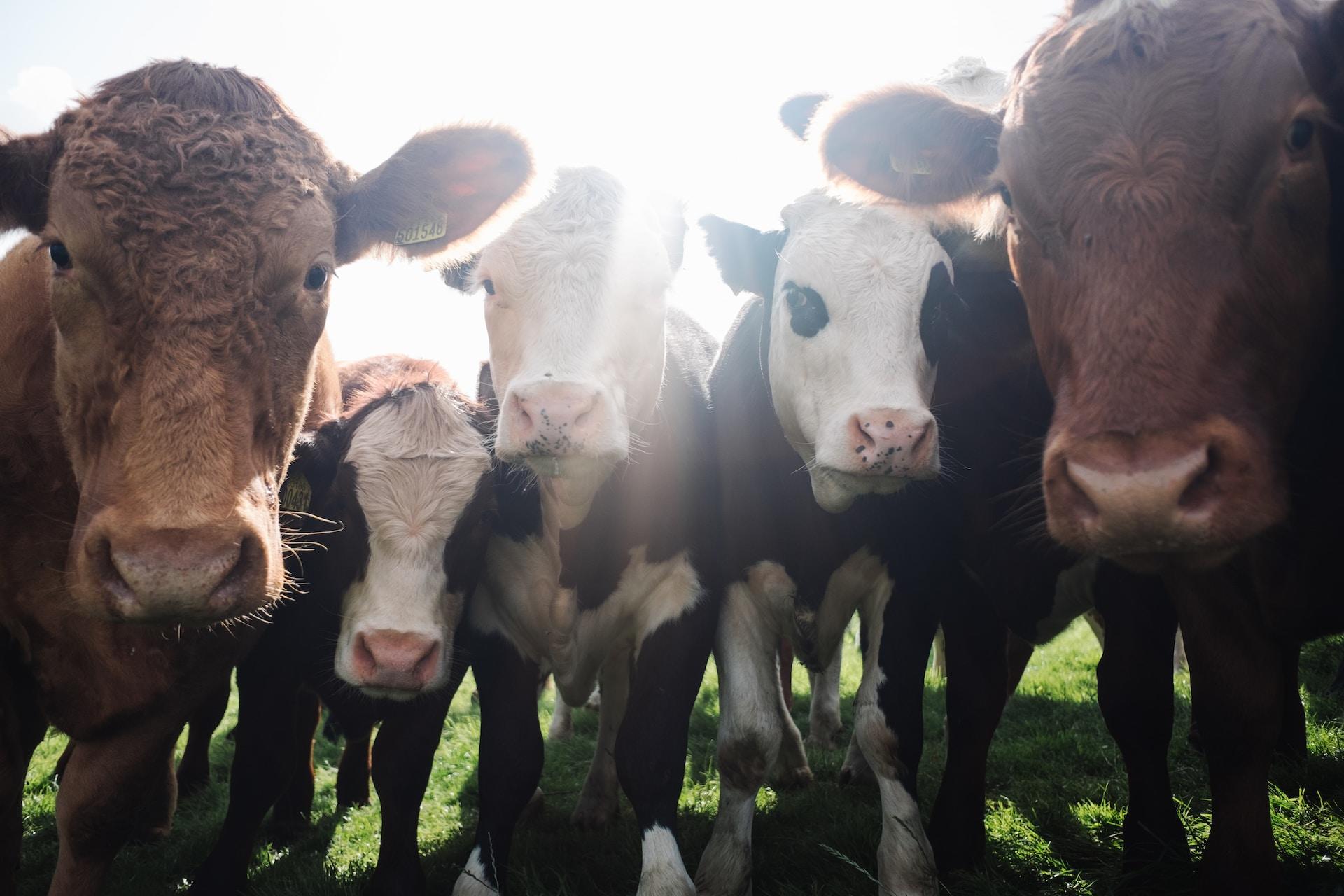
- Reduced Greenhouse Gas Emissions. Animal agriculture is a leading contributor to greenhouse gas emissions, making it a significant driver of climate change. By reducing or eliminating the consumption of animal products, individuals can significantly reduce their carbon footprint and contribute to a more sustainable future.
- Conservation of Natural Resources. Animal agriculture requires vast amounts of land, water, and energy resources. By transitioning to a vegan diet, individuals help conserve these valuable resources, as plant-based foods require fewer resources to produce.
- Preservation of Biodiversity.The expansion of animal agriculture often involves deforestation, leading to the loss of habitats and biodiversity. By choosing a vegan lifestyle, individuals can support the preservation of ecosystems and protect endangered species.
- Water Conservation. Animal agriculture is a major consumer of freshwater resources. Producing meat requires significantly more water compared to growing plant-based foods. By reducing meat consumption, individuals can help conserve water and alleviate water scarcity concerns.
Embracing a Vegan Lifestyle For Radiant Health
The journey to embracing a vegan lifestyle is not only beneficial for personal health but also for the well-being of animals and the planet. By adopting a plant-based diet, individuals can experience improved heart health, weight management, and increased nutritional intake. Moreover, the environmental benefits of a vegan lifestyle contribute to a more sustainable and compassionate world.
Whether you choose to transition gradually or dive right into a vegan lifestyle, remember to educate yourself, seek support, and explore the abundance of delicious vegan recipes and alternatives. Embrace the power of plants and discover the remarkable benefits of a vegan lifestyle for radiant health.
*Disclaimer: This article is for informational purposes only and should not be considered medical advice. Consult with a healthcare professional or registered dietitian before making any significant changes to your diet.
Summarise with AI:
Enjoyed this article? Leave a rating!

 Loading...