

“The best preparation for tomorrow is doing your best today.” – H. Jackson Brown Jr
Let’s face very few people actually enjoy studying! Right? Yes, most regular folk find this activity, when preparing for exams, boring to say the least. Some students would do anything other than swotting for an exam - even cleaning toilets is preferable to them!
Bemoaning you fate is not going to help you in any way. Rather than wasting your time in this way, consider how important this activity is in terms of the acquisition of vital knowledge and the laying of a solid foundation for a successful future!
Many great people in the annals of history became so through dedication, hard work and perseverance! Do you want to do something remarkable with your life? Do you want to become successful and make a difference in the world, like Nelson Mandela, Pope John Paul II, Einstein, Mother Theresa, or Bill Gates? If yes, focus on your studies. Really become serious about them!
We, the helpful folks at Superprof, truly care about our readers, their ambitions and about them achieving their goals and, so, we would like to smooth the path for them in terms of their studies, by bringing to the fore something really special.
What’s that, you say?
Flashcards!
Today’s article deals with how best to create study flashcards and propel you on the path to success!


Custom-Make Your Own Flashcards
We know, we know: we live in a digital age. We get it! However, it is also true that a great many things still work well when done in the tried and tested (old) way. Like study methods and educational activities. So, how do you get the best out of your attempts at studying? Try making use of flashcards to study!
In no way do we want to run down some of the great flashcards you can find online. The truth is that the old-fashioned way, of creating your own flashcards, is very advantageous, especially for visual and auditory learners.
Right, you’ve got that, but how do you go about creating your own unique flashcards? Would designing them on a computer or downloading them not be much easier? Not particularly! The benefits gained from making your own flashcards are numerous and have a far-reaching impact on your learning!
So, what do you need to make your own study flashcards? The following are items that you need to procure:
- A pencil or pen,
- Sturdy paper or card,
- Different coloured markers.
Once you’ve made your purchases, you’re ready to start creating your very own personalised flashcards. The first thing to remember is that is important to remember to make your flashcards impactful. They do NOT have to contain oodles of information!
Less is more!
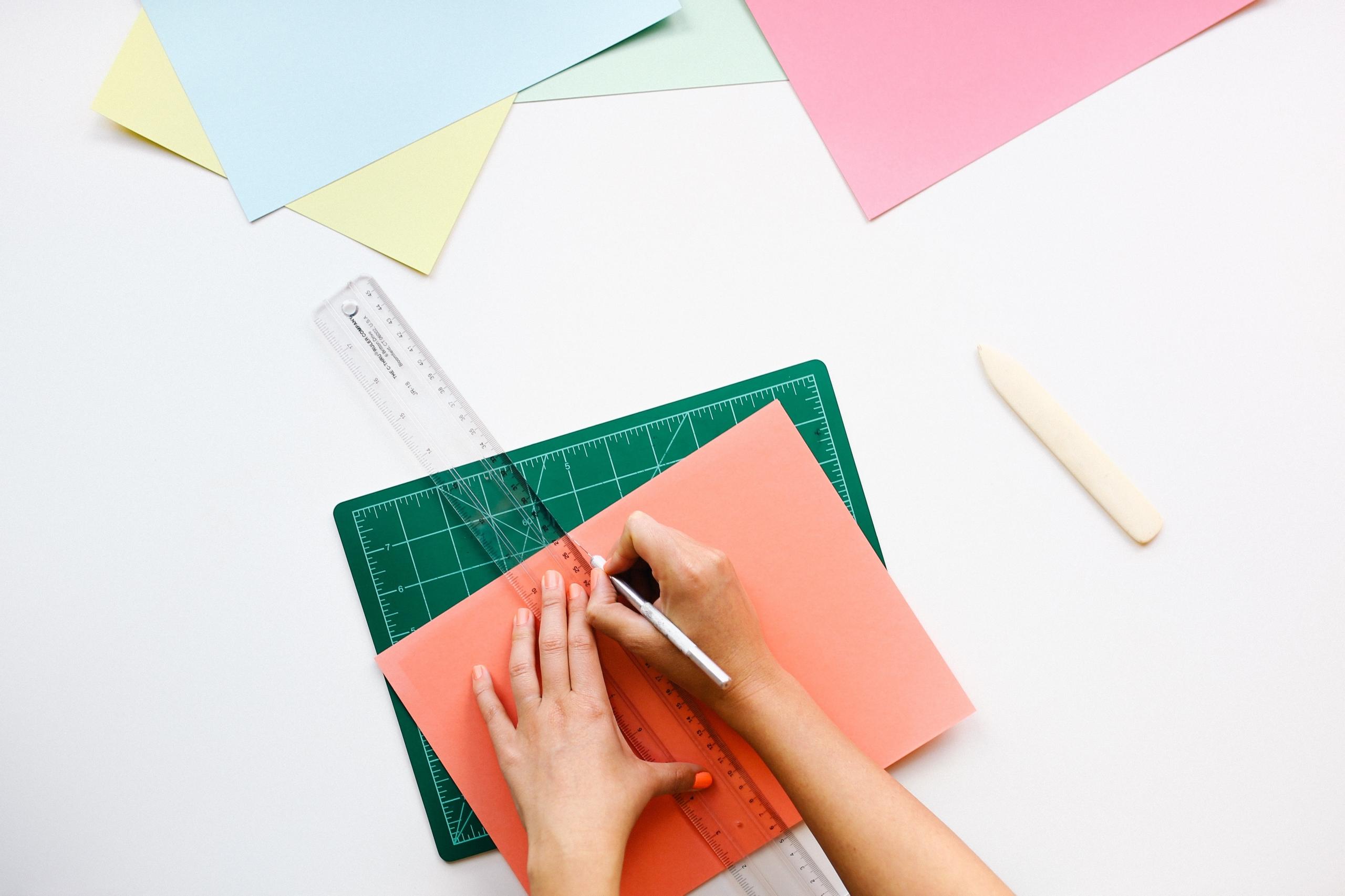
Utilise both sides of the flashcard and use them to quiz yourself on a range of topics, such as historical personalities, important events, the definition of words and other important concepts. So, place the question on one side and the answer, name or definition on the reverse of the card.
We strongly suggest that you use sturdy paper or card as it won’t tear or break easily!
Before stepping off this point, it is worthwhile mentioning that, if you really don’t want to make use of physical flashcards and find it easier to make use of the online generated cards, there are at least two highly recommended resources: Quizlet and Anki flashcards. Try them out and decide which suits your needs best!
You’re now well on your way to creating your own, custom-made flashcards. Keep reading as we now provide some great practical pointers to help you get the most out of them!
Pointers to Use Flashcards Successfully
Helpful advice and tips always make a difference, especially when it comes to study techniques for exams. Even if your focus has been on other methods of study, it is always helpful to come across some great pointers. Why? It is because even if you’re aware of some constructive tip, technique or useful material, it may not help at all, if not properly clarified, understood and properly put into practice.
Like with many things, it’s all well and good to have an idea or the materials needed, the proof of the pudding is always in the eating. You have to utilise what you have effectively, so that everything comes together to support your learning and put you in the pound seat, come exam time!
So, without any further dilly-dallying, let’s have a look at six ideas can instruct varsity students in the effective use of flashcards.
Keep it Clear-Cut and Cool
In many areas of life, it’s best to keep things clear-cut. The same applies to the use of flashcards to study, in that the best thing to do is to keep the information on a flashcard down to the minimum. The impact of each card will be greater and will come across as clean and aesthetically pleasing.
To use a flashcard judiciously, print one concept, fact or question on one side of a flashcard, with linked data printed on the other side. The answer to a question or additional information should then be recorded on the reverse of the card, which will engage neural pathways to help you retrieve specific information rapidly.
Including too much information on a flashcard may have more drawbacks than benefits, since you may become frustrated at stalling, instead of feeling that you are progressing.
Also, remember that no-one is perfect and that there will be some missteps along the way to creating your flashcards. Plan your flashcards in rough first, so that you can filter through the information that you need to recall and whittle it down to the most necessary elements or facts.
Use a Combination of Words and Pictures
Many a visual learner would benefit tremendously from adding pictures or drawings to their notes. Anyone can remember an object or event that they saw or witnessed long ago and, in some cases, quite vividly. This illustrates quite clearly how images can impact on one’s learning and recall.
So, to make your revision sessions more effective, throw in a healthy dollop of illustrations alongside your notes and create some really powerful and significant flashcards! Yes, your custom-designed flashcards will be tremendously potent if you combine words and images to help you recall important information!
Do be concerned that you’re no Picasso, no-one else, but you, will be viewing your limited-edition flashcards – so much better than the generic Internet-generated ones!
Your funny, off-beat drawings will help relieve the monotony of studying and may be just the thing to jog your memory in the middle of an exam.
Define a Time Period

Very few activities can be more mind-numbing and depressing than staring at notes for hours on end. Everyone has experienced that already, right? Your brain will soon lose interest and will, over time, stop acquiring new information because of over-exposure.
So, if you’re revising your class notes or using flashcards to quiz yourself, remain calm and remember to take regular breaks!
You can purchase a timer or a small alarm clock and set an alarm for a break, every 30 or 45 minutes. Take a real break in this time: enjoy a short walk, call a friend, eat a wholesome snack, listen to your favourite music and drink some water. It is recommended that for every hour, 45 minutes should be spent studying and creating study flashcards, while 15 minutes should be set aside for relaxing the mind and enjoying a different level of activity!
You want to enjoy your time spent creating and reviewing with flashcards. Right? So, ensure that you take regular breaks to keep the activity fresh, light and engaging! It is a fun activity, but don’t overdo it! Everything in moderation! Okay?
Keep it Simple
The whole idea with flashcards is to keep it simple! Don’t clutter it with too much information! So, you have a complex statement to break down! What to do? Let’s look at a possible solution!
Consider using more than one flashcard, for example, to set out the French Revolution and its causes. Keep it simple - use a single card for one of those facts and a series for several!
Breaking the information down into digestible bits will make your revision sessions enjoyable because the information will be set out neatly in a well-organised fashion.
When you want to set out all the points of a single topic, think about using one colour for all the cards, which will set it apart from other topics and concepts!
Colour-coding is cool ... and it works!
Maintain a Healthy Balance
One of the best study techniques for exams, flashcards come highly recommended by education practitioners and experts. However, it is important to note that other methods of study should not totally be dispensed with.
Discuss alternative study methods with a tutor, your teachers and fellow-students so that you don’t overuse flashcards and become bored with your studies!
Know that we love flashcards, however, we are suggesting that you use them judiciously and balance them with other study methods as well.
In closing, we sincerely hope that our beloved high school and varsity students start using these wonderful aids – flashcards – to prepare for their finals and ace them! Go team! Go!
Summarise with AI:
Enjoyed this article? Leave a rating!

 Loading...
