
Great actors have a way to magically create authentic characters with conviction. They can tell a story with their bodies through a simple look or gesture. Experienced actors manage to almost undergo a full physical transformation when they become new, defining characters.
But where and how do they learn it?
As an aspirational actor you might think that this is due to their acting talents. But similar to many professions, talent is only the start of it. All the big names in the industry had to practice their craft and how they use their physical body to bring characters to life. Being an actor is way more than simply pretending to be someone and if you plan to make a success of it, you’ll have a to find the tools and techniques to make you better at it.
Acting techniques can aid the actor in becoming a character and many actors will find one technique they'll stick to for years. Some change their approach or technique depending on the type of character they take on. Many actors don't actively use their chosen technique with each performance and perform easily if they prepared enough. They will use their preferred technique excessively in the rehearsal process when they create, embody and rehearse to physically become that character.
Here are some of the principle acting techniques and styles that you’ll learn about in acting- or film schools and colleges.


Classical Acting – Crafting The Physical Instrument
Classical actors, as the name implies, are those who are classically trained in the dramatic arts. Their physical body is seen as their instrument and they will undergo a wide variety of disciplines to master their craft including drama lessons, movement, voice and singing classes.
This type of drama training is quite broad and generally what degree students in performing arts experience. Its focus is the integration between the body, voice, mind and imagination.
Many well-known acting teachers and experts created excellent work that is still being used by today's actors. Shakespearean actors, Chekhov actors or even those who studied Stanislavsky can be classified as classical actors due to their exposure to classical theatre and playwright pieces.
It is a style that is all about motive and action, rather than how the performance feels, while still delivering dialogue flawlessly to script. That might be one of the most distinctive differences classical actors have; sticking to each word on the script, where method actors combine the script with their personal interpretation and how they feel the character would respond.
Stanislavski is one of the most used and practised techniques for today’s classically trained actors. He was a famous theatre practitioner and director of his time and his techniques are grounded in the feelings and experiences that a character goes through because of its universality.
The Stanislavski acting method encouraged actors to put themselves into the shoes of their characters by really delving into the world of the character with questions like where am I, what do I want or how will I get it?
This mindset where an actor first understands the given circumstances, motives and character objectives will adapt physical, mental and verbal reactions that is suited to the scenario. Actors find themselves to be in that specific scenario and at that specific time which will help them deliver truthful and honest performance each time.
Stella Adler, Marlon Brandon and Lee Strasberg all used Stanislavski’s work to build their acting theories on. Your understanding of the history of drama and studying the work of famous acting techniques will certainly make you a better actor, even if you choose to use one of the more modern techniques.
Method Actors – Becoming the Character
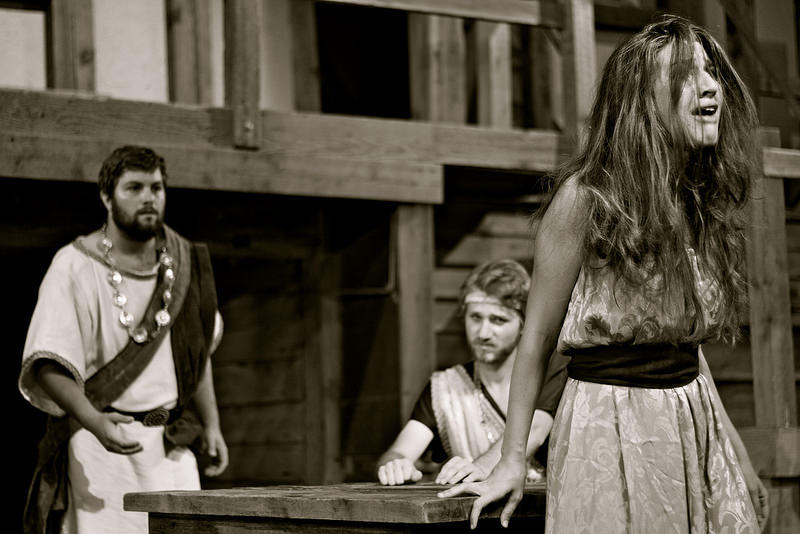
In method acting the actor is allowed some form of improvisation if they personally feel it is something that the actor would say or do.
Their personal experiences, physiological understanding and rationalisation around the character will bring unique, raw and powerful emotions to their performance. Performances by Method actors tend to be a lot more exciting to watch because of its unpredictability.
Some famous actors have a firm belief that the method acting technique is the best way of acting. Developed by Lee Strasberg, method actors fully immerse themselves into the character’s life and psyche. Some actors are so committed that they will put themselves through the experiences the character goes through to fully comprehend it's effect.
This can however cause a lot of pain and even trauma. Some actors change their diets, begin to smoke or simulate a break-up which is why many acting coaches will advise against that extremity as it is not a sustainable way to build a healthy acting career.
Method actors will also remain ‘in character’, refusing to break their composure as this is usually associated with remaining connected to their character. They will thus try and emulate that character until the last scene when they hear ‘cut' from the director.
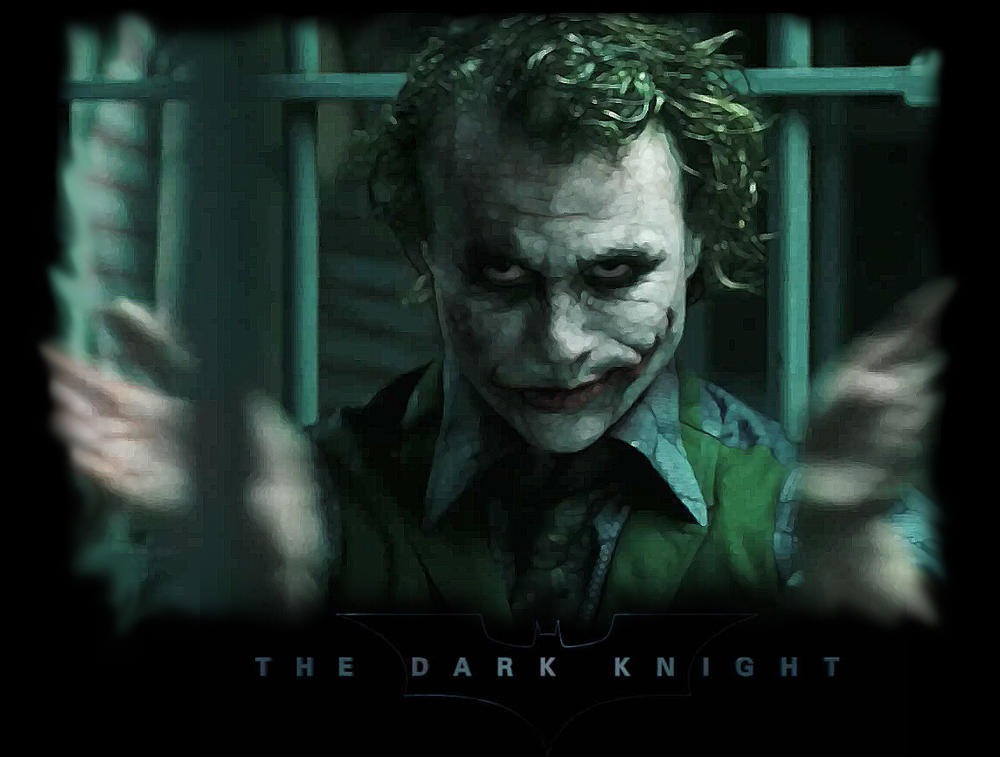
The late Heath Ledger was well-known for using method acting. His role as Joker in Batman: The Dark Knight was one that won him numerous awards, but unfortunately his obsession with the role negatively influenced his personal mental health and stability. The ongoing struggles were evident in his personal life according to others and unfortunately he passed away during the filming of his last scenes on this well-known film.
Like most acting techniques, method doesn’t live completely on its own and Lee Strasberg had the same objective as most directors and performing artists; the ability to bring raw and truthful experiences to life through acting.
The Meisner Technique - All About Other Actors
Sanford Meisner developed another useful and different technique that actors can use when they perform. According to Sanford, nothing else but the scene and fellow actors exist in that moment. It’s not about personal performance, or what you need to do, but the impulses and responses the other actors and factors awaken in you.
The Meisner acting technique is about truly connecting with other actors and sensing sometimes the underlying messages that not even they are aware of sending. The performances are intense because we are peeking into the private moments that happen between actors, which is what makes this technique so powerful.
One of the primary tools in a Meisner lesson is learning to truly listen to the other character. It’s about having real conversations that are informed mostly by non-verbal cues and then in turn responding on the impulses evoked. This makes it instinctive and spontaneous, therefore slightly different to the planned, and conventional classic theories.
He would encourage actors to fully exist in these imaginary situations, improvising and reacting according to the circumstances of the specific scene. The lines are learnt as a ‘matter of fact’ but how they are being delivered is all dictated by instinct and the flow of the scene.
On Superprof we have experienced drama tutors who understand and can show you what the Meisner technique is about. Hit the search bar at the top to find drama classes in your city.
Practical Aesthetics
More modern than classical acting techniques, physical aesthetics was created by David Mamet and William H. Macy. Informed by the teachings of Stanislavski and Meisner, this technique takes a bit of a different spin by including the teachings of stoic philosophers like Epictetus.
Practical aesthetics include script analysis, repetition exercises and the important exploration of adaptability. The technique is all about applying stoic principles and theories put to use are quite different to method acting that they would classify as self-indulgent.
Practical aesthetics will focus on the actor’s will and intention, the actions that will follow as consequence which will equally benefit all; the actor, director and the writer.
The Beginning of The Acting Technique Journey
Acting is a practical vocation which means that just like sport you have to practise to become better at it. Many actors work for years to perfect one of these techniques and you shouldn't be too concerned if you are uncertain how to approach them.
The best way to learn them is by finding an acting teacher, acting course, drama school or amateur group to join. You’ll hear more about these methods and with time create your own toolkit of skills to truly bring authentic characters to life.
Those who plan a more committed approach to acting can also buy some of the classic books on acting, monologues and techniques. The techniques, just like a character, will take off the moment you take them off the pages and apply them in your acting.
And if you are preparing for a film or theatre audition and need a lesson or two to embody the character, we have drama tutors right here on Superprof you can contact.
The world is your stage and it is time to find the techniques to make the most of it.
Summarise with AI:
Enjoyed this article? Leave a rating!

 Loading...