
Are you ready to embark on a creative journey that combines artistry with practicality?
Sewing lessons offer you the chance to master a timeless skill that's both rewarding and practical. Whether you're a complete beginner or looking to enhance your existing abilities, the vibrant sewing community in Johannesburg has something to offer everyone. From traditional techniques to modern innovations, local sewing classes will open up a world of possibilities for your creative expression.
As you explore the options available, you'll discover a range of sewing courses in Johannesburg that cater to different skill levels and interests. You'll learn about the essential equipment needed to start your sewing adventure, and how your skills can progress from basic stitches to complex garment construction like quilting. We'll also delve into how developing your sewing skills can enrich both your personal life and professional prospects. So, grab your thimble and thread – it's time to stitch together a new chapter in your life!


Choosing the Right Sewing Course in Johannesburg
When you're looking to master the art of sewing in Johannesburg, you'll find a variety of courses to suit your needs. To help you make the best choice, consider these key factors:
Course Duration and Schedule
Sewing courses in Johannesburg offer flexible options including formal and informal training to fit your lifestyle. You can choose from short introductory lessons to more comprehensive programmes. For instance, Villioti Fashion Institute provides a six-month Beginner's Garment Construction course, perfect for those wanting to create quality clothing and décor items. If you're keen to grow your expertise, they also offer a four-month Advanced Garment Construction course.
Class Size and Individual Attention
Many sewing schools in Gauteng limit their class sizes to ensure a hands-on learning experience.
This approach allows you to get individual attention, which is crucial when you're learning a new skill. Smaller classes also create a relaxed and fun environment, making your learning journey more enjoyable.
Curriculum and Learning Outcomes
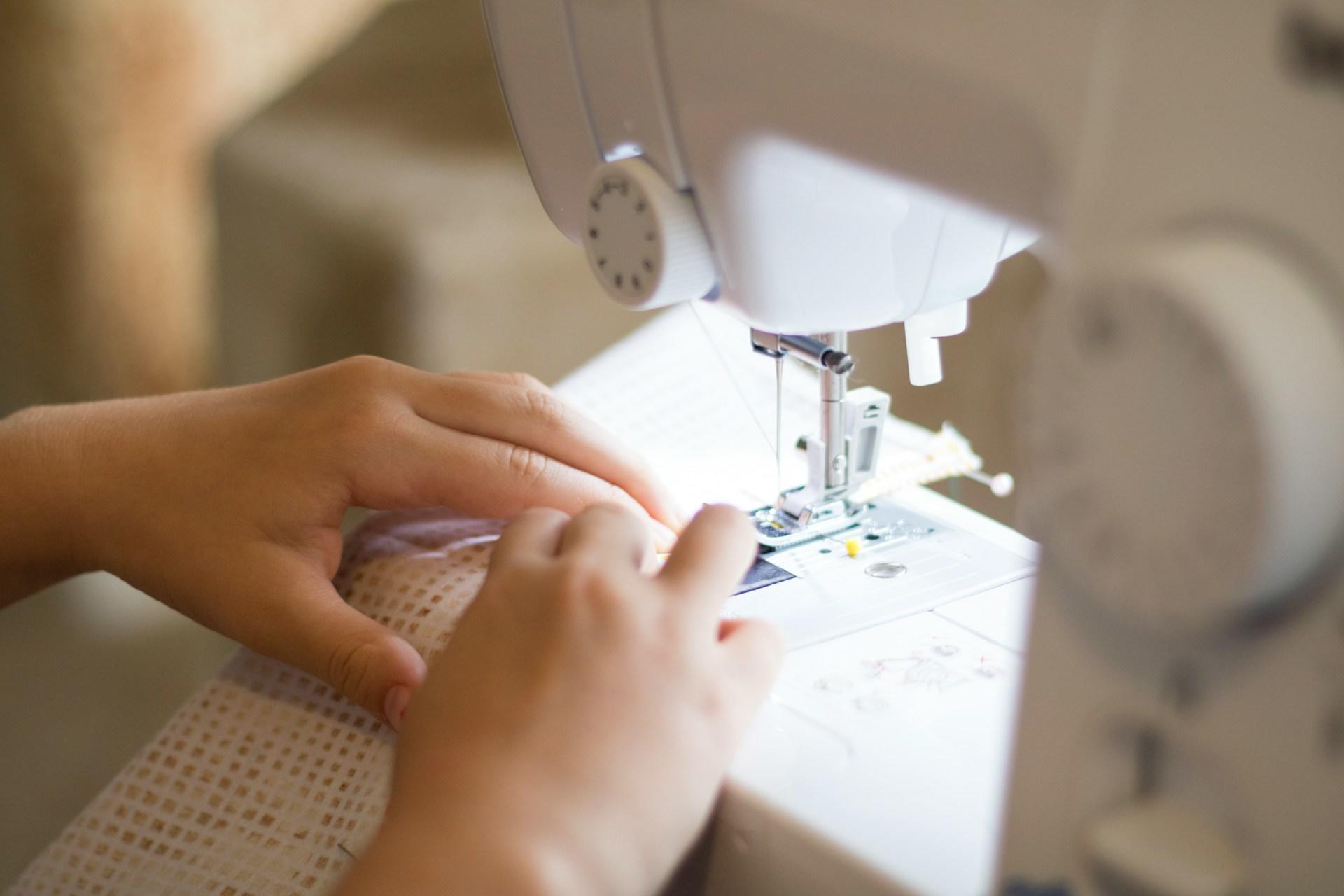
Before enrolling in a class, it's essential to understand what you'll learn. Most beginner courses will cover the following:
- Understanding how your sewing machine works
- The qualities of different types of fabrics
- Getting to grips with sewing terminology
- Basic techniques like measuring, pinning and cutting
- Simple projects such as pillowcases or aprons.
Advanced courses will delve into more complex concepts like pattern-making, garment construction, and working with various fabrics. Some schools, like Design26 Foundation in Cape Town, even offer accredited courses that can enhance your employability in the fashion industry. Studying in a different city may be something to consider if it will boost your future prospects.
By considering these factors, you'll be well-equipped to choose a sewing course that aligns with your goals and learning style.
Get Your Own Private Online Tutor
No matter where you are, Superprof can help you advance on your sewing journey in the comfort of your own home.
Our platform offers flexibility and versatility, plus the benefit of one-on-one coaching. So, if you are someone that would like a more personal approach then an online or in-person tutor might be the best pick for you.
And guess what? Your first lesson with Superprof is usually free!
Essential Equipment for Sewing Lessons
There are a few non-negotiable pieces of equipment that you'll need for successful sewing lessons. Read on to find out what they are and why they are important.
Sewing Machines: What to Look For
When choosing a sewing machine for your lessons, consider features that will enhance your learning experience. Look for machines with a backlit LCD display, which allows you to easily manage sewing functions and customise stitch settings. Thread trimming capabilities can save you time, while adjustable foot pressure will accommodate various fabric thicknesses. A drop-in bobbin system and lock stitch feature are also valuable for beginners. For smooth, even feeding, seek out machines with a square feed drive system.
Basic Sewing Tools
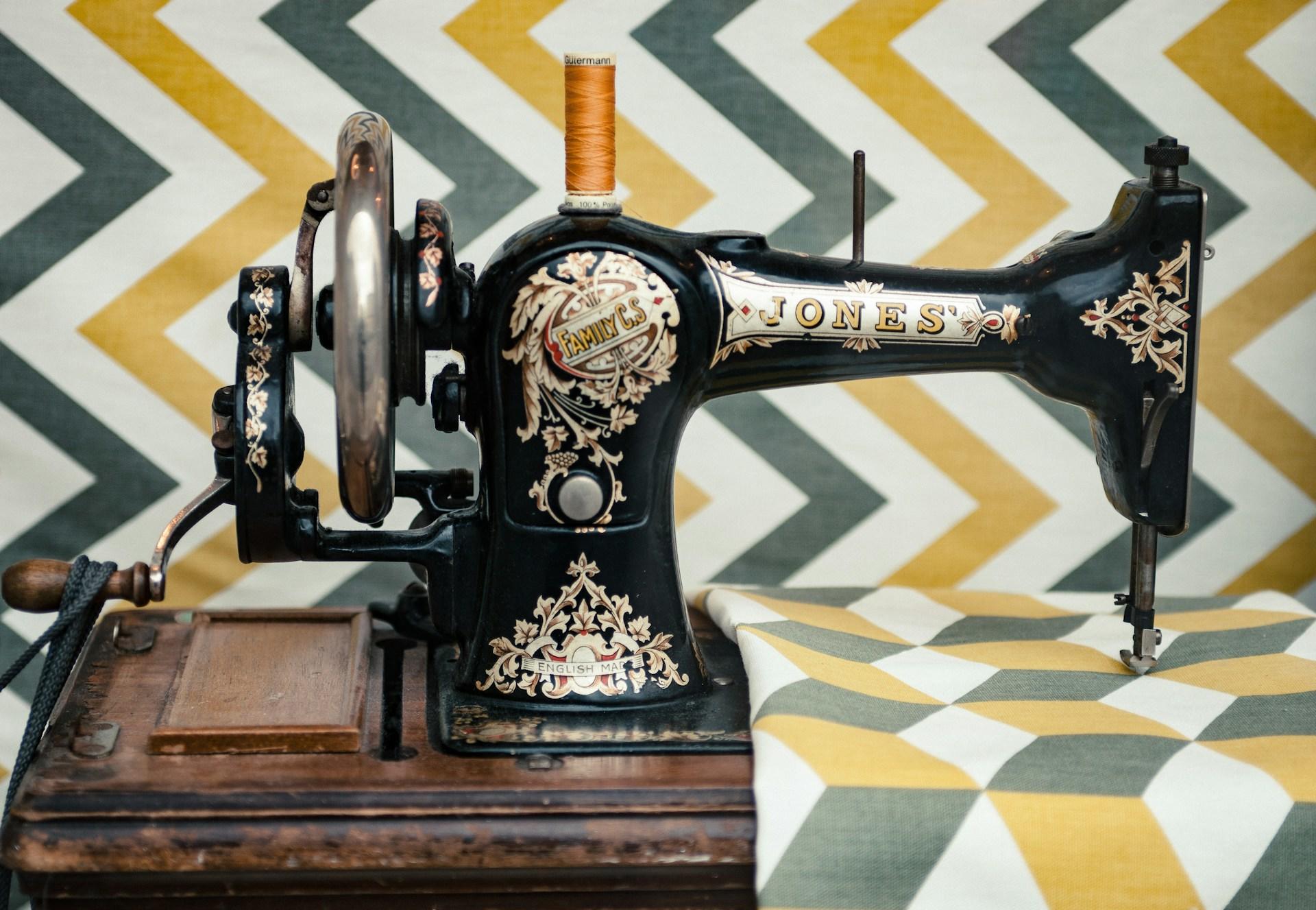
To get started with your sewing lessons, you'll need some essential tools and supplies. Some of these are listed below:
- High-quality sewing machine needles
- Thimble
- Fabric scissors
- Measuring tape
- Pins and pincushion
- Seam ripper
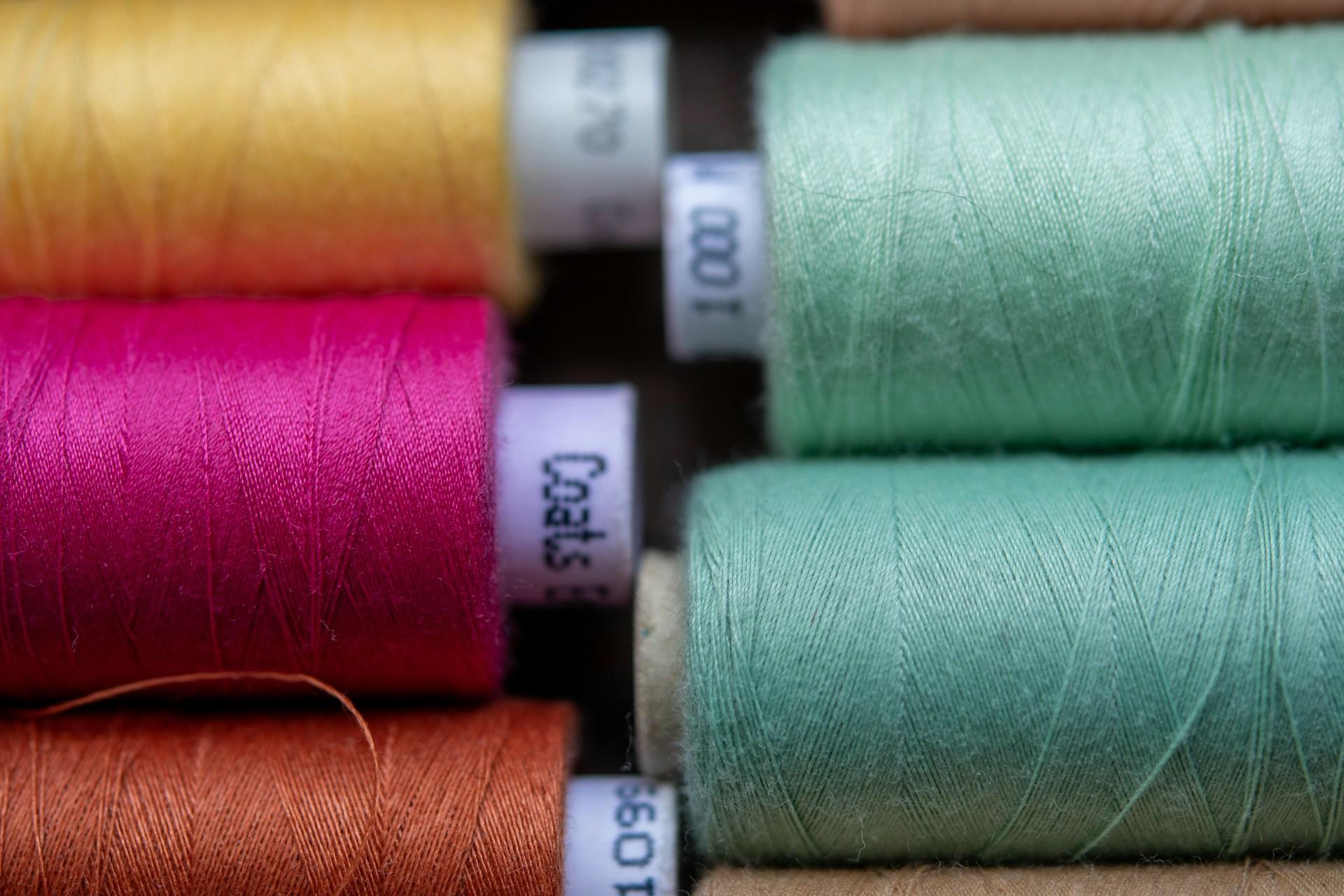
- Thread in various colours
- Bobbins
- Fabric marking tools.
You should be able to find a sewing kit that includes these basics.
As you progress in your sewing journey, you might want to explore more advanced tools like:
- A bias tape maker for creating your own binding tape
- Bobbin clips to keep your threads organised
- A seam allowance guide set for precise measurements
- Non-slip fabric grips for cutting accuracy
- Roller presser foot for handling sticky or textured fabrics
- A magnifying glass for detailed work.
Remember, your local haberdashery can provide valuable advice on choosing the right equipment for your needs and skill level. Sales assistants in these shops are usually very knowledgeable and can offer guidance on machine maintenance and accessories that will best suit your sewing goals.
From Basics to Mastery
Learning to sew involves mastering many techniques and pieces of equipment. Below is an outline of what you can expect as you advance through your lessons.
Fundamental Sewing Competency
When you're starting your sewing journey, you'll begin with the basics. In beginner courses, you'll learn how to use a sewing machine, insert elastics, zips, and buttons, and master hemming techniques. You'll also gain the ability to read bought patterns, which is crucial for creating your first projects. These foundational skills are typically covered in courses like the Beginner's Garment Construction at Villioti Fashion Institute, where you'll spend six months learning the fundamental components of garment construction.
Intermediate Techniques
As you progress, you'll move on to more complex techniques. Intermediate courses often focus on working with different fabrics and creating various garment types. You'll learn to sew skirts in knit fabric, dresses, pants, and shirts. These courses also cover more advanced techniques such as sewing waistbands, bindings, facings, darts, and complicated fly zips and pockets. For men's clothing, you'll learn to create t-shirts, hoodies, pants, and shirts.
Advanced Projects and Specialisations
At the advanced level, you'll tackle more challenging projects and specialise in specific areas.
You might learn to trace ready-made garments, sew tailored jackets, kimonos, and tops with lace appliqué. Some courses even teach you to create accessories like handbags. For those interested in men's fashion, advanced courses cover making waistcoats, tailored jackets, and shorts. You can also explore pattern making, which opens up possibilities for creating unique designs. Some institutions offer comprehensive courses designed for students aiming to establish their own clothing businesses, covering a wide range of pattern blocks for both women's and men's clothing.
The Impact of Sewing Competence on Personal & Professional Life
DIY Fashion and Home Decor
When you learn to sew, you gain the ability to personalise your clothing and express your creativity.
You can craft garments that fit your body shape and style perfectly, adding a unique touch to your wardrobe. This skill also extends to home decor, allowing you to create custom items that reflect your personal taste and enhance your living space.
Entrepreneurial Opportunities
Having sewing skills can open doors to entrepreneurial ventures. Many people have turned their passion for sewing into profitable businesses.
For instance, Ponani Shikweni and her colleagues established Hluvuko Designs, a successful cooperative in Alexandra, Johannesburg. With support from Netcare, they've created employment opportunities for 32 women, including 19 youth. Similarly, Tweak Fashion NPC empowers unemployed women by providing sewing and manufacturing mastery, enabling them to become self-employed entrepreneurs.
Sustainable Living Through Sewing
Sewing contributes to sustainable living in several ways. It allows you to mend and alter clothes, thus reducing waste and saving money. You can fix loose buttons, repair rips and tears, or resize dresses, promoting a more sustainable and eco-friendly wardrobe. Plus, by sewing your own items you'll be less reliant on fast fashion and will be leading a more environmentally conscious lifestyle.
Sewing is not just a practical skill; it's also therapeutic.
It helps you focus your mind, be present in the moment, and create something tangible with your hands. This enjoyable activity can help you disconnect from daily stress and find a sense of peace. It can be a great way to meet like-minded people who share your passion for sewing, fostering new friendships and learning opportunities.
What Will You Create?
The skills acquired through sewing lessons can open up a world of possibilities for you!
Whether you're interested in crafting custom garments and home decor items or in starting a fashion business, there's a sewing course that fits your needs.
The sewing lessons available in Johannesburg cater to a wide range of skill levels and interests, and by choosing the right class, investing in essential equipment, and progressing through various skill levels, you can transform a hobby into a valuable life skill or even a career path.
In the end, learning to sew is more than just a practical skill - it's a journey of creativity, self-expression, and personal growth.
Summarise with AI:
Enjoyed this article? Leave a rating!

 Loading...