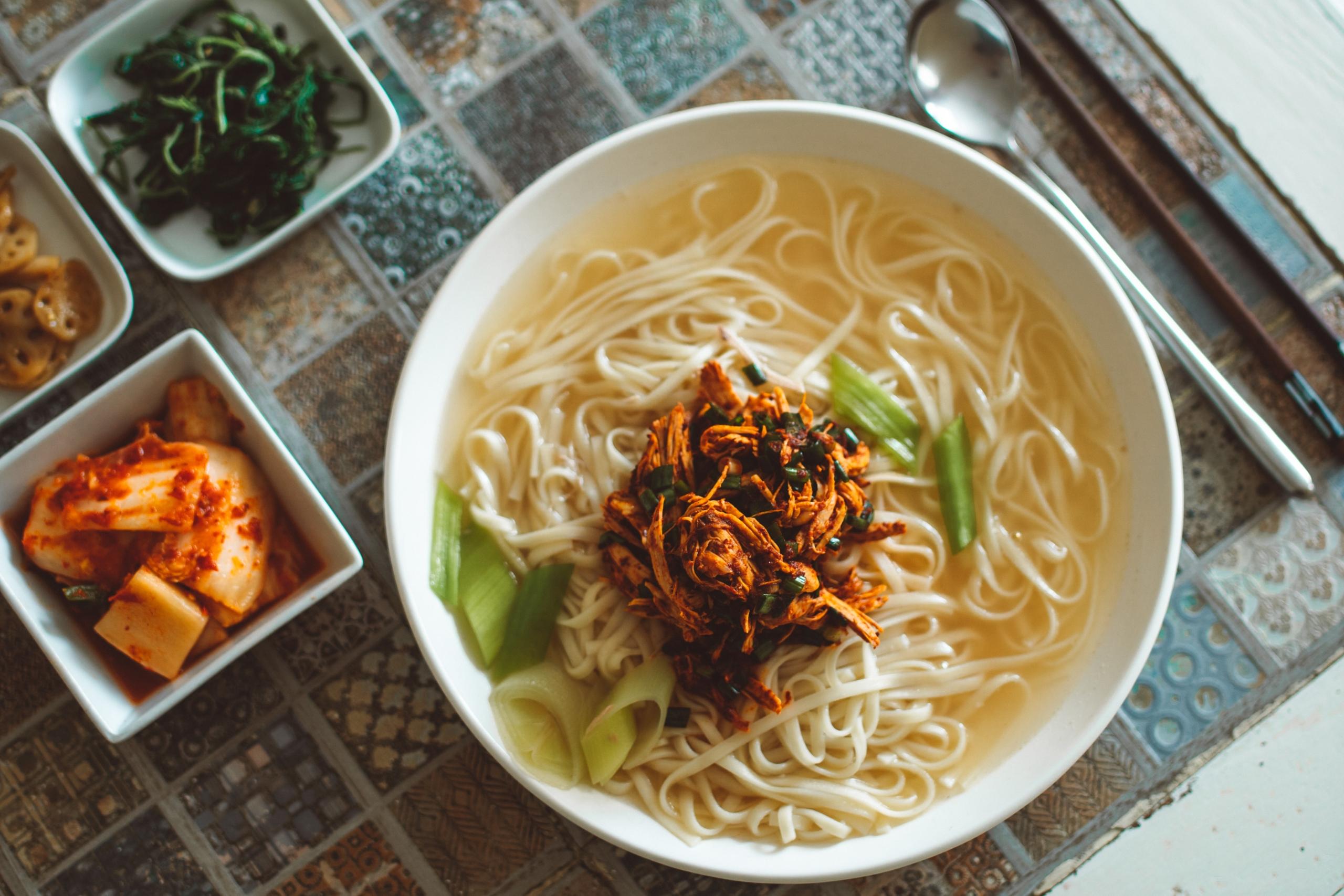

South Korean food is based on a balanced and varied rice, vegetables, and fish intake, complemented by an array of banchan and soups. The colours of food hold significant importance in Korean culture, reflecting ancient beliefs regarding a person's physical and spiritual makeup, and food choices are often even influenced by the individual's qi (or life force)
While meat dishes are part of Korean traditional food, preparations are not typically roasted or grilled. Instead, meat is often shared as galbi or bulgogi, accompanied by kimchi, a fermented cabbage dish which is known for its incredible anti-inflammatory properties.
In traditional Korean cuisine, dairy products are not usually consumed. However, in recent times, the popularity of dairy products has increased with the introduction of milk production for human consumption in the 1970s.
So what is Korean food?
Here are some common dishes that are served on just about every South Korean food table regardless of time of day:
- Korean traditional food
- Korean food
- Kimchi Korean food
- Korean Street food
- South Korean food for health
In the same way that rugby is a cultural symbol in South Africa, food is an essential part of Korean culture. If like many in the west, you are fascinated with Korean films, music and dramas, then experiencing Korean cuisine is another way to deepen your understanding so grab your spoon and chopsticks. Let’s get started.
Want to give private lessons?
Join the Superprof community and share your knowledge with inquiring and motivated students.
Korean Traditional Food
Traditional Korean food revolves around rice, fish and vegetables and from time to time it will feature pork belly wraps called bossam. Apart from those, you won’t find meat the steaks, boerewors and spare ribs you might be used to in Korean traditional food.
Beyond staples like these, when answering the question ‘what is Korean food’ you will notice that it is mainly organised by colour: black, white, yellow, red and green all indicate a particular health benefit or natural element.
Apart from providing minerals and vitamins, colour also relates to traditional ideas about an individual’s physical and spiritual makeup. In addition to colour, South Korean food is also based on what their qi or life force dictates.
Banchan is another important concept that shapes Korean meals. Steamed rice and soup are at the heart around which side dishes, or banchan are placed. These could be red chilli paste, pickled radishes or soy sauce depending on which meal is being eaten.
Banchan, as well as a hearty stew called jjigae is shared between diners. Other meat dishes include Galbi (rib) and bulgogi (grilled meat), both of which are popular choices.
What about kimchi Korean food options?
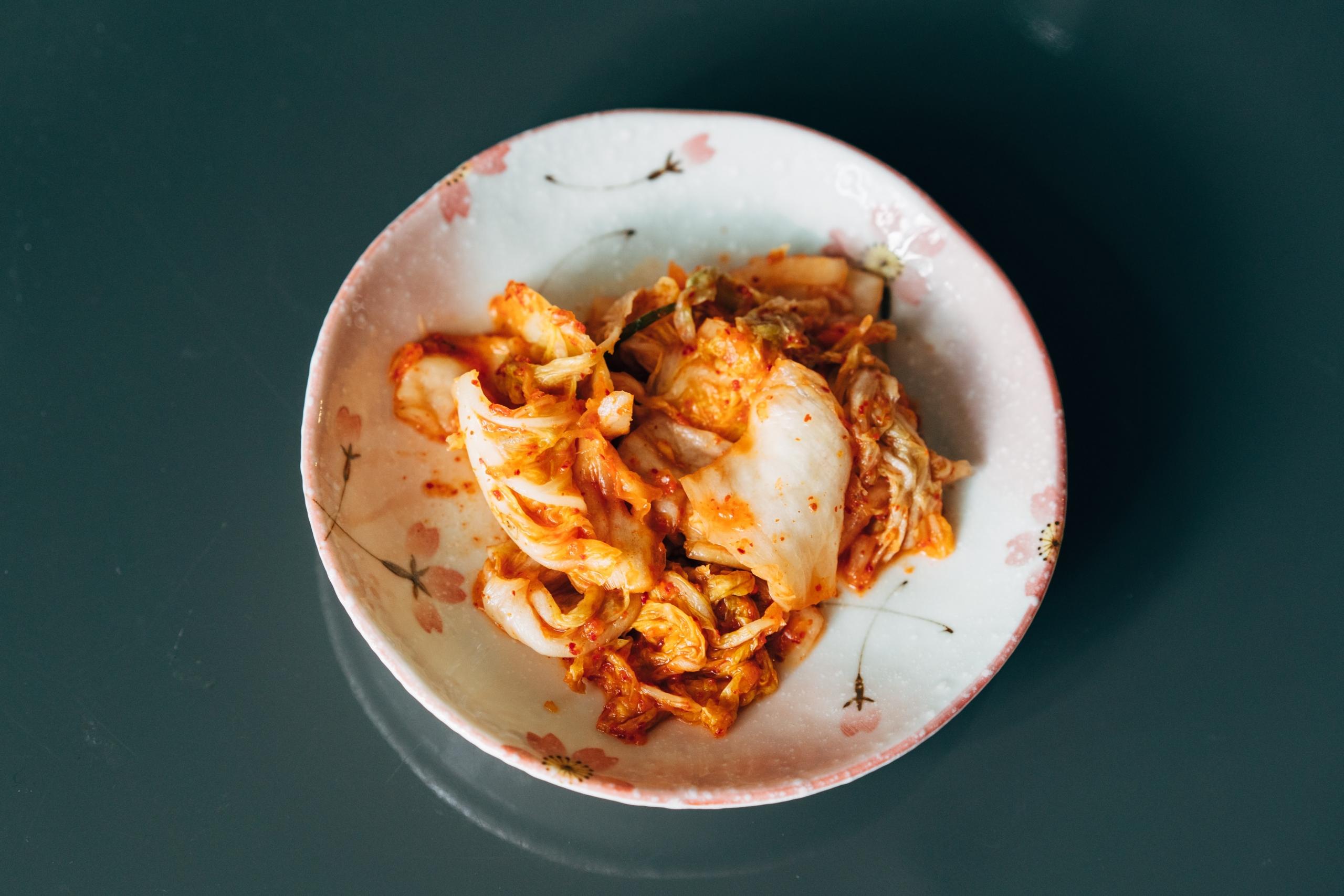
No Korean traditional food table is complete without kimchi which is known for its anti-inflammatory properties. Of all Korean banchan (side dishes), kimchi made from fermented cabbage is the most renowned and comes in many different flavours.
Some Korean people make their kimchi with radish while others prefer using Napa cabbage. Seasoning could include spicy chilli powder, spring onion, ginger and garlic.
Jeotgal (spicy seafood) is another favourite among traditional kimchi makers. But not all kimchi needs to be spicy; if you would rather sample something milder, request baek-kimchi.
Dairy products are not a common feature in a traditional Korean diet, however in modern times people all over South Korea can be found enjoying banana milk or ice cream. And among the younger set, you will notice that pizza is very much in fashion – in fact, the more cheese they can consume, the better.
However, it was not that long ago, that cheese was considered a very disgusting substance.
Popular Korean Dishes
This section of our Korean food list will highlight some popular dishes, although taste preferences, like all things in life, can vary widely. While the aim is to be objective and cover most of it, if we have missed any of your favourites, please use the comments section to let us know.
Starting with jjajangmyeon, a dish often seen on Korean television which consists of thick chunjang sauce served over noodles, with bits of stewed meat and vegetables which can be added later. To enjoy this dish fully, it's best to eat it hot as the sauce can become sticky when cooled.
For a more festive option, try chimaek, which combines chicken and beer, often enjoyed as anju (food with alcohol). Spicy and plain varieties of chicken are also available, along with other snack options.
For hot days, ganjang gejang is the perfect dish. This is where marinated crab meat is served cold with either soy sauce or a chilli pepper sauce. Although it can be spicy and bitter, it is widely popular among South Koreans, despite being an acquired taste for Western palates.
What is Korean Food Without Soup?
Hangover soup is a well-known dish in South Korea, often consumed as anju, it is a popular way to spend an evening with friends. The name comes from Haejang-guk which – you guessed it — is a soup that can remedy the effects of drinking too much alcohol. It is typically made with cabbage, vegetables, and meat simmered in broth. Variations may include seonjiguk with congealed ox blood or sundaeguk, a soup made with a type of blood sausage.
Seolleontang, or ox bone soup, is a dish that might be more familiar to western palates. The minimal ingredient list makes it easy to prepare - simply boil ox bone chunks for hours to extract all the nutrients, then add salt, pepper, scallions, garlic, bits of meat or a few noodles. This soup is typically served plain, so its easy to be seasoned with banchan.
Miyeok guk, or seaweed soup, is a traditional breakfast dish in Korea that is commonly eaten on birthdays to give thanks to one's mother. According to the legend, this soup honours the goddess Samsin, who is said to help women into motherhood. New mothers will traditionally eat this soup for several months after giving birth.
To be honest, what is Korean food without soup?
The Popularity of Korean Street Food
Never mind the soup and kimchi, what is Korean food without street food?
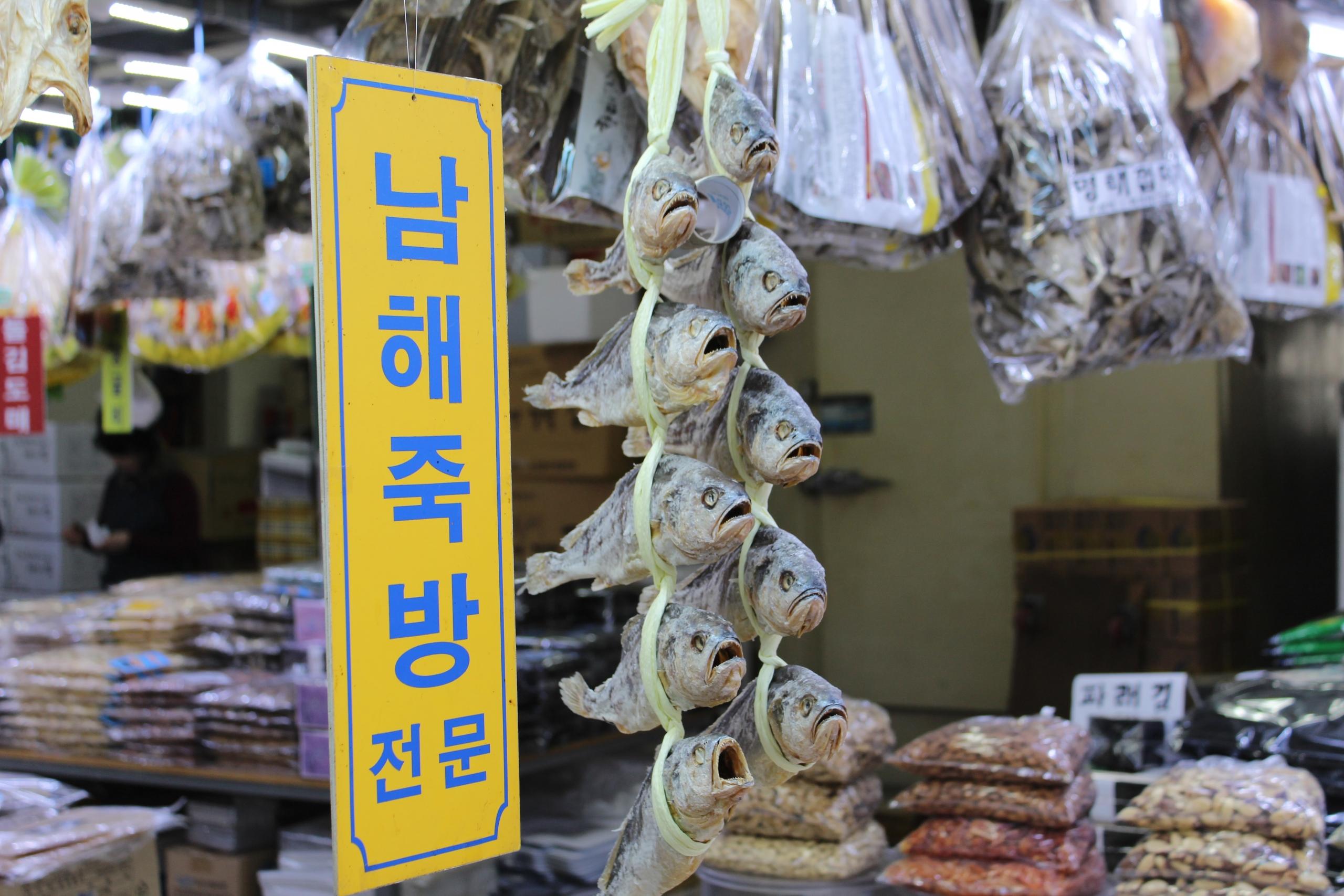
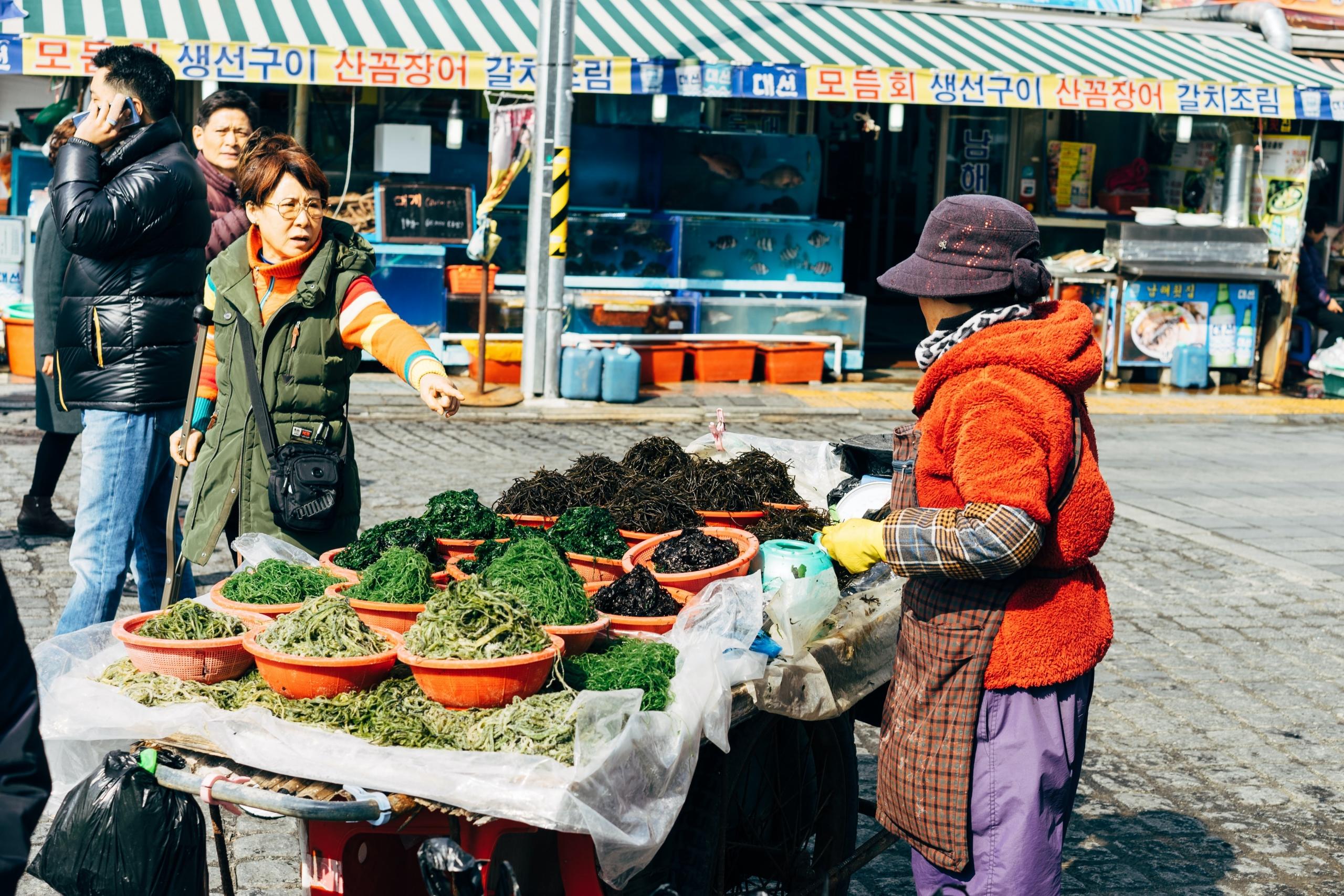
When visiting South Korea, you simply can't miss the experience of trying food from vendor stalls.
These Korean street food stalls offer a variety of fried and steamed goodies, as well as anju to enjoy with friends. Although not strictly street food, our first favourite on this list is a dish that can be eaten on the go: bibimbap. Originally intended for royalty, this rice bowl is now available to everyone and is filled with fresh ingredients and chilli paste for flavour.
If you prefer something that's not bowl-shaped, gimbap (also called kimbap) is a perfect treat. Similar to sushi, it's a glutinous rice roll filled with meat, fish, and/or vegetables, all wrapped in seaweed. Be sure to try the triangle gimbap in Seoul, which is sold in most convenience stores.
Besides kimchi and Korean street food, South Koreans are known for their love of spicy food, and tteokbokki is no exception. These long, non-glutinous rice cakes are simmered in a chilli paste sauce, but you can also try the non-spicy version, gungjun-tteokbokki, done in soy sauce. Common ingredients in tteokbokki include fish cakes, spring onions and boiled eggs.
Eomuk, or South Korean fish cakes, are incredibly versatile and can be boiled, steamed, fried, served in soups, or eaten off skewers. You’ll notice that vendors often have their own recipes and presentations, so it's certainly worth visiting multiple food carts to try as many as possible. You can even use eomuk to make gimbap or try the deep-fried fish cake known as hotbar, which is typically only sold in cold weather.
Bread is a relatively new addition to the Korean diet, but the street food scene has embraced it with dishes like egg bread (gyeran bbang) in the winter and "street toast" available year-round. Street toast is a stuffed toasted sandwich filled with sliced beef or pork, chicken, cabbage, vegetables, and fried eggs. Egg bread, on the other hand, is a small bread roll with an egg baked inside and can be topped with anything from shrimp to herbs.
If you want to immerse yourself in Korean culture, then taking a dive into its extraordinary cuisine is a must. If you like the sound of dishes like soft tofu soup, omelette rice, and glass noodles fried in sesame oil, these and much more are just waiting to be discovered. And of course, don’t forget all the delicious kimchi Korean food you can lay your hands on too.
Consider learning about the Korean age system as you embark on your Korean language learning journey.
Want to give private lessons?
Join the Superprof community and share your knowledge with inquiring and motivated students.
Summarise with AI:
Enjoyed this article? Leave a rating!

 Loading...