
Disability does not define me, my ability does.
Natalie du Toit
When you think about sport in South Africa, it is easy to picture packed rugby stadiums or thrilling athletics finals. Yet some of the most powerful stories come from the Paralympics, where courage, determination, and sheer excellence redefine what we thought possible. Across the country, from school sports days in Soweto to training sessions at facilities like the High Performance Centre in Pretoria, the journeys of South African Paralympians are shaping how we understand ability and achievement.
Paralympic sport has become an essential part of the national conversation around inclusion. It shows that talent exists in many forms and that opportunity matters. The rise of Paralympic athletes in South Africa has produced role models who inspire not only those with disabilities but anyone striving to overcome challenges.





The Power of Representation
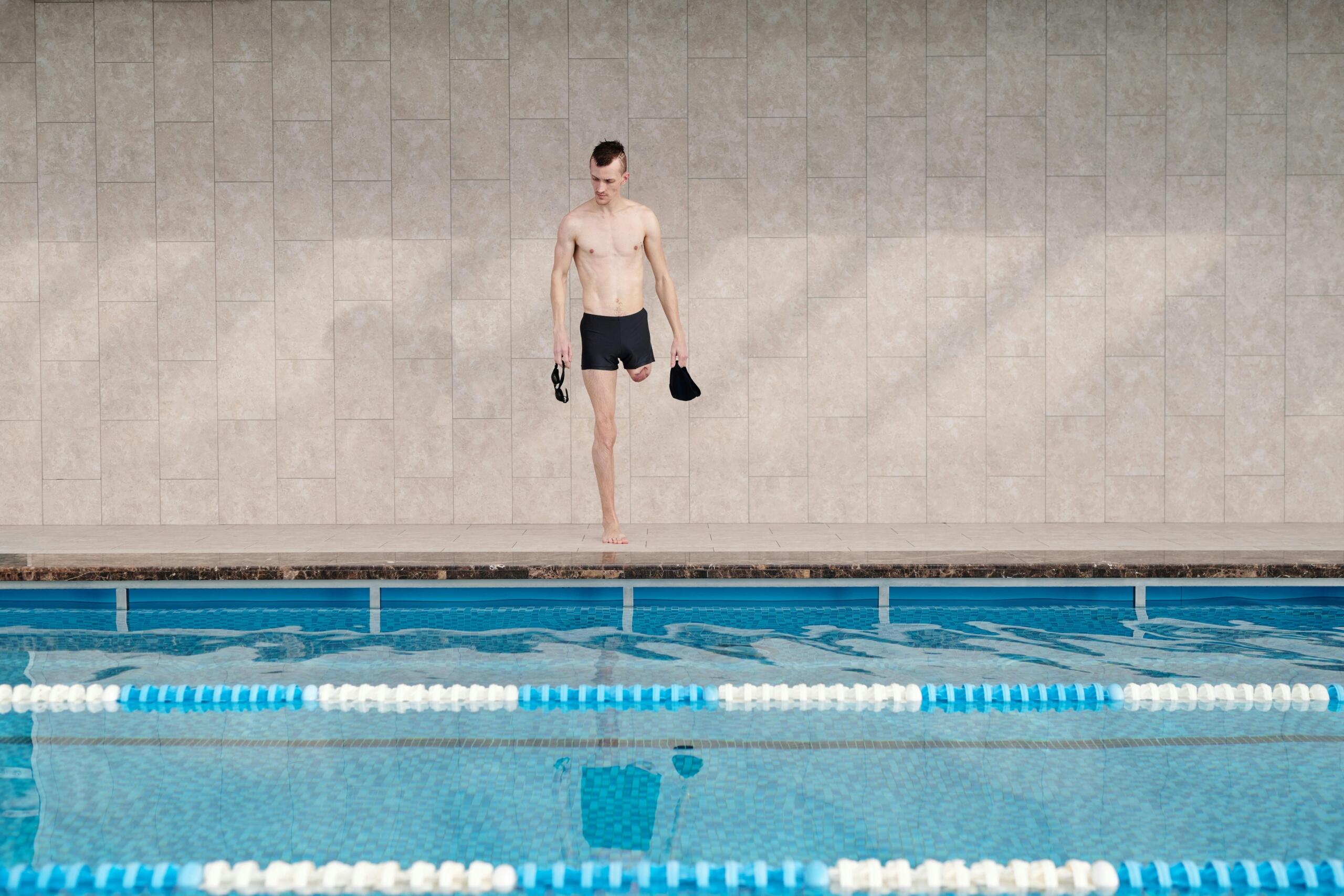
In South Africa, representation matters deeply. Seeing Paralympic athletes compete at the highest level reminds us that sport belongs to everyone. When learners watch athletes race on tracks or power through swimming lanes, they are witnessing more than competition. They are seeing possibility.
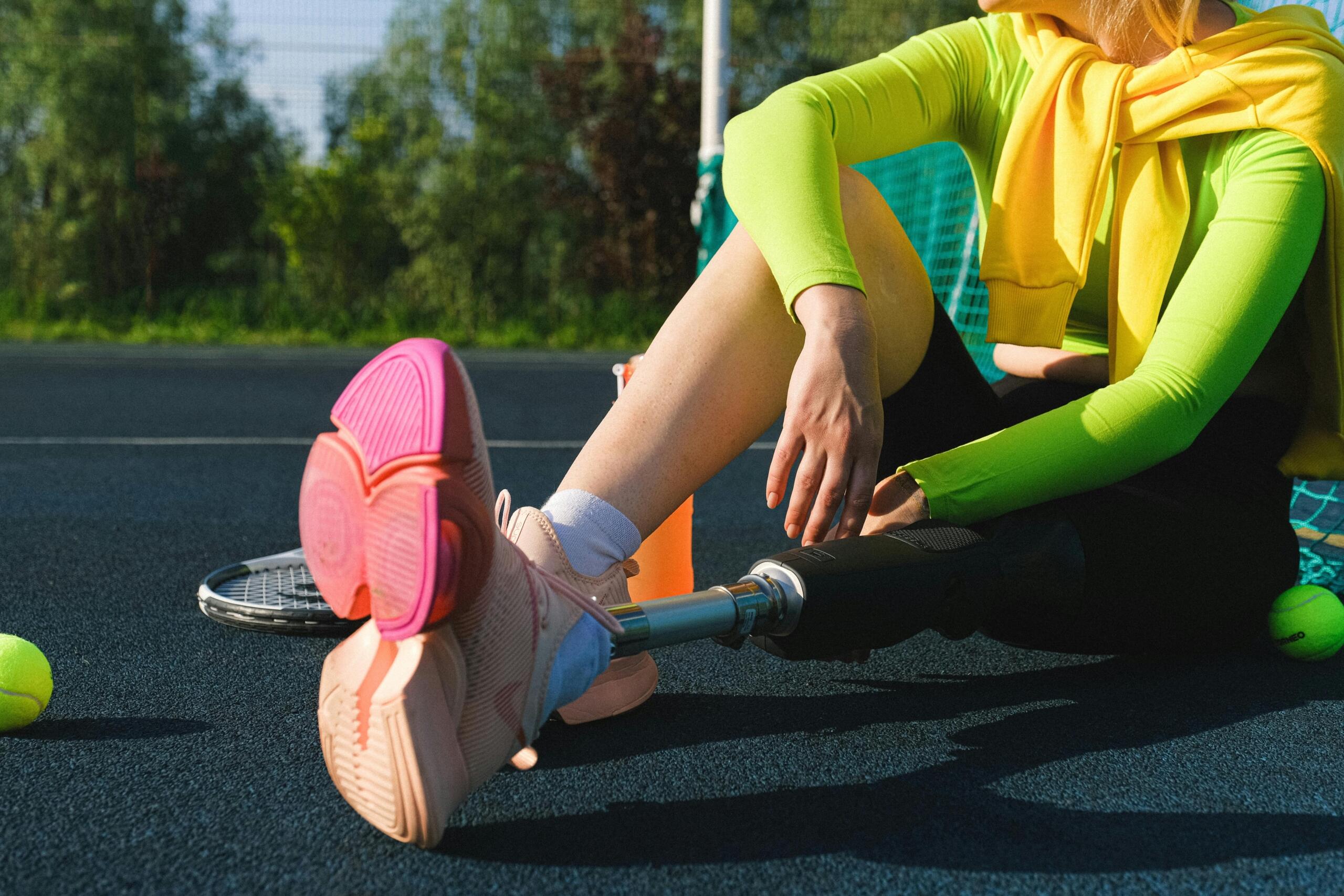
The presence of South African Paralympians in international arenas has encouraged the growth of school programmes and local initiatives, and many learners who train in community centres or at school grounds are influenced by the stories of these champions.
Like most of us, you might find yourself searching for Paralympic athletes names when a new Games approaches and this curiosity reflects the growing respect for Paralympic sport across the country.
Champions Who Inspire
Among the most inspiring recent figures who inspire is Mpumelelo Mhlongo. His achievements in athletics at the Paris Games brought renewed attention to the excellence of Paralympic athletes South Africa. It showed that winning medals on the global stage requires not only physical strength but resilience and belief.
Then there is Simoné Kruger, whose success in discus demonstrated the technical mastery required in field events. Her journey reflects the dedication seen across the Paralympics, where preparation and persistence go hand in hand.
Perhaps one of the most widely recognised figures is Natalie du Toit. Competing in both the Olympics and the Paralympics, she broke barriers and reshaped global perceptions. There's no doubt that her story continues to influence how Paralympic athletes are viewed in South Africa.
These are just some of the Paralympic athletes names that stay with you long after the Games are over.
Building a Broader Legacy
Looking back, South Africa has a rich history of sporting excellence in the Paralympics. Athletes such as Fanie van der Merwe have contributed to this legacy through remarkable performances on the track.
Other, more recent historical figures also form part of this narrative. Oscar Pistorius was once among the most prominent South African Paralympians, achieving global recognition for his performances before his later fall from grace.
Learning about these athletes allows you to understand the depth of talent that has emerged from the country.
The Spirit of the Games
What sets the Paralympics apart is the way they challenge assumptions. When you watch adaptive athletes compete, it is clear to see innovation and determination working together.
The achievements of South African Paralympians show howtraining, support, and belief can create success. Dig deeper, and you'll find that their journeys are often rooted in local communities, schools, and rehabilitation programmes that focus on development and participation.
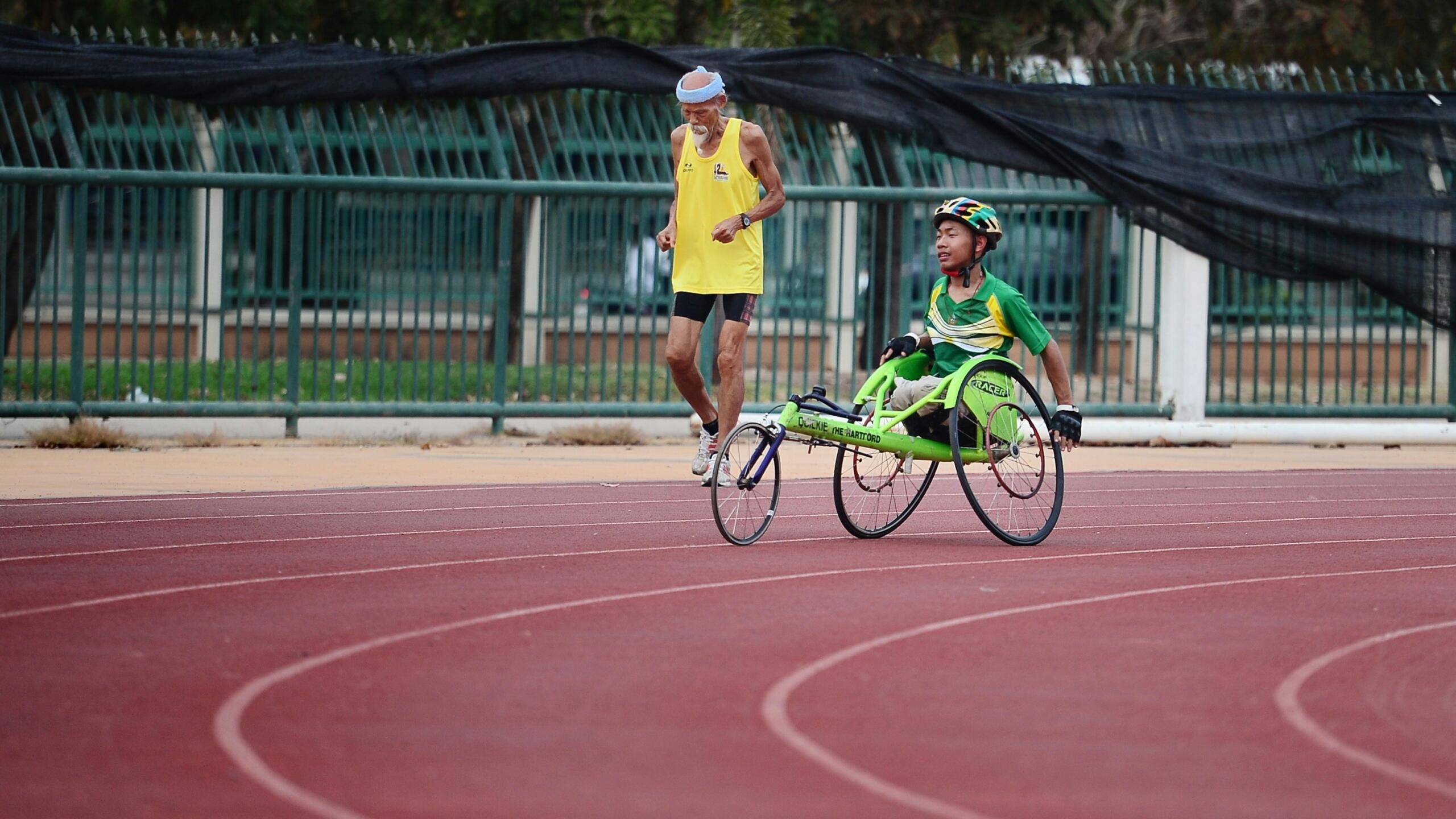
Across the country, initiatives aimed at supporting disabled learners are helping to expand access to facilities and coaching.
Grassroots Growth and Community Impact
Across South Africa, schools are increasingly introducing adapted sport into physical education programmes, while community centres in areas such as Mitchells Plain and Umlazi are creating inclusive opportunities.
Young people who learn about Paralympic athletes often begin to see sport differently. Instead of focusing on limitation, they focus on potential.
Many local clubs now work closely with rehabilitation services to support aspiring South African Paralympians.
Just by exploring Paralympic athletes names, it does not take long to recognise how these individuals started in ordinary environments. Some were trained in school halls, others in community pools, yet all found pathways to international competition.
Organisations Supporting Disability Sport in South Africa
Across the country, a growing network of organisations is helping create pathways into sport for persons with disabilities.
The work of groups like the Roxy Davis Foundation has been especially impactful. Based in Cape Town, the foundation focuses on adaptive surfing and ocean-based confidence-building for children with physical and cognitive disabilities. Some young participants go on to explore wider sporting opportunities, showing how inclusive recreation can become a stepping stone towards elite performance.
At a national level, structures such as South African Sports Association for the Physically Disabled play a vital role in identifying and developing talent. SASAPD works with schools and provincial federations to ensure that athletes with physical impairments have access to competition pathways. Their programmes help ensure that adaptive athletes are supported from grassroots level through to international representation.
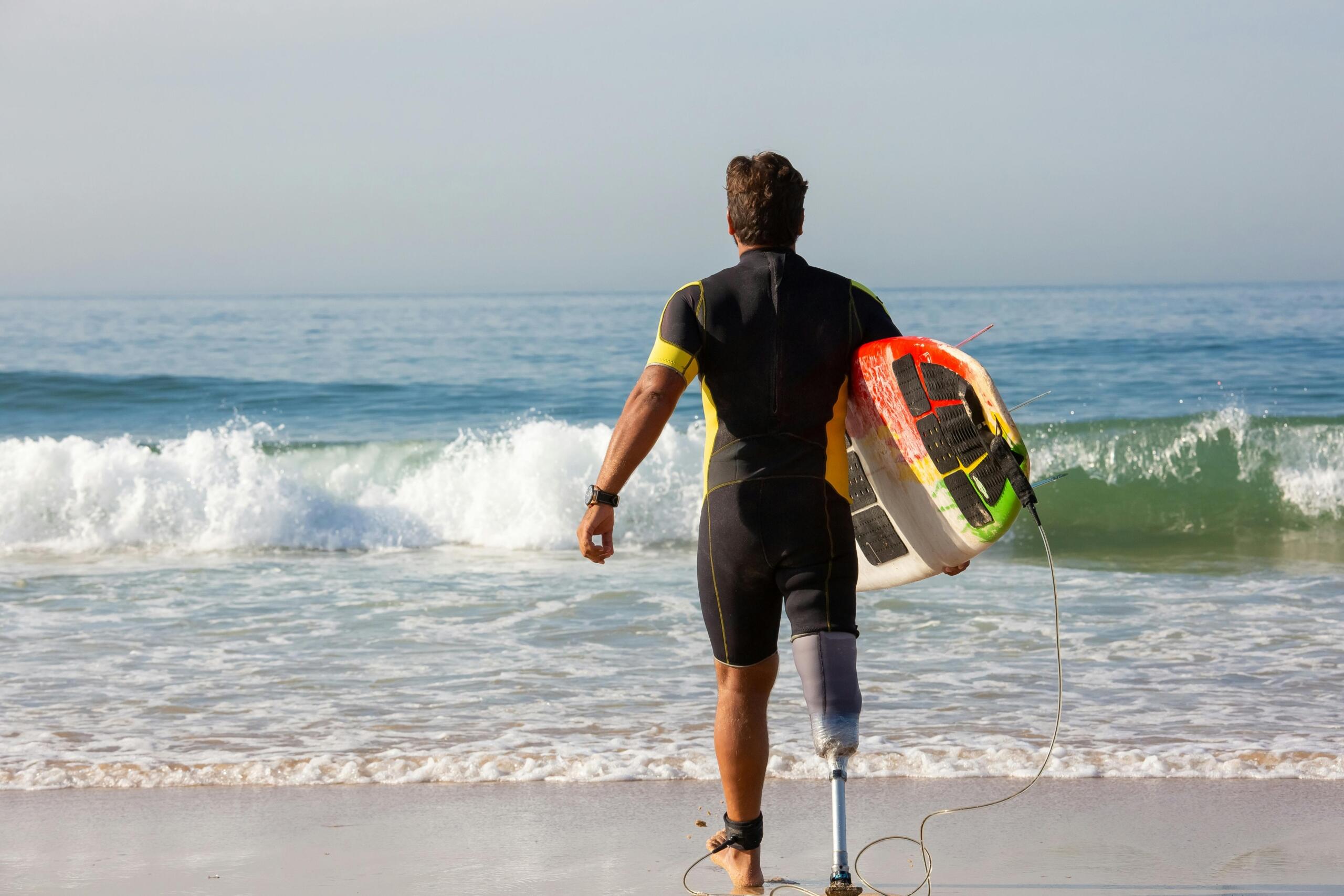
These organisations help broaden participation and make sport more visible within communities. Their work ensures that emerging adaptive athletes can access coaching, equipment, and competition opportunities. For learners researching Paralympic athletes, these structures often form the first link between interest and participation.
Another key contributor is Disabled People South Africa, which promotes inclusion and accessibility across society, including sport. Advocacy of this kind strengthens the environment in which South African Paralympians can train and compete.
Leadership and unity in sport can also be explored through our article on our rugby players of note.
Coaches and Trainers Behind the Champions
Behind every successful athlete is a dedicated support team. Coaches play a crucial role in shaping the careers of Paralympic athletes South Africa.
One notable figure is Jean Verster, who coached Natalie du Toit during her competitive career. His guidance helped her transition from national-level competition to global success.
In athletics, high-performance coaching systems affiliated with institutions such as Stellenbosch University and the University of Pretoria have supported the development of adaptive athletes by providing sports science expertise, strength andconditioning, and technical support.
Such mentorship ensures that paralympic athletes receive the preparation needed for elite competition. Many of the paralympic athletes names recognised today benefited from coaches who understood adaptive training methods and inclusive performance strategies.
South African Paralympians at the 2024 Paris Olympic Games
The collaboration between athletes and coaches continues to strengthen South Africa’s presence at the Paralympics, ensuring that future generations are equipped to succeed on the world stage.
You can connect these ideas with South Africa's Olympic success, explored in our other article.
Lessons for Learners
The stories emerging from the Paralympics offer valuable lessons for education. They demonstrate inclusion and the importance of creating opportunities. It is also where teachers and tutors can draw on the journeys of these extraordinary athletes to highlight perseverance, resilience and teamwork.
Students exploring paralympic athletes names often find role models who reflect determination and creativity.
Inclusion through Sport
Sport can open doors. The achievements of Paralympic athletes South Africa show how accessibility matters.
From athletics tracks to swimming pools, the Paralympics encourage investment in inclusive spaces. When communities support paralympic athletes, they create environments where participation becomes possible for everyone.
This inclusive spirit mirrors broader lessons seen in team sports.
You can see similar themes in our article on SA's cricket legends.
Shaping Perceptions
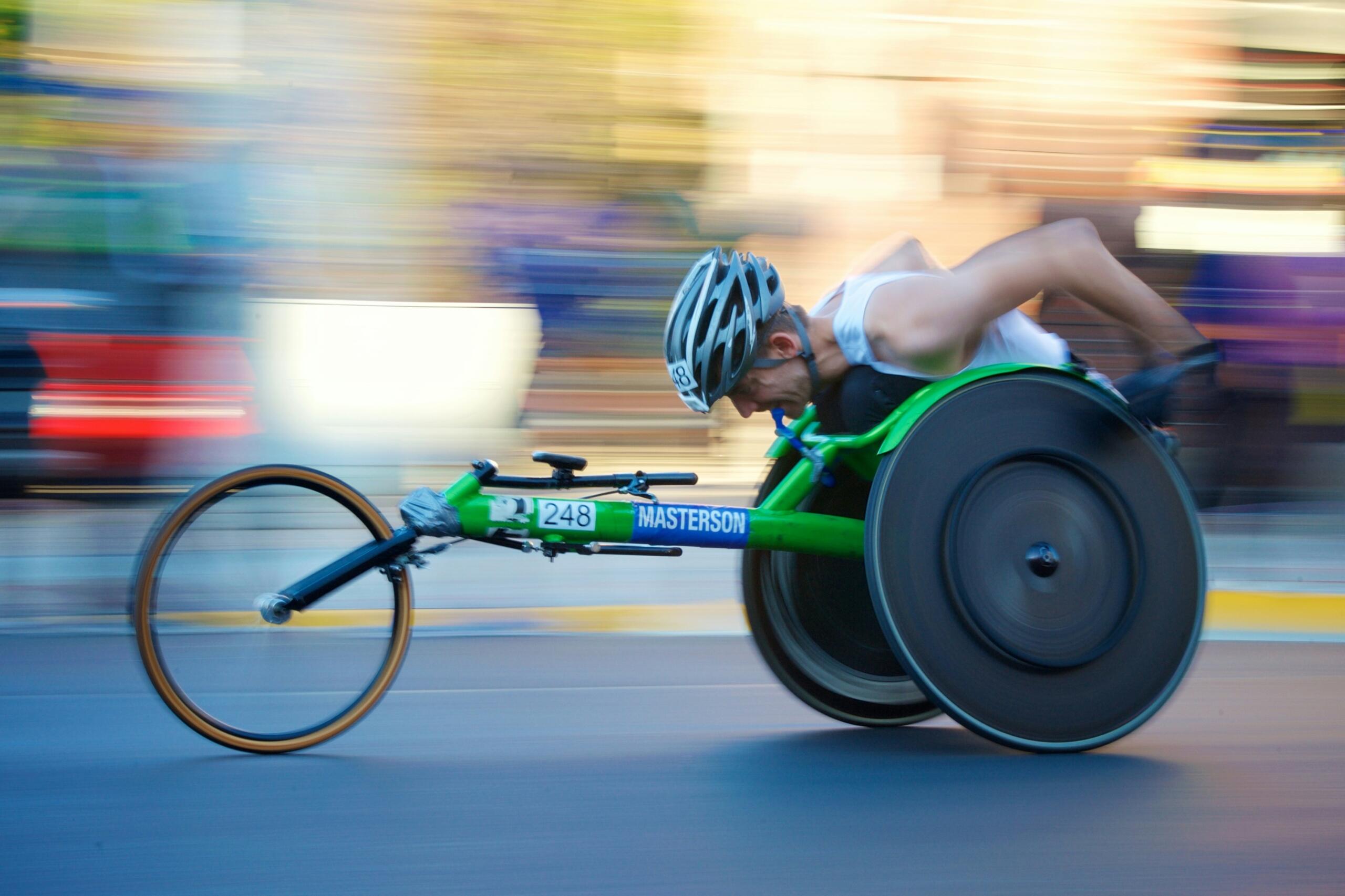
The impact of South African Paralympians extends beyond medals. Their achievements challenge stereotypes and inspire change.
By learning the stories behind Paralympic athletes names, you could gain a deeper understanding of what it takes to persevere. Through their performances, it is remarkable to note that excellence is not limited by circumstance.
Continuing through Strength and Possibility
The future of Paralympic athletes South Africa is bright. Development programmes are expanding, and awareness is growing.
The stories of Paralympic athletes are stories of strength and possibility where success reflects a national commitment to inclusion.
Remember that each new generation of South African Paralympians builds on the achievements of those before them, and as engagement grows, the opportunities for aspiring athletes increase.
By researching these extraordinary achievements, expect to uncover inspiring stories of determined athletes and communities that have overcome barriers.
Summarise with AI:
Enjoyed this article? Leave a rating!

 Loading...