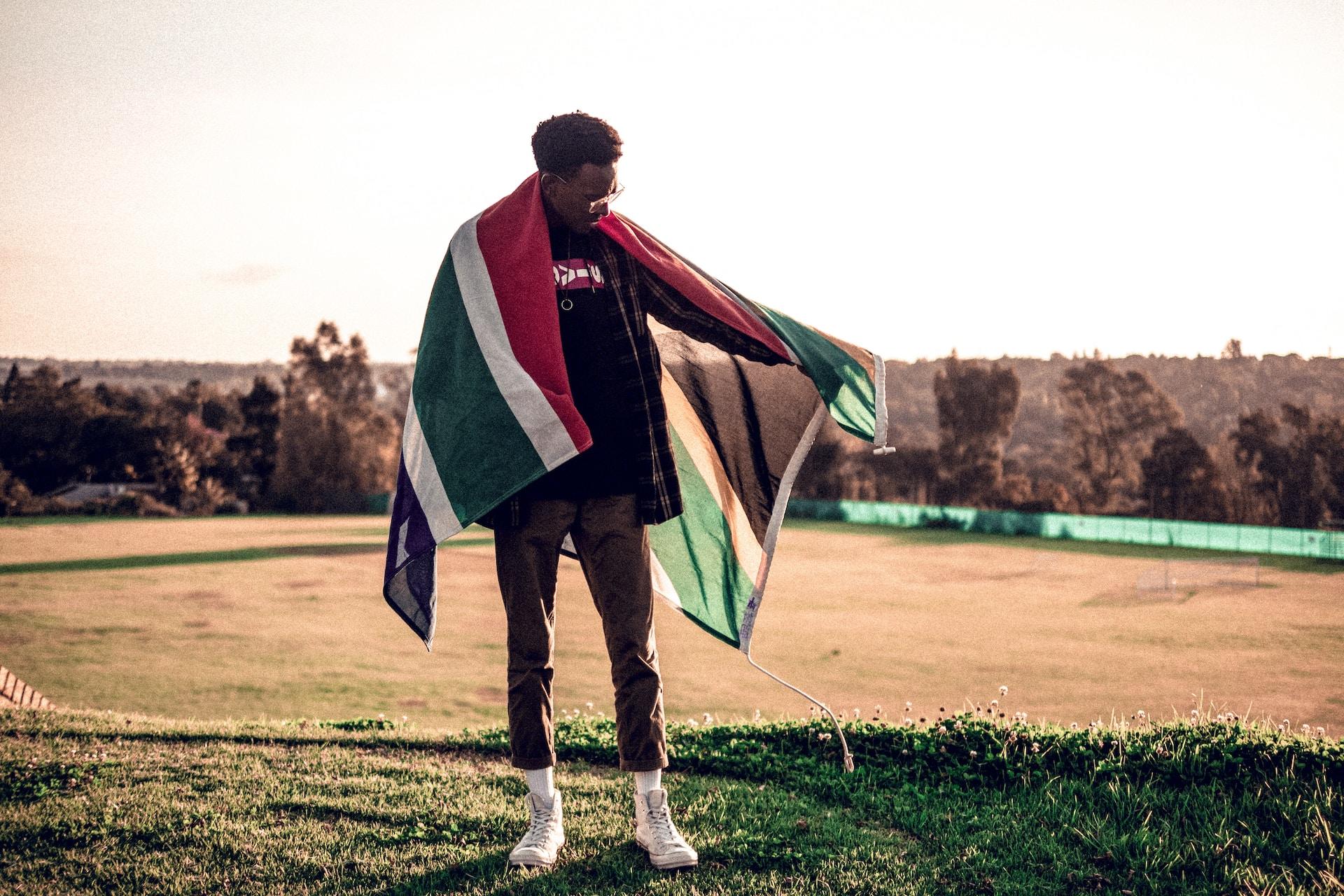

When you think about the rich tapestry made by South African sports, what comes to mind first? For many of us it is memories of heart‑stopping rugby test matches on cold winter afternoons, or cracking sixes at Newlands in Cape Town. Maybe it is the electric atmosphere of seeing our flag raised at the Olympics. Those athletes are more than champions, they are people whose journeys offer lessons that stretch far beyond scoreboards.
Sport in our country binds us with shared pride. From learners kicking around a ball in Mitchells Plain to varsity athletes sprinting on the high‑altitude tracks of Johannesburg, South African athletes have shown time and again what is possible with courage and grit.




Sporting Success in South Africa Overview
Since South Africa’s return to the global sporting stage in the early 1990s, the heartbeat of sport has beaten with renewed vigour. When we re‑entered the Olympics in 1992, after years of isolation due to apartheid bans, South African competitors stepped onto the world stage with a fierce determination to prove their talent. That moment marked a turning point, not just for those games but for the generations of South African athletes who followed. It set the tone for excellence that you see today.
Take cricket, for example. Our national side’s evolution over the past few decades has been remarkable. From the early days of readmission in the early 1990s to becoming consistently competitive against top sides like Australia and India.
South African cricketing legends such as Jacques Kallis and Graeme Smith helped shape a legacy of respect and fear in bowling lines and fielding work‑rates alike..
But, if any sport captures our national mood, it must be rugby. The Springboks are not just a team. They are a symbol of unity. History will forever remember how the 1995 Rugby World Cup brought together a nation hungry for healing. Since then, with icons like Bryan Habana, Francois Pienaar and Siya Kolisi, every South African sport continues to embody, grit, heart, and transformation.
Of course, success is not limited to ball games alone. In athletics and swimming, South African sports history is peppered with moments that could steal your breath away.
Why This Series Matters To You
In the sections that follow, you will find deep dives on some of these greats. Our articles, such as the feature on the Olympic Athletes who inspire, are packed with inspiring stories from which to learn.
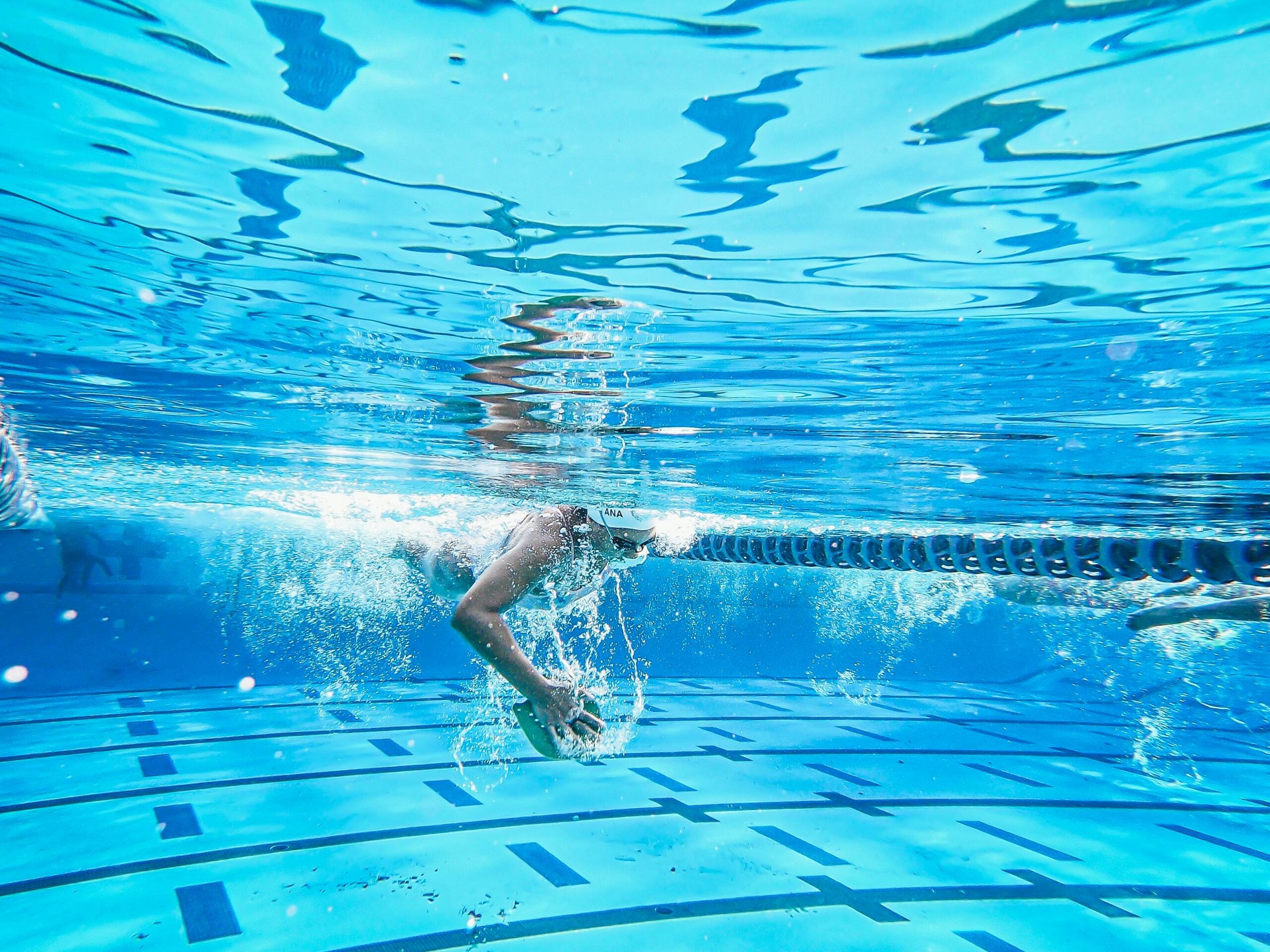
South Africa has had 8 Olympic gold medallists in swimming: Penny Heyns, Cameron van der Burgh, Chad le Clos, Tatjana Schoenmaker, Ryk Neethling, Roland Schoeman, Lyndon Ferns and Darian Townsend.
South Africa Legends: Snapshot Mini Profiles
Before you click through to the full articles, here are quick snapshots for inspiration.
| Athlete/Legend | Sport | Mini Profile |
|---|---|---|
| Penny Heyns | Swimming | Double Olympic gold medallist in breaststroke, 1996 Atlanta Olympics. Set a new standard for South African athletes in swimming. |
| Wayde van Niekerk | Athletics | Broke the 400m world record at the 2016 Rio Olympics, demonstrating ambition and relentless work ethic. |
| Hashim Amla | Cricket | Masterful batsman, respected globally for technique and consistency, representing the pinnacle of South Africa legends in cricket. |
| Dale Steyn | Cricket | Fast bowler with exceptional pace and accuracy, inspiring future generations of South African athletes. |
| Siya Kolisa | Rugby | The first black Springbok captain to win a Rugby World Cup (2019), symbolising unity and leadership in South African sport |
| Bryan Habana | Rugby | Sprinting wing with unmatched try-scoring ability, one of the most celebrated South African legends in rugby. |
These are just a handful of the South Africa legends waiting for you in the sub‑articles and each one represents a chapter in the broader story of our nation’s sporting success.
What You Can Learn from Sporting Greats
You might wonder, why do we celebrate these figures so much? Sure, sport is exciting, but there is more to it than spectacle. The reason is that the journeys of South African athletes and the legends they become can teach us things that matter in everyday life.
Look at how after the Olympic controversy, Zola Budd continued competing internationally and rebuilt her career, later winning the World Cross Country Championships in 1985 and 1986, showing she could bounce back rather than give up.
Sport and the Curriculum
If you are a tutor or teacher looking for ways to tie these stories into curriculum goals, there are rich connections.
For learners, reading about South African legends introduces frameworks for analysing character, perseverance, and the impact of community support.
Superprof
The lived realities of athletes who trained in local clubs and school teams across the country are not abstract ideas. Many began simply, just like you and me, before dedicating themselves to excellence.
Sport is also a lens through which you can explore identity and cultural expression. Rugby and cricket may have begun in colonial contexts, but have taken on distinctly South African flavours, with players representing a spectrum of backgrounds and aspirations. That makes the stories of South African sports figures not just about games but about who we are as a people.
Looking Ahead
There is an exciting future ahead for South African sports. Athletes are breaking records, competing with confidence, and our place on the world stage feels dynamic. But even as new champions emerge, the tales of those who came before matter. They are the foundation, the inspiration, and the proof that great things can come from our towns and cities.
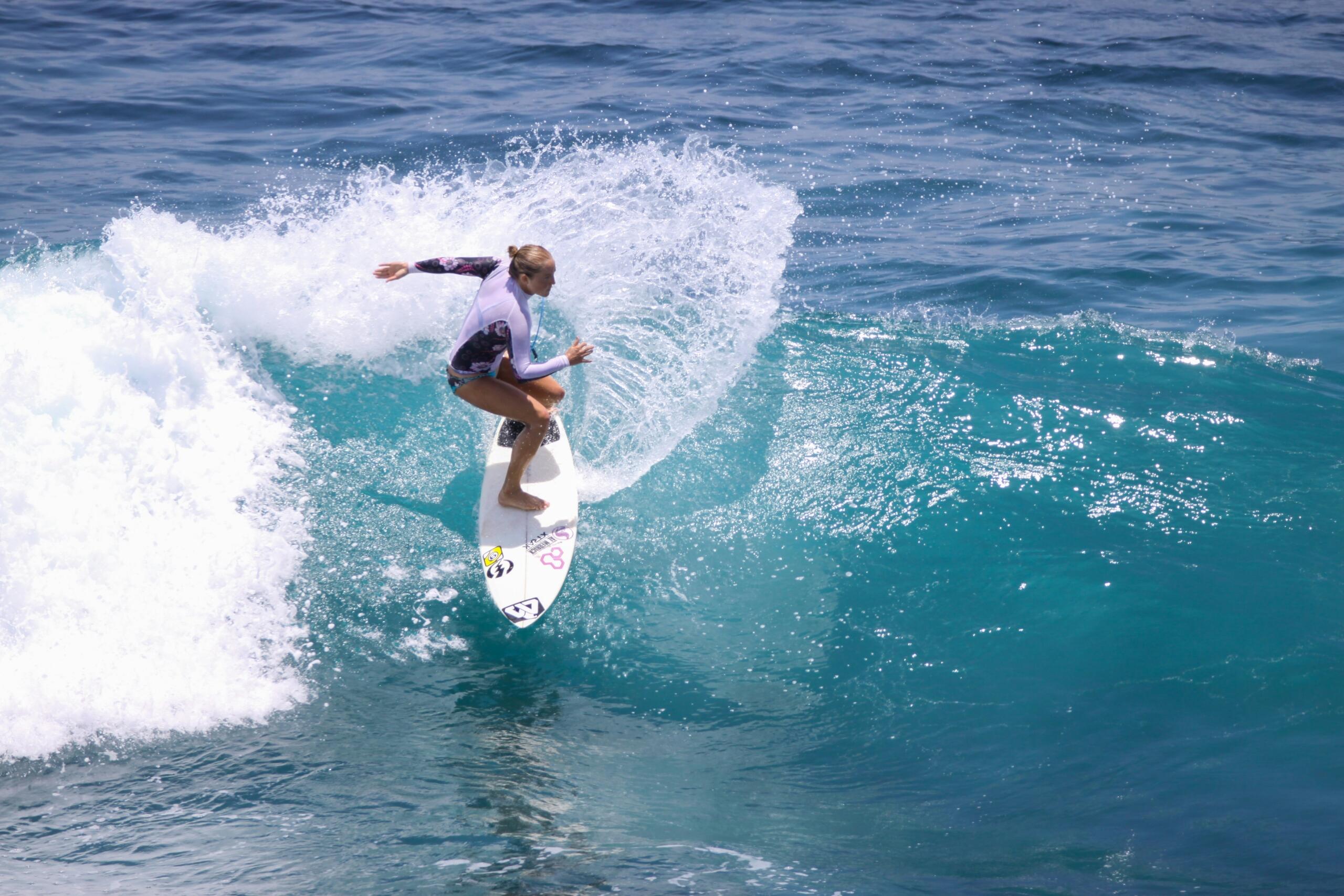
Sport in South Africa is more than a pastime. It is a force that shapes character and connects communities. Our tapestry of South African athletes and the South African legends they have become speaks to the best of what we can achieve. From cricket pitches to rugby fields, from the Olympic arena to the Paralympic stage, these stories are filled with lessons that apply to life beyond sport.
In celebrating our South African legends, we celebrate the human spirit that lives in all of us.
Summarise with AI:
Enjoyed this article? Leave a rating!

 Loading...