
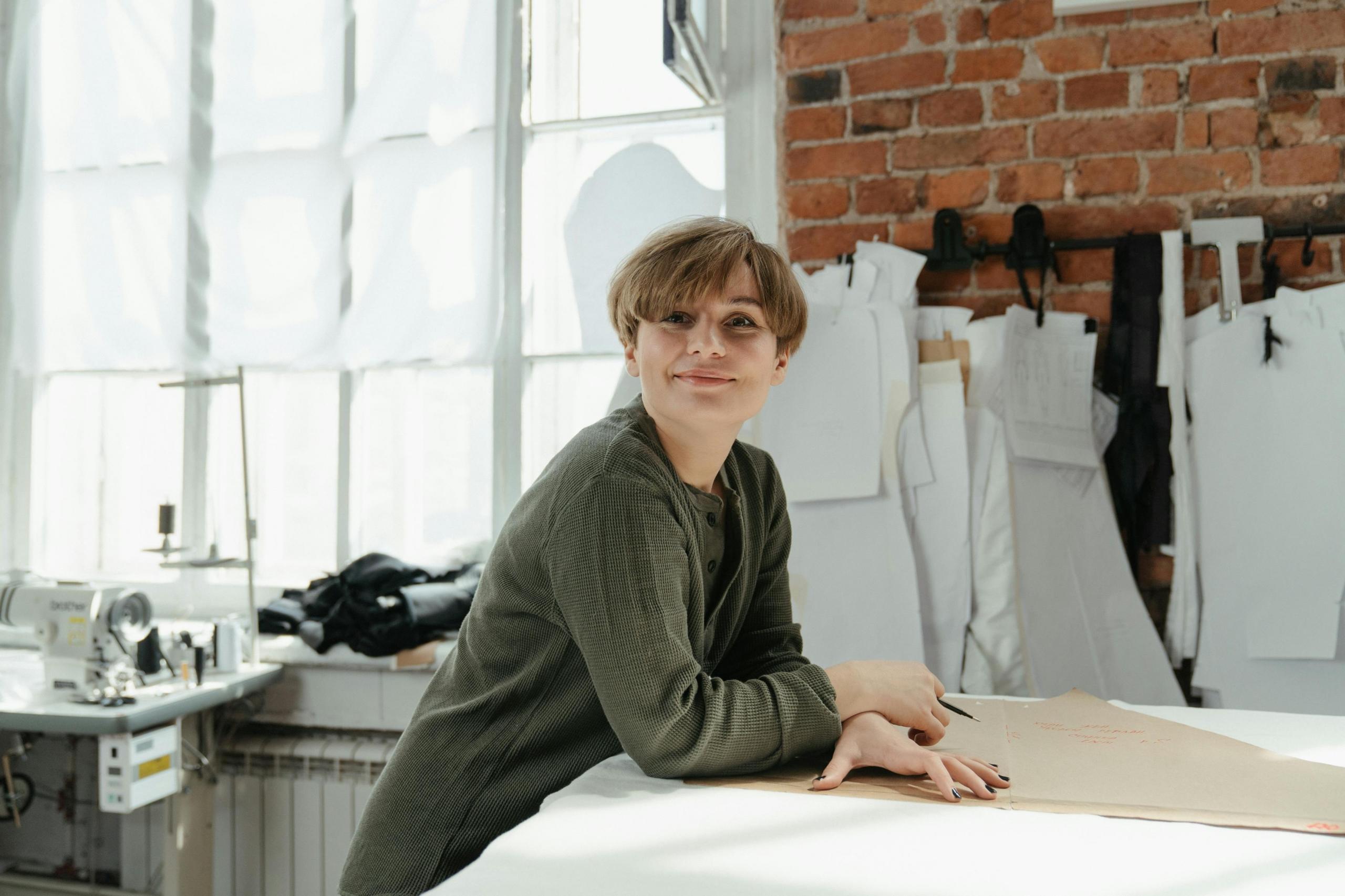

Are you ready to unleash your creativity through the beautiful art of sewing?
Cape Town offers many opportunities to learn this craft, with sewing lessons that cater to all levels of expertise.
Whether you're a complete beginner or looking to refine your technique, the Mother City has something to offer. From intimate workshops to comprehensive courses, you'll find a variety of options to suit your learning style and schedule.
In this article, you'll discover some of the best sewing classes Cape Town has to offer. We'll compare different sewing schools, explore the essential equipment you'll need to get started, and look at potential career opportunities after completing your courses. By the end, you'll be ready to take the first stitch towards your new passion or profession.


The Different Sewing Schools in Cape Town
When you're looking to learn sewing in Cape Town, you'll find a variety of schools that offer different courses, pricing structures, and learning experiences. Let's compare some of the top sewing schools to help you make an informed decision.
Course Offerings
Cape Town boasts several sewing schools with diverse course offerings. The Design Academy of Fashion, located at the Old Biscuit Mill, offers evening classes perfect for those working full-time. Their Pattern-making & Garment Construction course comprises 16 two-hour sessions, covering everything from basic principles to complex garment construction. This is perfect if you are looking for a more formal setting.
iSEW Sewing Studio provides a comprehensive Beginners Sewing Course, which runs over 12 weeks. You'll make eight items while learning essential skills such as machine operation, pattern reading, and various sewing techniques.
If you want a more personalised approach, Rafas Sewing Studio offers small classes, ensuring individual attention. They focus not only on skill transfer but also on stimulating creativity.
Another valuable resource to tap into is hiring a tutor online. Your first lesson with a Superprof tutor will most likely be absolutely free —just check the tutor's profile to see if they offer this! Superprof has options for beginners and advanced learners and offers both online or face-to-face lessons.
Pricing Structures
Pricing varies across different sewing schools in Cape Town. Here's a breakdown of some options:
- Design Academy of Fashion: Annual tuition fee (2025) for first year students: R102 900.
- iSEW Sewing Studio: The 12-lesson Beginners Sewing Course costs R4 740.
- SOSO Into It Academy:
- Sewing courses (Level 1 and 2): R5 960
- Pattern making courses (Level 1 and 2): R7 800
- Comprehensive clothing design courses: R13 200
Some schools offer payment plans to make courses more accessible. For instance, SOSO Into It Academy provides a payment plan option for their courses.
Student Reviews
Student experiences can give you valuable insights into the quality of instruction and learning environment at these sewing schools.
Rafas Sewing Studio receives positive feedback for its welcoming atmosphere and patient instruction. One student praised the instructor, Fahranaaz, for her calm manner and ability to work with students at various skill levels. The student noted that the school gives each learner the confidence to produce professional-looking items using a variety of techniques.
The Design Academy of Fashion emphasises practical knowledge and hands-on experience. They provide course notes, resources, and lectures, along with personalised guidance from facilitators. Students also have access to a dedicated WhatsApp group for additional support.
When choosing a sewing school in Cape Town, consider factors such as the course content, pricing, class size, and student reviews to find the best fit for your learning style and goals.
Essential Equipment for Sewing Lessons
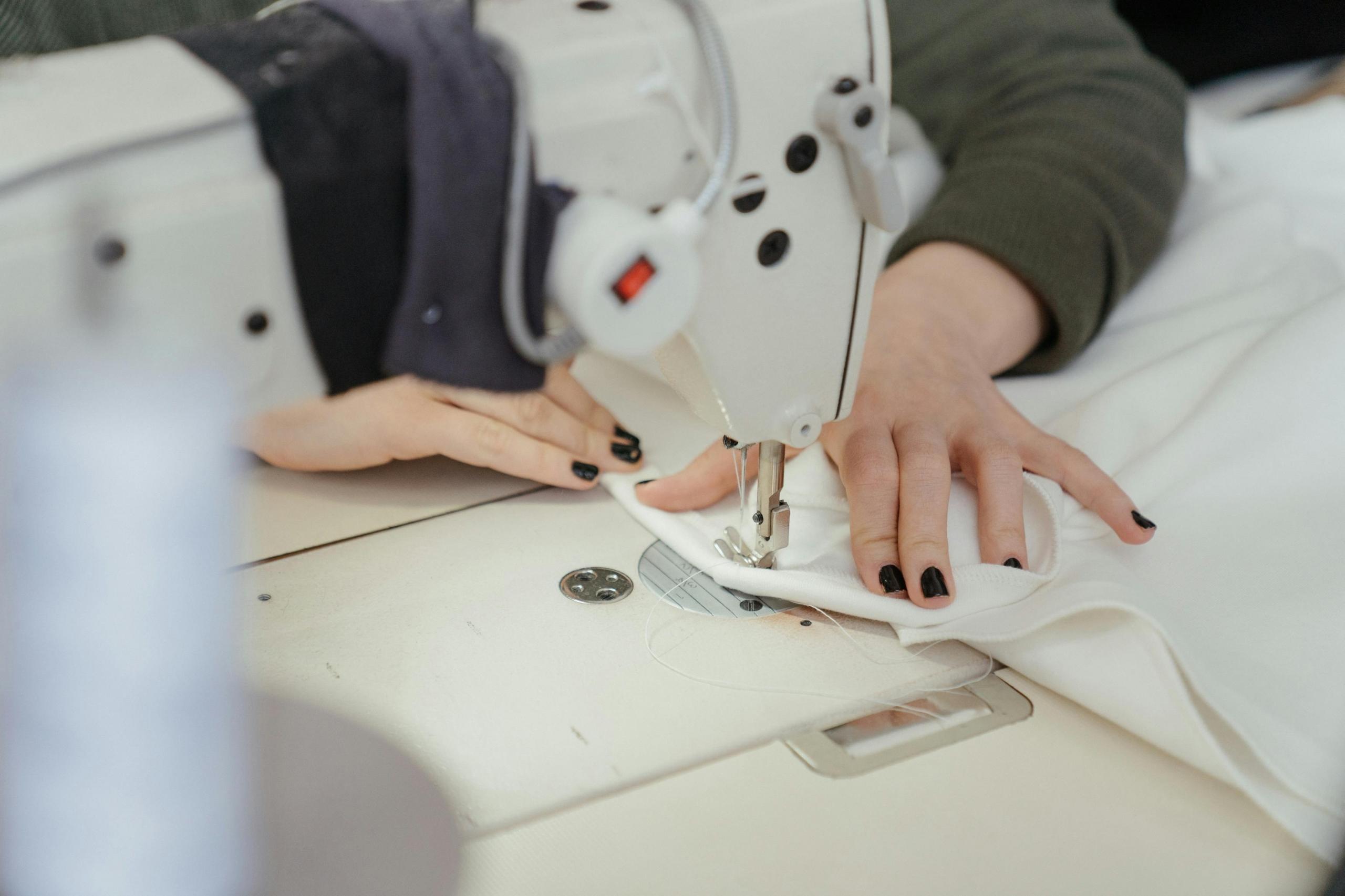
When you embark on your sewing journey in Cape Town, you'll need to equip yourself with the right tools. Having the proper equipment enhances your learning experience and helps you create professional-looking projects. Let's explore the essential items you'll need for your sewing lessons.
Sewing Machine Types
A good sewing machine will be the cornerstone of your sewing toolkit. For beginners, a mechanical sewing machine with basic functions is often the best choice.
Look for machines that offer straight stitch, zigzag, and buttonhole capabilities. These features allow you to complete a wide range of projects.
When selecting a sewing machine, consider the following:
- Ease of use: Choose a machine with a top drop-in bobbin for easy threading.
- Durability: Opt for machines with metal parts for increased reliability.
- Included accessories: Look for machines that come with essential presser feet, such as a buttonhole foot and zipper foot.
Cutting and Measuring Tools
Accurate cutting and measuring are crucial for successful sewing projects. Here are some essential tools you'll need to invest in:
- Fabric scissors: Invest in a high-quality pair reserved solely for cutting fabric.
- Rotary cutter and mat: These tools allow for precise cutting of multiple fabric layers.
- Tape measure: A flexible tape measure is essential for taking body measurements and measuring curved surfaces.
- Seam gauge: This small ruler with a sliding marker helps measure hems and small details.
- Acrylic quilters rulers: These transparent rulers are useful for measuring and cutting straight lines.
Fabric and Notions
Of course you'll need more than just a sewing machine! To complete your sewing kit, you'll also need various pieces of equipment and fabric-handling tools:
- Pins and pincushion: Choose long, easy-to-grasp pins for securing fabric layers.
- Seam ripper: This tool is invaluable for correcting mistakes and removing stitches.
- Fabric marking tools: Water-soluble or disappearing ink pens help transfer pattern markings to fabric.
- Thread: Stock up on good-quality thread in various colours to match your projects.
- Magnetic seam guide: This tool helps you sew straight lines and curves with precision.
Remember, as you progress in your sewing lessons, you may need to expand your toolkit. However, these essentials will give you a solid foundation to start your sewing adventure in Cape Town.
Career Opportunities After Completing Sewing Courses
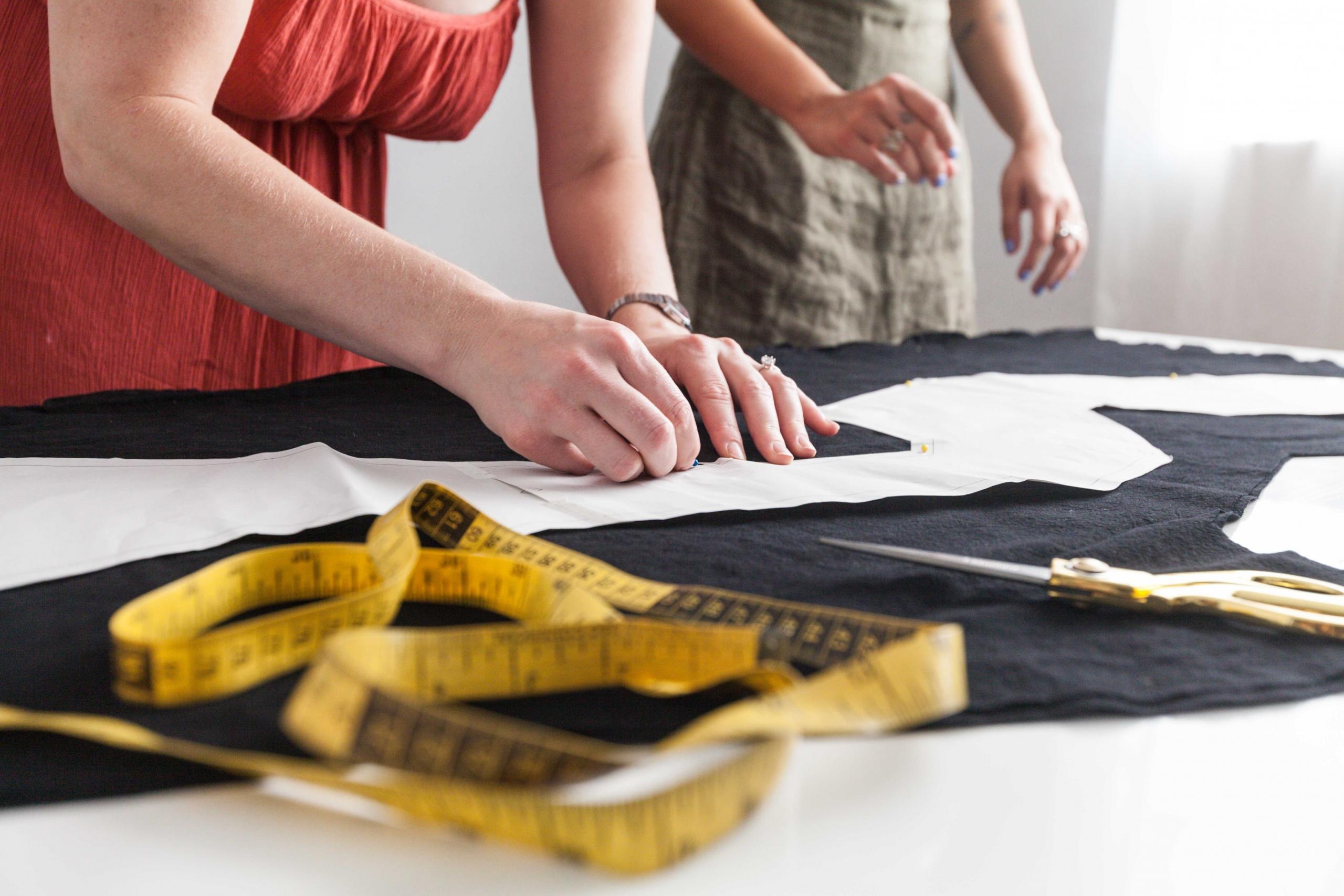
After completing a sewing course, you'll find a world of exciting career opportunities awaiting you. Your newly acquired skills can open doors to various professions in the fashion and textile industries.
Fashion Design Industry
The local fashion design industry offers a range of career paths. You could become a fashion designer, creating clothing and accessories using various fabrics, styles, and trends. The following are the different segments within fashion design that you should consider:
- Haute couture: High-end fashion created for specific customers using quality materials.
- Mass market: Clothing and accessories made in multiple sizes for widespread availability.
- Ready-to-wear: This falls somewhere in-between haute couture and mass market, focusing on quality, wearable garments.
Beyond designing, you might explore roles such as fashion buyer, trend forecaster, or merchandiser. These positions may require additional business or marketing courses. If you have a flair for writing, you could work as a fashion writer or content creator for magazines or websites.
Alterations and Tailoring
As a skilled tailor, you'll have the expertise to create, alter, and repair clothing to fit clients' preferences and measurements. Your responsibilities will include all or a combination of the following:
- Consulting with clients to determine their clothing needs
- Taking precise measurements to ensure proper fit
- Creating and modifying patterns according to client preferences
- Sewing and assembling garments using various fabrics
- Performing alterations and repairs on existing clothing
- Providing expert advice on fabric selection and styling.
As a tailor, you could work independently, in small workshops, or within larger fashion companies.
Teaching and Mentoring
Your sewing skills and experience can also lead to a rewarding career in teaching and mentoring. You could share your knowledge by:
- Offering private sewing lessons
- Teaching at local community centres or schools
- Conducting workshops for specific sewing techniques or projects
- Mentoring aspiring fashion designers or tailors.
Teaching sewing can be a fulfilling experience, allowing you to inspire others and help them develop their skills. As one experienced sewing teacher shared, "Along the way, I have probably taught close to 1000 people how to sew."
Ready to Thread Some Needles?
The art of sewing in Cape Town offers a rich tapestry of opportunities for those eager to learn. From diverse course offerings to well-equipped studios, the city provides a supportive environment to nurture your skills. The range of sewing schools, each with its unique approach, ensures that you can find a programme that suits your needs and goals, regardless of whether you are a beginner or experienced sewer.
As you embark on this creative journey, remember that while sewing can be just a hobby, it can also open doors to exciting career paths.
Whether you dream of becoming a fashion designer, starting a tailoring business, or sharing your knowledge through teaching, the skills you gain from sewing lessons can set the foundation for a fulfilling future.
So, pick up that needle and thread, and start stitching your way to new possibilities.
Summarise with AI:
Enjoyed this article? Leave a rating!

 Loading...
For someone who stays in another place do you offer a place to stay?
Hello Zandiswa,
You’ll need to check whether the institution you’re interested in has any residence facilities.