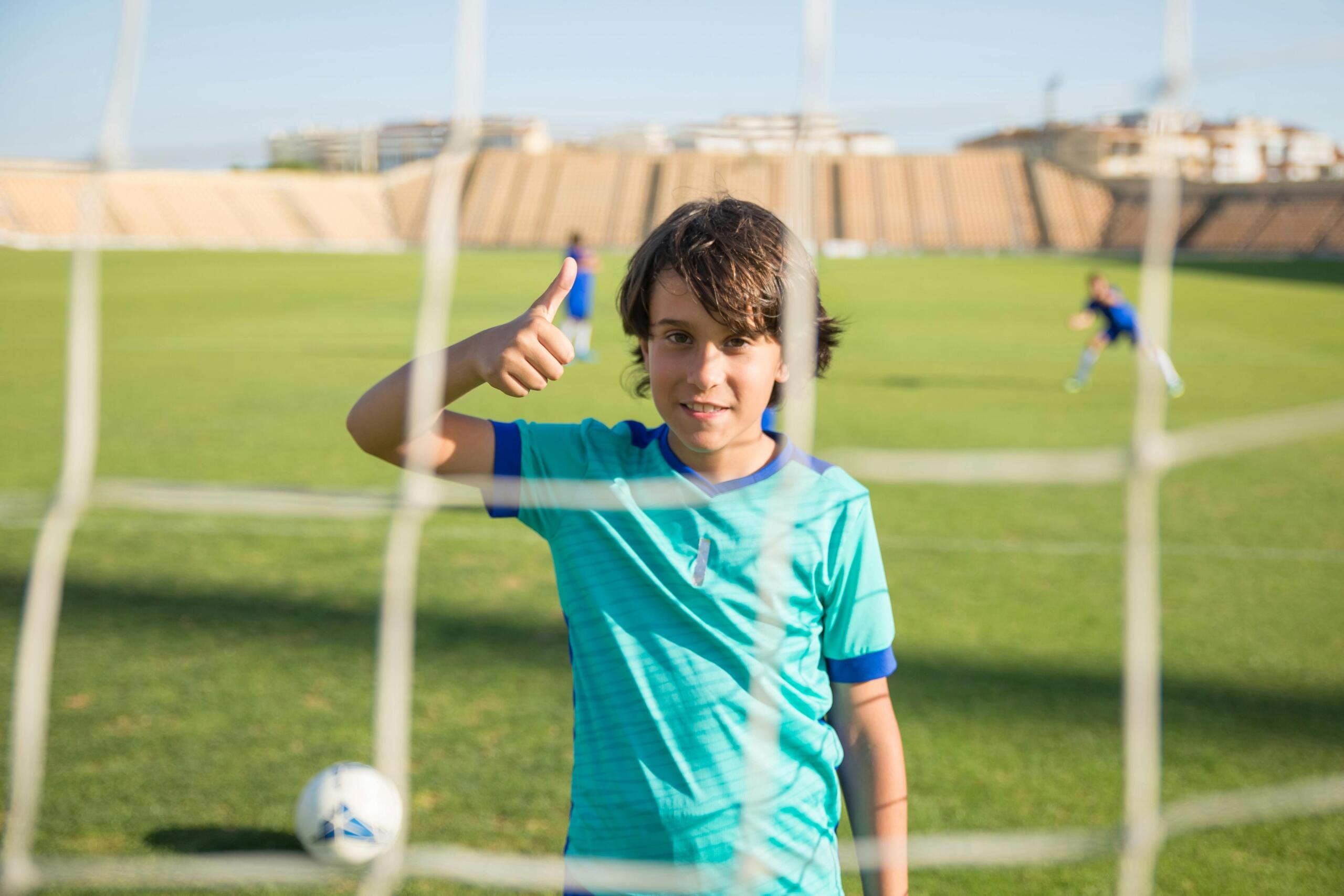

When you think about your child’s school day, you probably picture classrooms, books, and homework first. Yet once the bell rings and learners head to the sports field, a different kind of education begins. Across South Africa, from township schools to suburban campuses, sport plays a powerful role in shaping how children grow, cope, and connect. There’s no doubt, the benefits of sports for kids reach far beyond physical fitness, touching confidence, discipline, and emotional well-being in ways that last long after school years are over.
Sports do not build character. They reveal it.
Heywood Broun
In a country where childhood inactivity is becoming more common, school sport responds directly to the growing need for physical activity because it gives children a structured and supportive space to move, challenge themselves, and build healthy habits. Whether your child is kicking a soccer ball on a dusty field or swimming laps in a municipal pool, these experiences matter.


Why Sport Matters in the South African School Context
From rugby fields in Paarl to netball courts in Soweto and cricket ovals in Durban, physical activity forms part of daily school life. These programmes are not simply about winning matches. Rather, they show us the wider benefits of sports and recreation to help learners develop balance in a demanding academic system.
For many families, extramural activities at school offer safety, routine, and contact with positive role models in the afternoons. This is because coaches and teachers often become mentors, especially in communities where structured after school care is limited. This is one reason sport continues to play such a meaningful role in childhood development across the country.
Building Strong Bodies and Healthy Habits
At the most basic level, sport supports physical health. Children who participate regularly develop strength, coordination, and endurance while learning how their bodies work which is why the need for physical activity should never be replaced.
The benefits of sports for kids also includes:
In fact, schools that prioritise regular training sessions help learners establish routines that support long term wellbeing and over time, these habits reduce the risk of lifestyle related illnesses and encourage an active approach to daily life.
Mental Toughness and Emotional Resilience
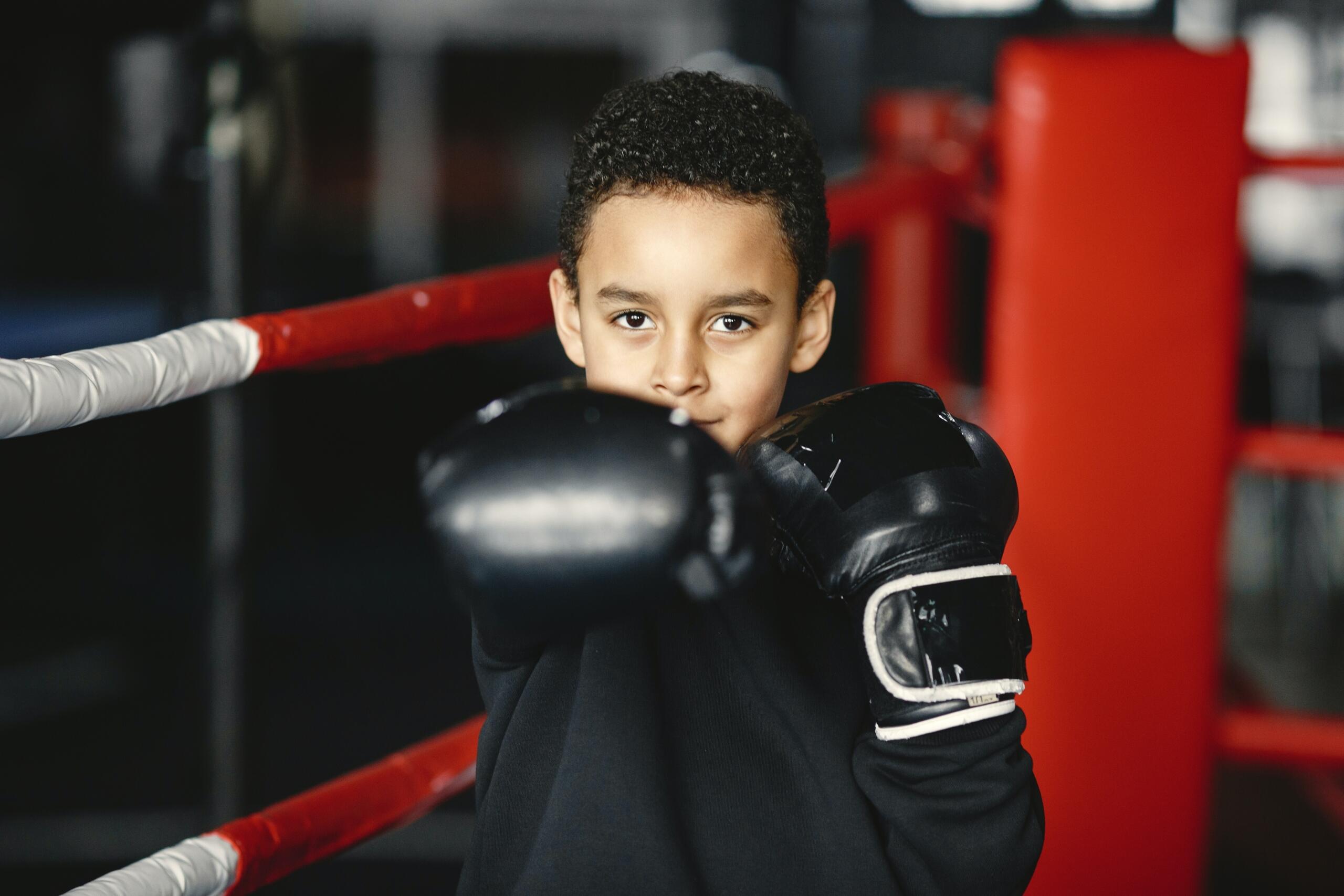
Sport does not always go to plan, and that is where its deeper value lies. Losing a match, missing a penalty, or being substituted teaches children how to cope with disappointment. These moments build resilience in a way that no textbook can which is why the benefits of competitive sports for children cannot be overlooked. This is where they learn to manage pressure, regulate emotions, and keep trying even when things feel difficult.
Teachers frequently notice that learners involved in regular training show greater emotional control in class. This link between movement and emotional regulation highlights the wider benefits of sports and recreation, particularly for children dealing with stress or anxiety.
Teamwork and Communication Skills
Team sports offer daily lessons in cooperation. Whether it is a hockey team in Cape Town or a soccer squad in Limpopo, children learn how to communicate clearly, support one another, and work toward shared goals. These social skills grow naturally through participation, reinforcing the benefits of sports for kids beyond physical development.
Also, through extra mural activities at school, learners interact with peers from different backgrounds and in a diverse society like South Africa, these interactions help build empathy and mutual respect. Ultimately, the benefits of competitive sports for children also include understanding leadership, accountability, and the importance of every role on a team.
Academic Focus and Stress Management
When sport is integrated thoughtfully into school life, it complements academic learning rather than competing with it.
It may seem counterintuitive, but physical activity often supports academic success, and research consistently shows that learners who move regularly are better able to concentrate, retain information, and manage exam pressure.
This is another reason schools emphasise the need for physical activity as part of a balanced education.
The benefits of sports and recreation include improved time management, as children learn to balance homework with training. Over time, this balance supports independence and self-discipline.
Popular School Sports Across South Africa
In South Africa, you may find that different regions, history, facilities and culture favour different sports. For instance, rugby remains popular in many Western Cape and Free State schools, while soccer dominates in urban and township settings. Generally, netball, athletics and swimming thrive across all provinces.
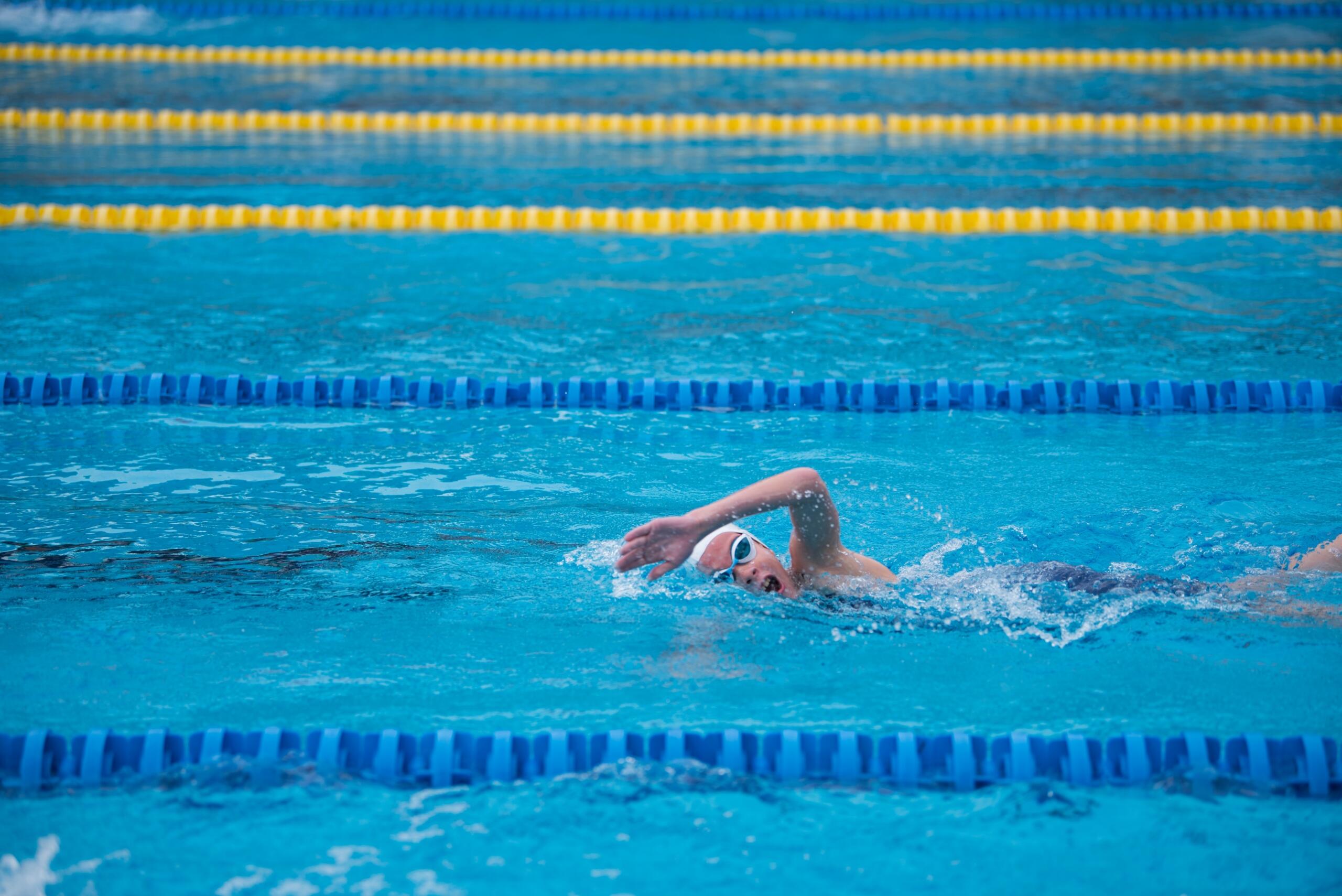
Swimming programmes, often run through school partnerships with public pools, address water safety while supporting fitness to show the practical benefits of sports for kids. In each case, extra mural activities at school help children find movement that suits their interests and strengths.
You may find it helpful to explore our other article, which looks at how creative programmes complement physical participation and nurture expression alongside movement.
Values Learned Through Competition
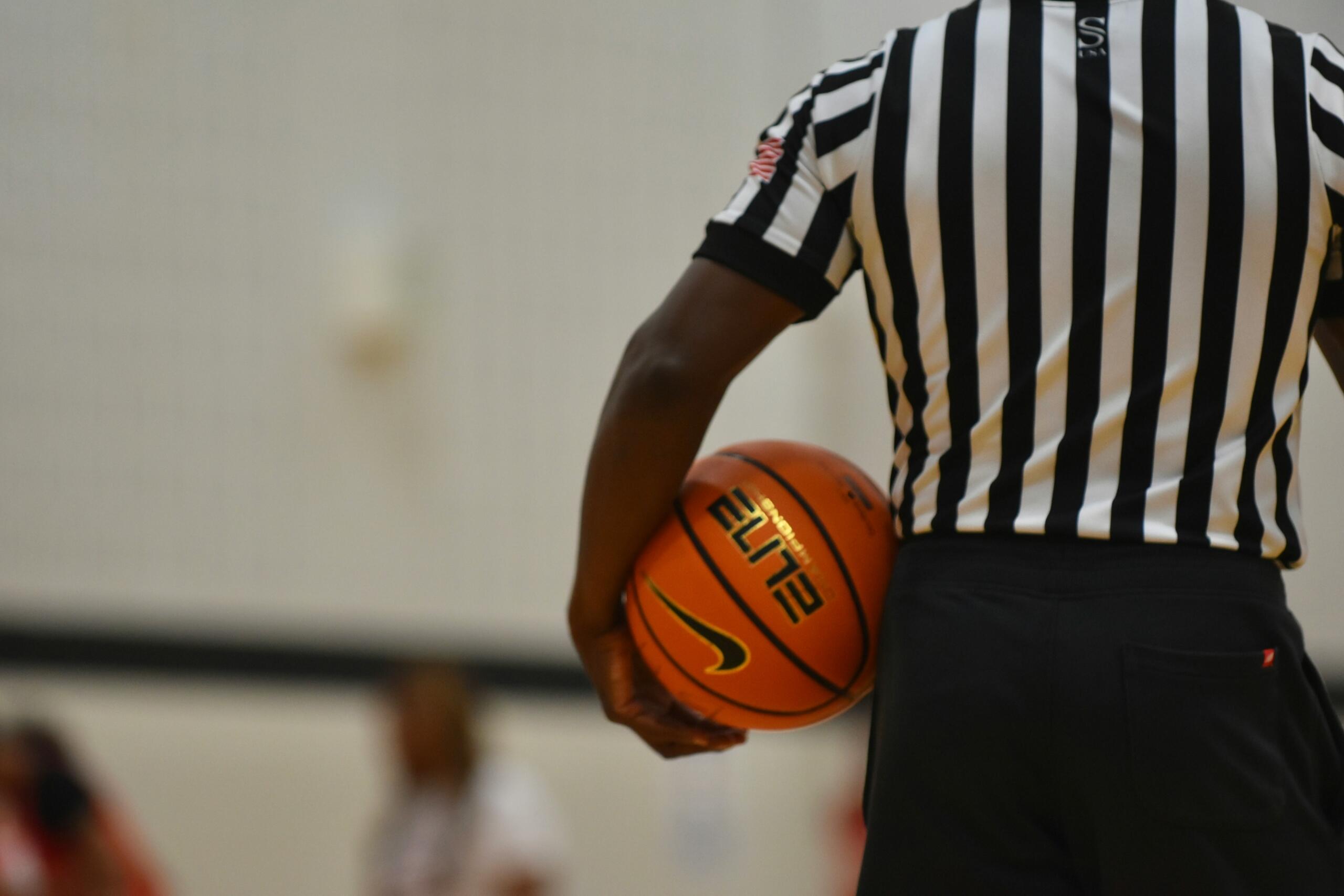
Healthy competition teaches important life lessons. Showing up on time, respecting officials, and accepting outcomes with grace all form part of sporting culture. Can you see that the benefits of competitive sports for children include learning discipline and ethical behaviour, qualities that translate into schoolwork and relationships?
In sport, you don’t just learn how to win. You learn how to lose, how to try again, and how to grow.
Unknown
In South African schools, competitions often involve travel to neighbouring areas and exposing learners to new environments. This experience strengthens independence and adaptability, and emphasises the broader benefits of sports and recreation in a country as culturally diverse as South Africa.
Balancing Participation and Wellbeing
While sport is valuable, balance remains essential. Remember that over commitment can lead to fatigue or burnout, particularly during exam periods.
Understanding the need for physical activity also means recognising when rest is required so encouraging your child to listen to their body will help to keep participation positive and sustainable.
Choosing the right mix of extramural activities at school means that sport remains enjoyable rather than overwhelming. Aiming for a balance will protect the long-term benefits of sports for kids and allow them to grow without unnecessary pressure.
Sport as Part of Holistic Development
Sport does not exist in isolation. Schools that offer a wide range of activities support children with diverse interests.
Our article Local Community Engagement Activities for Social Responsibility highlights how service-based initiatives work alongside sport to build empathy and civic awareness. Together, these experiences strengthen the benefits of sports and recreation by placing physical activity within a broader developmental framework.
Preparing For Future Opportunities
As learners progress through high school, involvement in sport becomes increasingly relevant. The benefits of competitive sports for children extend into adulthood and can definitely shape confident and capable young people.
Universities and employers are on the look-out for indicators of commitment, teamwork, and leadership, all of which are developed through consistent participation.
The Role of Parents and Schools
Your support matters. Attending matches, encouraging effort rather than results, and maintaining open communication with coaches helps children feel valued. Also, schools that prioritise inclusive and well-structured extramural activities at school create environments where learners thrive.
Building balanced schedules supports academic and personal growth. This holistic approach maximises the benefits of sports for kids while respecting individual needs.
A Lasting Impact Beyond the School Years
Clubs and leadership groups also play a role here. You may enjoy reading Clubs and Societies for Extracurricular Development, which dives into how non sporting activities support similar skills and values. Combined, these options reinforce the need for physical activity and show many opportunities for growth.
Ultimately, sport shapes how children see themselves and their abilities. It teaches them how to persevere, collaborate, and care for their health.
By recognising the need for physical activity and supporting thoughtful participation, you help your child build confidence and resilience. In this way, the benefits of competitive sports for children become part of a broader journey toward balanced, healthy, and engaged individuals.
Summarise with AI:
Enjoyed this article? Leave a rating!

 Loading...