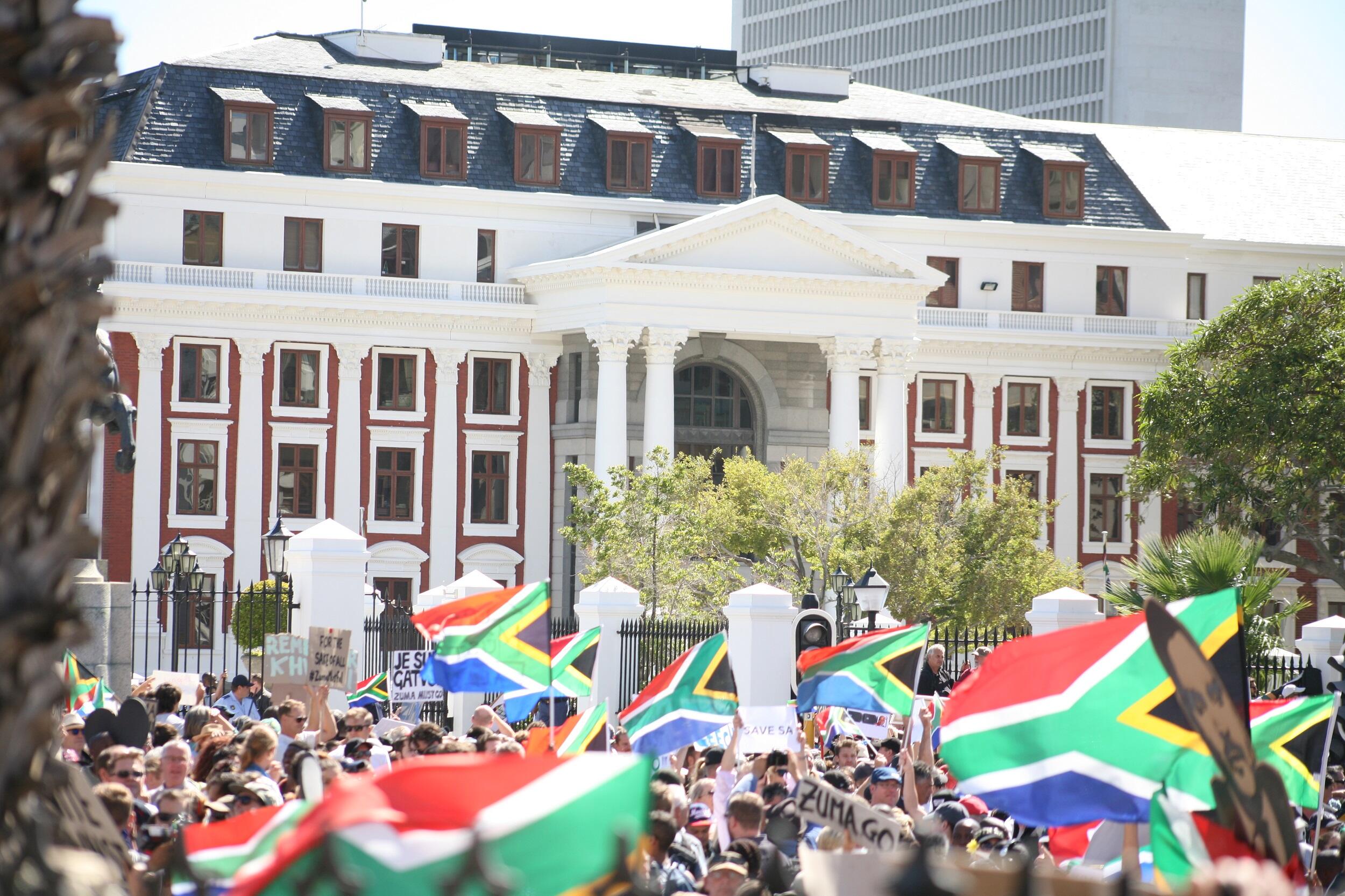

If you have ever wanted to know how the South African government works, you could quickly find out that it is both structured and unique. Unlike many countries that operate from a single capital city, South Africa has a system shaped by history, compromise, and the need to balance regional influence.
The people made it clear they expect political parties to work together.
Cyril Ramaphosa, President of South Africa, 2024, Government of National Unity
In a nutshell, South Africa has a three tier system that divides power across national, provincial, and local levels. At the same time, the presence of the three capital cities of South Africa adds another layer of interest to the structure.
capital cities
Understanding how this works can help you to make sense of how laws are created, implemented, and maintained across the country.
The important thing to remember is that this structure is not just theoretical; it is something we experience in everyday life. From service delivery in your neighbourhood to national decisions debated in Parliament, each level of government plays a role. When you understand how these parts connect, you begin to see how governance shapes everything from education and healthcare to infrastructure and economic growth across South Africa.


The Three Tier System of Government
National Government
At the top of the system, the national government is responsible for national policy, legislation, and overall governance. This includes Parliament, the President, and the Cabinet.
Here's how it works:
Parliament is made up of the National Assembly and the National Council of Provinces. This is where laws are debated and passed. If you have ever wondered which city is the legislative capital of South Africa, the answer is Cape Town, and this is where Parliament is based.
The President leads the executive branch, supported by the Cabinet. Together, they implement laws and manage national policy. Here, the government functions are carried out effectively.
The judiciary operates independently, with the Constitutional Court at the top. In short, the role of the courts is to ensure that laws align with the Constitution, protecting citizens’ rights across the country.

Provincial Government
In addition to this overarching three-tier system, provincial governments operate within each of the nine provinces. They have their own legislatures and executive councils, and while they must align at the national level, they also address regional needs.
For example, provinces manage education and healthcare at a local level, so if you have attended a public school in Gauteng or the Western Cape, you have already experienced how provincial governance works within the broader governmental system.
Local Government
At their heart, local government focuses on municipalities. These include metropolitan, district, and local municipalities which are responsible for services such as sanitation, water and electricity.
This level of governance is where the population typically experiences the most direct impact. Whether it is refuse collection in suburbs like Rondebosch, water faults in Summerstrand or maintaining pot holes in Bloemfontein, local municipalities affect daily life.
How the System Developed
1652
Dutch settlement at the Cape begins
1910
Union of South Africa formed
1910
Decision made to establish the three capital cities of South Africa
1961
South Africa becomes a republic
1996
New constitution establishes the modern South African government
2024
The national elections resulted in no single party winning an outright majority leading to formation of a Government of National Unity
The Three Capital Cities of South Africa
South Africa’s structure includes its three capital cities, each with a distinct role.
Bloemfontein
• Judicial capital
• Home of the Supreme Court of Appeal
• Focus on legal interpretation
Cape Town
• Legislative capital
• Home of parliament
• Centre of law-making
Pretoria
• Administrative capital
• Seat of the executive branch
• Location of the Union Buildings
Pretoria: The Administrative Capital
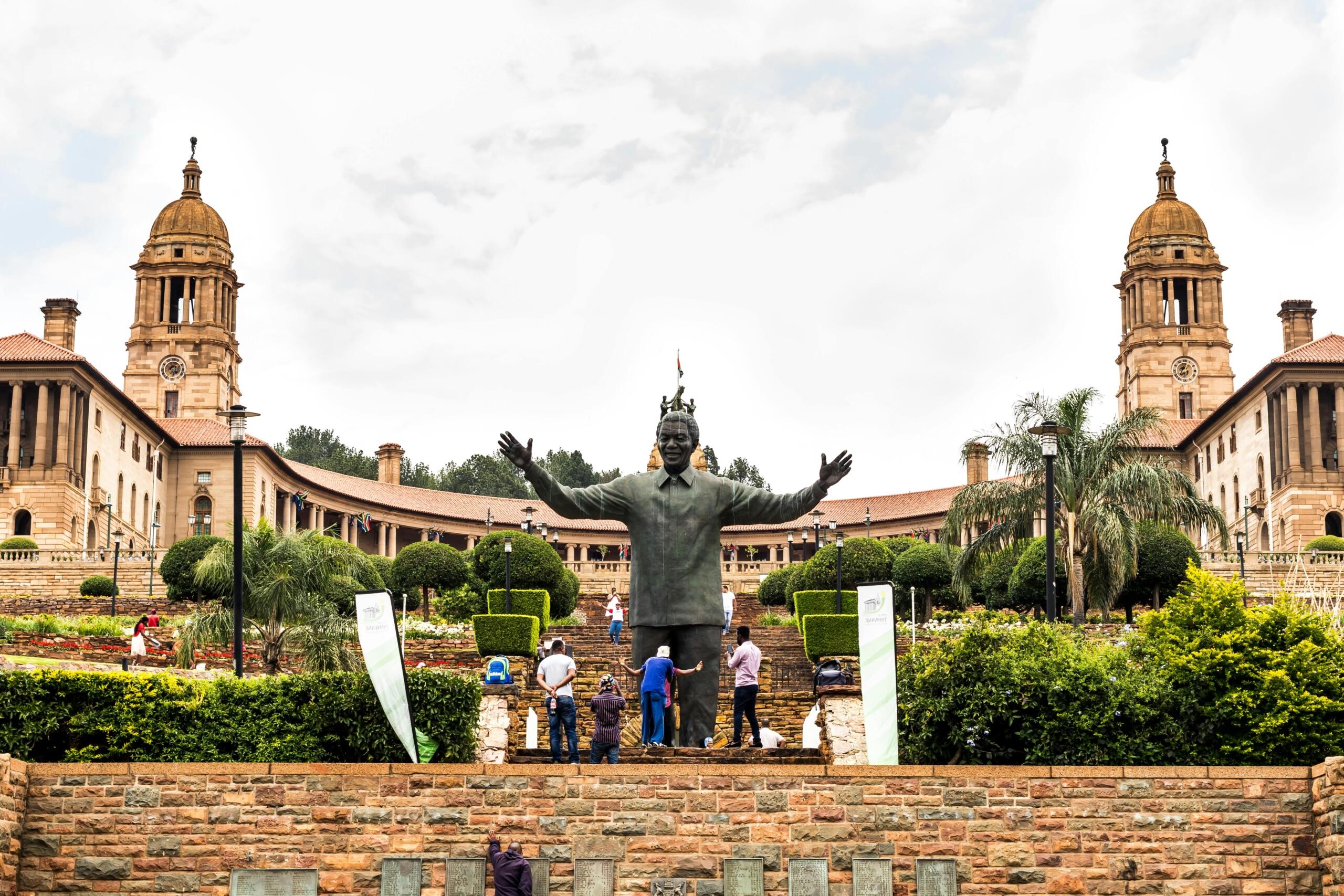
As you learn about how power is organised across the country, you will notice that each capital city serves a distinct and important function within the overall system. Each of these roles help to distribute authority and ensure balanced governance across the country's regions.
Pretoria, the administrative capital, is home to the President and the Cabinet and the Union Buildings, located here, are central to the executive branch of the national government.
Cape Town: The Legislative Capital
If you are searching which city is the legislative capital of South Africa, it is Cape Town. This is where Parliament resides, and it is where laws are debated and passed.
As such, the city plays a vital role in shaping national policy. It is also where you see the legislative arm of the national government in action.
Bloemfontein: The Judicial Capital
Bloemfontein houses the Supreme Court of Appeal, which means it represents the judicial branch and ensures that the law is applied fairly.
Why Does South Africa Have Three Capitals?
A question that is often asked is why does South Africa have 3 capitals. The answer lies in history.
Historical Context
When the Union of South Africa was formed in 1910, different regions competed for influence. The solution at the time, rather than choosing one city, was to distribute leadership power across three locations. This historic decision shaped today’s modern government.
Political Compromise
Ultimately, the decision to create the three capital cities of South Africa was a compromise, and it also ensured that no single region dominated the political landscape. The positive outcome was that it helped maintain unity in a newly formed nation.
Current Implications
Today, while it may seem complex, it reflects the country’s history and diversity and this structure continues to influence governance. Understanding why does South Africa have 3 capitals helps us to appreciate how political balance was achieved.
State Institutions Supporting Democracy
The South African government is supported by what is known as Chapter 9 institutions. These include the Public Protector and the Human Rights Commission.
In essence, these bodies ensure accountability that protects citizens’ rights. Most importantly, they operate independently, reinforcing the democratic system.
The National Development Plan
Next, it is important to understand the National Development Plan, often referred to as the NDP, which outlines the long-term goals for the country.
Objectives
Overall, the plan aims to eliminate poverty and reduce inequality by providing a framework for development within the overall government.
Implementation
Government departments align their strategies with the NDP, which ensures that policies contribute to long-term growth and stability.
If you are interested in how decisions are made, don't miss our article on how the South African parliament works which offers further insight into legislative processes.
Government Priorities and Programmes
The South African government focuses on key areas such as economic growth, education, and healthcare.
Current Focus Areas
Today, these include job creation, infrastructure development, and social support programmes. Here, the national government plays a central role in driving these initiatives.
Major Programmes
Examples of these programmes include housing projects and social grants which aim to improve the quality of life across the country.
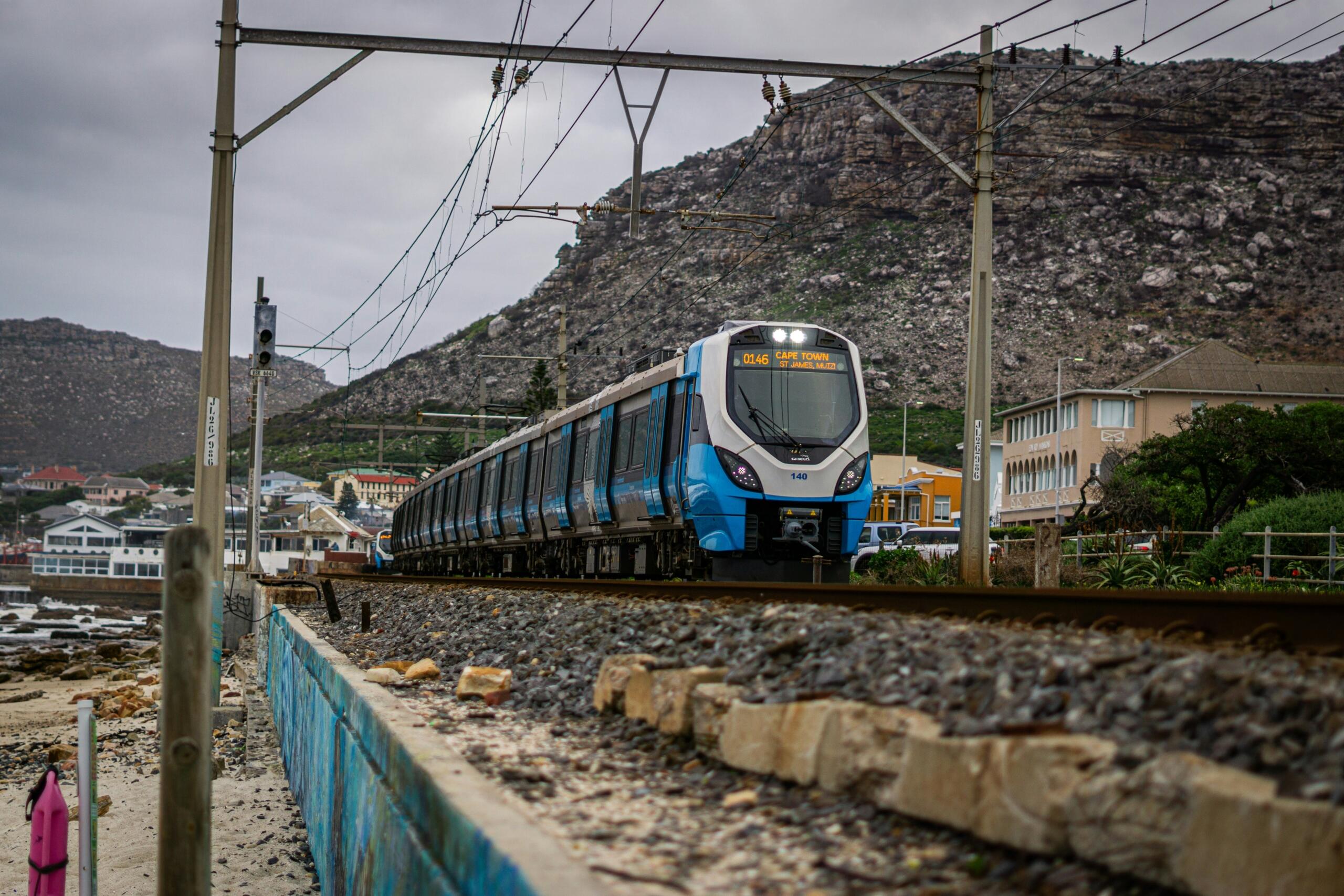
In addition, government initiatives often focus on expanding access to education, improving public healthcare facilities, and investing in infrastructure such as roads, transport systems, and community services.
You could also see these efforts in action through new school buildings, clinic upgrades, or housing developments in growing suburbs and townships.
Overall, these programmes are designed to support long-term development and create more equal opportunities for all citizens, particularly in under developed communities.
To better understand how everyday citizens participate in this system, read our article on the South African electoral system, which explains the importance and the process of voting.
Comparing the Three Tiers of Government
| Level | Key Role | Example |
|---|---|---|
| National | Policy and legislation | Parliament in Cape Town |
| Provincial | Regional governance | Education departments |
| Local | Service delivery | Municipal services |
Understanding the Bigger Picture
In studying the structure of the South African government, it becomes easier to see how each part connects. From national policy to local service delivery, every level plays a role.
At first, the presence of three capital cities of South Africa does add complexity, but it also creates balance. If you have ever asked which city is the legislative capital of South Africa, or wondered how governance works across provinces, you are already engaging with this system.
For a broader perspective, our article on democracy in South Africa explores how governance fits into the country’s democratic framework.
Know How the Country Functions
Through understanding how the South African government is set up, we are provided with important insight into how the country functions at both a macro and micro level. Not only that, it shows us how decisions are made, how power is shared, and how history continues to shape the present.
When you understand the answers to why does South Africa have 3 capitals or which city is the legislative capital of South Africa, you begin to see the importance of balance and representation.
If this was of interest, you may want to explore the political landscape further by reading our piece on the main political parties in South Africa, which provides a useful guide to the key players shaping the country’s future.
Summarise with AI:
Enjoyed this article? Leave a rating!

 Loading...