

Why does rest make us feel guilty? Is there power in doing nothing? Perhaps. We are so conditioned to believe that slowing down is counterproductive that it makes us uncomfortable, especially when life celebrates busyness.
Psychology tells a different story. True rest is not something that should be earned after working yourself to the point of burnout. Rather, from a position of rest, research says that we think clearly, stay emotionally balanced and are able to solve problems.
Rest and self-care are so important. When you take time to replenish your spirit, it allows you to serve others from the overflow.
Eleanor Brownn
Before we look at "what is burnout", it makes sense to explore what psychology teaches us about doing less in winter. Instead of believing that the colder months are something to push through, why not see them as an invitation to restore and replenish energy before summer's return?
In doing so, remember that learning how to relax your mind is not about giving up on your ambitions. It is about creating the mental space that ignites your performance over the long term.





Why Rest Feels Counter-Intuitive
South Africans are known for their strong work ethic. For many, it is a source of pride but also of survival. Sadly, long commutes, demanding jobs, family responsibilities and financial pressures often leave little room for recovery.
Technology adds another challenge, creating an "always on" and "always-available " culture. The result? Switching off can feel almost irresponsible.
Winter intensifies our inner conflict when shorter days naturally encourage us to slow down, yet many of us try to maintain the same pace we kept during those brighter months.
Understanding what psychology teaches us about doing less in winter begins with recognising that your body and mind are responding to genuine biological and psychological rhythms rather than a lack of discipline.
Rest is More Than Sleep
Many people wrongly assume that rest simply means sleeping for longer, but according to Saundra Dalton-Smith, true restoration is a much broader concept. Her widely recognised framework describes seven different types of rest that support our wellbeing in different ways.
The Seven Types of Rest
| Type of Rest | What it Can Restore |
|---|---|
| Physical | Energy and physical recovery |
| Mental | Clear thinking and concentration |
| Emotional | Healthy emotional expression |
| Social | Healthy boundaries and supportive friendships |
| Sensory | Relief from over stimulation |
| Creative | Imagination and inspiration |
| Spiritual | Meaning, connection and purpose |
Essentially, this framework reminds us that we can sleep for eight hours and still feel exhausted if we are emotionally overwhelmed or mentally overloaded.
Ultimately, understanding the importance of rest means recognising which form of restoration you need most, rather than assuming that sleep alone will resolve every feeling associated with burnout.
How Leisure, Rest and Sleep Differ
Psychology makes an important distinction between rest, sleep and leisure. First, sleep is a biological necessity that supports physical and cognitive functioning, while leisure is time spent enjoying activities that bring pleasure or relaxation.
The concept of rest carries a broader meaning. It can be anything that restores depleted mental, emotional or physical resources.
Dr Saundra Dalton-Smith argues that many people are not sleep deprived. They are rest deprived.
For example, scrolling through social media might feel relaxing, but it does not necessarily provide rest from sensory and mental stimulation. Similarly, spending time connecting with friends could restore your emotional well-being even if it leaves you physically tired.
Recognising these differences makes it much easier to understand the importance of rest while choosing activities that genuinely help us to recover.
What is Burnout, Really?
Many people describe themselves as "burnt out" after a challenging week, but psychologists use the term much more carefully.

The World Health Organization recognises burnout as an occupational phenomenon resulting from chronic workplace stress that has not been successfully managed. It is characterised by exhaustion, increased mental distance from work, feelings of negativity towards work and reduced professional effectiveness.
Understanding the question "What is burnout?" helps separate ordinary tiredness from a more serious pattern that requires attention. Interesting, burnout does not develop overnight, which supports the case for regular recovery over occasional holidays.
Nature Helps Your Brain Recover
One of psychology's most influential environmental theories is Attention Restoration Theory, developed by Rachel Kaplan and Stephen Kaplan.
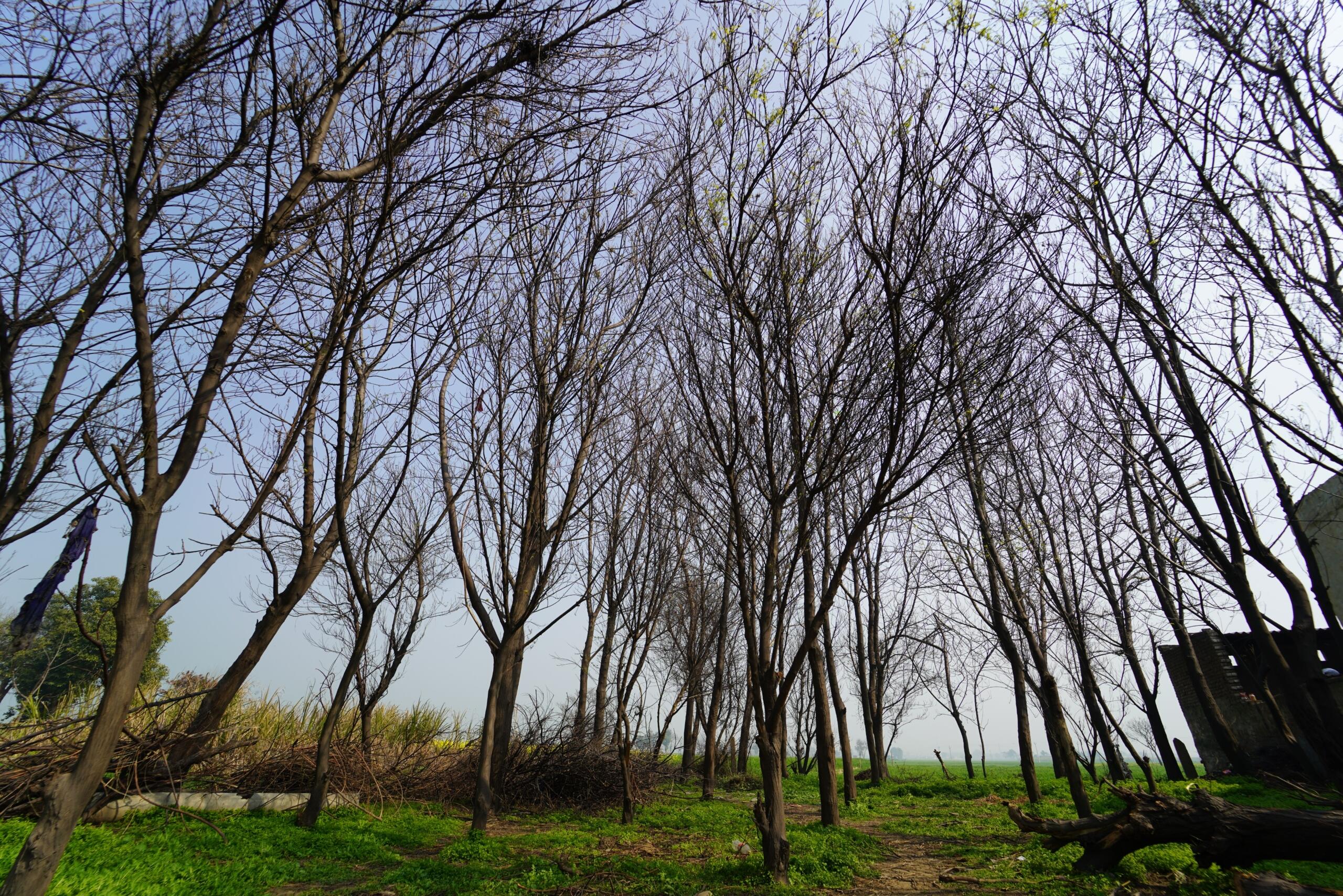
The theory suggests that natural environments help restore directed attention after prolonged mental effort and that spending time among trees, mountains, rivers, or the ocean helps your brain recover from the constant concentration demands of modern life.
This research supports the theory that psychology teaches us about doing less in winter, which can be perfectly timed with a half-year reset to reflect on your goals during winter in July.
Why Winter Supports Slow Living
Many cultures have long understood that different seasons encourage different rhythms.
This seasonal rhythm aligns with principles of slow living. Rather than measuring success by how much you accomplish each day, slow living means we focus on quality, presence, and intentional choices.
Embracing slow living does not mean giving up ambition. It means accepting that sustainable success requires regular space to pause, reflect and recover.
The Science Behind Rest and Better Thinking
Research shows that cognitive performance improves when our brains have the opportunity to recover between periods of focused attention.
Attention Restoration Theory suggests that nature can reduce mental fatigue by gently engaging your attention rather than demanding constant concentration. This helps restore the mental resources needed for learning, planning, and problem-solving.
Of course, sleep also plays a vital role in memory, emotional regulation, and decision-making and the World Health Organisation continues to emphasise the importance of healthy sleep for good mental health and wellbeing
Together, these findings highlight the importance of rest as an investment in improved cognitive ability.
Winter Gives You Permission to Slow Down
In South Africa, winters bring shorter daylight hours between May and August, and although most regions do not experience the severe seasonal darkness seen in some Northern Hemisphere countries, reduced daylight still affects daily routines and energy levels.

Many communities have traditionally adapted to winter by gathering indoors earlier, sharing meals with family or spending evenings around a fire. These quieter routines remind us that productivity does not always need to look the same throughout the year.
Accepting seasonal change is another example of what psychology teaches us about doing less in winter. Rather than resisting winter, why not work with its natural rhythm?
Think of it as the ideal season to embrace slow living and time to yourself, replacing constant activity with greater intention and presence.
Slow living can mean taking time to nourish the body with the comfort food our bodies naturally crave in colder temperatures.
Myths and Facts About Rest
| Myth | Fact |
|---|---|
| Rest is laziness | Rest supports productivity and cognitive performance |
| Sleeping for longer solves an energy deficit | Different forms of rest restore different parts of your wellbeing |
| Successful people never slow down | Sustainable performance depends on regular recovery |
| Burnout happens suddenly | What is burnout is best understood as the result of prolonged, unmanaged workplace stress |
Separating these myths from the truth means you can make healthier, guilt-free choices that, when implemented as healthy habits, can help you relax your mind for more sustainable mental health.
Five Ways to Rest Intentionally This Winter
You do not need an expensive retreat to recharge. Small daily habits can make a meaningful difference.
As these simple practices support slow living while helping you recover consistently throughout the colder months, they also demonstrate the importance of rest as something you can build into everyday life.
Give Yourself Permission to Pause
South African employees are entitled to annual leave under the Department of Employment and Labour's Basic Conditions of Employment Act. Yet many people postpone taking leave or remain connected to work throughout their holidays.
Whether you work from home, commute into the office or run your own business, it would be better practice to create periods of genuine recovery, which supports better long-term performance.
Also, understanding how to relax your mind can mean recognising that rest does not have to be earned through exhaustion. It can become part of your regular routine. Why not try sticking to these healthy boundaries by sharing your plans with family or colleagues who will remind you when you default to old habits?
Rest is Part of a Well-Lived Life
Winter invites you to take note of something many of us overlook during busier seasons - your value is not measured by how much and how constantly you are in productivity mode.

Psychology continues to show that sustainable success depends on cycles of effort and recovery rather than relentless activity. Whether you have asked "what is burnout" or simply want to embrace slow living, it all starts with an appreciation of rest.
So, as you learn how to relax your mind, or understand what psychology teaches us about doing less in winter, the message remains remarkably consistent. Rest is not the opposite of productivity. It is one of the reasons productivity is possible. Come on, grab your scarf, beanie and jacket; that cold air and those exquisite winter landscapes are waiting to help refresh your mind - get out there.
Summarise with AI:
Enjoyed this article? Leave a rating!

 Loading...