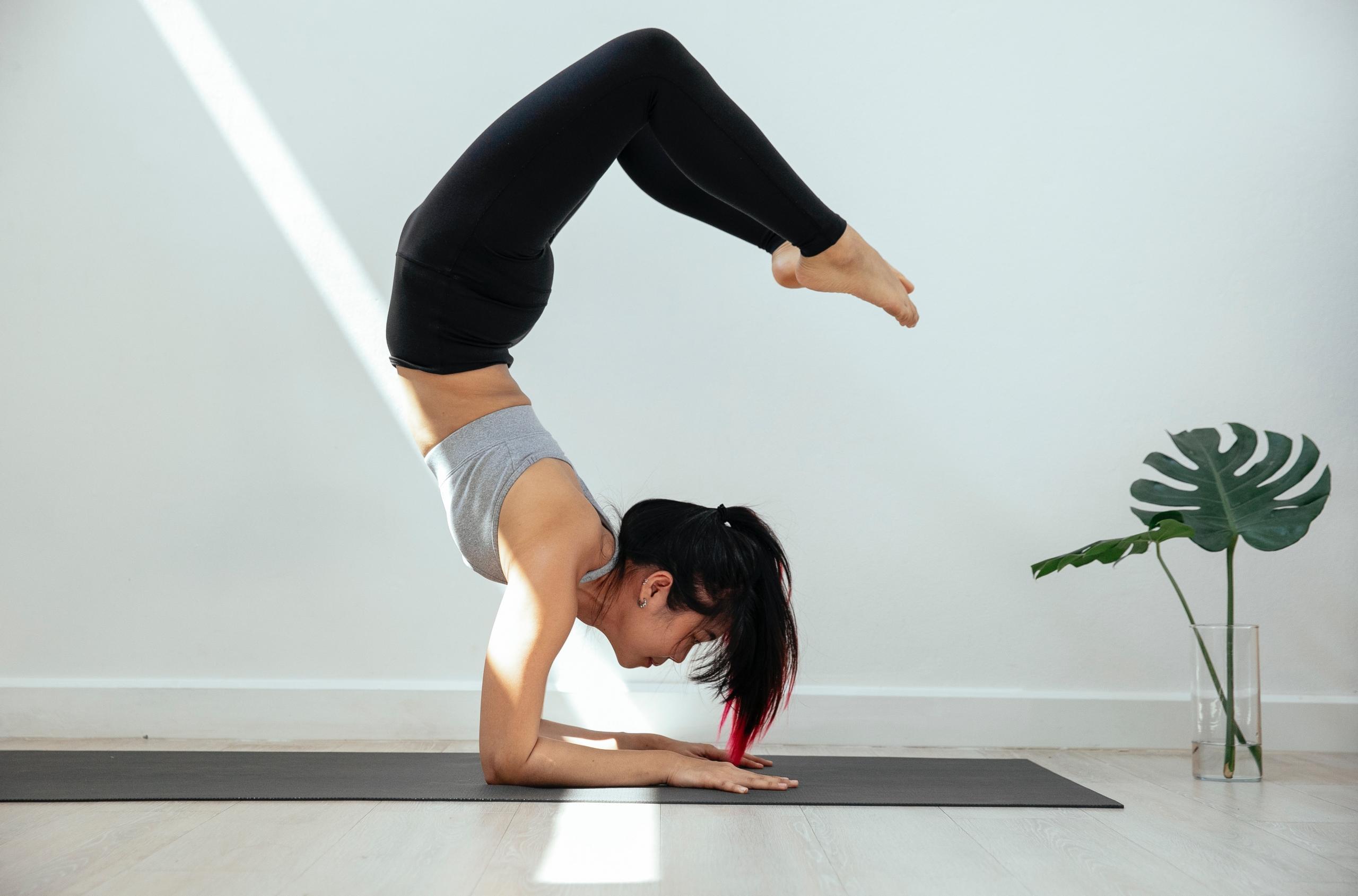

The yogic lifestyle is drawing more attention as more yogis come to their mats on their path towards becoming happier, healthier, holistically balanced, human beings.
Some see it as a way towards enlightenment while others view it as one of the best ways to calm their minds and keep their bodies fit and healthy.
At its roots, yoga has a no-harm philosophy.
The non-violence principles are the reasons why a yogic lifestyle is also closely related to veganism. Today the world is battling with climate change, excessive stress and a lack of understanding for others. The principles of yoga support beliefs around the creation of balance and harmony, in ourselves the world at large.
Most beginners think yoga is an intense practice only suited for fit and lean people, but fortunately nothing can be further from the truth. Yoga in its purest form is for everyone and the only difference is how you approach yoga, or how much you allow yoga to do in your life.
Whether you want to create the best version of yourself, live healthier, bring a balanced fitness regime into your life, learn to love yourself or bring more compassion into the world, a frequent yoga practice can bring many ingredients and teachings to help you in the process.
In this article we’ll look at how you can approach yoga, why Hatha is a good start and cover some of the best hatha postures beginners can use in their own practice.


What is Hatha Yoga?
Over the last 5 000 years yoga developed and changed from a spiritual practice to the different types of yoga we know today. Some yogis still include spiritual aspects like mantras and purging into their practices, many bring mindfulness or meditation into theirs, while others like to focus more on the physical fitness and poses (asanas).
Do you want to do yoga for physical, spiritual or mental reasons?
Your reasons for practising yoga will probably be the leading factor in choosing a type of yoga that suits you. If you go to a group class at a gym, the yoga class will probably be either vinyasa or hatha based. These classes focus a lot on the physical practice, helping yogis to improve cardiovascular health and reap the numerous physical benefits while also calming the mind and getting rid of stress.
The main difference between Hatha and Vinyasa yoga is the pace of the practice.
Vinyasa is about remaining in constant movement, synced to breath, while Hatha focuses on more controlled and held poses or stretching. The slower pace of Hatha yoga is what makes it well-suited for beginners, especially non-movers or those hesitant to try yoga for the first time.
Hatha is a Sanskrit word which translates to ‘force’ and represents the physical aspects around yoga. A Hatha yoga class does, however, include all the universal aspects of yoga, to bring together the various aspects that make us balanced human beings. A Hatha yoga class is usually around 45 mins to an hour and will include a mix of:
- Asanas (postures)
- Pranayama (Breathing techniques)
- Meditation
You can read more about what Hatha yoga is in this article.
Private yoga studios tend to have more specialised yoga types. Iyengar yoga is all about alignment in poses to work towards balance, Bikram has a set sequence of asanas in 41 degrees of heat, while Kundalini yoga focusses on removing blockages in chakras or energy centres within the body.
All yoga types have commonalities that remain rooted in its colourful history and the Hatha yoga teacher you choose will determine a unique mix between calmness, physical exertion, philosophy and mindfulness.
Read more about the principles of Hatha yoga here.
Different Poses in Sequence
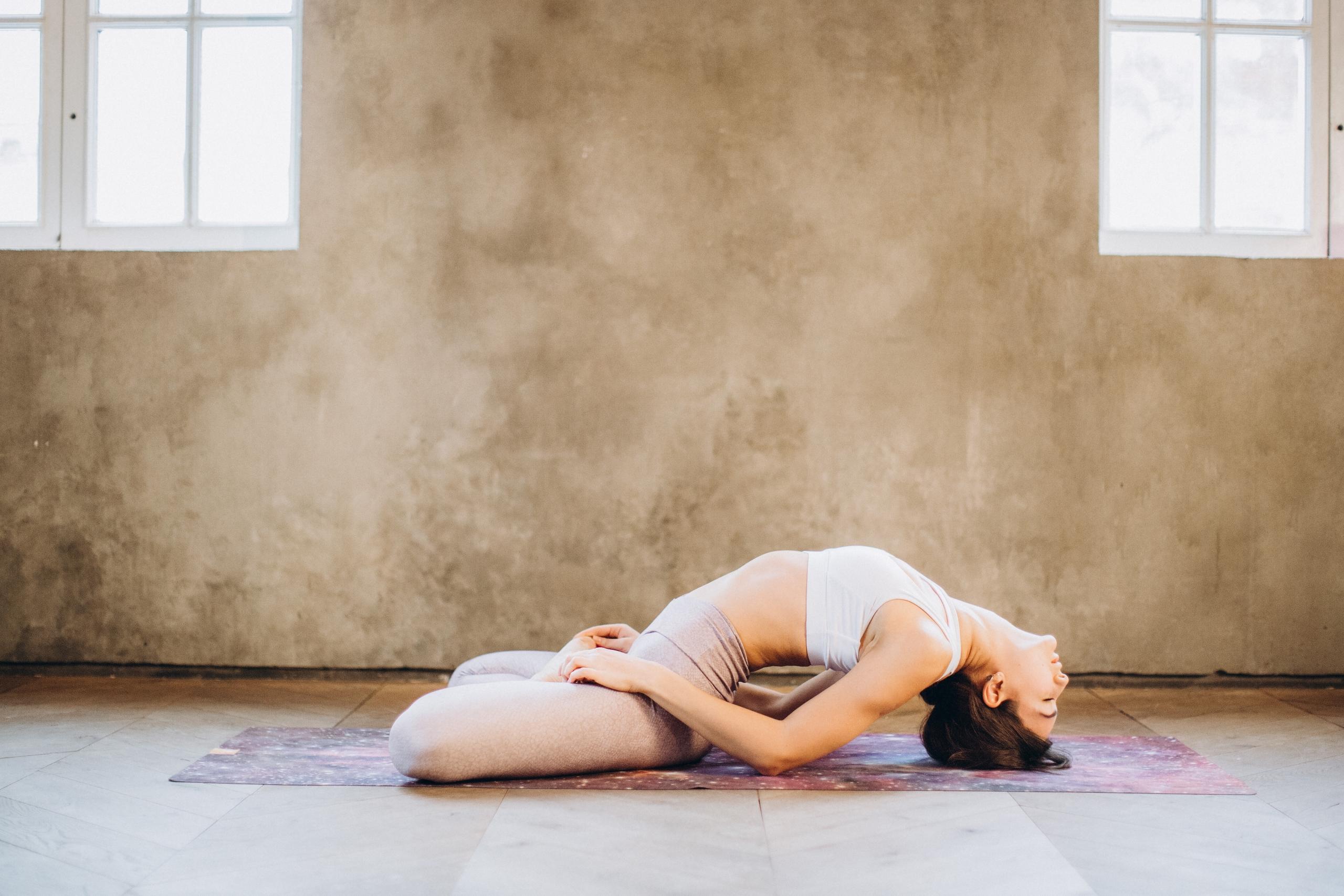
Every Hatha class is structured to firstly prepare your mind and body, introduce movement, and afterwards allow the yogi to assimilate the experience.
A meditative practice usually opens the class to bring your focus onto your mat, followed by a gentle warm up before moving into a variety of planned poses for the class. A great class will slow the pace towards the end in preparation for Shavasana and or a meditative practice.
There are also a wide variety or types of poses that a hatha yoga teacher can use during the class. These different types of poses are used in a balanced way to ensure you work the entire body, improve your balance and stretch all over:
- Standing poses
- Seated poses
- Balancing postures
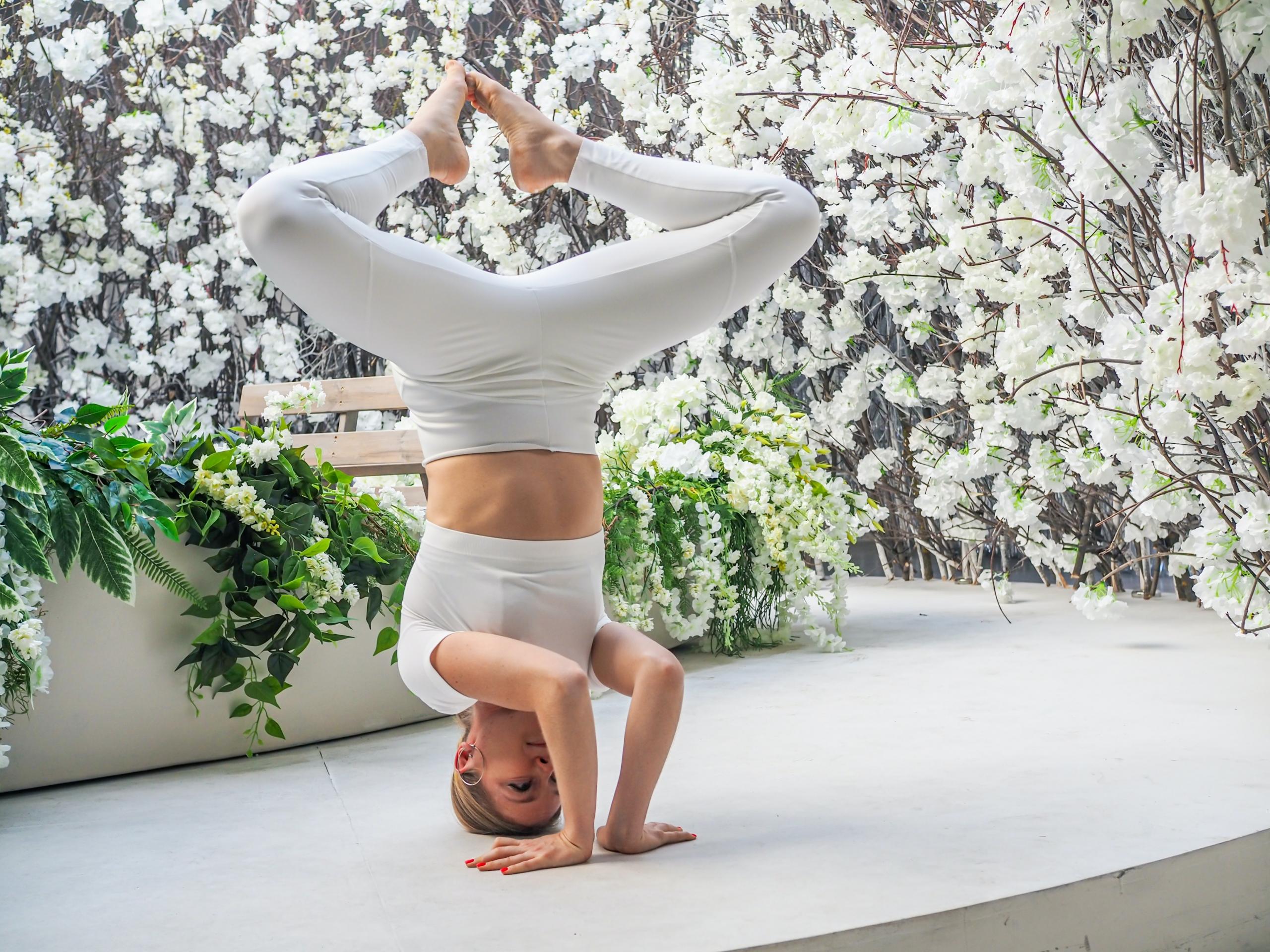
- Inversions
- Backbend postures
- Forward folds
- Twisted poses
Certain poses are more suited for warm-ups and used in preparation for poses that will afterwards work deeper into tissues, muscles and joints. While most of the poses will work the entire body, you'll learn that there are some poses that are more fit to specific purpose and modern scientific proof of the benefits of yoga now confirms what ancient yogis have always believed.
Did you know that many of us hold emotional stress and tension in our stomachs?
That’s what gives you the strange feeling in your belly when you are stressed or excited. In yoga there are poses created to release tension in specific areas, like our bellies, sometimes with a consequential emotional response. Don’t be surprised if you sometimes feel emotional release during or after a class. Allow the emotions to be, and then try and release them.
Beginner Hatha Sequence
Here are a few asanas you can use in your own home sequence, ensuring that you hold each asana for 30 seconds to 1 minute as this helps with strengthening your body. Also remember to do each pose on both the right and left side to create balance in your body.
Be sure to consult with a medical professional if you have any injuries or other health conditions before starting any new exercise plan.
Child’s Pose (Balasana)
Benefit: Brings calmness and relaxation to the body and mind while gently stretching the spine and shoulders.
Start from all fours, which is on your hands and knees. Widen your knees to the width of your mat and slowly sit your bum towards your heels. Your arms will automatically straighten to the front as you move your head and chest to the floor. Try to bring all your focus towards your breath.
Cow Pose (Bitilasana) & Cat Pose
Benefit: Increases flexibility in the shoulders and spine while stretching other areas for warm-up.
Coming back to all fours you will move into cow pose with an in-breath and cat pose with an exhale, each time bending your spine in the opposite direction. For cow pose, slowly lower your belly to the floor, lifting your chin and chest. From there move into cat pose as you create a dome your spine and back towards the ceiling (like a scared cat). Do a couple of rounds and really feel the movement in each vertebra.
Cobra Pose (Bhujanga)
Benefit: Strengthen the back and buttock muscles, decrease stiffness and elevates the mood.
Lie down, flat on your belly on the ground. Place your hands on the mat under your shoulders. Now try to only use your back muscles to lift the head and torso off the mat. Try and hold it as this strengthens the back muscles.
Mountain Pose (Tadasana)
Benefit: Corrects improper posture and helps to develop greater body awareness.
Stand upright with your feet stacked under the hips, a neutral pelvis and spine. Your shoulders roll back to open your chest before you relax them down, arms extending next to the hips.
Forward Fold (Uttanasana)
Benefit: Stretch the hamstrings and back while massaging the abdominal area, spleen and liver.
From your standing position you are going to bend at the hips to fold forward. Move slowly until you get your hands close to the ground or your toes. The head relaxes and hangs down while your legs go as straight as possible to enable a stretch into the back body.
Downward-Facing Dog (Adho Mukva Svavasana)
Benefit: Tones the leg muscles, calms the brain and stretching the shoulders.
From a plank position you are going to raise your hips to the sky, keep your hands where they are as you move your chest closer to your legs to make a pyramid shape between your body and the floor. The downward facing dog is popular in yoga and the objective is to get a straight back first before you try and straighten your legs.
Warrior 1 Pose (Vihrabhadrasana 1)
Benefit: Tones legs, hips and stomach muscles while it relieves sore and stiff back muscles.
From your downward facing dog posture you are going to lift your right foot and step it forward in between your hands. Slowly lift the arms and upper body as you come up into a high lunge where your front knee is at 90 degrees and your back leg straight. Lift your upper body and arms up to expose the heart area. To go to the other side drop your hands to the floor, step the right foot back and repeat it on the left side as you step the left foot forward.
Warrior 2 Pose (Virabhadrasana 2)
Benefit: Strengthen your legs and tone your abdominal muscles
Go into this asana from a warrior 1 pose. With the right leg in front you'll spin your body to face the left as the right arm stretch to the front and the left arm to the back. The back foot turns to be parallel to the back of the mat. Don't forget to do warrior 2 on the left side as well.
Triangle Pose (Trikonasana)
Benefit: Beneficial to relieve indigestion, acidity and gastro-related issues. Also great for back pain and muscle strength around the pelvic regions.
Standing with your feet about 3 feet apart, turn your right foot 90 degrees to the right. Raise your arms so that the palms face the same direction as your chest and then tilt your body down to the right so that the right hand move to the ground while the left hand point up. Try and keep both legs straight without locking your knees and hold this asana for a while before doing the left side.
Corpse Pose (Shavasana)
Benefit: Relaxes the whole body and mind, ease tension, release stress and helps with the stimulation of blood circulation after exercise.
Lie flat on the ground on your back, trying to get your whole body to melt into the floor. Your feet and toes can drop out to the corners of your mat and place your hands with the palms facing up.
Tips for Beginners
Yoga is safe, if it’s done slowly, with full awareness and if you listen to your body.
We wanted to give you additional guidance to ensure you make the most of the poses during your own sequence or practice.
- Take it slow – moving slowly in and out of poses will prevent injury.
- Listen to your body – we are all different and so are our bodies. Never push too hard or go beyond your own body’s capabilities.
- Start easy and grow poses – start with beginner poses and classes. Teachers teach regressions for complex poses and once you master a basic pose you can do more advanced progressions.
- Frequency of practice trumps duration – don’t kill yourself in the first session. Rather practice a short while every day and gradually increase the duration. Even a 15-20 minute session each day is better than two-hour sessions a week as it’ll help your brain to establish the process, pattern and meaning of yoga.
- Make it YOUR practice – Add meditation, movement, mantras or anything you want and need to fall in love with your practice. Explore techniques and find out what fills your heart and soul to do more of that, more often.
- Find a good teacher – A good teacher will ensure you make the most of your practice. Find an experienced and trained teacher to help you in private or in a group class.
Getting Started
All you need now is your yoga mat, and a quiet place where you can practice. If you're interested in one-one-one lessons, we have a range of qualified and experienced yoga teachers on Superprof that can help you make the most of your Hatha yoga flow. Booking a session takes almost no time and you can practice at your own place.
Before you know it you'll touch your toes, bend and twist in amazing new ways, while feeling a million dollars.
What are you waiting for?
Summarise with AI:
Enjoyed this article? Leave a rating!

 Loading...