

Practice slowly. Progress quickly.
Shinichi Suzuki
If you’ve ever sat down at a piano in the still of the evening, hands hovering over the keys and heart beating just a little faster than usual, you’ll know that preparing for your piano exam is both exciting and nerve-wracking. You’ve put in hours of practice, your teacher has listened patiently to your scales for months, and now all that stands between you and the next musical milestone is one performance. Whether you’re taking your very first grade or sitting for an advanced diploma, the process can feel daunting. But the truth is, with the right mindset, preparation and support, you can not only pass your piano exam, you can ace it!
Across South Africa, from Johannesburg’s bustling suburbs to the coastal calm of Durban North, students are working towards the same goal: earning strong piano exam results that reflect both skill and passion.
So how do you make sure that your hard work pays off and that you fly through your piano exam levels without a hitch?


Understanding the Different Piano Exam Boards in South Africa
Before you even think about fingering, phrasing or dynamics, it’s useful to understand what system you’re working within. In South Africa, several respected boards offer graded piano qualifications and while they share a common goal, each has its own flavour.
First, the Associated Board of the Royal Schools of Music (ABRSM) is one of the best-known international exam bodies and many South African schools and private teachers use its structured syllabus, which combines performance, sight-reading and aural skills. Second, the Trinity College London (TCL) exams are just as well established, and some students prefer their slightly more flexible repertoire options, including contemporary works.
Then there’s UNISA, a proudly South African institution whose exams are respected nationwide. If you’ve grown up in Pretoria or Cape Town, chances are you’ve met someone who took a UNISA piano grade at some point. The UNISA system mirrors the international boards but holds a special local prestige, often forming part of music department assessments at high schools and universities.
Also worth mentioning, if you are drawn to modern styles, Rockschool has gained huge popularity in recent years, especially among younger learners who love jazz, blues or pop piano. In addition, you can even find London College of Music (LCM) exam centres dotted across the country which also another respected pathway for pianists.
All these boards assess at various piano exam levels, typically from Grade 1 through to Grade 8, followed by diploma stages.
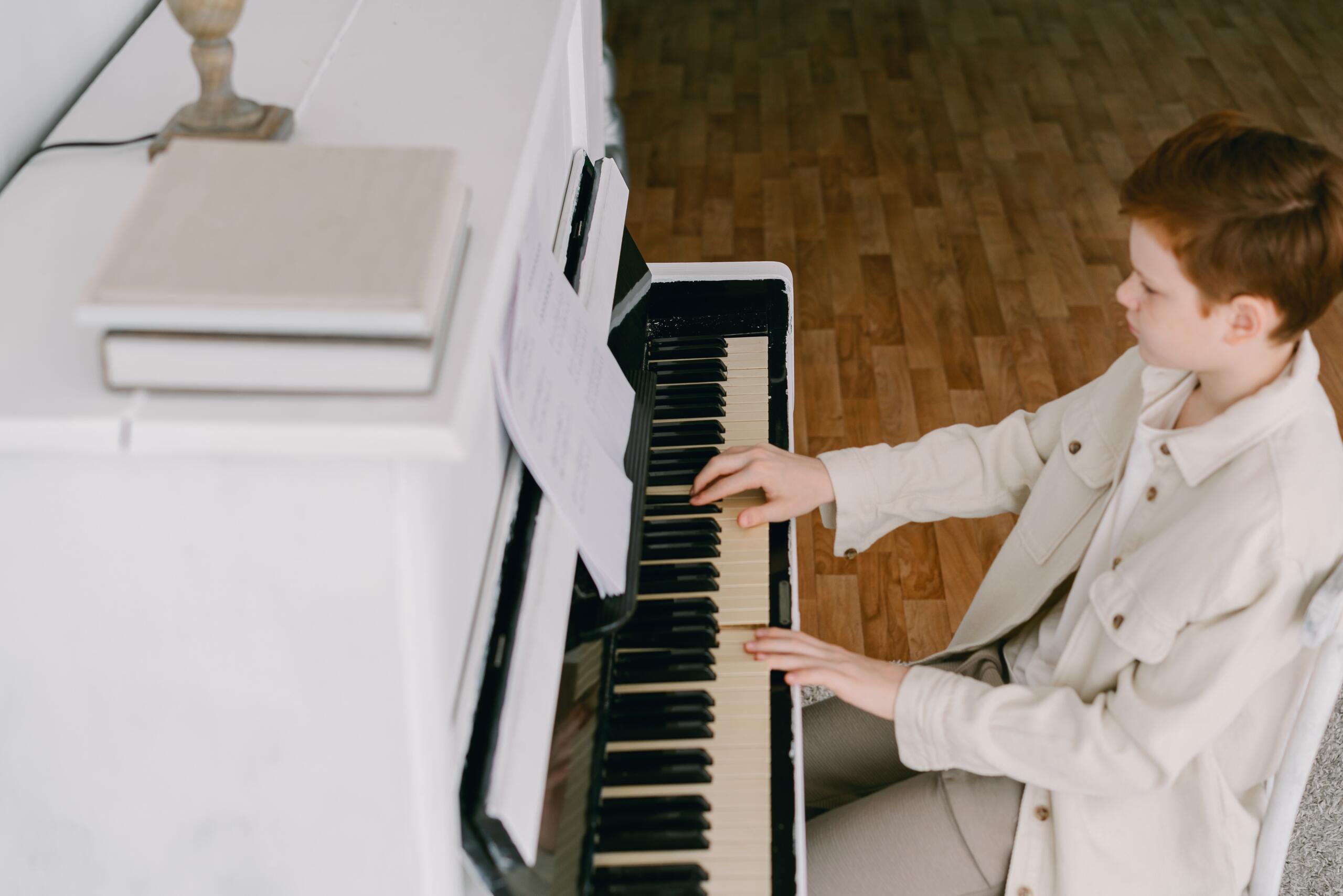
Choosing the right level depends on your age, confidence and experience. Your teacher will know when you’re ready, but remember that these piano exam levels are there to guide, not restrict you.
You might move faster through some grades, and that’s perfectly fine. What matters most is understanding where you are musically, and what comes next.
Building the Foundation: From Piano Lessons to Confidence
If you’ve already been taking regular piano lessons, you’ll know that progress isn’t always linear. Some weeks, you feel unstoppable as every scale flows and every piece falls into place. Other weeks, a tricky passage or difficult rhythm can make you question everything. All of this is normal, but the key is consistency.
Remember your piano lesson isn’t just a time to play through your pieces; it’s a space to understand how music works, how your body interacts with the instrument, and how emotion finds its way through your fingers.
In preparing for piano exam levels, many South African students benefit from private tuition alongside their school lessons. In cities all over South Africa, you’ll find vibrant communities of independent music teachers who tailor each piano lesson to suit your goals. On Superprof, for instance, hundreds of qualified local tutors offer lessons in everything from Baroque technique to modern improvisation.
The right piano lesson structure with a tutor who connects with your personality, can help you tackle performance anxiety. Remember that examiners don’t just listen for perfect notes, they look for poise and musical character. Also, when you practise performing regularly, even in small informal settings, you learn how to stay calm and centred.
The Often-Neglected Side: Piano Theory Exam Preparation
Many candidates underestimate the piano theory exam, thinking it’s secondary to performance. But theory is not only essential for passing piano exam levels, but also for understanding how you play. A piano theory exam typically covers key signatures, chord progressions, harmony and notation which are all tools that shape musical expression.
If you’re based in South Africa, you have the opportunity to take your piano theory exam through UNISA or ABRSM and in both cases, these exams are available online or in-person, depending on your location. Students in smaller towns, like Bloemfontein or George, often appreciate the online option. Either way, don’t leave theory revision until the last minute. Instead, set aside one day a week to revise, work through past papers, and ask your teacher to help you make sense of tricky concepts like cadences or modulation.
Once you grasp theory, you’ll notice how much easier it becomes to interpret new pieces. You’ll start to see patterns instead of isolated notes, and that insight will shine through in your performance.
How to Practise for Your Piano Exam Without Burning Out
Remember that preparing for your piano exam is a marathon, not a sprint. South African students often juggle heavy school loads, sports commitments and cultural activities, so finding your balance is vital. Try shorter, focused practice sessions instead of one long, exhausting sit-down.
Start by warming up with scales, arpeggios and broken chords, but don’t just play them mechanically. Rather, listen to your tone, vary your dynamics, and experiment with tempo. These exercises will build your muscle memory and musical awareness.
Record yourself occasionally; it’s amazing how much you notice when you listen back.
When you work on pieces from your syllabus, take them in small sections. Play hands separately before bringing them together, and spend extra time on transitions. If your fingers fumble or your confidence dips, don’t be too hard on yourself. Every pianist, from beginner to concert artist, has rough practice days.
If you’re in Johannesburg or Cape Town, you might have access to music hubs like the South African College of Music (SACM) or local arts centres with practice rooms. These spaces can provide a refreshing change of scenery and let you experience different pianos.
Interpreting Your Piano Exam Results
When the day finally arrives, take a deep breath and remember that the examiner is rooting for you. They want to see you succeed. Once you’ve played your last chord, the wait for your piano exam results begins and this can be the hardest part. But regardless of whether you receive a Pass, a Merit or a Distinction, your piano exam results are only a snapshot of your musical journey and not the whole picture.
In South Africa, many teachers use piano exam results as milestones to plan your next steps. A strong result could open the door to new repertoire or motivate you to enter local music festivals like the Eisteddfod. If you didn’t get the grade you hoped for, view it as feedback rather than failure. Also, don’t forget to read the examiner’s comments carefully as they often contain valuable insights about expression, tempo or technical control.
Ultimately, your piano exam results become part of your personal story and proof of the hours you’ve spent growing as both a musician and a person.
Bringing Passion to the Piano Bench
Technical skill is essential, but passion is what turns a good performance into a memorable one. Think of South African pianists like Abdullah Ibrahim, who brought an unmistakable warmth and rhythmic vitality to every note he played. He reminds us that music isn’t just about accuracy, but also about honesty.
If you find yourself overthinking during practice, close your eyes and reconnect with why you started playing in the first place. Maybe it was a teacher at your local primary school who introduced you to your first piano lesson, or the sound of someone playing at a family gathering in Soweto or Knysna. Hold onto that memory. It’s the heartbeat behind every successful performance.
Your Journey, Your Sound
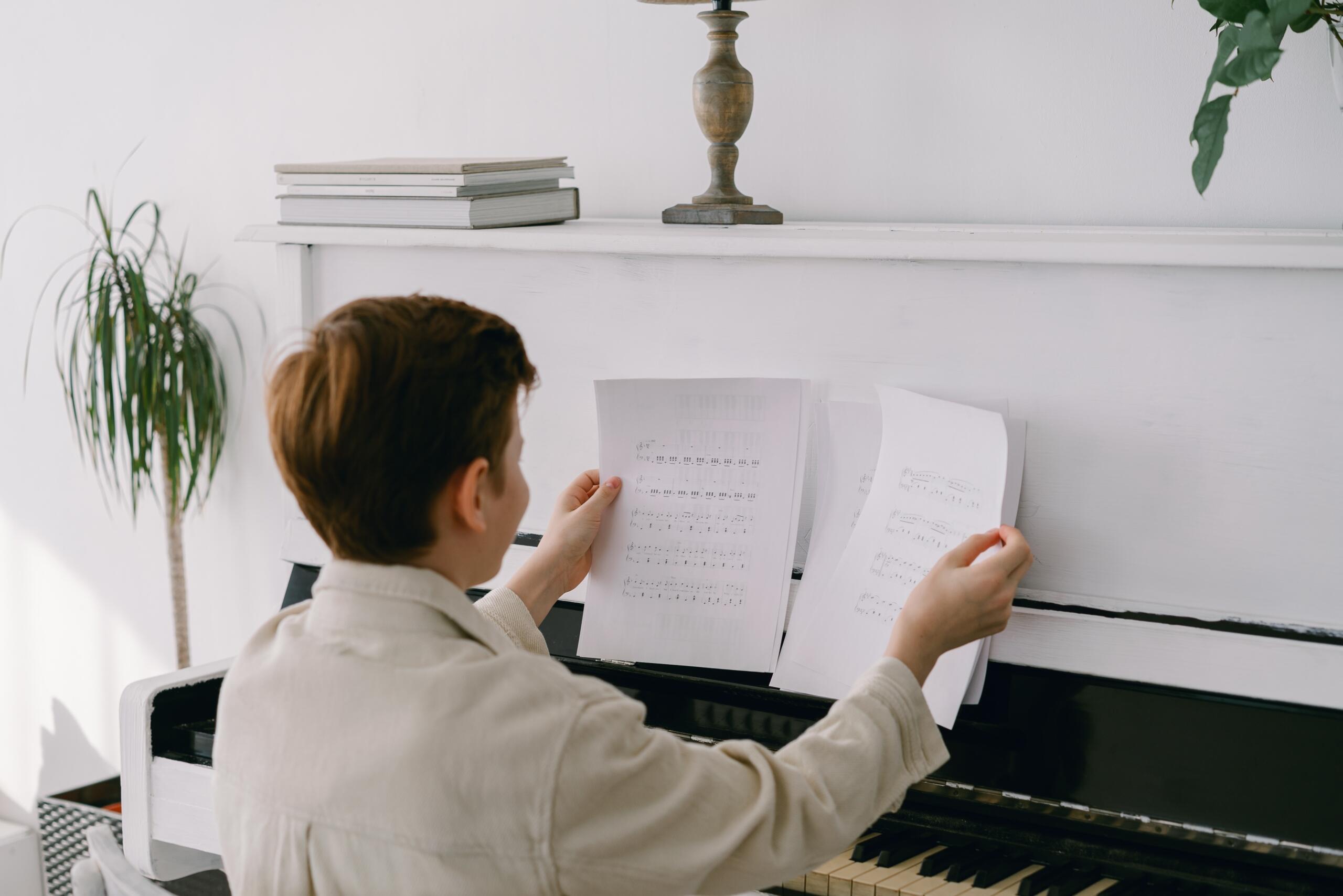
Finally, don’t forget that learning how to ace your piano exam isn’t about perfection, it’s about preparation, understanding and heart. Every piece you play, every scale you practise, every late-night run-through before the big day adds a new layer to your musical journey.
At the end of the process, whether you’re celebrating distinction or regrouping for your next attempt, remember that each step moves you closer to mastery. Not only that, but these efforts will also always echo in your music.
And if you ever feel stuck, you don’t have to do it alone. There’s an entire community of teachers ready to help you refine your technique, boost your confidence and understand the ins and outs of your piano exam levels. On Superprof, you can find tutors across South Africa, from Sandton to Stellenbosch, who tailor each piano lesson to your goals, your strengths, and your dreams. Through their guidance and your determination, you’ll not only pass your exams, but you’ll also fall in love with every level of your piano learning journey.
Summarise with AI:
Enjoyed this article? Leave a rating!

 Loading...