
“Dance is the hidden language of the soul.” - Martha Graham
If you have music in your bones, chances are that you are trying to learn dance moves for beginners.
Interestingly, because dancing uses your kinaesthetic memory through repetition and movement, it, therefore, involves your brain too. If you are looking for dance routines to learn step by step, then you will have to train your memory not only to learn dance steps but to learn choreography too.
So if you are looking for a choreography definition, or tips on how to learn dance choreography then keep reading.


Master These Things to Learn Choreography
Knowing how to remember choreography is vital to a successful dance performance and there are several steps you will need to take. Whether you are taking salsa, swing, jazz or modern your teacher should be your main guide when it comes to how to learn dance choreography.
As you familiarise yourself with the rhythm and various styles of dance routines to learn step by step, knowing which steps are to come next will soon come naturally to you. It would be very helpful for you to create a playlist of music that you use as you learn dance moves for beginners. Listening to the music a lot while you are outside of class will increase your confidence during your lessons.
Regardless of your style of dancing, every choreography definition you find will have the word memorise in it, so here are a few tips to sharpen your memory as you learn choreography.
- Focus! Watch your dance teacher carefully before attempting the step yourself. Make sure you remain attentive to every description of how to learn dance steps and be open to feedback.
- Count the steps. When you learn dance moves for beginners whether that is ballet, a bachata, or jazz, your teacher will demonstrate that a good choreography definition includes learning how to count steps or movements. Bear in mind that the majority of music has 8 counts (you’ll also count off-beats). If you want to learn choreography, this is the most effective way to dance in time to the music.
- One thing at a time: don’t try to remember what your arms, legs, head, and body should be doing all at once. Instead, take it one step at a time. Start by trying to master one aspect as you learn choreography before adding in other parts.
- Create mental pictures: when you learn dance steps try to associate them with a mental image. For instance, a turn could remind you of a picture of a compass to help you remember the technique.
- That’s a wrap! Ask your tutor to film you as you learn dance choreography which will help you to analyse it and practise it at home.
- Write down the choreography: to learn dance choreography, try writing it out to imprint it in your memory.
- Repeat regularly: practice makes perfect when it comes to how to learn dance choreography. To progress, memorise your moves and then practise regularly.
Dance Routines to Learn Step by Step
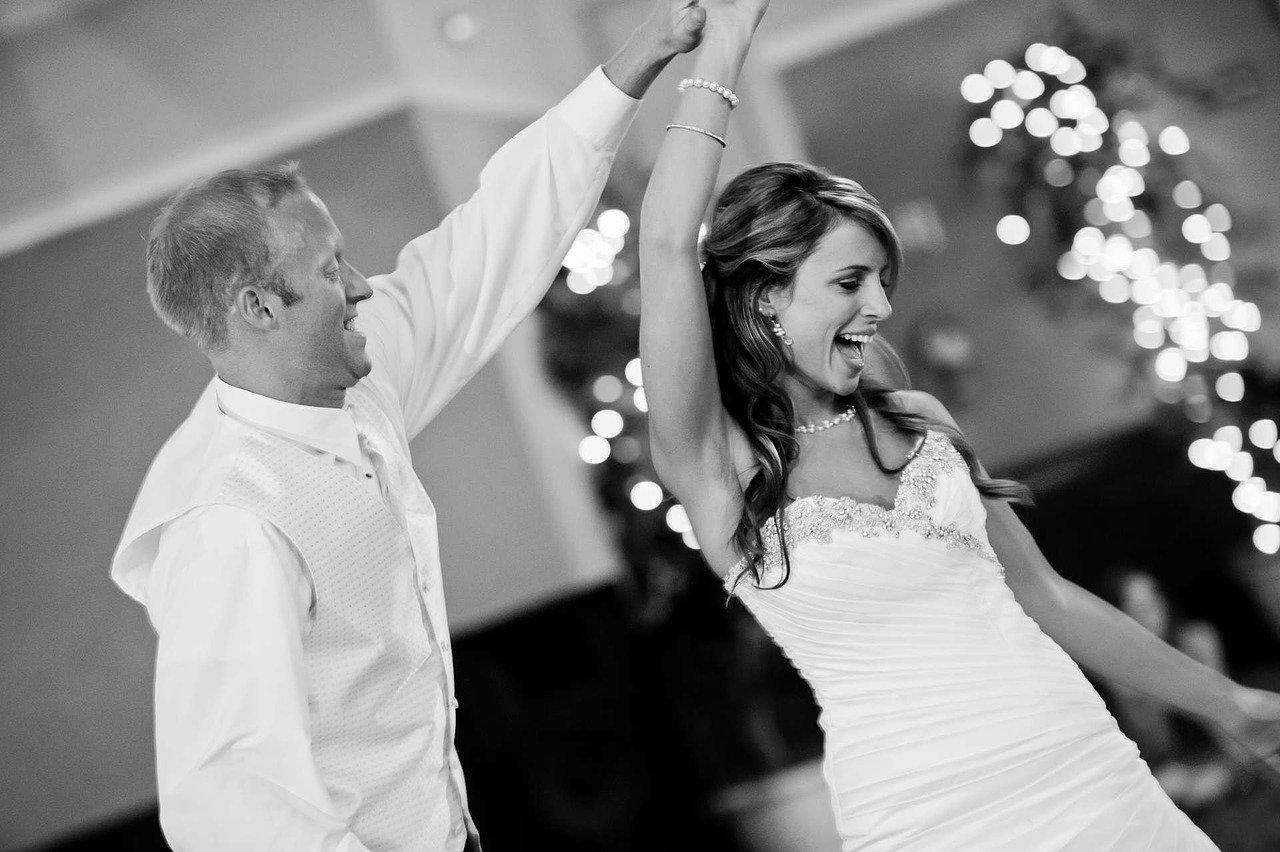
Even if you are not on the path to becoming a professional dancer, you may want to learn dance steps to give you the confidence that you need at an occasion like a wedding or night out. There are many private tutors who could help you to learn dance moves for beginners.
There is no need to sit in a corner when you could have fun learning everything from a bit of South African sokkie to the waltz or Macarena, all of which can be mastered with basic dance routines to learn step by step.
Why not consider how to learn dance choreography for a few favourites that regularly come up?
- YMCA
- Danza Kuduro
- Gangnam Style
- The Macarena
- The Madison
- December 1963 (Oh, What a Night!)
- The dance from Pulp Fiction
- Even the hokey pokey!
- Waka Waka
- Ai Seu te Pego
- Bomba
Find out more about dance routines to learn step by step.
Learn Choreography on YouTube
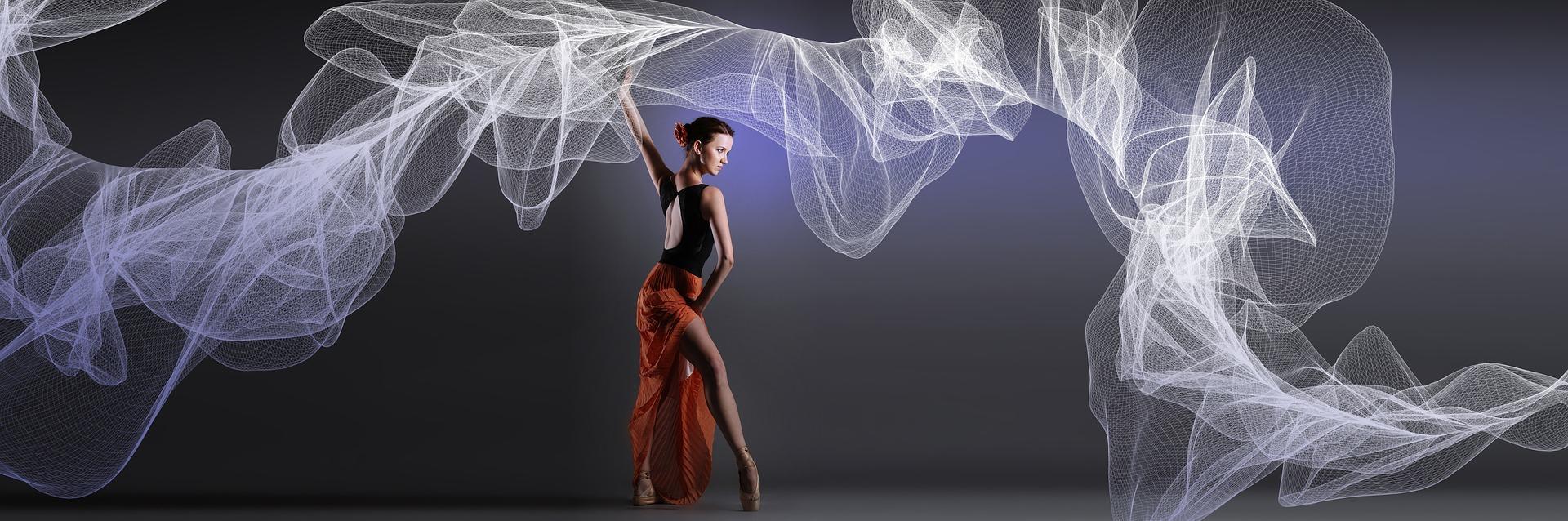
If you want to learn dance choreography or see a choreography definition in action, you could try checking out free YouTube videos that will teach you dance routines to learn step by step.
YouTube is a treasure trove when it comes to finding different dance routines. Whether it’s the rumba, ballet or contemporary dance, there are step-by-step tutorials for everyone. Start by choosing the ones that look good and then see how popular they are. One thing to bear in mind is that just because someone is a good dancer, doesn’t mean they are a good teacher.
To assess whether you have found a good video tutorial or not, consider the following:
- High-quality video and audio: there should not be an echo and there should be no issue with hearing the teacher. Also, the image should be easy to see, and having several angles will also be beneficial.
- A good teacher: concise, clear explanations with clear counting without needless jargon.
- Step-by-step learning: choreography should be broken into several parts before being added together.
- Learning with and without music: learning movement should be a slow process that goes progressively more quickly until music can be introduced.
Alternatively, you could move to a higher level and learn dance steps online privately or in a group. And if you are still looking for a choreography definition your private tutor will make that clear from the start.
Creating Choreography
Once you are familiar with a few dance routines, you can begin to choreograph your own steps. If you don’t know where to begin, don’t worry, even if learning how to choreograph seems out of reach, with some organisation it is entirely possible.
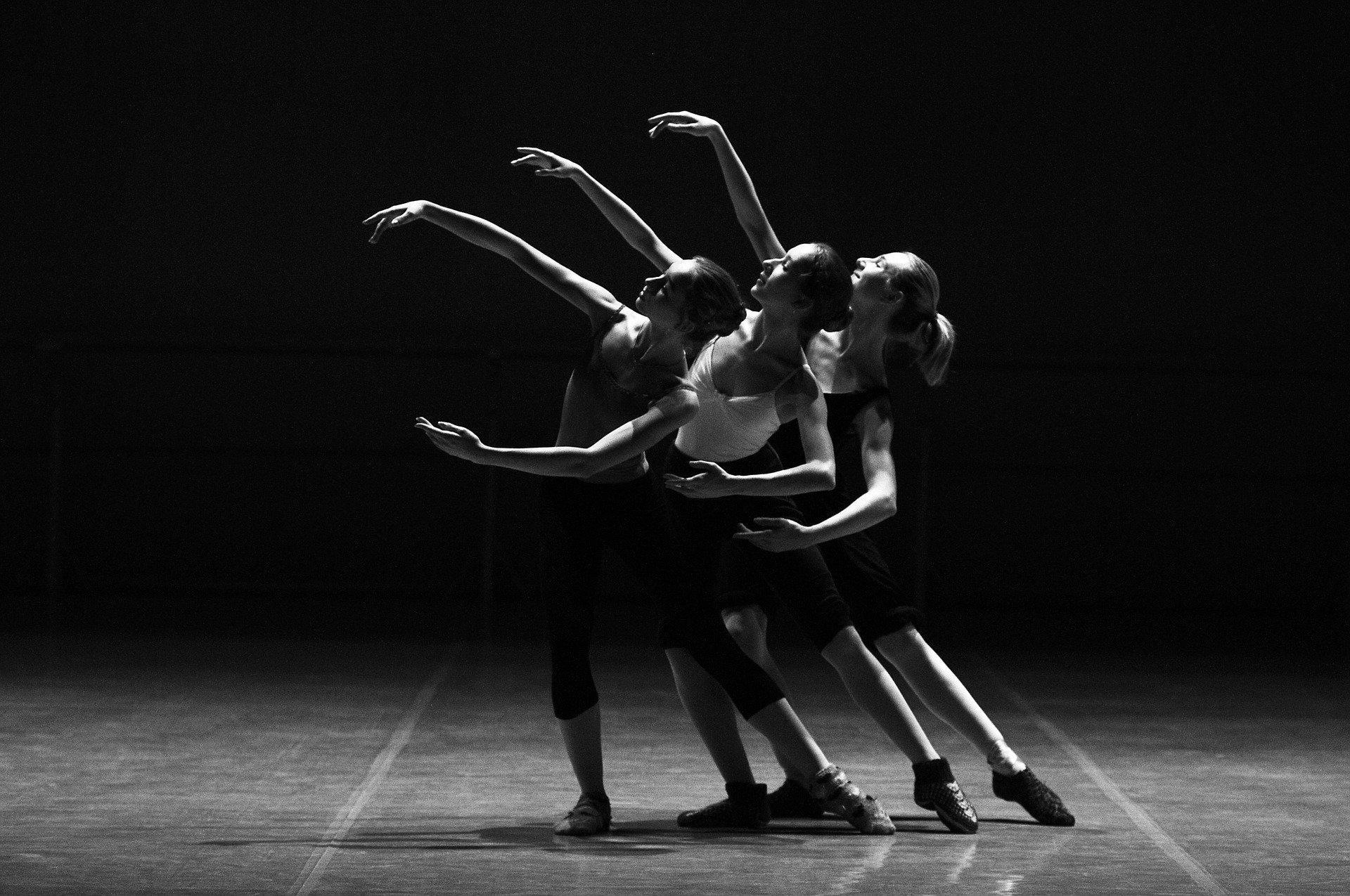
Let us help you!
Contrary to what you may think, you don’t need to be an expert to choreograph a dance routine. Even beginners can achieve this and have fun at the same time.
Here are a few tips for creating easy dance routines for beginner choreographers.
- Choose your style: try and stick to a style where you are already confident. Don’t try and choreograph and learn the flamenco at the same time.
- Choose your music: as a dancer, music is one of your tools. Don’t fall into the trap of just choosing a popular song. Music is the foundation of any dance routine, select pieces that speak to you and help to capture the soul of your routine.
- Analyse the music: familiarise yourself with every part of your chosen music. Analyse your introduction, chorus, and bridge so that you know what movements will work best in which those places.
- Improvise: dancing is a great form of exercise but it is also an art. Keep up the practice of improvisation as it will inspire you to keep certain steps for future routines. The trick of course is to film yourself to help you remember what you did.
- Put it together: like a puzzle, you will eventually want to put all the parts of your puzzle together. Of course, there may be gaps at first, but that is not a problem because you will have time to fine-tune those parts later.
- Practise your transitions: this is your opportunity to fill in the gaps. Watching filmed footage will help you to see where you need better transitions and help you to bring all your steps together.
You need to pay careful attention to the introduction and end of a routine as these are the sections that will draw in your audience and also leave a lasting impression.
Don’t try to pack in too many technical moves, but create space for calmer, pause-like sections in between your dynamic pieces. Remember to practice and design choreography using the same space that you will use to perform.
So, are you excited to learn a few new dance routines?
Consider finding a dance tutor on Superprof which caters to all levels of ability and dance styles. Make sure that you connect with the right person for you and not just someone with the highest qualification or amount of experience. Someone whose personality you can relate to will bring out your confidence and creativity and get the most out of your talent.
On Superprof this is made easier because most tutors offer their introductory lesson for free! You can find suitable dance classes adults here.
Summarise with AI:
Enjoyed this article? Leave a rating!

 Loading...