
Do you love flipping through fashion magazines? Do you secretly critique people's outfits? Do you enjoy picking out clothes for yourself and your friends? If so, you might have a passion for fashion.
Today, the fashion industry is a multi-billion-dollar global phenomenon. From sustainable and eco-friendly fashion and vintage looks, to haute couture and sportswear, everyone has their own sense of style. It's also important to note that the creative minds behind top brands are often regarded as living artists.
But how does one begin a career in the fashion industry? Have you asked: can I be a fashion designer without knowing how to draw?
While there are many roles within fashion, becoming a designer is among the most coveted. To learn fashion illustration and understand different types of fashion drawings so that your vision can be shared with the world, is a huge accomplishment.
So, if you want to focus on the area of design, then you need to learn fashion sketching. In this article, you will find out about the different avenues to learn fashion illustration as well as the various career opportunities that a fashion illustration course can offer.


What Does it Mean to Learn Fashion Sketching?
What's becoming very obvious to me is that fashion is art. Lupita Nyongo
Does the above quote answer your question: can I be a fashion designer without knowing how to draw?
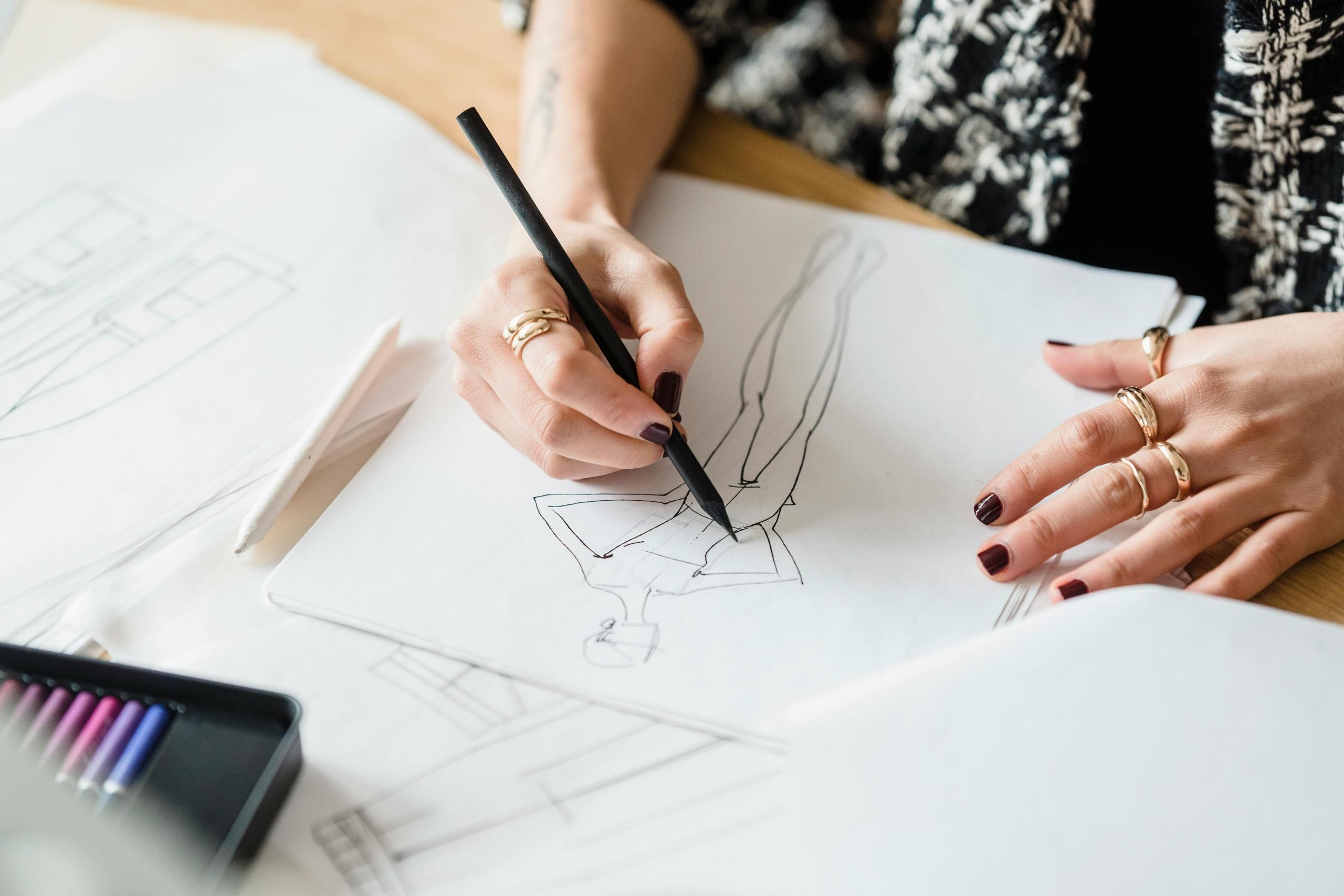
One possible theory is that art comes in many forms, and the many different types of fashion drawings are certainly one of them. Remember that before fashion pieces appear on models or in wardrobes, they begin as sketches; this art form is known as fashion sketching.
Once you learn fashion illustration you will be able to convey fashion ideas visually through sketching, drawing, and painting. In fact, there are many different types of fashion drawings used by both professional designers and trainees to help them brainstorm and visualise their final products.
So, to answer your question, remember that before any sewing begins, your fashion sketches will be crucial.
When you learn fashion illustration, you will find that these sketches are called "croquis," a French term which means a quick sketch of a figure.
In essence, fashion sketching is indispensable for creating clothing and fashion items and serves as the first step to bringing a designer's vision to life.
Learn Fashion Sketching as an Art Form
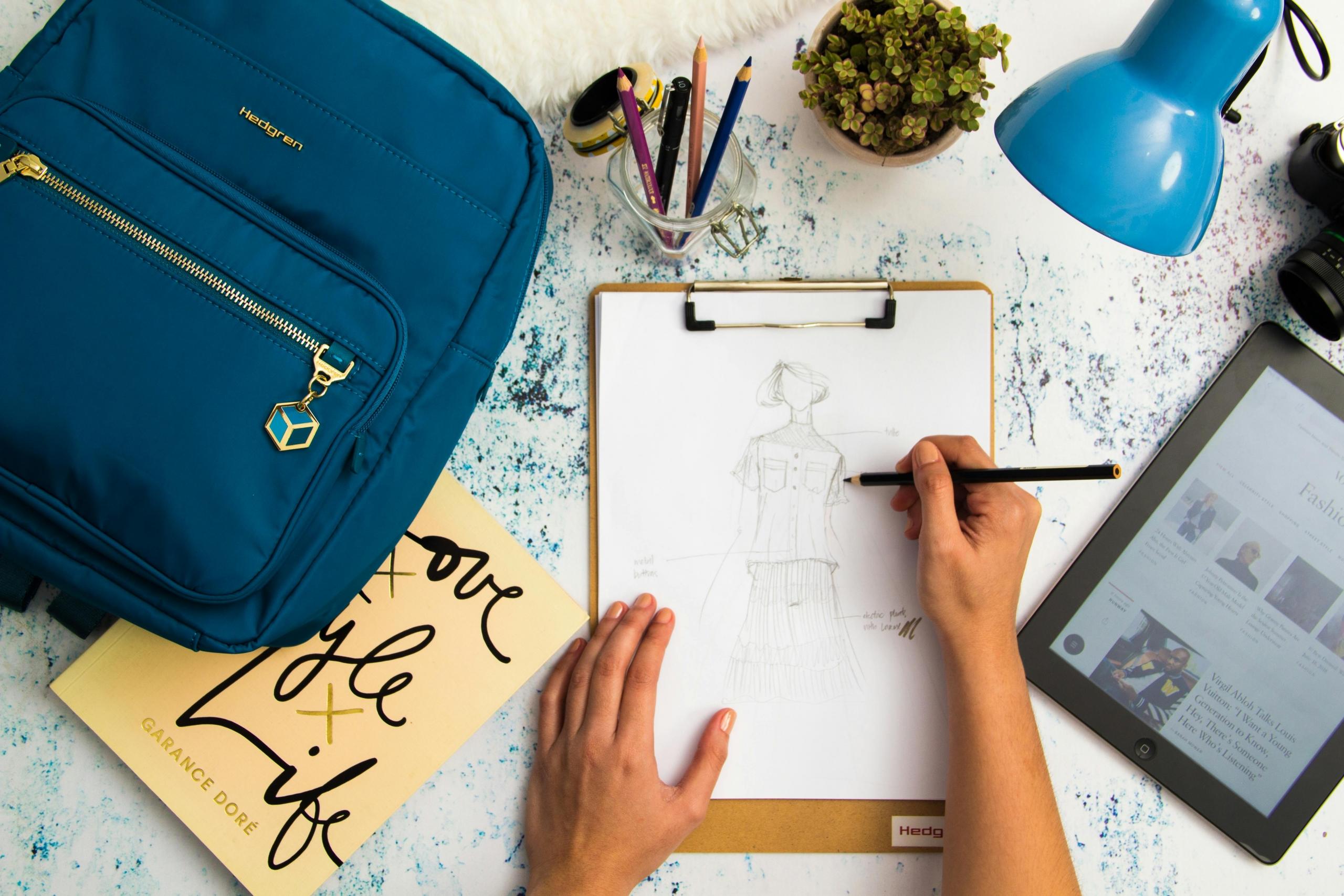
The world is enriched by various groundbreaking art forms, such as painting, drawing, acting, and singing, that captivate our senses. But did you know fashion sketching is just as vital?
Now that we have piqued your curiosity, here is why:
- Fashion sketches communicate the concepts of clothing pieces and entire fashion lines to others.
- Aspiring designers learn fashion sketching to develop their skills, build portfolios, and refine their personal styles.
- Fashion illustrations sets individual artists apart to showcase their unique visions.
- By sketching different types of fashion drawings before they are sewn, designers can establish the mood and cohesion of a collection.
Without this distinctive art form, many beloved fashion houses and designers would struggle to experiment and bring their unique styles to life. Fashion sketching not only facilitates the creative process but also enables the creation of the masterpieces that are adapted to the wearable pieces that we enjoy today.
What is Needed to Begin a Fashion Illustration Course?
Every hobby requires an upfront investment into specific tools, and fashion sketching is no exception. Here’s a list of essential equipment for the amateur fashion illustrator:
- Notepad: Start with an 8.5x11 inch sketchpad. It's wise to buy multiple sketchpads to practice extensively.
- Writing Instruments: Invest in a variety of pencils, pens, and colour markers to add detail and flamboyance to your fashion sketches.
- Ruler: A ruler helps sketch fashion figures precisely and neatly.
- Eraser: If you’re sketching on paper instead of using a digital device, an eraser is crucial for correcting mistakes, which are common for beginners.
For those interested in digital sketching, downloading software like Adobe Photoshop and purchasing a digital pen are necessary steps.
If you are serious about fashion design consider a fashion illustration course to complement your sewing classes.
A Guide for Beginners: Mastering Different Types of Fashion Drawings
If you are a beginner who aspires to create original fashion pieces but lacks drawing skills, don’t worry because it is possible to learn fashion sketching from an expert.

As an art, fashion illustrators use various mediums, including gouache, markers, pastels, and ink. These methods help artists to visualise their designs and clearly convey their ideas to others. However, in the digital age, many fashion sketchers use software like Adobe Photoshop, which enables easy editing and re-editing of sketches without the hassle of erasing on paper.
Typically, fashion illustrators begin by drawing a croquis and then build upon it. The goal is to render both the fabrics and silhouettes in the most attractive and appealing way to the viewers. As such, one of the first things you will learn in a fashion illustration course is how artists often use 9-head or 10-head proportions to illustrate clothing on a figure.
If you are curious about the basic principles you will learn in a fashion illustration course, this 1- step guide is a good introduction to what you could expect:
- Draw a Long Line: You will start with a long line down the centre of your paper, which will serve as the fashion figure's centre of balance.
- Divide the Paper: You’ll split the paper into nine equal sections for the head, bust, waist, hips, thighs, calves, ankles, and feet.
- Illustrate the Pelvic Area: You’ll learn how to draw the pelvic area in the middle of the figure, angling it in different directions for unique poses.
- Draw the Torso and Shoulders: Use lines that curve inward and outward, ensuring the shoulders are the same width as the hips.
- Sketch the Head and Neck: The head should be a circle, proportional to the rest of the body.
- Draw the Legs: The legs are crucial and should be about four times the length of the head and neck.
- Illustrate the Arms: Position the arms alongside the body or at the hips, and finish with hands and fingers.
- Sketch the Feet: Ensure the feet are equally spaced apart.
- Create Your Fashion Design: Now that you have a good-looking fashion figure, start designing your clothing items.
- Add Life to the Design: Shade in the drawing with your pencil or add colour to bring your fashion design to life.
While these 10 steps may seem simple to follow, in reality, you can expect many more techniques and in-depth explanations in a fashion illustration course.
Potential Careers in Fashion Illustration
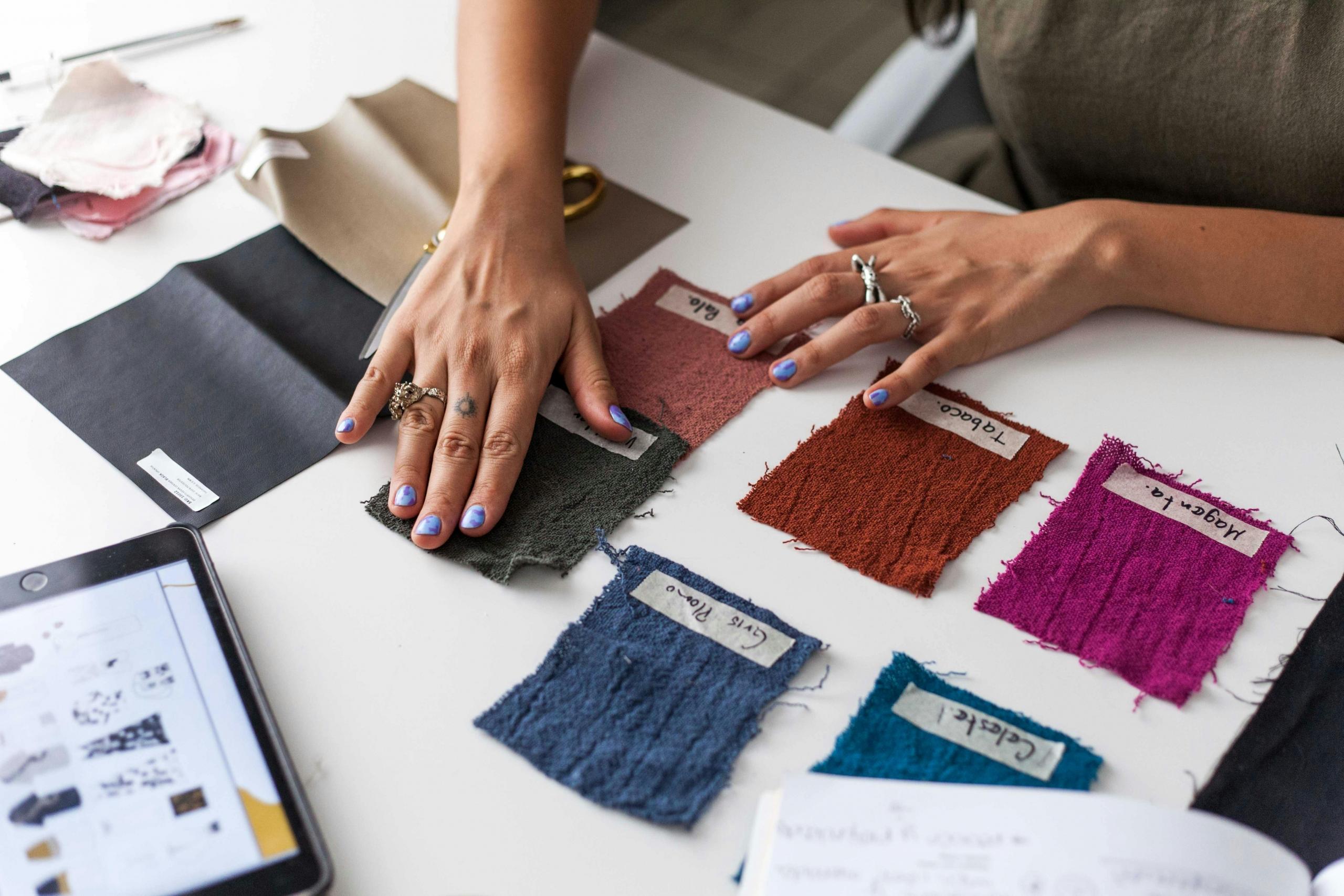
If you have a passion for fashion sketching and aspire to pursue a career as a clothing illustrator, then we have great news. Even in AI-trending spaces, there are still exciting opportunities for artistic visionaries who can share new styles and trends using all the latest tools at their disposal.
Like any industry, your employment options will depend on your expertise, experience, and chosen specialisation. Here are just a few examples of where fashion illustrators can find work, including:
- Department stores
- Retail chains
- Clothing manufacturing companies
- Textile companies
- Design studios
- Art studios
- Academic institutions
With professional training through tutorship or tertiary qualifications, salaries in these fields tend to be above average. Furthermore, many fashion illustrators dream of becoming designers, a goal that requires perseverance and hard work. Fortunately, achieving this dream is possible and many great illustrators have gone on to become designers, especially with the right guidance and support along the way.
In summary, investing the time to learn fashion illustration is a valuable pursuit for aspiring designers. Not only does it provide the foundational skills necessary to plan and create stunning clothing items, but it can pave the way for a successful career in the fashion industry.
So, what do you think – can I be a fashion designer without knowing how to draw?
Summarise with AI:
Enjoyed this article? Leave a rating!

 Loading...