

Talk is cheap. Show me the code.
Linus Torvalds
Programmers use code to express thoughts and communicate with computers. To a beginner who is wondering about the best programming language for beginners, code can look like a jumbled mess, but on the contrary, Code isn't chaos. A coding language like Python or Java is how a computer knows what to do.
Much like human languages, there are many coding languages. Popular ones include JavaScript, Java, Ruby, C++ and Python. There are various coding languages, just like different human languages. Learning a few is better than trying to master them all.
So, which one is better to learn, Python or Java?
Keep reading to find out.


The Million Dollar Question: What Programming Language Should I Learn?
Before answering the question, should I learn Java or Python first, let’s address let's address a common beginner's query: How many coding languages should a programmer know?
While there is not a strict rule or recommendation from an official body about the best programming language for beginners to learn first, seasoned coders suggest understanding three types of languages:
Procedural Languages
Object-Oriented Languages
Functional Languages
The reason for this is that each offers a different thinking approach and having knowledge of all three is something that can set you apart and help to improve your career prospects.
Having said this, remember that success doesn't always hinge on knowing many languages. Many coders thrive by mastering just one and constantly upgrade their skills with its updates. As new languages emerge, beginners should consider specialisation and avoid learning everything, just for the sake of it.
Specialisations certainly do matter.
For web apps, PHP, Java, Python, or Ruby are useful; however for game development, you could focus on C++ and C#.
Regardless, Python or Java should always be top priorities as both fit the bill as the best programming language for beginners no matter how many languages you choose to master.
Learning to Write Code for Java
So you have dealt with the question of what programming language should I learn and decided on Java. Bravo, if you are new to computing, learning Java is a smart move. Not only is it a widely-used language but it also boosts your job prospects beyond industries that are purely tech-orientated. To make the most of your Java learning journey, there are few tips to consider.
Orientate yourself by beginning a self-study with online resources like blogs, articles, and videos. Understanding the basics before you begin can help to make the first stages of learning less overwhelming and set the stage for confident coding.
Practice makes perfect and this is true when you are trying to master a best programming language for beginners. Be sure to Dedicate 20-30 minutes every to code. You will not need to download software to reap the benefits of consistent practice.
Seeking guidance from experienced coders significantly boosts your learning curve. University classes offer structured learning environments where professors and peers can provide valuable insights and feedback. Coding bootcamps, known for immersive, hands-on experiences, allow direct interaction with seasoned professionals, facilitating practical learning. Engaging with communities, forums, or mentorship programs also offers diverse perspectives, troubleshooting help, and real-world application tips, enhancing your Java learning journey.
These strategies aren't just for Java; they apply to learning other programming languages too.
Acquiring the Basics of Python
Perhaps you decided that Python is the best programming language for beginners, which is a great choice.
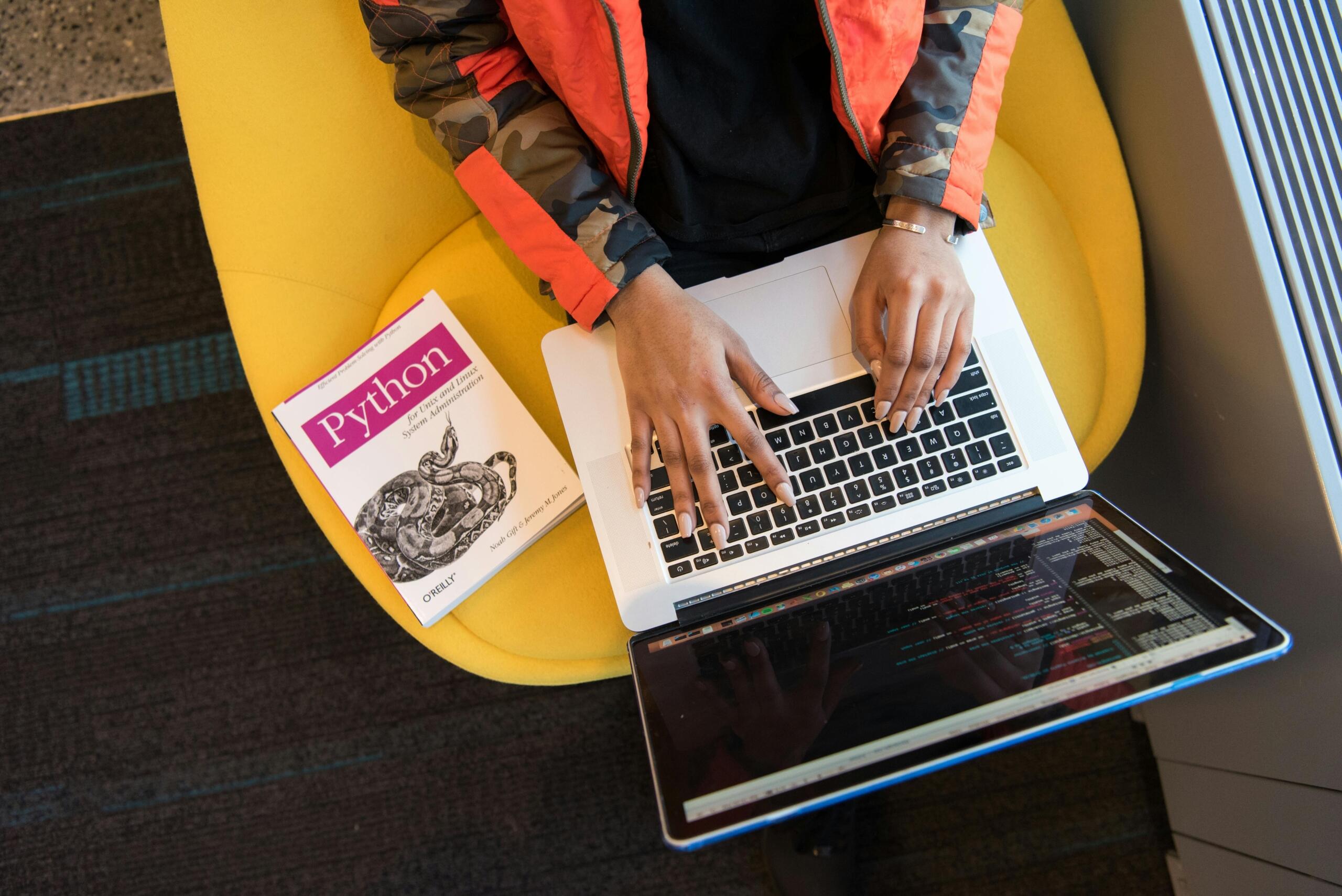
Learning Python isn't just beneficial for aspiring computer programmers, rather it is a sought-after skill across various industries. This doesn’t detract from the fact that for beginners, figuring out the best approach to tackle Python can be extremely daunting. Of course, one-on-one instruction with an expert tutor is the best way to learn, but here are some other tips for mastering the basics when you are on your own:
- Collaborate and Learn with Peers: Working alongside other Python learners can be motivating. The camaraderie and shared enthusiasm push you to excel. Peer interaction allows for idea bouncing and sharing helpful tips. Additionally, fellow coders often provide valuable support, especially on complex topics, aiding in better comprehension and skill development.
- Contribute to Open-Source Projects: Open-source collaborations provide a platform for developers to work on software projects publicly. An excellent way to go about this is to access the opportunities provided by Python libraries and even private companies. Not only is engaging in open-source projects a fantastic learning avenue for novice Python programmers, but it also offers hands-on experience, practice, and the chance to receive feedback that is crucial for skill refinement.
- Take Regular Breaks: The initial phases of diving into Python can be taxing and it is important to remember to take breaks which are crucial to prevent burnout. In fact, it may sound counterintuitive but stepping away from coding for short intervals helps to absorb information more effectively. Breaks serve as mental recharge sessions and help to prevent fatigue-induced errors. Breaks will also give you a fresh perspective when you return to the challenges of coding.
It is worth emphasising again that the guidance provided by an experienced tutor who is proficient in Python is the best way to progress in your learning journey.
Learning Python isn't just about syntax and logic; it's about engaging with a community and embracing the collaborative nature of programming. Joining forums, attending workshops, or participating in coding communities can provide additional support, insights, and exposure to diverse perspectives.
Private tutors offer personalised guidance, tailored lessons, and targeted assistance to speed up the learning process and address specific learning needs. Their experience with the language provides a comprehensive understanding of Python's nuances, shortcuts, and best practices.
While mastering Python, aim to maintain a curious and explorative mindset. From experimenting with code and testing different approaches to troubleshooting and more, embrace the challenges that will help you to develop a deeper understanding of the language. Embrace curiosity and the willingness to explore, as these qualities propel continual growth and improvement in Python proficiency.
In summary to your question about what programming language you should learn, whether it is Python or Java, immersing yourself in collaborative environments, contributing to open-source projects, taking breaks to prevent burnout, and seeking guidance from experienced mentors or tutors are crucial steps in navigating your choice of the best programming language for beginners.
These strategies not only facilitate learning but also help to develop a robust foundation for mastering other languages and their applications across diverse industries.
Should I learn Java or Python First?
Acquiring the basics of Python aside, your inevitable question: what programming language for beginners should I learn first, is worth deeper inspection.
Since both Java and Python are indispensable within the computer programming community, they are equally worthy of your focus as a beginner. However, as time is limited for everyone, it is almost impossible to learn both languages simultaneously.
So, a choice will need to be made.
Ultimately, the decision between Python or Java depends on what is most beneficial for your professional life. .
When it comes to the best programming language for beginners, both are outstanding choices, and the preference is yours. Having said this, it is crucial to understand the difference between both.
What Would the Experts Say?
Experts often favour starting with Python due to its beginner-friendly learning path. Its syntax is more approachable which can make it easier to grasp during the beginning stages. However, regardless of this, delving into Java later is also highly recommended if you are looking for a well-rounded skill set in computer science.
Python's user-friendly syntax makes it a popular starting point, while Java, though more complex, offers the depth in computer science and technology that can set you apart.
If you are still struggling to find the answers to what programming language should I learn, consider seeking the advice of a computer programming tutor who could help you to make the right decision for your particular career goals and objectives.
Ultimately, whether you opt for Python or Java first, both will pave the way for a promising career in programming. Choosing either will set a solid foundation for a successful professional journey in computer science.
Summarise with AI
Enjoyed this article? Leave a rating!

 Loading...