
If you talk to a man in a language he understands, that goes to his head. If you talk to him in his language, that goes to his heart. Nelson Mandela
Catalan has a very interesting status, in that, while it is spoken by approximately 10 million people as a first language, there isn’t a single state that counts it as its official primary language.
There are far more Catalan speakers than there are speakers of any regional language in the UK, for instance. However, the language is dwarfed by the popularity of Spanish, the third-most spoken language on the planet. Yet, Catalan is important to the 13% of Spaniards who speak it an area that covers about 60 000km² of the country.
Would you like to learn to speak Catalan?
Here are some interesting facts about this fascinating language.
Want to give private lessons?
Join the Superprof community and share your knowledge with inquiring and motivated students.
Why Learn Catalan: 10 Reasons
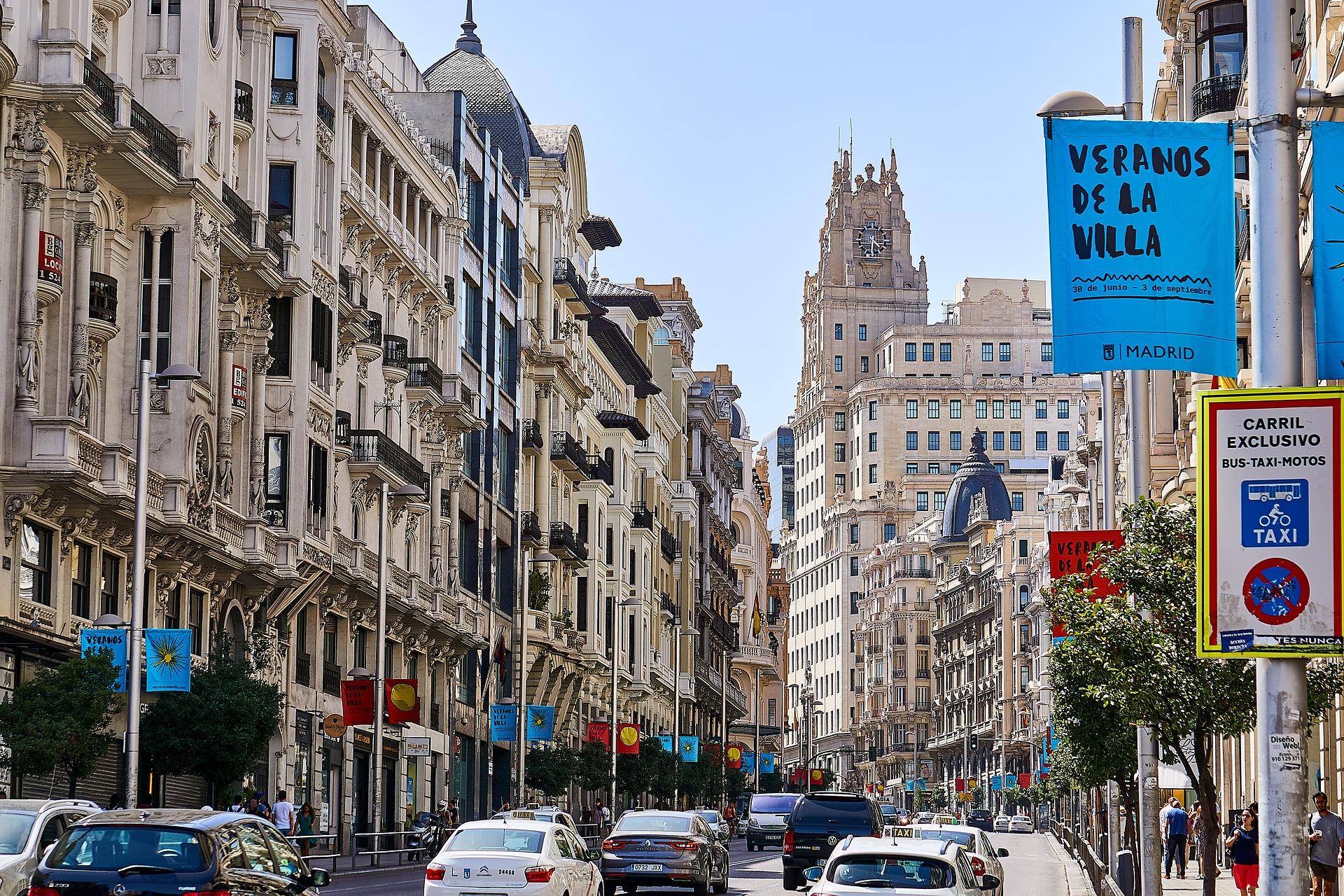
Catalan is the most common tongue spoken in Catalonia, which is located in north-eastern Spain, a region which is known for the Pyrenees Mountains, the Costa Brava beach resorts and Barcelona, the regional capital. Catalan is the native tongue of about 32% of Catalans.
For many, Spanish is still the first language and is spoken by about 55% of the population.
However, there are many reasons for wanting to learn Catalan. Below we have listed our top 10 reasons to learn Catalan:
- To learn more about the Romance language
- To travel to a region where Catalan is spoken
- Fitting in and bonding with the locals
- To learn the culture of the Catalans
- To discover their art
- To study at a local university
- To speak a second language
- To find out more about the history of the Catalan language
- To acquire a job in the region
- Because the language is very similar to other European languages and is important in the Mediterranean region
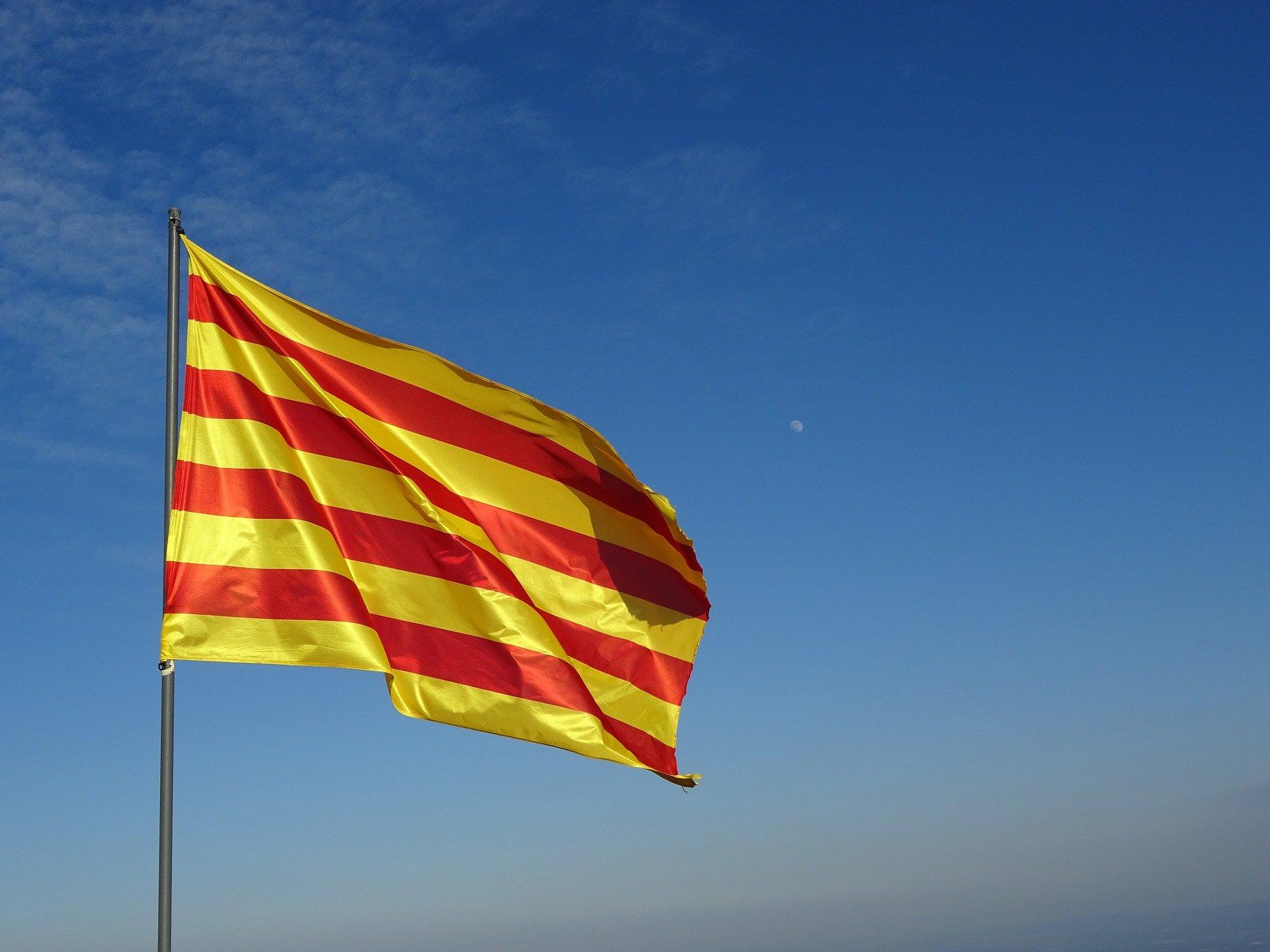
Llengua catalana, the Catalan language, is also spoken by the autonomous community of Valencia (by some 4 million people), in the Balearic Islands off the coast of Spain, the town of Alghero (Sardinia) and in the Roussillon region of France. In Spain, Catalan is spoken by some 9 million people, some 40 000 in Alghero, about 30 000 in Andorra and by around 125 000 in France.
Knowledge of Catalan is helpful when traversing the east coast of Spain, as well as the Balearic Islands (Majorca, Minorca and Ibiza). Although the locals in these areas may often speak Spanish, some would appreciate you addressing them in Catalan.
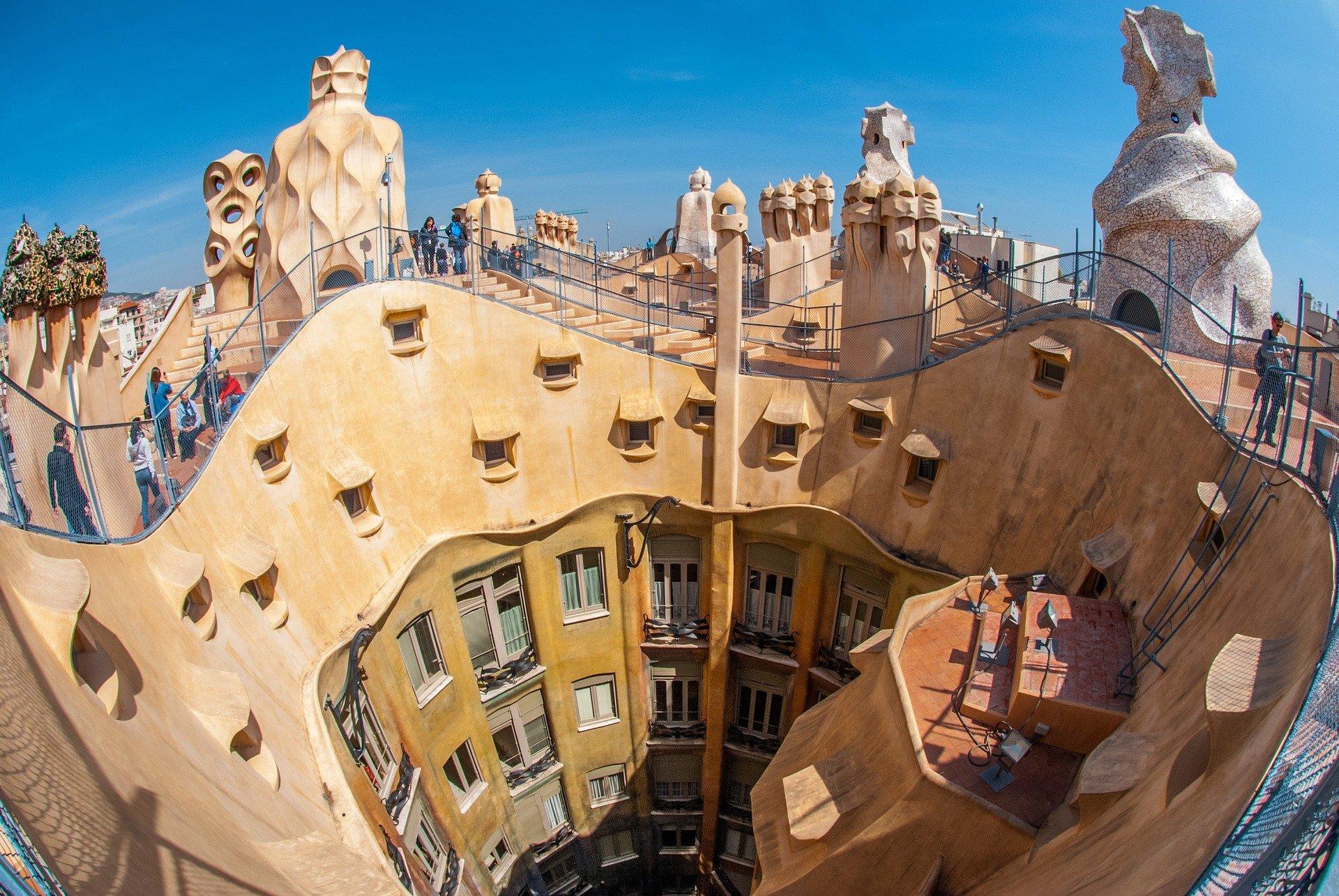
In Catalonia, you would also be able to read signs on monuments and in museums in the top destinations in the region: Girona. Barcelona, the Toman ruins in Tarragona, the Cap de Creus in Cadaqués and the numerous coves and creeks along the Costa Brava.
Are you a nature-lover?
If you are, then visit the Ebro Delta, where the Iberians settled in ancient times and came together over centuries to form the people of Iberia.
By learning to speak Catalan, you would get the opportunity to get to know the culture of the people and their language, which has evolved over millennia. Catalan, a Romance language, was brought to the Iberian Peninsula when the Romans colonised the regions. They called it Hispania.
Much like the Romance languages – Portuguese, Spanish, Italian, French and Romanian – the Catalan language was very strongly influenced by the Romans. With the push for independence, the Catalan language started seeing a resurgence, after having received far less attention and being suppressed, according to some commentators. You will find learning the language and more about its history very interesting.
You will also meet many Catalan-speakers who speak English very well. Catalonia is actually ranked fifth in Spain for its English-speaking ability.
Find out where you can learn Catalan in our helpful guide.
Learn More About the History of Catalan
Are you fascinated by Spain’s second official language? Would you like to know more about the history of Catalan and how it has come to co-exist beside Spanish? Read on.
The history of Spain and the Catalan language dates back to prehistoric times.
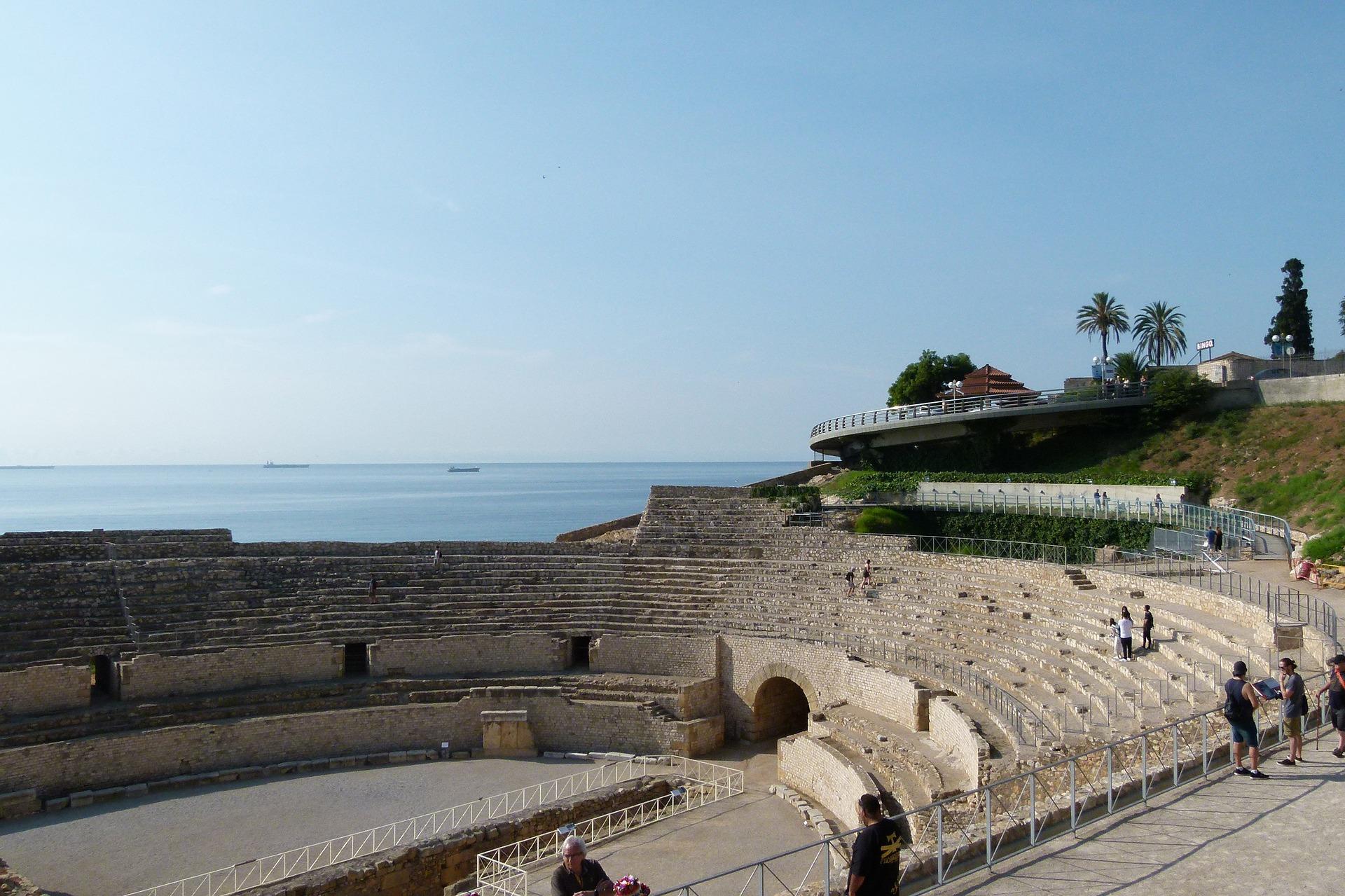
The Iberians settled in the southern and eastern coastal areas of the Iberian Peninsula from, at least, 600B.C. The Romans, who quickly Latinised the region when they landed there in the 3rd century, referred to the Iberians as Hispani.
In the year 414, Rome, allied with the Visigoths, moved deep into Hispania and made Barcelona their capital. The name Catalonia flowed from the name Gotholonia, which means the “Land of the Goths”.
They ruled Spain up to the fall of the Roman Empire in 476, but their language did not gain traction; most people continued to speak the vulgar Latin they had learned from the Romans.
Vulgar Latin differed from region to region and deviated into different dialects and languages, which would later develop into the Romance languages.
After the fall of the Visigoths, in the 8th century, the Moors occupied Catalonia, captured Valencia in 714 and took Barcelona in 717.
In 732, the Franks occupied Catalonia. They drove the Moors southwards and, in the 9th century, added Catalonia to the Carolingian Empire. Catalonian cities, subsequently, resided under the jurisdiction of Francia Occidentalis, West Francia.
The Catalan language then came under the influence of Frankish, which later evolved into French.
Under the Carolingian and Muslim rule, the Romance languages commenced a process of standardisation, giving rise to the Langues d’oïl, Spanish and Occitan. The latter two languages still share many similarities.
In 995, following the split between the French Royalty, under Hugh Capet, and Count Ramon Borrell, Catalonia became an independent state.
During the Middle Ages, Catalan spread across the Mediterranean to Aragon, the Balearic Islands, Sardinia, the Valencian community and beyond the Pyrenees in the north.
Civil wars, territory disputes with the growing Castilian power and the plague, all led to the declining of the Catalan language. Spanish became very dominant between the 15th and 17th centuries, as the Spanish influence started to spread their influence over the Americas.
In modern times, separatist sentiment produced tension all the way to the Spanish Civil War (1936 – 1939). Between the period between 1939 and 1975, Spain became a dictatorship under the rule of Francisco Franco and only became a democracy after his death. Catalan was not recognised during this period and only made a legal appearance again in 1980s.
Catalan is Spoken in These Places
Catalan has extended from Northern Catalonia (French Pyrénées-Orientales) region to the south-east of Spain. You can even encounter Catalan communities as far south as the region of Murcia.
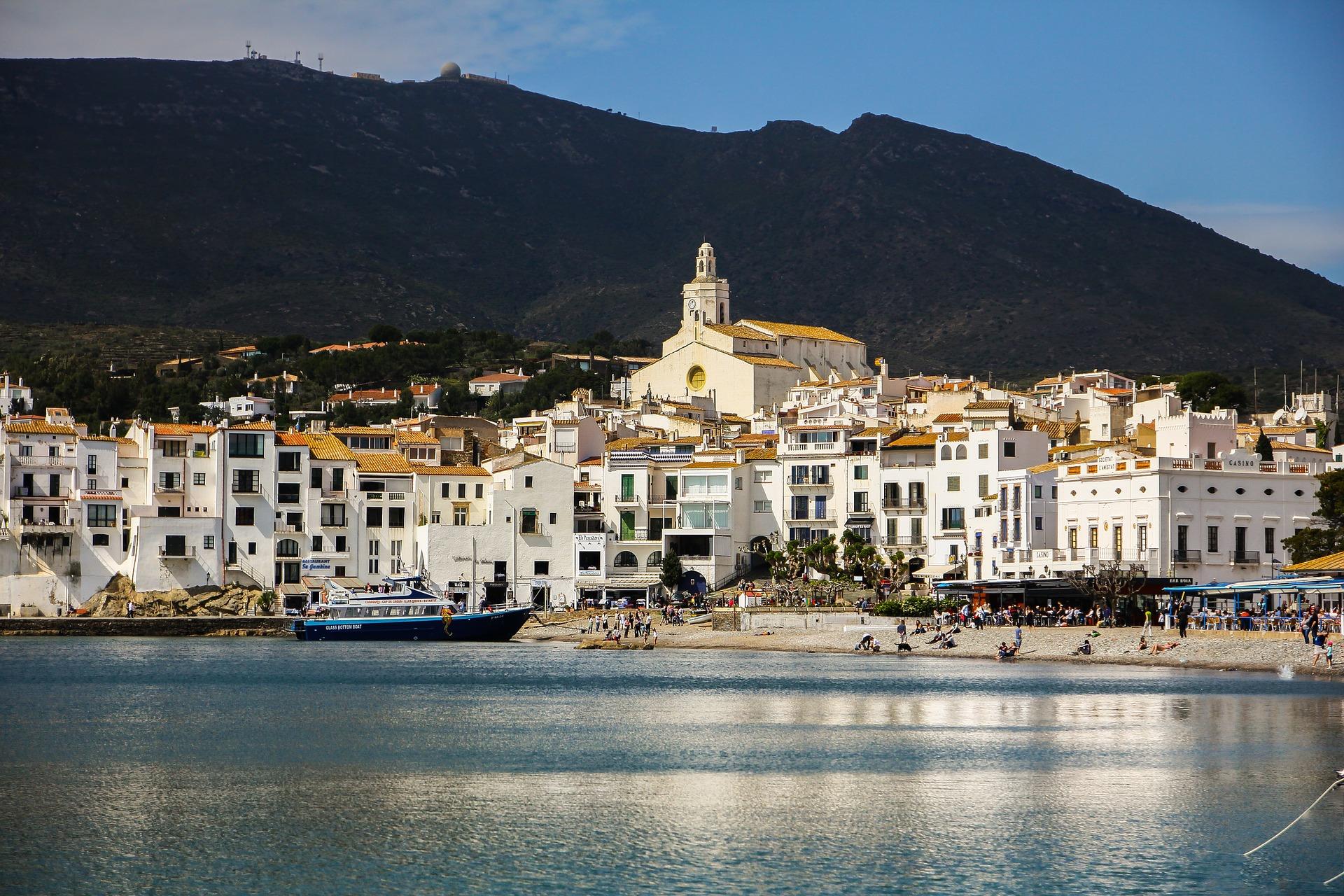
So where is Catalan spoken?
The regions where Catalan is spoken (Països Catalans ) include the Valencian Community (Communitat Valenciana), Andorra, the Balearic Islands, El Carche (Murcia) and La Franja.
In Catalonia, close to 73% of the people speak Catalan as a first language and fully 95% understand it.
Would you like to learn to speak Catalan and is Catalan easy to learn?
The province of Barcelona is Spain’s second-most populous province and has has many popular tourist destinations, including Girona, Barcelona, Lleida, Reus, Tarrogona, Tortosa and many seaside resorts (Platja d’Aro, Cadaqués, Cap de Creus, Lloret de mar, etc).
If you were to visit Catalonia, you would have the opportunity to learn to speak Catalan from a local or from a teacher, who may provide the answer to your question: Is Catalan easy to learn.
In south of France, bordering the Pyrenees, you can also encounter Catalan in Perpignan and along the Vermillion Coast. There, 37% of the folk speak the language and a whopping 65% can understand it in written or spoken form. In Rousillon, bilingualism is common, to the extent that you may forget that you’re actually in France.
On the Balearic Islands – Conilera, Formentera, Ibiza, La Dragonera, Minorca, Majorca, S’Espalmador and Tagomago – 75% of the 1.1 million people speak Catalan, 80% can read the language and 93% understand it. Also, 50% of the people also still use Spanish in their daily lives.
Almost 50% of the people in the Valencian community speak Catalan) which they refer to as Valencian). Alongside Spanish, it is one of the official languages. This community, with its nearly 5 million inhabitants, is the 2nd largest Catalan-speaking community on the planet.
Alicante and Valencia, together have around 2.8 million Catalan-speakers.
Lastly, Catalan is the official language for the government and media in Andorra, where 22 600 of its inhabitants, 33.8%, regard Catalan as their mother tongue.
Catalan Lessons – Get Yours
Despite it being regarded as a second language, Catalan is a language that is quite commonly used in most regions.
So you want to learn to speak Catalan?
If you’d like to acquire Catalan in Spain, there are numerous websites and resources that you can consult. Alternatively, make your way to the local town hall where The Consortium for Language Normalisation (Consorci de Normalitzaió Lingüistica) arranges Catalan classes.
You will also be able gain an advantage from working with some passionate teachers of Catalan. Make the effort and locate a language school in the larger cities like Valencia or Barcelona.
So, you’re not heading to Spain to learn Catalan.
There are several different ways to learn to speak Catalan:
- Download a language app
- Learn to speak Catalan via a website
- Enrol for private tutorials with a Superprof tutor
Before you decide that you need to travel to Catalonia, you could learn via an app such as Parla.cat, Vuluntarariat per la llengua and Intercat. Here you can find out more about Catalan grammar, spelling and conjugations.
You might decide that private tutorials suit you better! Then,you can’t go wrong by engaging the services of a Superprof tutor, who is an experienced and trained professional. Here, you will be able to make up your mind as to whether you work together, one-on-one, or work remotely, via a webcam.
The choice is really yours! You could still, at the end of the day, hook up with a native Catalan speaker and learn the language from a native speaker in the Països Catalans!
Want to give private lessons?
Join the Superprof community and share your knowledge with inquiring and motivated students.
Summarise with AI:
Enjoyed this article? Leave a rating!

 Loading...