
In movies you don’t try and photograph the reality, you try and photograph a photograph of the reality. Stanley Kubrick
World renowned directors like Steven Spielberg, Quentin Tarantino and Martin Scorsese need no introduction in popular culture and have proved themselves over and over with their award-winning films.
So while you may not be aiming to become a film director for cinema, there are certainly ways to produce professional-looking film through knowing which are the best cameras for photography and videography. Of course there are loads of tips for more professional-looking videos available, some of which, like using camera angles to enhance your films can be found here. Keep reading!
Want to give private lessons?
Join the Superprof community and share your knowledge with inquiring and motivated students.
Planning: Storyboard Your Scenes
One of the best videography tips you will ever hear is to not think that you can make it up as you go along. While it’s not necessary to have a script for everything, planning your ideas first is a good step to start filming.
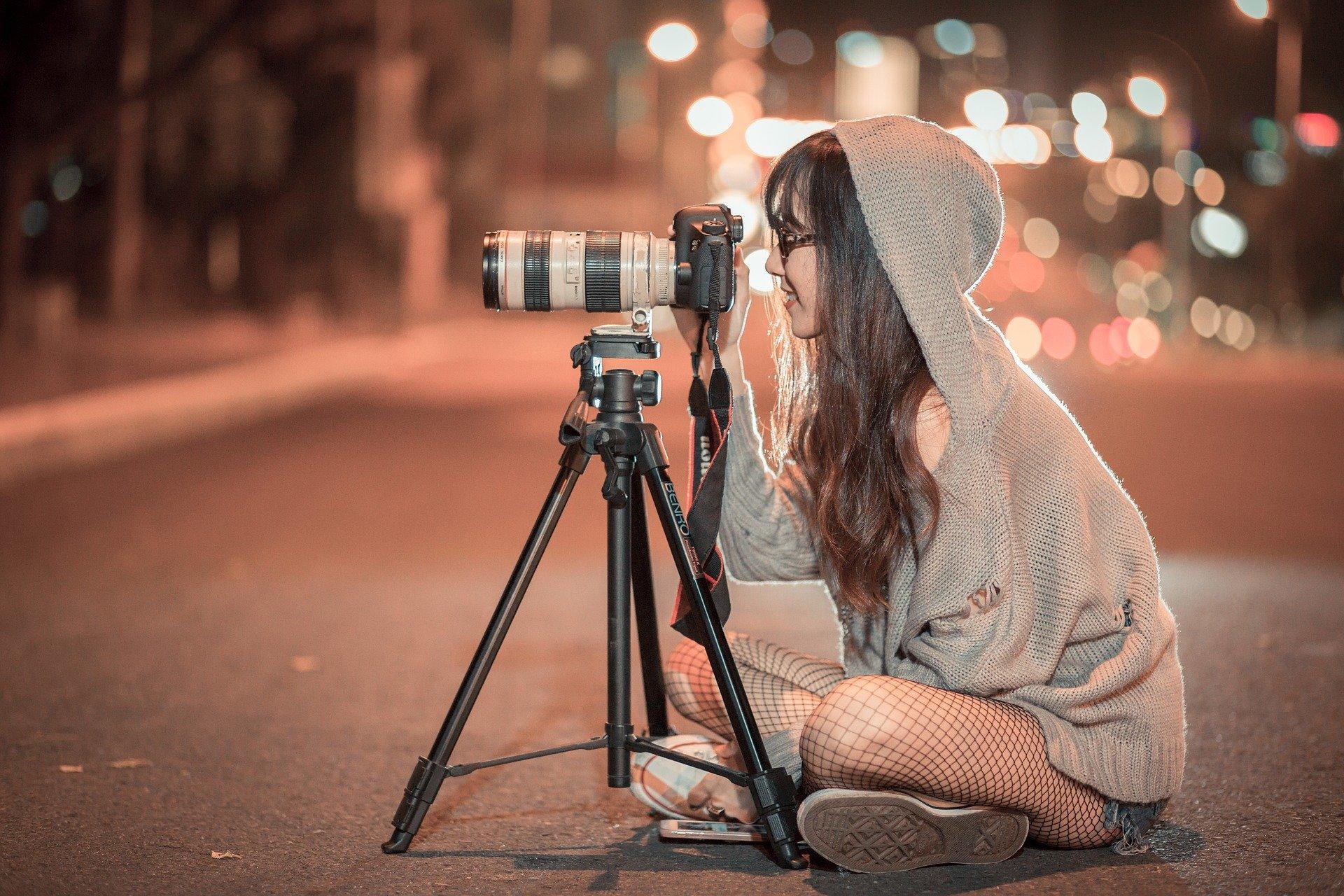
When looking for the best cameras for photography and videography, remember that filming with a camera is not the same as you would with a camcorder. For instance, cameras work well with static shots but not moving shots. Also, to use different camera angles to enhance your films, you’ll need to know which lenses to use.
For instance, a zoom lens will not provide you with the same look as a telephoto or wide-angle. Being able to change lenses is why a SLR is one of the best cameras for photography and videography.
One of the best videography tips for beginners is to shoot scenes according to your lenses and change one you have what you need.
Choosing Lenses
One of the best tips for creating professional-looking videos is to remember that image and footage quality are dependent on the types of lenses that you use.
Try to think about this before you start filming or buying cameras because there are so many different lenses to consider. Because you can change lenses on a DSLR makes it one of the best cameras for photography and videography.
If your camera allows for different lenses, consider one with a wide-ranging aperture that also allows you to do some zooming. This will help you play around with a few different cinematic approaches.
The type of lens you decide to choose will depend on the camera that you have chosen. Whether it’s a DSLR, hybrid, bridge or compact, the best cameras for photography and videography are ultimately what suit the unique needs of the user.
Do you need a full-frame sensor, viewfinder, touchscreen, folding screen or changeable lenses?
Entry-level cameras might be all that an aspiring filmmaker needs, but if you are looking for tips for more professional-looking videos, try to choose either hybrid or DSLRs that are compatible with quality lenses.
Plan Shots
Remember that cameras do not film indefinitely and their batteries will run out. This seemingly obvious piece of information is also one of the best videography tips for beginners out there.
Depending on the make and model, you might only be able to film continuously for five to 30 minutes. In some cases, it is possible to increase the continuous recording time through the altering of settings.
Good advice is to attempt to organise the filming of your shots so that your recording does not cut out midway. Organising your shots will help you during the editing process too.
Remembering to take enough memory (SD) cards with you is another one of those invaluable videography tips for beginners. It is very common for beginner photographers and videographers to miscalculate how much memory they will need. The last thing you will want is to stop filming because you are out of space. Memory cards are a good investment especially when having extras will offer you peace of mind.
Why You Should Stabilise Your Camera
The results of camera shake are very hard to deal with in post-production. When you are filming, notice how much the camera moves even if you think you are holding it steadily.
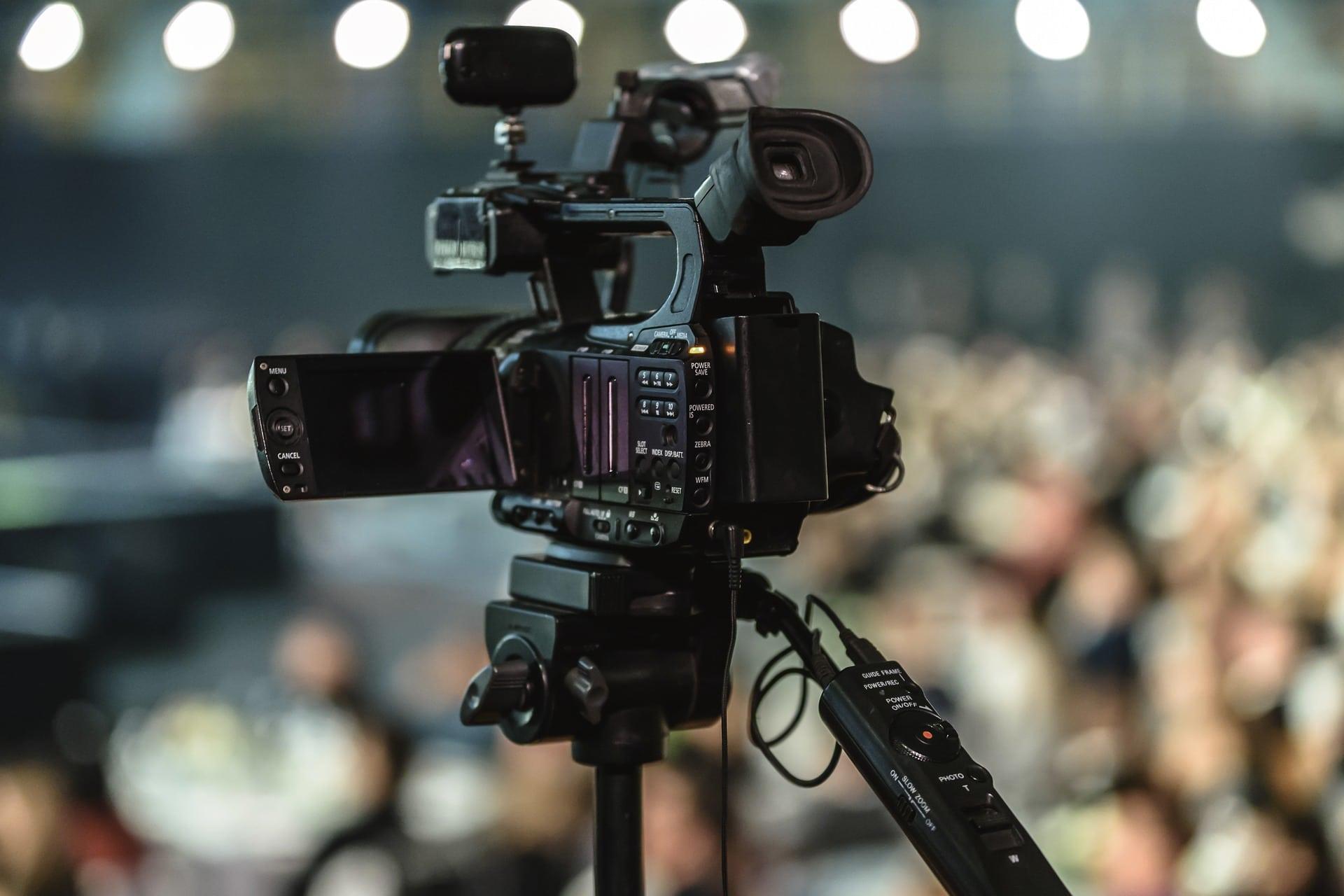
Some cameras have built-in stabilisers which can greatly reduce any shake that results from hand-holding a device. This is not always enough and it is best to invest in a tripod for static film shots.
Compact camera users can use Steadicam which is a camera stabiliser that allows you to film while the camera moves. Tools like these are often used with GoPros but work with cameras too.
Want to give private lessons?
Join the Superprof community and share your knowledge with inquiring and motivated students.
Selecting the Correct Video Settings
Knowing which settings and modes to use can help you when you first get acquainted with your camera. On some cameras, there are as many settings in video mode as there are in photo mode.
Once you have activated video mode, there are a few settings that will need to be adjusted. First, choose whether you want to film in HD, 4K or a lower quality. Also choose the size and ratio of the footage to be captured.
Also, you will want to set the frame rate. Generally, the choice is usually 24 or 25 frames per second, however, some cameras will shoot 50 or 60 frames if you want to shoot slow motion.
Finally, alter the settings that you would use for photography. These include white balance, brightness and contrast.
Get the Lighting Right
Without light, photography or film is not possible. Remember that a camera has to capture light to create a photograph or footage.
The right lighting is critical to good photography.
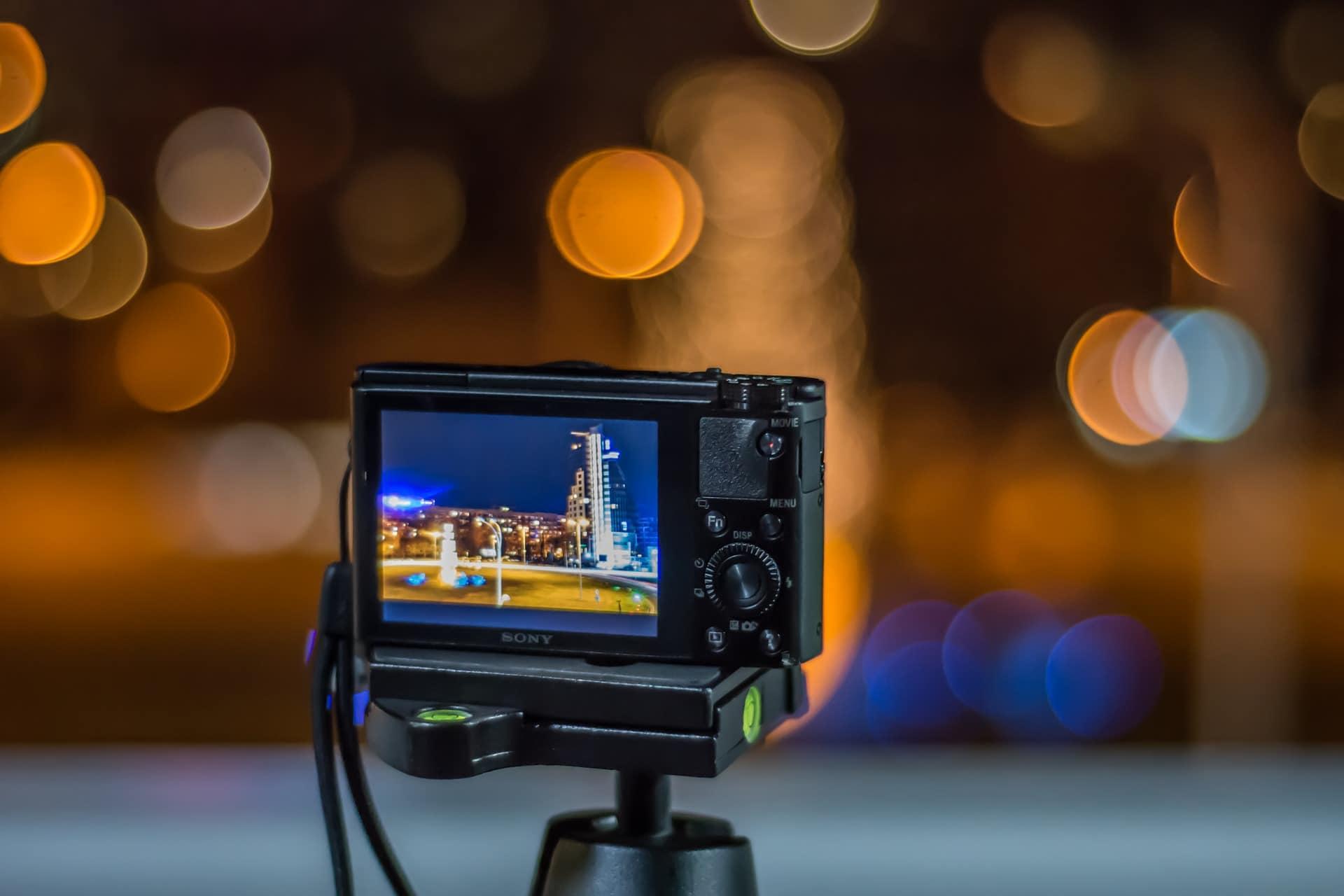
Avoid backlighting. This means that you should film while faced away from the sun. In the same way, do not film in places that are too dark. Thanks to full-frame sensors and ISO technology, some devices can film in low light, but this is complicated especially for cameras with smaller sensors.
Opt for Static Shots
As already mentioned, most cameras are best suited to static type shots rather than moving shots which are best handled with dedicated film cameras.
Why is this?
Autofocus is designed with still photography in mind. When the device moves it struggles to find a spot on which to focus and needs to be manually adjusted. This can be tricky when filming.
Planning your footage with static shots will make it easier to control the focus. In addition, you can get good results using depth of field.
You should also consider investing in certain accessories for shooting video.
Consider the Audio
It is not easy to find a camera with good built-in audio. One of the best tips for more professional-looking videos is to purchase an external microphone that can plug in to most high-end cameras.
If you are using a compact camera, you will need to record audio separately. To do this, clap your hands (much like a clapperboard) at the beginning of your shot to sync up the sound.
The Value of Several Takes
Using a camera to film is not the easiest thing to do as you have to alter settings, manage lighting and do a whole bunch of things at once. Recording the same scene several times is helpful as you will have several options to choose from. It’s not necessary to film 50 takes of the same scene, but two or three times should be enough to help you during the editing process.
Obviously, if you are filming a holiday or documentary video, several takes might not be possible as you won’t want to ruin the spontaneity. In a scripted video, it is essential to do several takes.
Find out more about the different cameras for shooting video.
Consider Different Angles
Different angles can completely change the look and feel of a scene. In fact, changing angles is as important with photography as it is with videography.
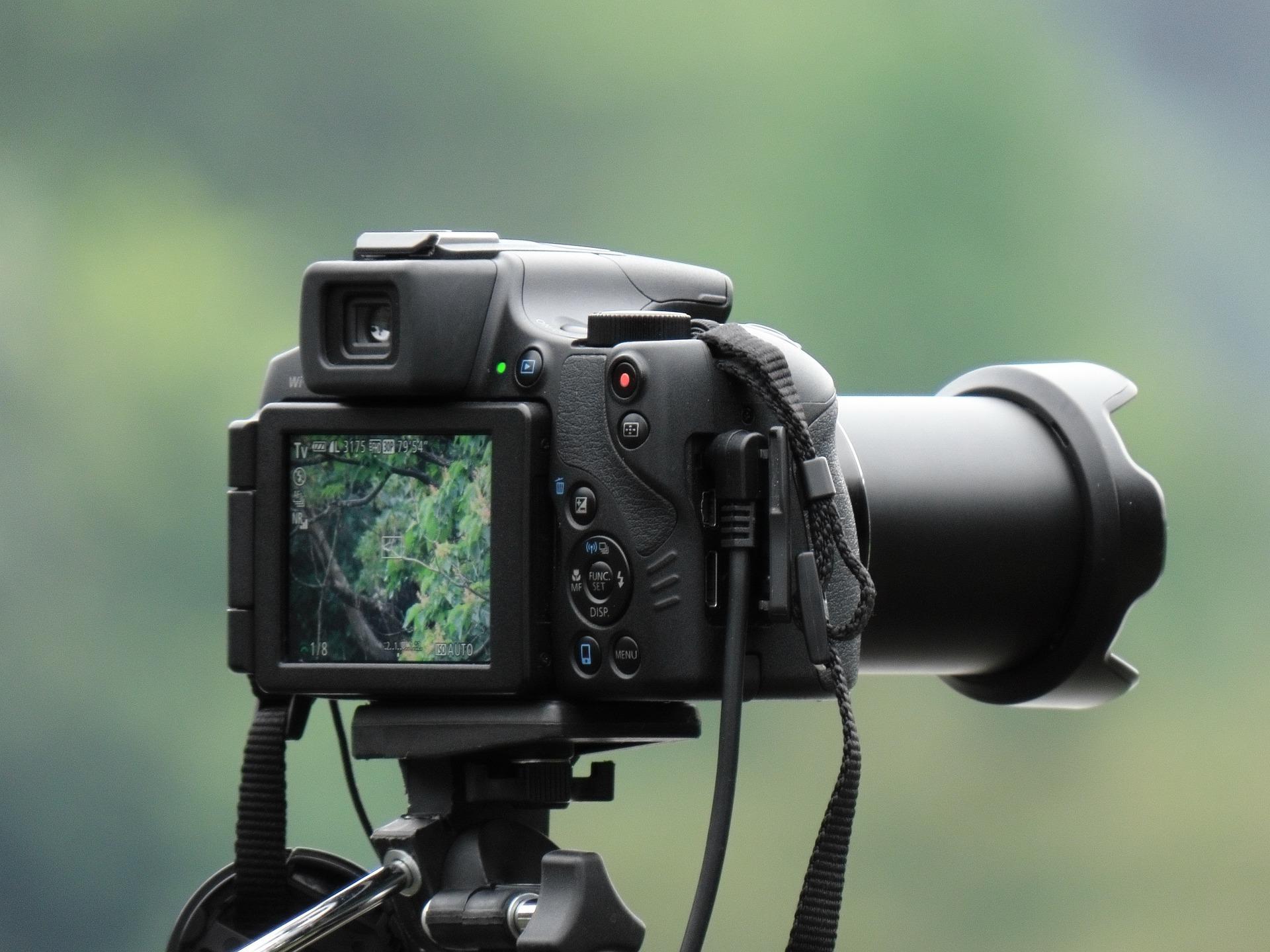
Apart from good camera angles to enhance your films, it is always a good idea to keep the attention of your viewer. Also, there needs to be cohesion between the scenes so that the viewer knows what is going on with each scene that they watch. Amongst the videography tips for beginners, it is good to remember not to move objects between scenes.
While photographers are not videographers, it is still necessary to understand photography basics like shutter speed, aperture, focal length, image quality and sensor size to help you shoot better.
Hopefully, these videography tips for beginners will go a long way to help you become a better photographer. If you would like to learn more about film and photography, find out how the private tutors on Superprof can help you. There are tutorials and budgets to suit every individual and style of videography.
Want to give private lessons?
Join the Superprof community and share your knowledge with inquiring and motivated students.
Summarise with AI:
Enjoyed this article? Leave a rating!

 Loading...