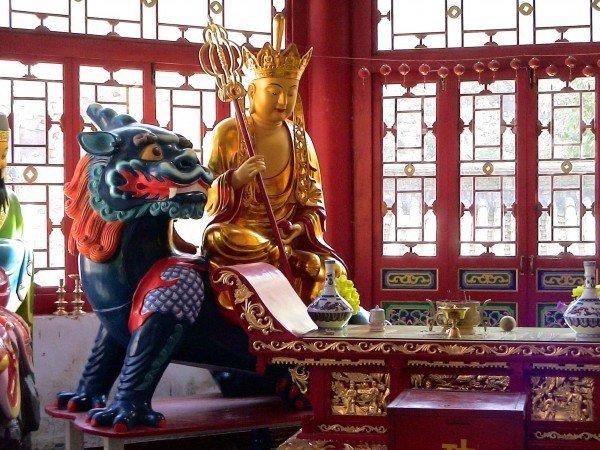

In the vibrant realm of Chinese mythology, there is an incredible array of gods and goddesses that captivate the imagination.
From the majestic Jade Emperor to the mischievous Monkey King, each deity brings their own unique powers and stories to the rich tapestry of Chinese folklore.
With every new tale and legend, we discover even more gods to worship and admire.
These divine beings have been revered by countless generations, passing down their stories from dynasty to dynasty. Come along on this enchanting journey and let the gods of Chinese mythology transport you to a world filled with wonder and magic!
Want to give private lessons?
Join the Superprof community and share your knowledge with inquiring and motivated students.
The Enigmatic Creation Myth Gods
Every civilization has its own creation myths, and ancient China is no exception. The Chinese pantheon comprises a diverse array of gods, each with their own unique attributes and roles. Let's explore some of the most intriguing creation myth gods of Chinese mythology.
Shang Di (??) The Above Temperor
One of the prominent figures in Chinese mythology is Shang Di, often referred to as the Above Emperor or the God in Heaven. While he is considered a creator god, his role is quite different from the all-powerful deities of Abrahamic religions.
Shang Di is described as a compassionate, emotional, intellectual, and just being. Although he did not engage in great feats or lead a people, his influence and significance are acknowledged in ancient texts.
Tian (?) The Celestial Father
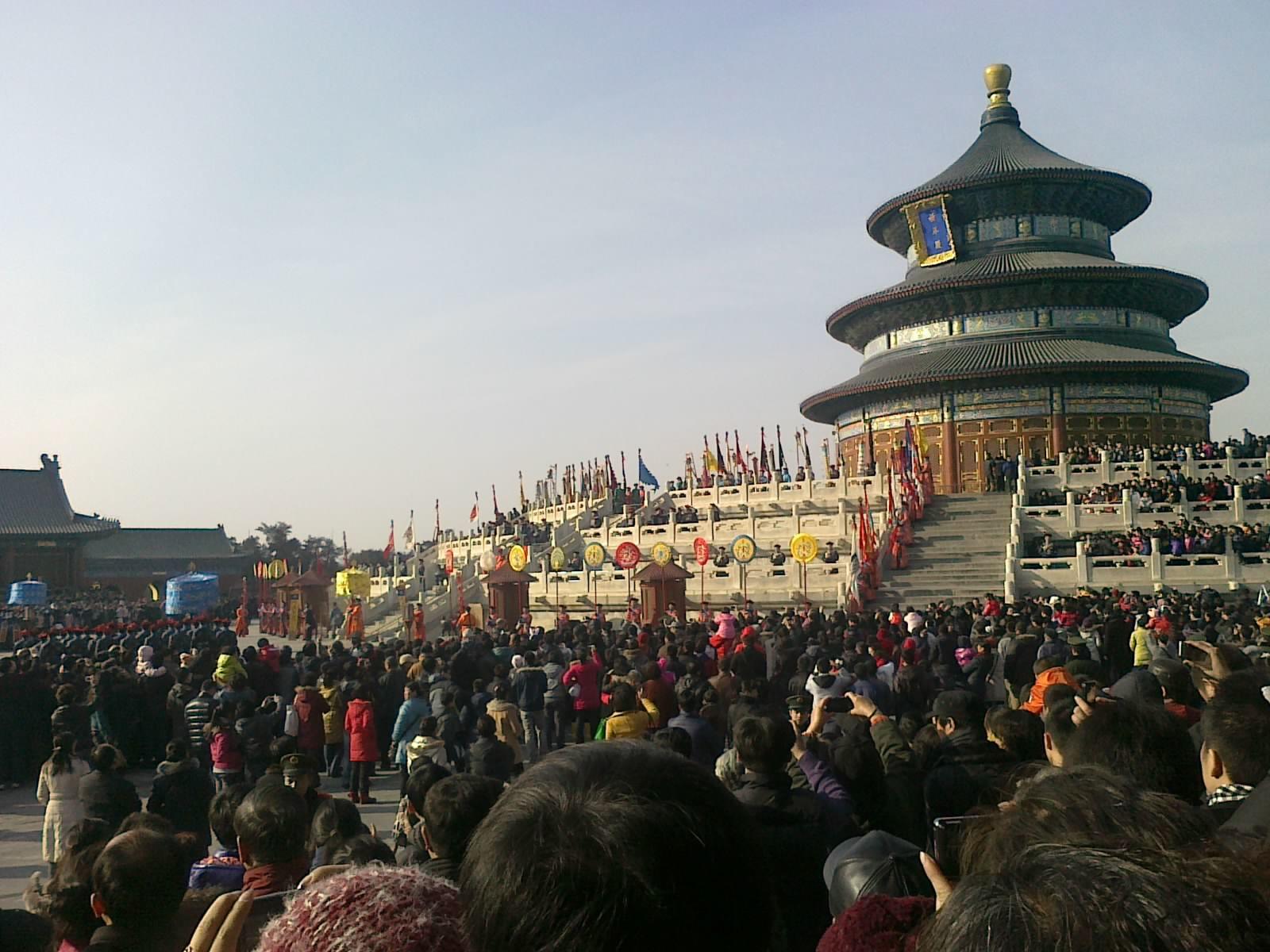
In stark contrast to Shang Di, Tian represents the concept of heaven in Chinese mythology. Tian is a celestial force that transcends human form and is closely associated with Shang Di. At one point in ancient history, the line between Shang Di and Tian became blurred, leading to the worship of both as a single entity.
The Temple of Heaven in Beijing stands as a testament to their intertwined significance.
Nuwa (??) The Creator of Humankind
The mother-goddess Nuwa holds a pivotal role in Chinese mythology as the creator of the human race. According to the legend, Nuwa molded yellow earth into human form, creating a family of dolls to alleviate her loneliness. Realizing that she couldn't individually shape each person, she used a string to rake the yellow earth, thus creating more people. The ones she personally molded became the nobles, symbolizing her intimate connection to humanity.
Nuwa's contributions to the world extend beyond the creation of mankind. She is credited with repairing the Pillars of Heaven, which had become damaged, leading to calamities and chaos. Nuwa's determination and resourcefulness in restoring order showcase the importance of strong and capable female figures in Chinese mythology.
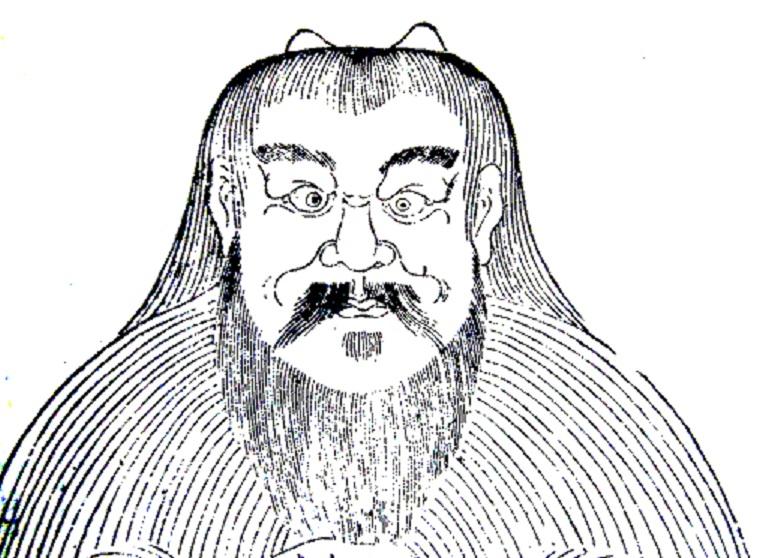
Pangu (???The World Creator
Among the intriguing deities of Chinese mythology, Pangu stands out as the first corporeal creature in the pantheon. Pangu's creation story bears resemblance to passages found in the book of Genesis. In the beginning, there was a formless and primordial void. From this void emerged an egg that incubated for 18 000 years until the opposing forces of Yin and Yang achieved balance. Pangu then emerged from the egg, wielding a giant axe to create the world.
Pangu's actions were monumental. With a mighty swing, he separated Yin and Yang, transforming Yin into the earth and Yang into the sky. Pangu positioned himself between them, ensuring their equilibrium. His body shaped the land, mountains, and valleys, while his breath became the wind, and his blood formed the rivers. Even after his demise, Pangu's legacy endured, as his eyes became the sun and the moon, and his voice became thunder.
Yu Huang (???The Jade Emperor
The Jade Emperor, Yu Huang, holds a prominent position in Taoist belief systems. He is revered as the ruler of heaven and earth and serves as the official deity of human emperors. The Jade Emperor's court is filled with numerous gods and goddesses, emphasizing his significance in Chinese mythology.
The worship of the Jade Emperor is deeply intertwined with the creation myths of China, as his benevolent rule resonates with the values and aspirations of the Chinese people.
Sovereigns and Emperors: Exemplars of Benevolence
In Chinese mythology, the concept of hierarchy differs from that of Abrahamic religions. While certain deities may hold more prominence, there is no rigid hierarchy among gods and goddesses. Instead, Chinese mythology celebrates individuals who embody benevolence, good deeds, and exceptional leadership. Let's explore the figures known as Sovereigns and Emperors in Chinese mythology.
Fuxi: The Wise Teacher
Fuxi, a companion and brother to Nuwa, is regarded as one of the Three Sovereigns in Chinese mythology. Although he possesses the ability to shape-shift into a dragon, Fuxi's contributions to humanity extend far beyond his supernatural abilities. He taught ancient people essential skills such as hunting, fishing with nets, domesticating animals for farming, and the art of writing. Fuxi's teachings laid the foundation for civilization, making him a revered figure in Chinese mythology.
The other two Sovereigns are Shennong, the divine farmer who imparted knowledge of agriculture and medicine, and Huang Di, the Yellow Emperor, often considered the first sovereign of China. Together, these three figures epitomize the virtues and wisdom that the Chinese people hold in high regard.
The Five Emperors: Paragons of Virtue
While not necessarily considered gods, the Five Emperors hold a special place in Chinese mythology as paragons of virtue and exemplary leadership. These emperors are revered for their moral character and the positive impact they had on society. Let's explore the Five Emperors of Chinese mythology:
- Shaohao (??): The Eastern Barbarians' Leader - Shaohao, a son of the Yellow Emperor, reigned around 2600 BCE. He is known for his leadership qualities and his contributions to the development of ancient China.
- Zhuanxu (??): The Grandson of Huang Di - Zhuanxu, the grandson of the Yellow Emperor, played a significant role in guiding and governing ancient China.
- Emperor Ku (??): The Nephew of Zhuanxu - Emperor Ku, the nephew of Zhuanxu and great-grandson of the Yellow Emperor, continued the legacy of wise and just rule.
- Yao (?): The Wise and Compassionate Ruler - Yao, the second son of Emperor Ku, ascended to the throne due to his exceptional moral virtue and piety. His reign brought prosperity and harmony to ancient China.
- Shun (?): The Chosen Successor - Shun, a non-blood relative of Emperor Yao, was chosen as his successor due to his extraordinary moral character. Shun's leadership and wisdom ensured stability and progress during his reign.
The Five Emperors serve as role models for Chinese society, embodying the virtues of benevolence, integrity, and wise governance.

Deities of Taoism and Buddhism: Mysticism and Philosophy
While Chinese mythology encompasses a vast pantheon of gods and goddesses, it is important to distinguish between the deities associated with Taoism, Buddhism, and Confucianism. Taoism and Buddhism, in particular, have a significant presence in Chinese mythology, intertwining mysticism and philosophy.
The Taoist and Buddhist Deities
Taoism and Buddhism have left an indelible mark on Chinese culture and mythology. Although Confucianism does not worship gods, Confucius himself is venerated as a great sage rather than a divine being. The worship of Taoist and Buddhist deities involves praying to specific gods for various purposes. Here are a few examples:
- Guan Yin: The Buddhist Goddess of Mercy - Worshipping Guan Yin invokes compassion and mercy. She is revered for her ability to bring solace and relief to those in need.
- Xi Wang-Mu: The Taoist Deity of Longevity - Making offerings to Xi Wang-Mu is an expression of the desire for longevity and a prosperous life. She symbolizes the hope for a fulfilling and extended existence.
- Confucius: The Sage and Teacher - Although not considered a god, Confucius holds a revered position in Chinese culture. Paying respects to Confucius signifies reverence for his teachings and wisdom.
Taoism and Buddhism play a vital role in the spiritual and philosophical landscape of China, providing guidance, solace, and inspiration to countless individuals.
Chinese mythology is a treasure trove of captivating stories, intricate beliefs, and a pantheon of gods and goddesses. The gods of Chinese mythology reflect the values, aspirations, and wisdom of ancient China. From the enigmatic creation myth gods like Shang Di and Pangu to the exemplary figures of Fuxi and the Five Emperors, each deity represents a facet of Chinese culture and history.
As we explore the realms of Chinese mythology, we gain insights into the rich tapestry of beliefs that have shaped China's cultural heritage. It is through understanding and appreciating these myths that we can truly grasp the depth and beauty of Chinese civilization.
So, let us embark on a journey through the ages, delving into the captivating world of Chinese gods and goddesses, and unravel the mysteries that lie within the realm of Chinese mythology.
To know the gods of a culture is to know the heart and soul of its people. Unknown
Want to give private lessons?
Join the Superprof community and share your knowledge with inquiring and motivated students.
Summarise with AI:
Enjoyed this article? Leave a rating!

 Loading...