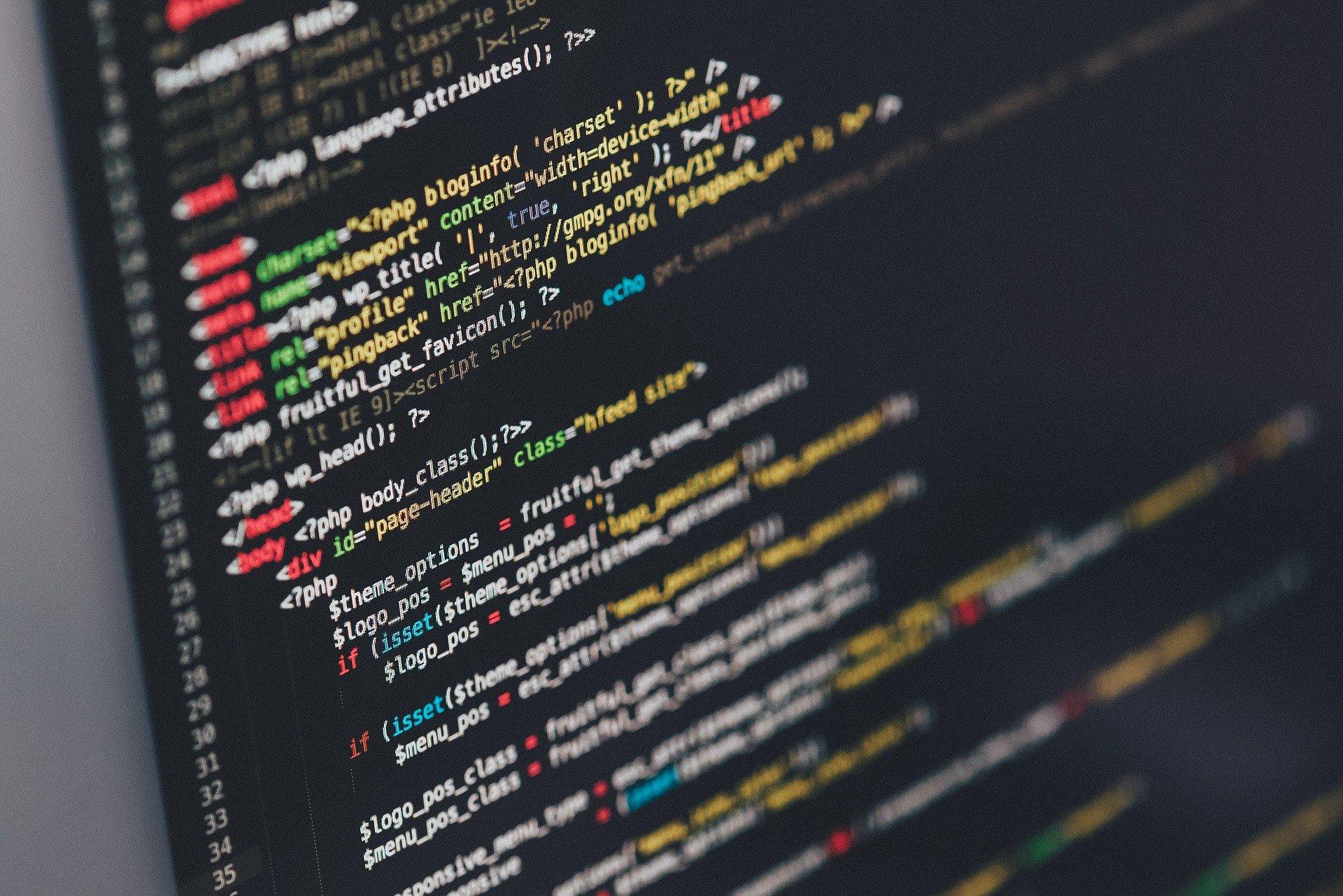

Hacking is a verb with a rather strong connotation.
The minute you hear the word "hacked," pop up, you automatically start to think of someone having unauthorised access to computer data that he or she should otherwise not have access to.
There is no denying that hacking has become so common that we even have classified hackers into three categories: black hat hackers, white hat hackers, and grey hat hackers.
One of the biggest hacks to date happened in 2013 when there was a data breach of Yahoo! This hack was so serious that about 3 billion people had their data compromised.
You certainly do not want to get hacked, therefore, it is important to explore the topic of hacking further and look at ways that you can protect yourself from being hacked.
Want to give private lessons?
Join the Superprof community and share your knowledge with inquiring and motivated students.
What is Hacking?
The term hacking has an interesting history, one that will certainly help us understand how hacking came to be and how it has advanced since.
The word Hack was first used about 1 200 CE and originated from a Germanic language. It is derived from the German verb Hacken, which means to chop or hack. However, in the last 800 or so years, this one-syllable word evolved to cover a range of other meanings including that of something that is mediocre, unoriginal, and boring.
There is, however, nothing mediocre or boring about being hacked, as we understand the term today. Being hacked is, in fact, rather devastating.
We view the verb to hack as gaining unauthorised access to data in a computer.
While hacking may not always be malicious, we normally view hacking in a negative light, particularly because the hackers are considered to be cyber criminals who find themselves in possession of data or accounts that they are not authorised to have.

Hackers are highly skilled coders who have the ability to go unnoticed while they change computer software and hardware.
What is the Meaning of Hacking?
"You've been hacked!"
What does this mean?
Well, it means your data is compromised. The bottom line is, we see hacking as being bad. However, hacking in the gaming franchise is not so bad. When you edit a game, you hack the game's source code so as to gain an advantage.
In fact, you are encouraged to hack the game to get more lives, weapons, or good health. The gaming franchise has even created games which are based on hacking. Games like, Nite Team 4 and Deus Ex are excellent to play if you are into the more "harmless" type of hacking.
Your ability to hack a game to a certain extent depends entirely on your gaming skills.

In one such game, Mass Effect, hacking is one of the tech talents available to engineers. This talent grants AI hacking ability which makes artificial enemies go mad.
The minute that you press, "start hack," blocks of code generate on the screen.
Sounds intriguing, doesn't it?
However, hacking in a game is nowhere near as vindictive as hacking or hacktivism.
While game hackers are on one end of the spectrum, black hat hackers are on the other end.
Want to give private lessons?
Join the Superprof community and share your knowledge with inquiring and motivated students.
Black Hat Hacking
We generally think of black hat hackers as people with malicious intent. Now you might be wondering why certain type of hacker is called a black hat hacker.
The term comes from a colour coding scheme derived in the 1950s where the bad guys wore black hats.
Inevitably, black hat hackers are considered to be "the bad guys".
So malicious are black hat hackers that they can even release malware that destroys files. Think of it as someone taking your computer hostage.
Well, that is the power these black hat hackers have.
Usually, black hat hackers tend to take the illegal route in order to gain easy money.
Not all hackers start off being experts in the field.
Some begin by buying hacking tools that they use to exploit security systems. Eventually, black hat hackers become so proficient at using code that they eventually become specialists in certain types of hacking. Many black hat hackers develop and sell their software themselves.
One of the most famous hackers was Vladimir Levin who was Russian born and he had attempted to transfer about $10.7 million via Citibank's computers. When he was on trial, it was discovered that he was able to transfer money fraudulently as he had stolen pins and account numbers.
Another hacker, Michael Demon Calce, was known by his pseudonym Mafiaboy. He was only a high school student when he launched denial-of-service attacks against commercial websites such as Yahoo! and Amazon.
On the other end of the scale to unethical hacking is ethical hacking, which is both legal and necessary.
It's done by certified hackers or hacking teams who are contracted by a firm or organisation to deliberately target their networks, systems and equipment to probe for vulnerabilities.
Unethical Hacking
Speaking of unethical hacking, black hat hacking is also considered a cybercrime whereby various online thieves steal sensitive data. More than stealing data, unethical hacking can cause an upset to many systems. Irrespective of what type of unethical hacking the hacker is involved in, the hacker hacks without the company or individual being aware that the hacking is taking place.
The thing about unethical hacking is that you never are quite sure when you could become the next victim of the hacker. The worry is that so much of our lives are managed in cyberspace, including financial transactions.
So, you may be interested in knowing how to protect yourself from unethical hacking.
Well, you don't want your personal cyber information ending up in the wrong hands. You could start by checking that any data you send over a computer is done securely. Always look for the lock in the corner of the screen which denotes that the page is secure. Aside from ensuring that your data is encrypted, you can also make sure you use stronger passwords. Try to use a variety of different passwords for different websites.
Be very wary when you receive emails with attachments. Only view attachments if you are certain about the source of the email.
Truth be told, hacking can happen at any time and to anyone. In fact, cryptocurrencies are also vulnerable to hacks. While blockchain technology prizes itself as hack-proof technology with so many nodes in the network, hackers have still taken chances with blockchain technology.
2021 introduced us to the Finance cryptocurrency exchange hack where the thieves made off with around 7 000 Bitcoin. You have to admit, unethical hacking could mean a great payday for these hackers.

Getting in the Hacking Game
You could argue that hackers are just people who are born bad. From high school hackers to professionals, the hacking community makes it clear that some hackers just enjoy playing the role of the villain.
Then again, one could argue that hackers hack simply because they can. They are coding geniuses who know how to gain access to things that are not supposed to have access to.
Like it or not, we will never really know why hackers choose to play the hacking game, but hackers certainly get a thrill in hacking and being able to go to places online that others cannot go. For many, it is not at all about the thrill of gaining information maliciously but the need to get money from each hack. Whether you choose to believe it or not, many hackers do it simply for the paycheque.
Hacking can be hard work, but it is not necessarily the type of ethical work that you can be proud of.
Want to give private lessons?
Join the Superprof community and share your knowledge with inquiring and motivated students.
Summarise with AI:
Enjoyed this article? Leave a rating!

 Loading...