
We all have 10 000 bad drawings in us. The sooner we get them out, the better. Walt Stanchfield
Not unlike other forms of creativity, such as music, writing, or acting, drawing is a valuable skill that can be used to express ideas and emotions. Furthermore, it can serve as a means of relaxation and stress relief.
Whether or not you have prior experience with art, learning to draw is a wonderful skill to have. Fortunately, there are many ways to quickly learn to draw, especially if you start with simple easy drawings for beginners. By following the tips in this article, you can develop your artistic ability, unlock your creativity and express yourself in new ways. Why not start with a few easy sketches for beginners and see where it leads you?
Want to give private lessons?
Join the Superprof community and share your knowledge with inquiring and motivated students.
Learn to Draw Basic Things First
Even if you just want to draw for fun, truly learning how to draw involves grasping the fundamentals of the practice.
Being able to create recognisable images with realistic qualities is key to mastering this skill.
It doesn't necessarily mean your drawings have to look like photographs, but rather that they convey the intended subject matter. Developing this ability takes practice and study of the underlying principles of art, such as composition, proportion, and perspective. With dedication and patience, you could become an artist. But what to draw first?
Before moving on to more complex subjects, you should aim to learn about the fundamentals of drawing. Here are a few basics that you will need to learn:
- Composition
- Depth
- Perspective
- Proportions
- Light and shadow
- Colour theory
- Shading and nuance
Once you grasp these concepts, you can easily produce drawings with an admirable level of realism! Afterwards, once you have tried a few easy sketches for beginners, you can experiment with your style by incorporating some of these concepts. Many artists use this technique to make their artwork stand out with a unique and identifiable style.
Draw Easy Sketches for Beginners Every Day
Regular practice is essential when it comes to learning to draw for fun or more serious reasons.
The more you draw, the more your skills will improve.
Try to draw every day, or at least once a week, as it allows you to experiment with different techniques, styles, and mediums.
If you're looking for a challenge, and wondering what to draw, why not participate in Inktober? This challenge involves creating a drawing every day in October based on a specific theme. There are also weekly challenges and many simple easy drawings for beginners to try out. This is an excellent way to incorporate drawing into your daily routine and improve your skills in a fun and creative way.
Draw for Fun: Use Your Eyes
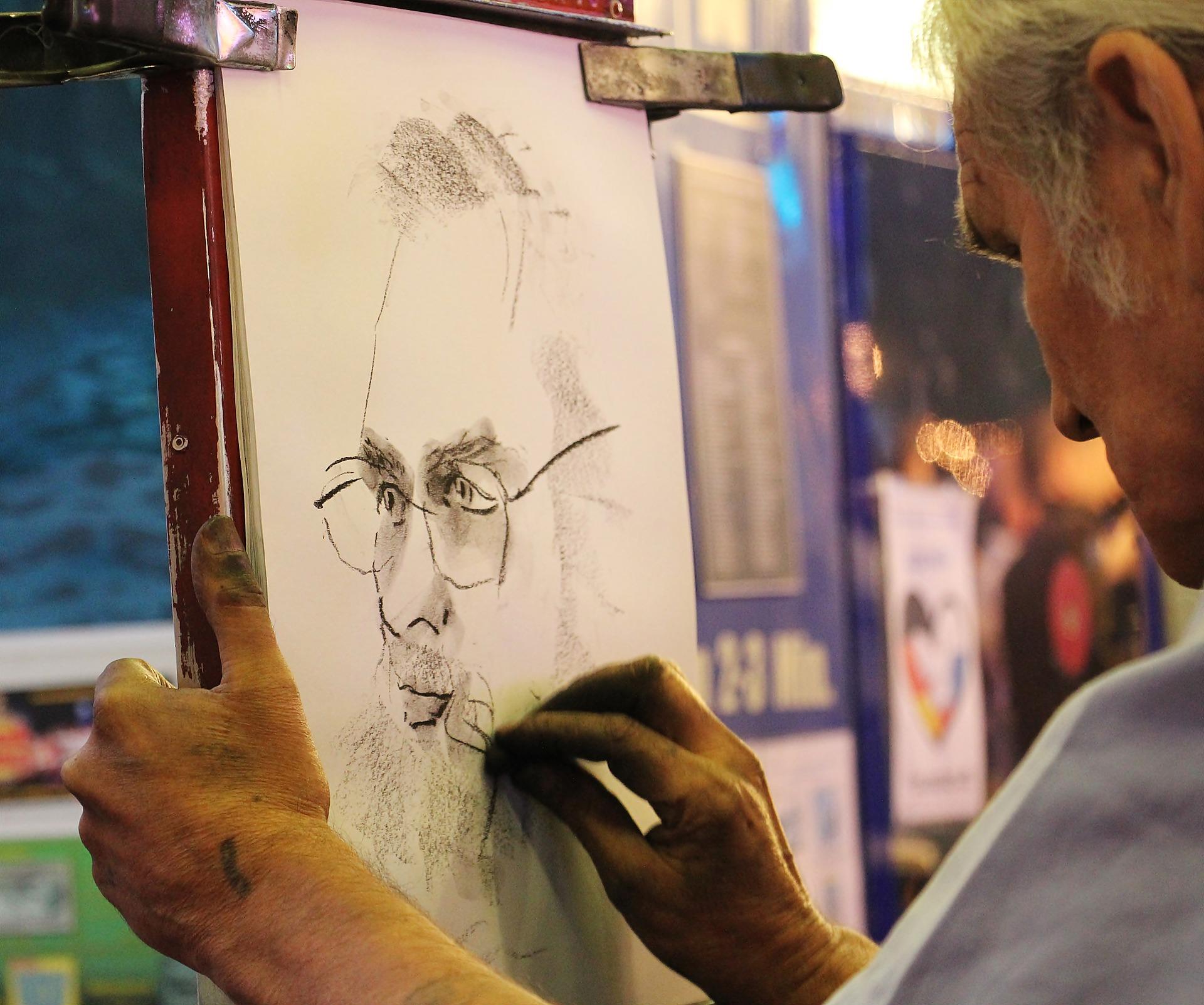
Great artists are not just imaginative and creative; they have also got a great eye. This means that you will need to take the time to look at things, especially when drawing landscapes, buildings, and people.
Observation is a key aspect of improving your art skills. Keeping pens, pencils, and a sketchbook handy at all times and drawing what you see, whether it's a flower, bird, bustling café or a house, can help develop your drawing abilities. Even quick, easy sketches for beginners on the go that can be refined at a later time are helpful. Having said this, try to spend enough time observing your subject, which not only helps hone your drawing skills but can also be a relaxing practice. Consistently representing three-dimensional objects on a two-dimensional surface can be achieved through regular observation and practice.
Simple Easy Drawings for Beginners
It's common for artists to feel the urge to draw complex subjects beyond their current ability, but this can affect self-confidence and hinder improvement. Instead, try to progress gradually by starting with simple easy sketches for beginners. If you choose a larger project, aim to break it down so that you are still able to draw for fun! This approach can prevent overwhelming feelings and lead to a better understanding of the subject matter.
Want to give private lessons?
Join the Superprof community and share your knowledge with inquiring and motivated students.
Wondering What to Draw? Recreate Existing Pieces!
If you often find yourself wondering what to draw, remember that copying other artists' works is a common practice among artists for improving their skills. It can be used to practise specific techniques or as inspiration while developing your style.
Try to choose simpler and more manageable projects to start with. Select a piece that you admire and want to learn from. This will not only enhance your observation skills but also help you understand the proportion of the artwork. Additionally, studying other artists' works can expand your knowledge about their techniques and styles.
To learn how to draw easy sketches for beginners consider a private drawing tutor, like those on Superprof!
Be Open to Feedback and Constructive Criticism
Gathering feedback is a big part of improving as an artist. Without being willing to learn from mistakes, it's difficult to progress. When you learn to draw, be prepared to share your work with others, both fellow artists and those outside the art world.
Constructive feedback is invaluable in helping you identify areas of improvement. However, be mindful of where you seek feedback. While social media can provide useful comments, remember it can also bring negative and unhelpful remarks. Start by showing your work to friends and family, even though they may not be artists, they will probably have valuable insights to offer.
Set Yourself Goals
What motivates you to learn drawing?
Is it a personal passion or a professional aspiration? Regardless of your reasons, having clear goals can be a powerful driving force behind your progress. By keeping your objectives in mind, you will stay focused on your learning path and monitor your progress towards achieving your desired outcomes.
If you have a specific interest in drawing animals, try to keep this in mind every time you practice your skills. This will help you stay motivated and committed to improving your abilities. When you set achievable milestones, such as learning to draw a cat, horse, or fish, you can track your progress and celebrate your seemingly small achievements along the way. As you practice consistently, you'll be able to look back on your journey and see how far you have come in developing your skills and achieving your goals.
Never Use a Rubber
Improve your drawing, may seem counterintuitive, but it's best to avoid using an eraser!
Instead, use your mistakes as a learning opportunity. When you are too focused on erasing and correcting, it can hinder your progress and prevent you from actually drawing. Don't be afraid of making mistakes as they are a natural part of the learning process. Constantly searching for the eraser after every line you draw will only slow you down and prevent you from actually finishing anything. With practice, you will gradually improve, and your mistakes will become less frequent.
Focus on Your Technique
This is a rule that happens to be useful for every skill, not just drawing. As a beginner artist, try focusing on one medium.
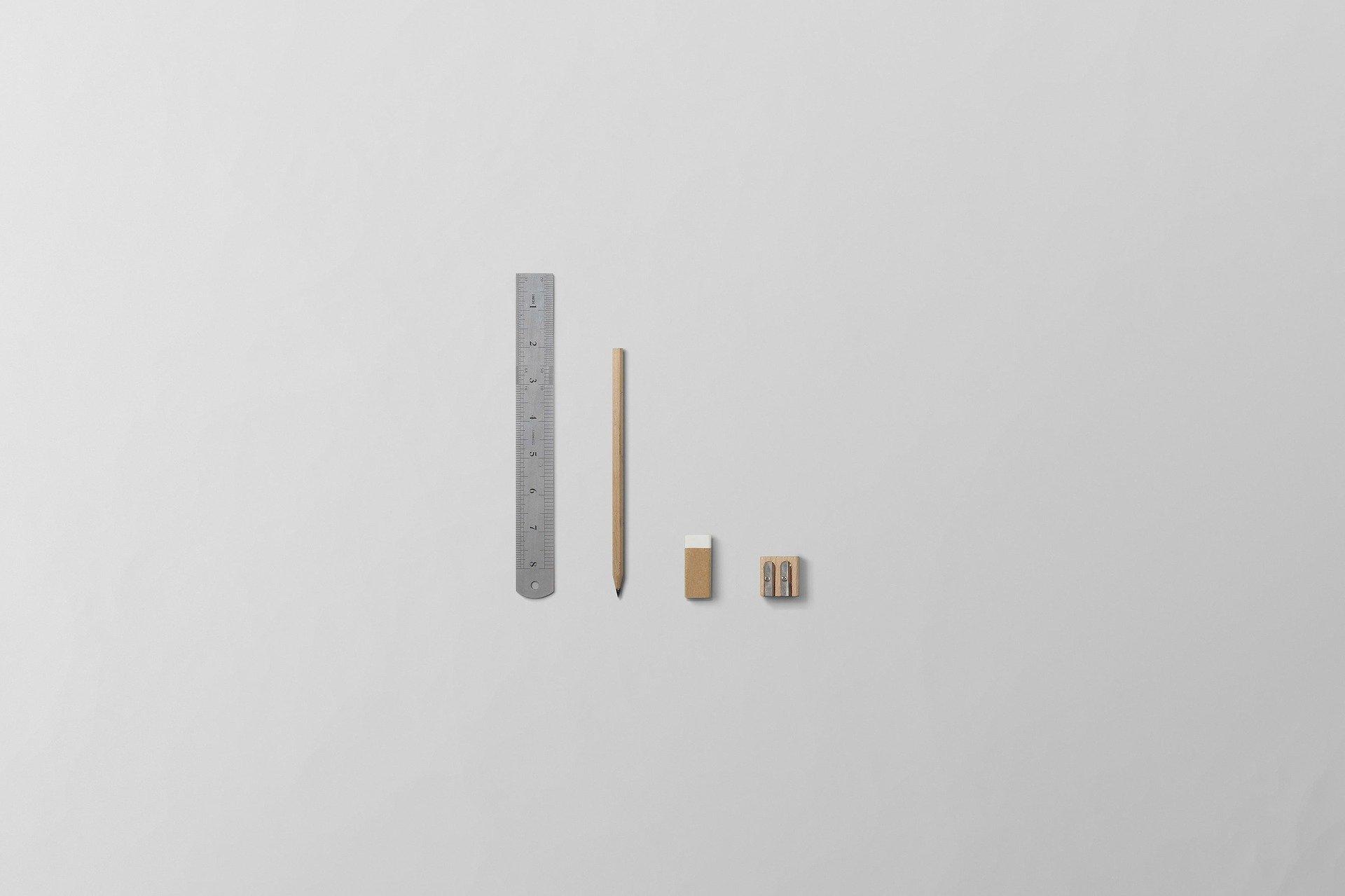
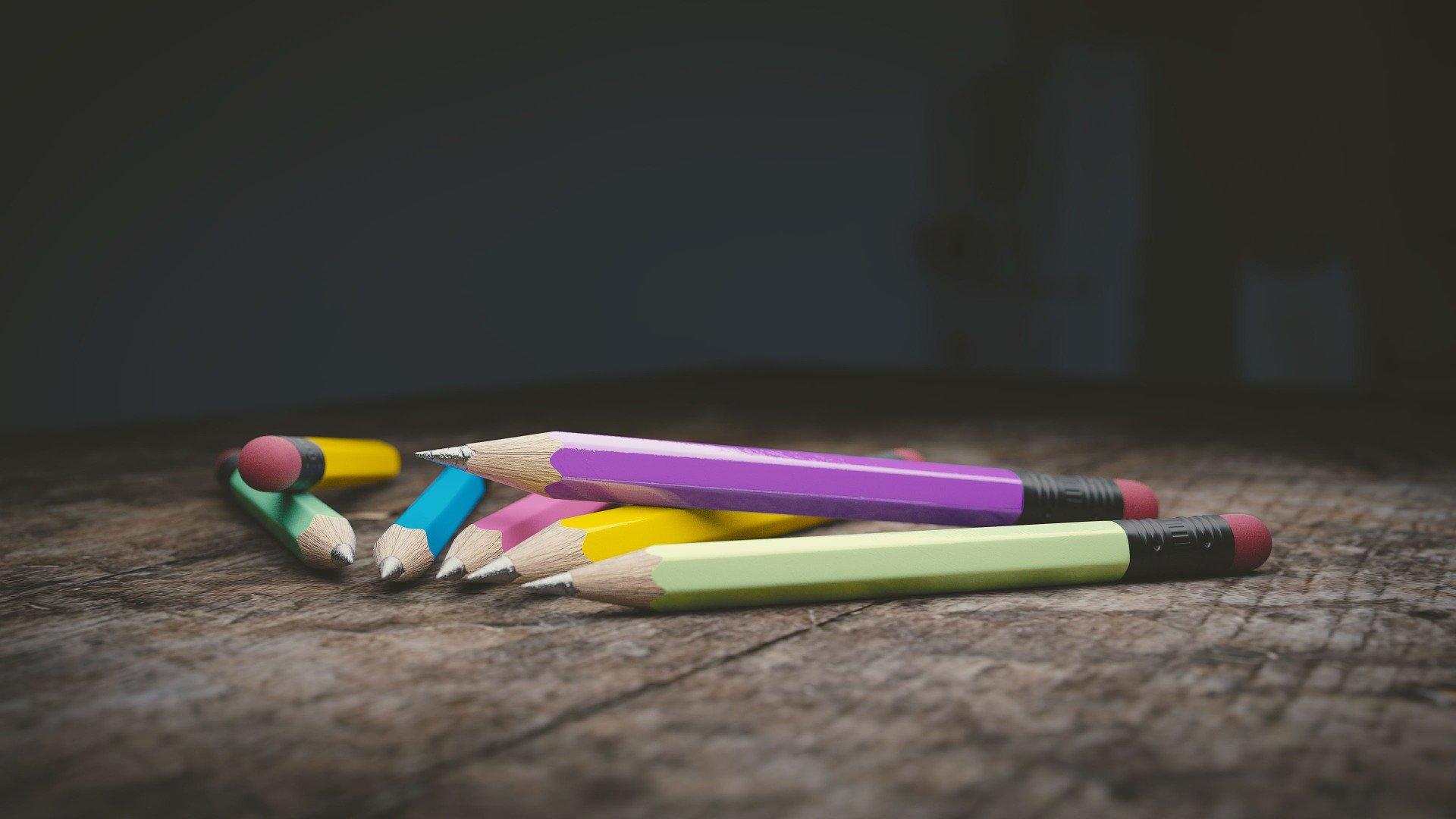
When it comes to drawing, there are a variety of tools available such as pens, pencils, pastels, crayons, charcoal, and more. To improve your skills, it's recommended to choose one medium and focus on mastering its techniques. While it's possible to use multiple mediums in a single piece, switching between them during each drawing lesson can be counterproductive and even a waste of time.
So, pick one medium and stick with it until you feel comfortable enough to explore other options. For more drawing lessons and tips, check out Superprof.
Learn More About Art
So in conclusion, improving your drawing skills isn't just about practice; you can also enhance your abilities by studying art and finding your unique style.
Remember that studying other artists' work is an excellent way to discover new techniques and styles and gain inspiration for your art. You can visit local museums, or search online for new artists on social media platforms like Instagram and Pinterest.
For more guidance, Superprof has dozens of experienced and talented tutors available for almost every skill, including drawing. You can choose from face-to-face, online, or group tutoring. Each type of tutoring has its advantages and disadvantages, and you should carefully consider which one is best for you and your budget.
Even though face-to-face tutoring is the most expensive, it is also the most effective. Group tutoring can be a cost-effective option as you share the cost of the tutor's time and expertise with other students.
If you can't find a suitable tutor in your area, online tutoring is also an easy and affordable option. Here, tutors from all over the world can provide online tutoring as long as you have a webcam and a good internet connection. They tend to charge less than face-to-face tutoring because they don't have to travel. As you can see, there are many options so just choose one that suits you!
Want to give private lessons?
Join the Superprof community and share your knowledge with inquiring and motivated students.
Summarise with AI:
Enjoyed this article? Leave a rating!

 Loading...