
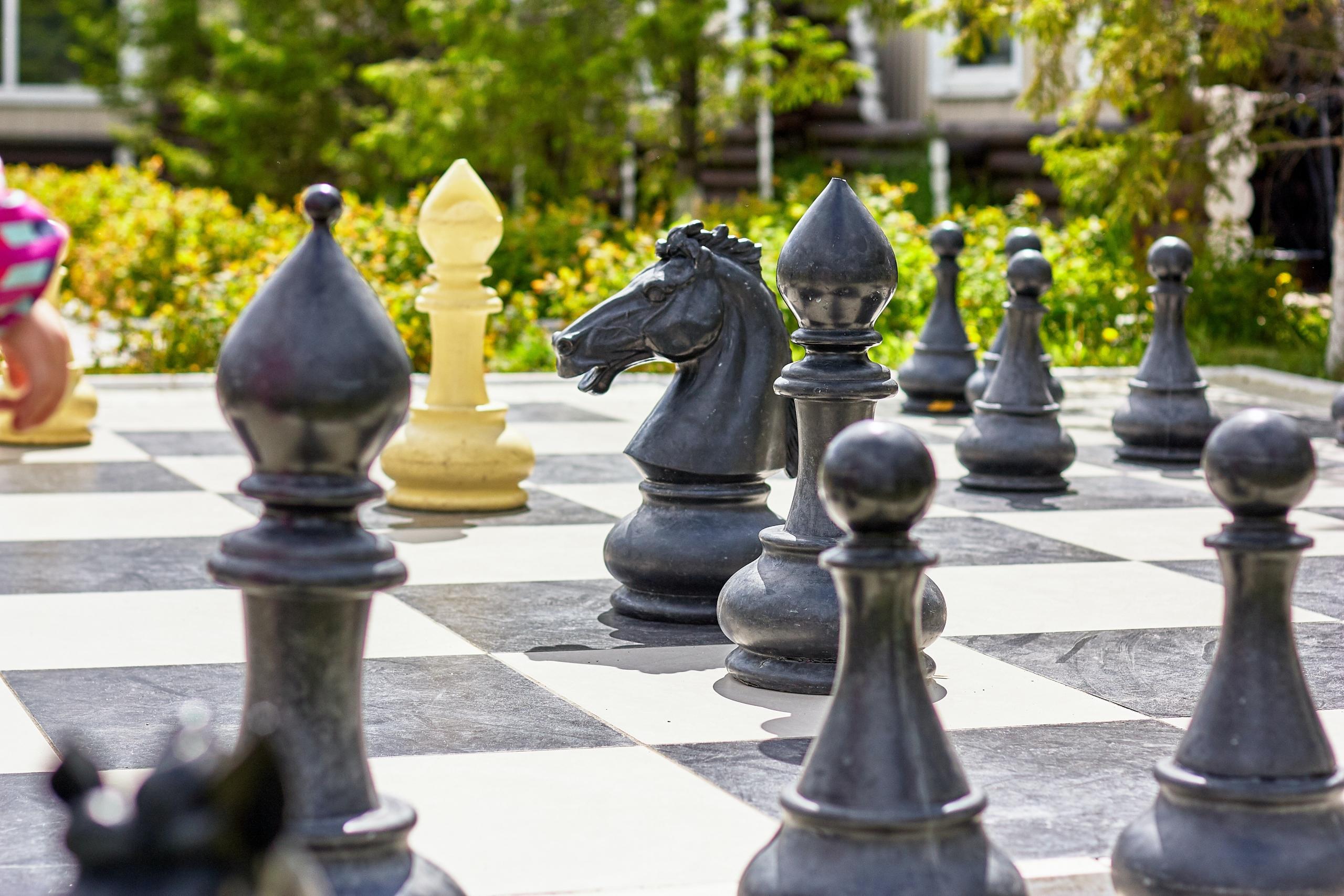

"Chess is the art which expresses the science of logic.” – Mikhail Botvinnik
Ask any professional player about how he or she feels about chess, the game, and they may relate many amazing things. What will come through very strongly is their deep love of the game and their passion to continue playing it. If you were to ask them about their opposition, they would express their desire to play against good opponents and coming out on top!
Chess players can be regarded as arch-enemies, when engaged in a chess game. Friends even become sworn enemies for the duration of their contest, only resuming friendly relations once the dust has settled. They can be compared to soldiers on the battlefront, where they may be quite similar in terms of their daily lives, but when engaged in battle, there are no friends or buddies!
While the approach during this engagement may come across as passionate, it is very similar to the level of intensity witnessed between opponents in other sporting codes or games which have high stakes.
It is also worth mentioning that, since your counterpart may be a friend or relative, you will, no doubt, do your best to beat them in a game or three. There are some chess skills which sets apart great players from the rest. What are these?
Chess players, who are skilled at chess strategy and planning, are in a better position to be very successful at playing chess.
Without any further hesitation, let us get to why chess is considered to be a game of strategic thinking and planning.


Skills Refined Through Chess
Although there are numerous other games, such as Checkers (Draughts in SA), UNO and video games, these are fun games and not really mentally challenging. However, many people enjoy these games as they allow them to play and let their hair down, without having to apply much thought – great for relaxing and a nice past-time!
At the other end of the scale are games such as chess. At once, enthralling and intense, chess is known as a game that requires strategy and the careful planning of each move. It is important to note that chess can be quite demanding for anyone who wishes to compete at the highest level.
The saying ‘No pain, no gain’ is very true of a game like chess! If you wish to hone your chess-playing skills and improve your chances of being all-conquering, you must be prepared to commit many hours of practice to develop the ability to compete at an advanced level. Some of the skills developed in the process are also transferable to other areas of life.
Really?
For instance?
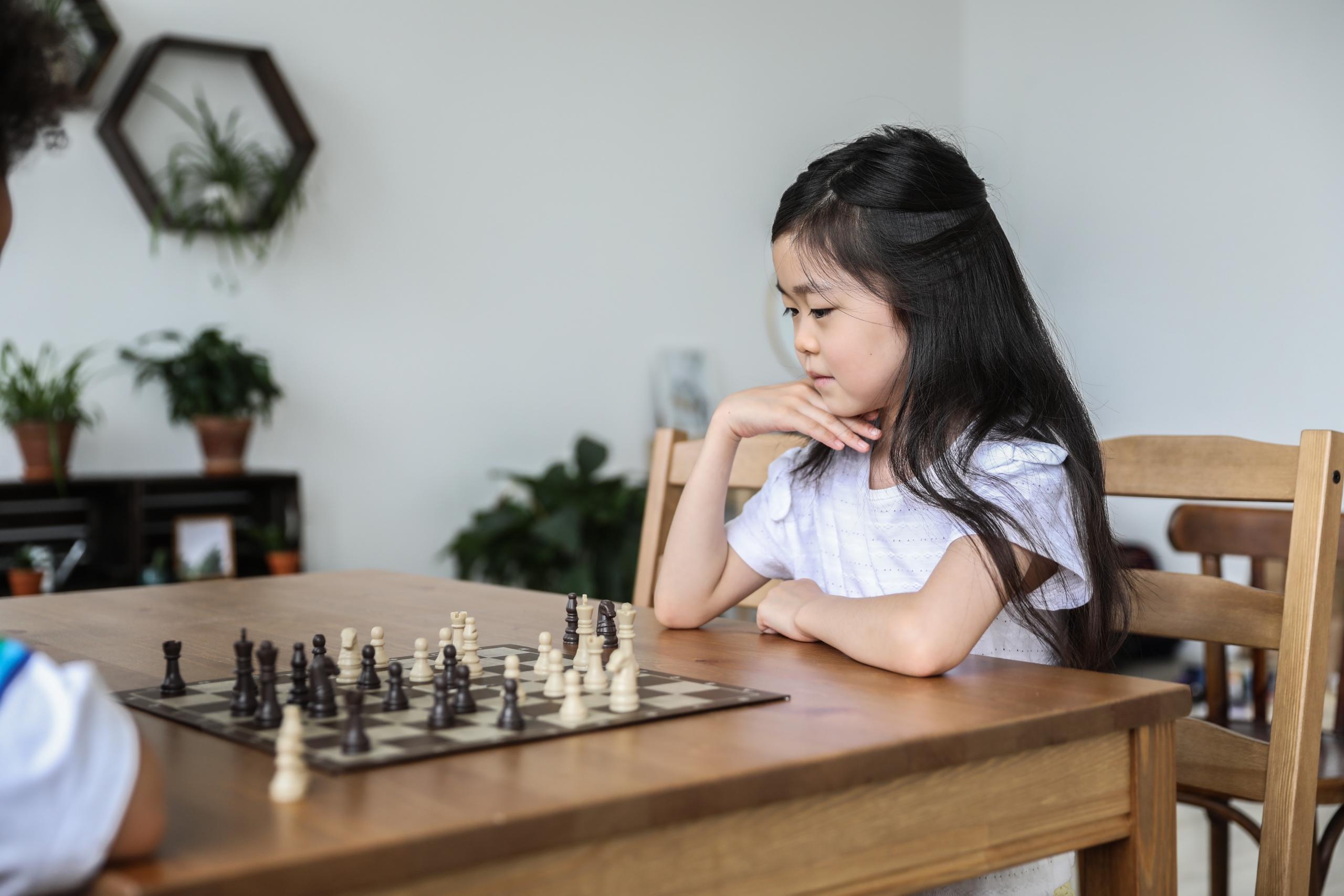
The regular playing of chess develops a number of transferable skills, such as:
- Remaining Composed Under Pressure: a great skill or quality to possess - when all around you, things are going crazy and you’re able to remain cool, calm and collected. This is one of the great skills that chess hones in players, by getting them to anticipate their opponent’s next move and considering their responses in advance. Displaying panic or anxiety could be interpreted a sign of weakness by your opponent.
- Being patient: while you may wish to have a chess strategy to win fast, most chess matches last far longer than three or four moves, some ending only after 40 moves. Thus, in chess, patience is necessary as you consider your strategy and carefully execute your plan during a match. It is important to play in a very considered way, as carelessness and impatience can see you losing matches.
- Sportsmanship: one of the greatest take-aways from a game such as chess, is that you learn that you win some and that you lose some. You cannot be victorious in every game; even the world’s top players do not win every game that they play. This helps you to accept defeat graciously and not to become boastful or proud when you triumph over your opponent – admirable real-life qualities!
While we could continue to wax lyrical about the many other skills that chess develops the more you play it, the above-mentioned skills are universally admired.
Are these the only abilities which are developed through chess? Definitely not! Because chess is a game of strategic thinking and planning, we will now look at how these abilities are enhanced in the sub-headings which follow.
Aside from these recorded below, chess also greatly influences the ability of maths learners to solve problems and impacts positively on their logical thinking.
What Makes Chess a Game of Strategy?
Chess is a game that is well-known as a game which involves strategy. Strategy is used from the start of the game to its end and, to improve, players continually need to develop their ability to think strategically and execute their game plan, or strategy, effectively.
To be successful at winning chess games, an unbeatable chess strategy, or at least one which is better than your current opponent’s, is vital.
So, what then is chess strategy?

Chess strategy is that feature of chess play where a player evaluates his or her position in the game and sets goals for future moves or plays. To be successful at this, the player must take the following into account:
- The total value of the pieces currently on the board,
- The overall pawn structure,
- The king’s safety,
- The position of the different pieces,
- The domination of groups of squares and key squares.
If an experienced player pays close attention to these aspects of the game, he or she will neutralise his or her opponent’s expertise and easily dominate the game.
Chess strategy differs somewhat from chess tactics which, in the main, simply pay attention to the movement of chess pieces across the board and don’t pay much mind to permanent positions which are put in place through strategy.
Yes, it would be great to have an unbeatable chess strategy. However, it is important to state that, no-one is born with the ability to strategise and that chess strategy is developed through many hours of practice, over a long period of time. Yes, the game of chess continually involves strategy and someone who thinks strategically, is in a great position to deal with any challenges thrown at him or her in the game, but, also, in real-life!
Through the employment of strategy, you will try to pre-empt your opponent’s future plays and ensure that they don’t derail your end-game.
To make yourself better at strategy, it is vital to know the basics of chess: how specific pieces can be employed, each in a unique way. Also, paying attention to and having knowledge of strategic moves in critical parts of the game, will separate you from your counterparts and mark you as a strategic player of note.
What are the Planning Features of Chess?
Planning in chess, just like the core feature of strategy, includes preparation and the anticipation of what may happen next. Planning and strategy are synonymous, since you cannot have the one without the other.
The plan, which a player has, can be compared to a set of inter-related moves on the chess board, like a chain of events. In a game of chess, where you have two expert players pitting their skills, know that each has a plan which he or she wishes to put into place. How each goes about implementing his or her plan is dependent on the very first move of the game and the response thereto. Having a plan saves time and energy, as each move, as well as its possible repercussion, has been thought of in advance.
A plan is, thus, put into action once a player or his or her opponent has initiated a move, the new scenario has been evaluated and a response contemplated.
A good opponent may figure out what your game-plan is and do everything to disrupt its implementation.
You must, therefore, be flexible, think on your feet and have in your toolbox a plan B. As in day-to-day living, you never know what may be thrown at you and, so, it’s important to have a back-up plan.
Planning in chess is vital, since your opponent will also have a plan which you have to counter. Your strategy should always be to keep him or her on the back-foot, never sure of what your next move may be. Always ensure that your plan is realistic and that you have the ability to implement it.
When designing a plan, there is a sequence of four steps (an algorithm, if you will) which can be utilised:
- Appraise the situation,
- Craft a plan informed by your frank evaluation,
- Think about what your opponent may be contemplating and decide on your response,
- Modify your plan to adjust to the current circumstances.
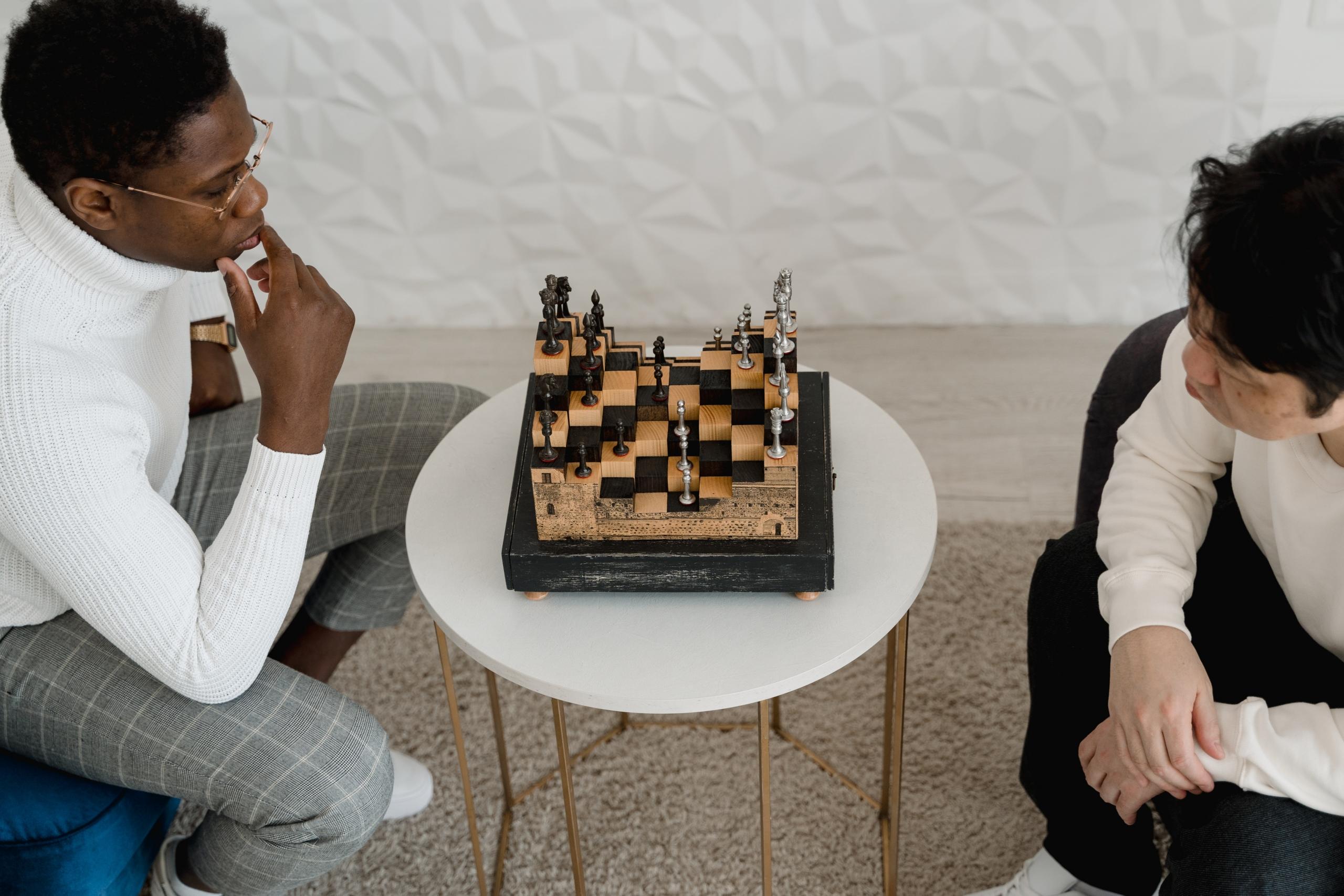
For further help with the design and development of plans, go online and study games previously played and the positions taken by various expert players.
Pointers to Grasp the Basics of Chess from the Outset
Before rushing headlong into your first encounter, it would be good to note some tips and words of advice from seasoned players. Here are two pieces of advice which may make your first forays comfortable and enjoyable.
Play Every Day
The oft-repeated phrase ‘practice makes perfect’ comes to mind. The more often you play against yourself, a computer or a partner, the better you will become. You will achieve wonderful growth in your chess-playing ability if you were to dedicate between 20 and 30 minutes to daily practice.
Memorise Moves
Everyone wants a chess strategy to win fast - however, knowing the basics of chess, i.e. how each piece is allowed to move, is fundamental to learning to play, designing a game-plan and playing strategically. This knowledge will enable you to open effectively and develop your middle game so that you can end the game victorious!
To conclude, read as much as you can about the game and find out more about planning and strategy. These elements do not come naturally to everyone and, so, if you dedicate the time to practise daily and learn from previous players, you can set yourself up to become a strategic player of note! Check it out, mate!
Summarise with AI:
Enjoyed this article? Leave a rating!

 Loading...
