

If you are embarking on a journey into tai chi, one of the most important decisions you will make is choosing the right instructor. If you have ever searched for tai chi classes near me, then you know that any internet search can feel quite overwhelming. But, across South Africa, interest in mindful movement is growing steadily. From Cape Town’s coastal suburbs like Sea Point to Johannesburg’s green spaces in Emmarentia, more people are enrolling in Tai Chi classes than ever before.

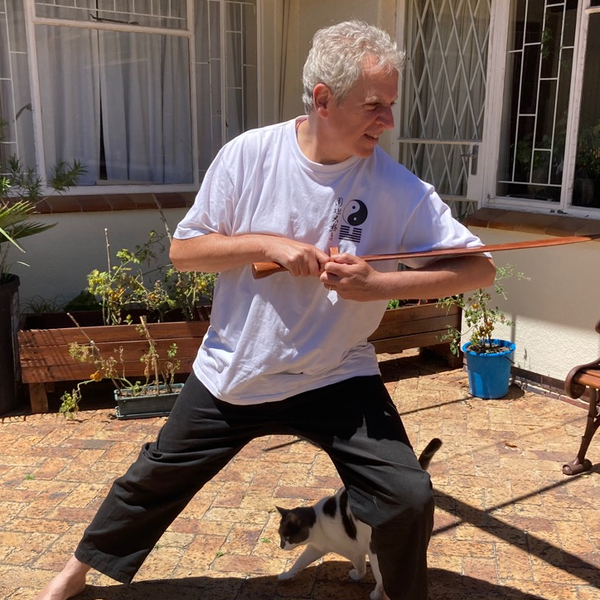


Tai Chi Has Benefits for Everyone
If you want to focus on balance, relaxation, and long-term wellbeing, then this could be the activity for you. Of course, the key is to find tai chi instructors to suit your level, budget and goals.
Because there is no single national body regulating the practice, it’s worth noting that tai chi instructors come from a variety of training backgrounds. This means you need to take a little time to consider your options before committing to tai chi lessons.
The good news is that, regardless of which corner of South Africa you are in, experienced tai chi teachers who are passionate about guiding beginners are possible to find. Not only that, with their support, you could quickly find your rhythm and confidence.
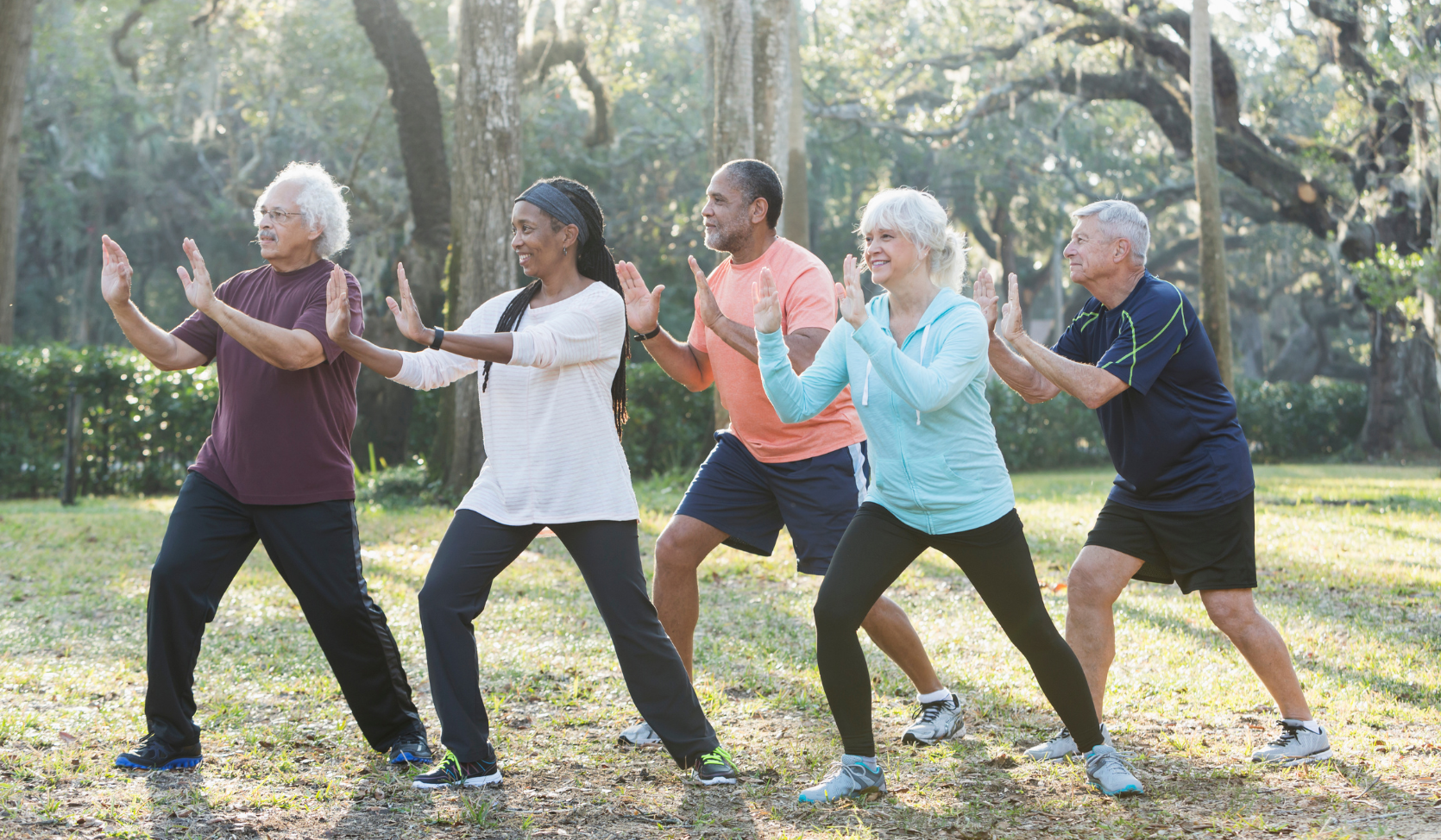
And if you are still exploring the basics, don’t miss our article which explores what tai chi is, as it offers helpful context that could help you to narrow your search for tai chi classes.
Types of Tai Chi Available in South Africa
Before you commit to any class, it helps to understand the types of tai chi classes you are likely to come across. As you compare them, bear in mind that while the core principles remain the same, the style and focus can differ.
Yang style is the most widely practised form in South Africa. You’ll find that many tai chi instructors favour this approach because it is slow, fluid, and accessible for beginners.
In fact, most entry level tai chi lessons are based on Yang style, particularly in community centres and wellness studios. In these sessions, you’ll notice that tai chi teachers prioritise posture and breathing.
Chen style is less common but still present in larger cities. If you are based in Johannesburg or Cape Town, you’ll find that some specialised tai chi classes include both slow and fast movements.
Interestingly, because of its intensity, not all tai chi instructors recommend it for beginners, so it is always worth asking a few questions before joining a class.
Consider the Martial Arts vs Wellness Focus
As you explore local tai chi options, you will also notice a distinction between martial and wellness based teaching.
In short, wellness focused tai chi classes emphasise relaxation and gentle movement, while martial classes explore applications rooted in self-defence. You could also find tai chi teachers who are able to offer a blend of which could be helpful depending on your goals.
To see how these options play out locally, don’t miss our review of places to practise tai chi in SA which highlights venues offering different types of tai chi lessons.
How to Search Tai Chi Classes Near Me
Once you know what style suits you, the next step is finding the right environment because your search for tai chi classes near me can lead you to several types of spaces.
Martial Arts Academies
In areas like Parkhurst and Randburg, martial arts schools offer structured tai chi classes alongside Kung Fu and other disciplines. These are often led by experienced instructors with strong traditional training.
This setting is ideal if you are interested in the roots of the practice and want structured tai chi lessons.
Community Centres
Community halls in suburbs such as Claremont or Durban North are a great place to start. Here, you will find that tai chi classes are usually relaxed and welcoming, making them especially suitable for beginners.
Private Wellness Studios
Wellness studios, especially in bigger cities like Cape Town and Johannesburg are increasingly offer tai chi lessons as part of their programmes. In these environments classes are generally quieter and more focused on mindfulness.
Here, teachers often integrate breathing techniques and gentle flow into their teaching.
Online Platforms
Online platforms have made it easier than ever to search tai chi classes near me, even if you happen to live outside a major city. For instance, platforms like Superprof allow you to compare tai chi teachers and book personalised sessions.
Tai Chi Instructor Qualifications: What to Look For
Remember that quality of instruction can vary which is why it is important to know what to look for when choosing between tai chi lessons. Here are a few tips to keep in mind.
While newbies can certainly help, it is helpful to look out for instructors who have trained consistently over several years. This is especially important if you want to move beyond beginner tai chi classes.
Many reputable tai chi teachers have trained under recognised masters. In your search, remember that this lineage can give you confidence in the quality of your tai chi lessons.
Some instructors are linked to international organisations or martial arts federations. While not essential, this can help you during your comparison exercise.
Remember that every instructor brings a different approach. Some focus on flow and relaxation, while others emphasise structure and discipline. In the end, the best approach is the one that aligns with your personal goals and budget.
Costs of Tai Chi Lessons in South Africa
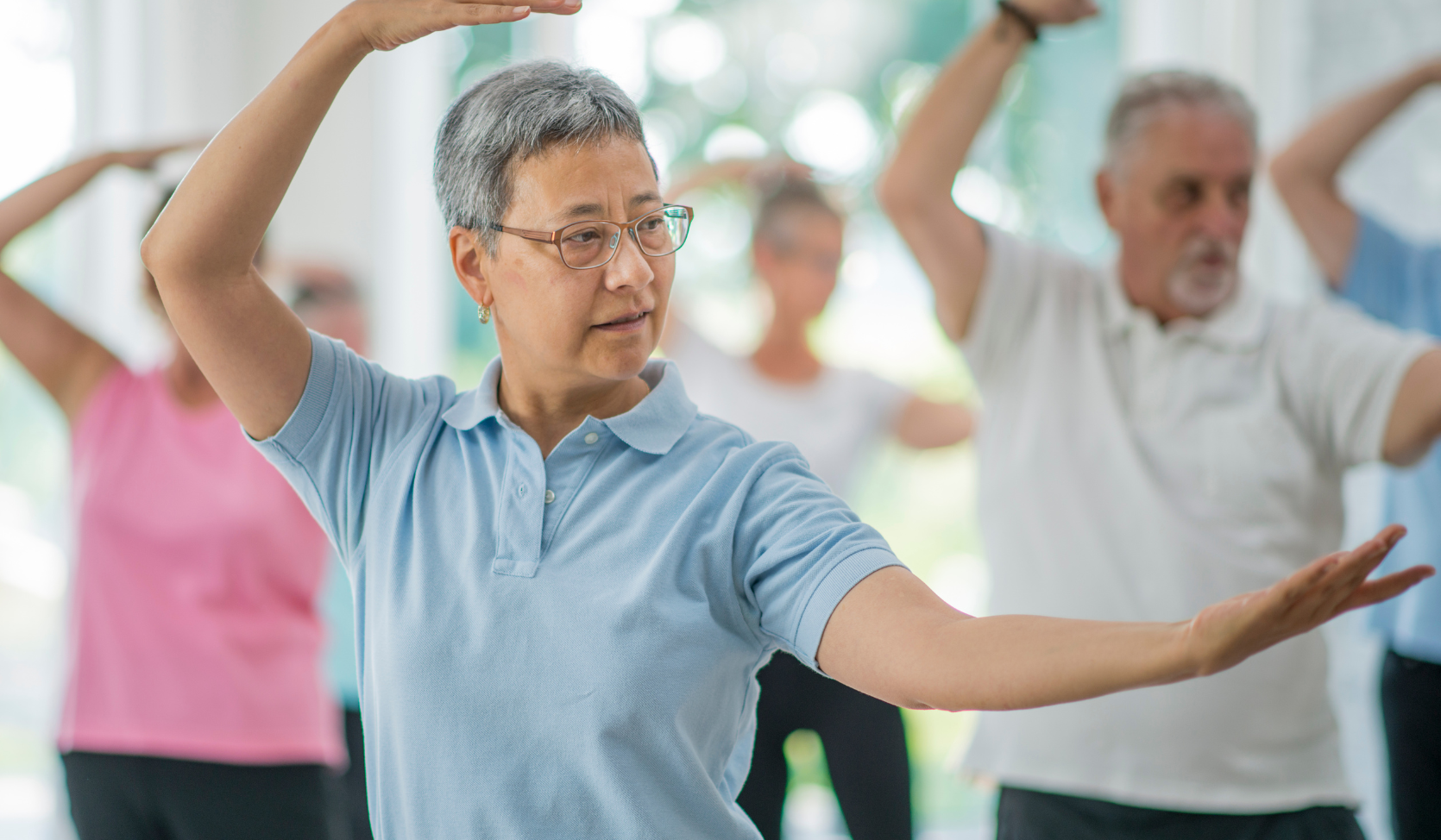
As you compare classes, you will notice that pricing varies depending on location and format.
General Cost Guideline
Group classes at community centres are usually the most affordable.
Private lessons offer one on one attention and are typically priced higher.
Workshops led by experienced teachers may vary depending on the venue.
Remember that costs differ by city and studio. For example, instructors in central Cape Town are likely to charge higher prices than those in smaller towns.
Rather than focusing only on price, it is worth considering the value of consistent, high quality instruction.
Questions to Ask Before Joining Tai Chi Classes
Before committing to any programme, it is helpful to take a moment to think about a few important questions that are worth asking.
Key Questions
These questions will not only give you clarity, but also help you avoid joining a class that does not suit your needs.
Bringing It All Together
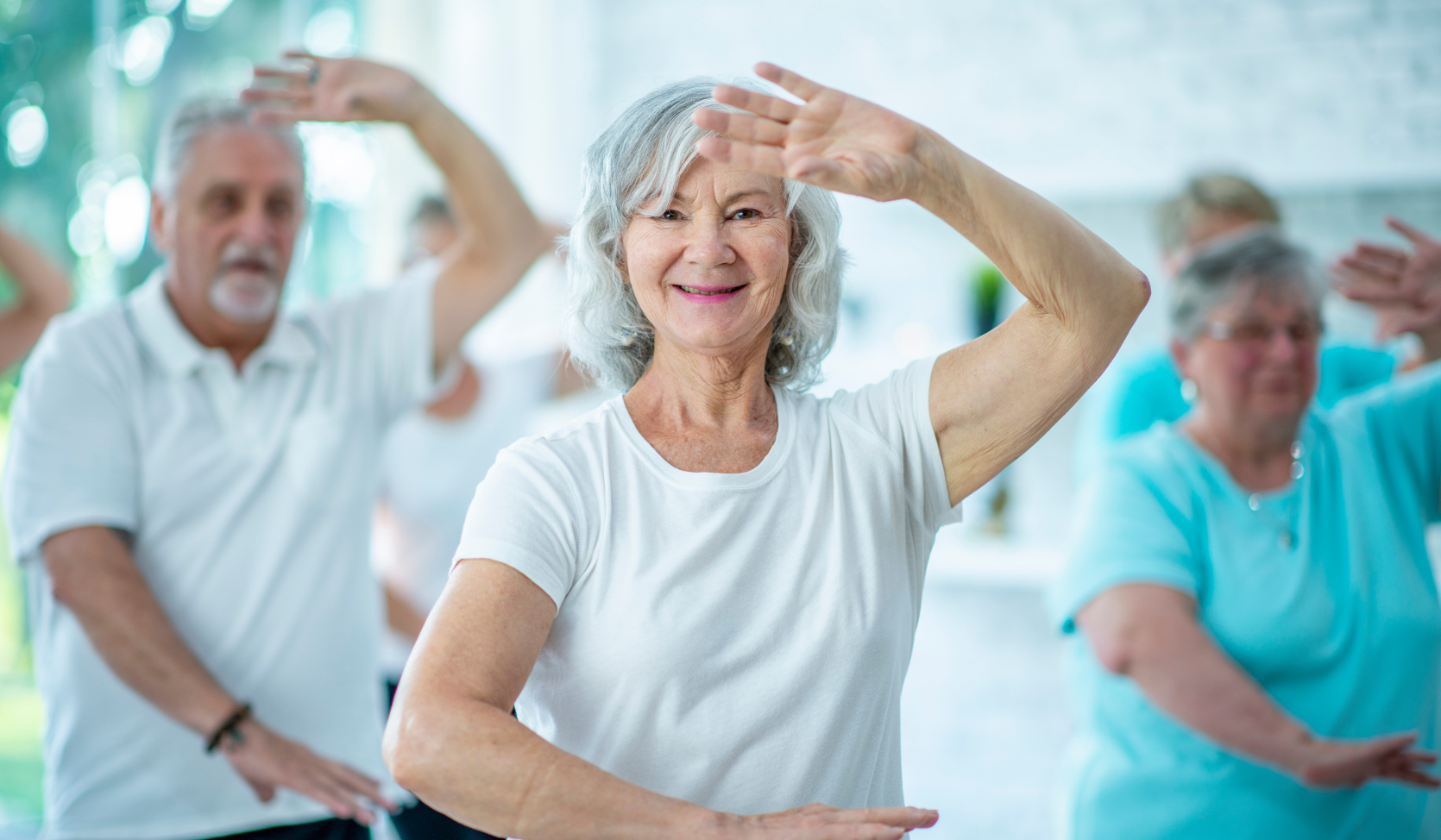
Having the right coaches and tutors for any activity is under-rated, however this could not be truer in the case of any tai chijourney because finding the right instructor is the foundation of your tai chi journey.
As you explore this growing community, ask yourself whether it is community or personalised one-on-one sessions that are most important to you.
Having the right instructor will make all the difference to your pace and confidence over time because the right teacher will understand both the physical and mental aspects of your practice.
As you continue, you may find it helpful to check out the article in this series which explores how tai chi complements the South African lifestyle, showing how these practices fit naturally into your daily routine.
Cultural Relevance and Growing Popularity in South Africa
Tai chi’s steady rise in South Africa is closely linked to a broader shift towards holistic health and preventative wellness. In urban centres such as Johannesburg, Cape Town and Durban, many people are seeking alternatives to high-impact fitness routines, particularly those that can be sustained over time without placing strain on the body. Tai Chi fits neatly into this space because it offers a low-impact yet highly effective way to improve mobility, reduce stress, and enhance overall quality of life.
In the South African context, tai chi also appeals to a wide demographic range. Older adults are often drawn to its gentle nature and proven benefits for balance and fall prevention, while younger professionals appreciate its ability to counteract the pressures of fast-paced city living. In addition, outdoor group sessions held in public parks have become increasingly popular, allowing participants to connect not only with the practice but also with their local communities.
Another factor contributing to its growth is accessibility. Unlike some fitness disciplines that require specialised equipment or expensive memberships, tai chi can be practised almost anywhere. This makes it particularly suitable for South Africa’s diverse socio-economic landscape, where affordability and convenience are key considerations.
As awareness continues to grow, more instructors are adapting their teaching styles to suit local needs, incorporating elements such as guided relaxation and breathing techniques that resonate with South Africans seeking both physical and mental wellbeing.
As you invest the time and effort to find the right support and guidance for your tai chi journey, have faith that it will lead to wellbeing and longevity for many years to come.
Summarise with AI:
Enjoyed this article? Leave a rating!

 Loading...