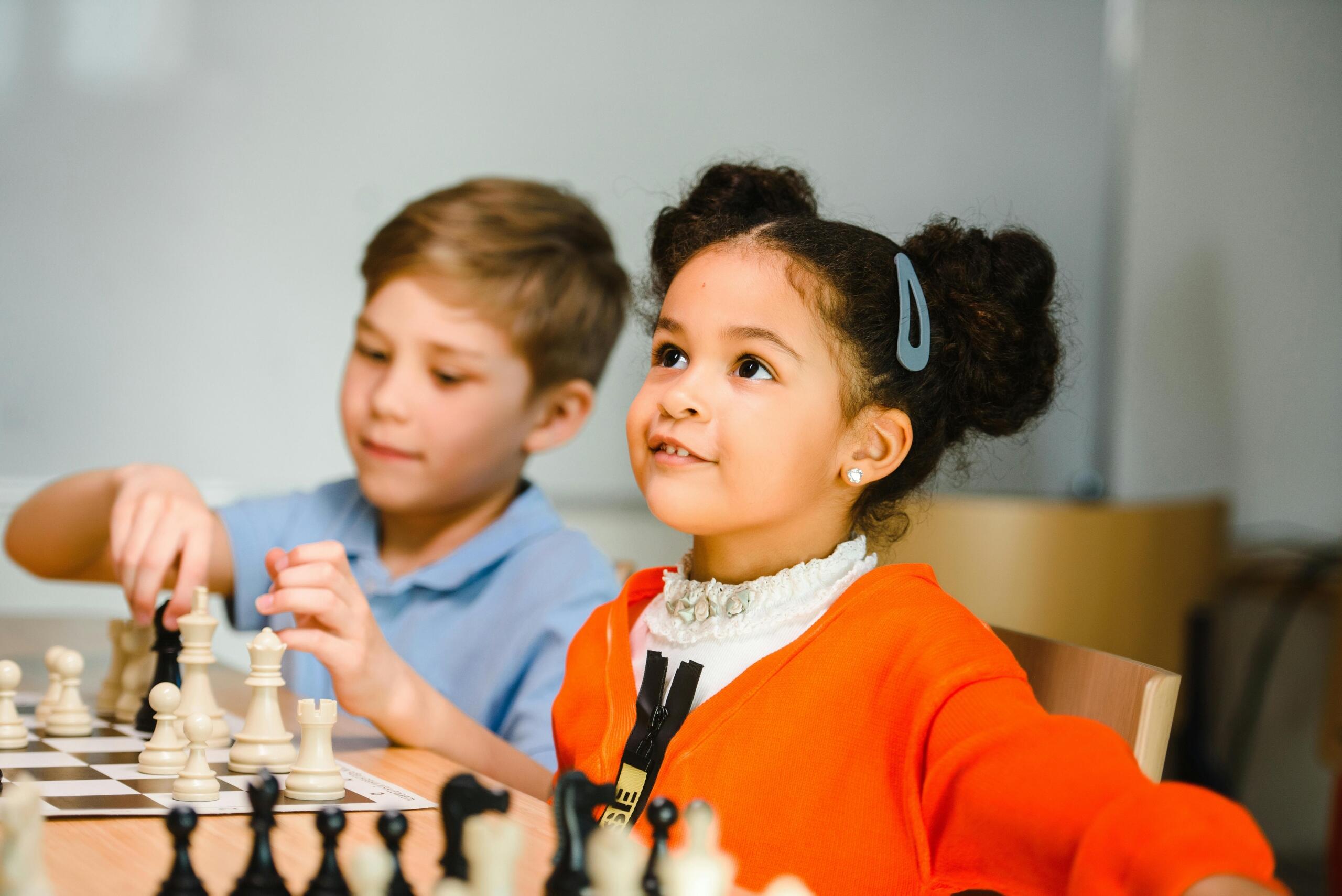

When you think about school life, it is easy to picture classrooms, homework, and exam timetables. Yet some of the most transformative learning moments happen in quieter spaces, often after the last bell has rung. All over South Africa, clubs and societies are some of the ways that learners can dive into opportunities, explore ideas, test opinions, and discover passions beyond the formal curriculum. These spaces play a vital role in extracurricular development, especially in helping young people grow intellectually, socially, and emotionally. But not only that, this is learning that can make an impact for life.
At some point, you may find yourself asking about the importance of extracurricular activities, especially when academic pressure feels intense. The answer here lies in how children learn best.
Tell me and I forget. Teach me and I remember. Involve me and I learn.
Benjamin Franklin


Understanding Clubs and Societies in Schools
In schools, clubs and societies are organised groups that meet outside formal lesson time to explore shared academic or intellectual interests.
These might include:
Science clubs
Maths societies
Debate teams
Writing circles
Chess clubs
Coding groups
While often grouped under extra-mural activities, academic clubs have a distinct role in nurturing curiosity and discipline through discussion, research, and problem-solving.
Learning becomes meaningful, rather than forced, when curiosity is nurtured through choice and interest.
Participation in clubs supports development because it gives learners a space to:
Learning happens but differently.
Stimulating Intellectual Curiosity
It’s no secret that curiosity thrives when learners are given permission to explore ideas freely.
Academic clubs encourage questioning, analysis, and reflection, all of which are essential to developing critical thinking skills. Whether a learner is debating ethical dilemmas, solving mathematical puzzles, or analysing literature, activities like this have a way of gaining knowledge that sticks.
For parents who see the tangible benefits, the importance of extracurricular activities is obvious. When they notice how motivated their children become through voluntary learning, encouragement usually follows. Remember that within clubs, learners are not working for marks alone, rather, they are developing confidence in their thinking, which also supports the intellectual development of a child across all subjects.
Academic Clubs and Critical Thinking
One thing is certain: the invaluable skill of critical thinking is not taught through memorisation. Rather, it develops through discussion, challenge, and reflection. Here, clubs related to science, mathematics, and humanities, for instance, provide learners with opportunities to test theories, defend viewpoints, and evaluate evidence.

Unlike traditional lessons, these environments encourage experimentation and dialogue, which strengthen the intellectual development of a child.
Through structured extra-mural activities, learners learn to reason logically and communicate clearly.
These experiences form a key part of extracurricular development, especially for learners who enjoy intellectual challenge but may not thrive in competitive classroom environments.
The Role of Competitions and Events
Academic competitions and interschool events also play an important role in motivating learners. From urban centres like Johannesburg and Pretoria to smaller towns and rural districts, these could be Olympiads, debate tournaments, or quiz competitions all of which are common across South African schools.
While these events recognise effort and achievement, they also reinforce the importance of extracurricular activities as spaces where excellence is celebrated.
Healthy competition also supports resilience, problem solving, and teamwork, all of which contribute to the intellectual development of a child.

Examples of Popular Academic Clubs
It is common for many schools across the country to offer strong academic societies. For instance, science clubs at schools in areas such as Centurion and Stellenbosch often participate in national science expos, while debate societies in Durban and Cape Town regularly engage in regional competitions that sharpen public speaking and analytical skills.
These clubs, which form part of many schools’ broader extra-mural activities, show how extracurricular development can be tailored to students' strengths and interests without losing academic focus.
Case Study: Tshwane University of Technology
It’s always good to look at an example of how things play out in real life and the Tshwane University of Technology is a good case in point. Here, research examined how students’ perceptions of extracurricular involvement influenced academic performance. Drawing on data available through repository.nwu.ac.za, the study found that students who participated in academic clubs reported improved time management, stronger engagement with coursework, and increased motivation.
The findings highlight the importance of extracurricular activities in supporting academic success. Participation encouraged collaboration, confidence, and deeper learning, which reinforces the role of clubs in the intellectual development of a child from school through tertiary education.
Supporting Different Learning Styles
Remember that not every learner connects through sport or performance, but academic clubs provide alternative spaces for learners who enjoy thinking, writing, and analysis. This variety reinforces the importance of extracurricular activities in supporting diverse talents.
For learners who thrive in creative spaces, read our article that explores how artistic expression complements intellectual growth. Together, these options support holistic extracurricular development.
The Role of Sport and Structured Activity
While academic clubs focus on thinking skills, physical activity remains essential. In the article, The Benefits of Sports for Kids in SA Schools highlights how movement and teamwork build resilience and discipline because when combined with academic clubs, learners benefit from balanced extra-mural activities that support body and mind.
Understanding how to manage extra mural activities across different interests ensures that participation remains enriching rather than overwhelming.
Balancing Academics and Participation
In a world where learners are already under so much pressure in an ordinary school day, a common concern for parents is how their children will balance homework, exams, and club involvement. The irony is that learning how to manage extramural activities is an essential life skill about balance that can benefit learners far beyond school.
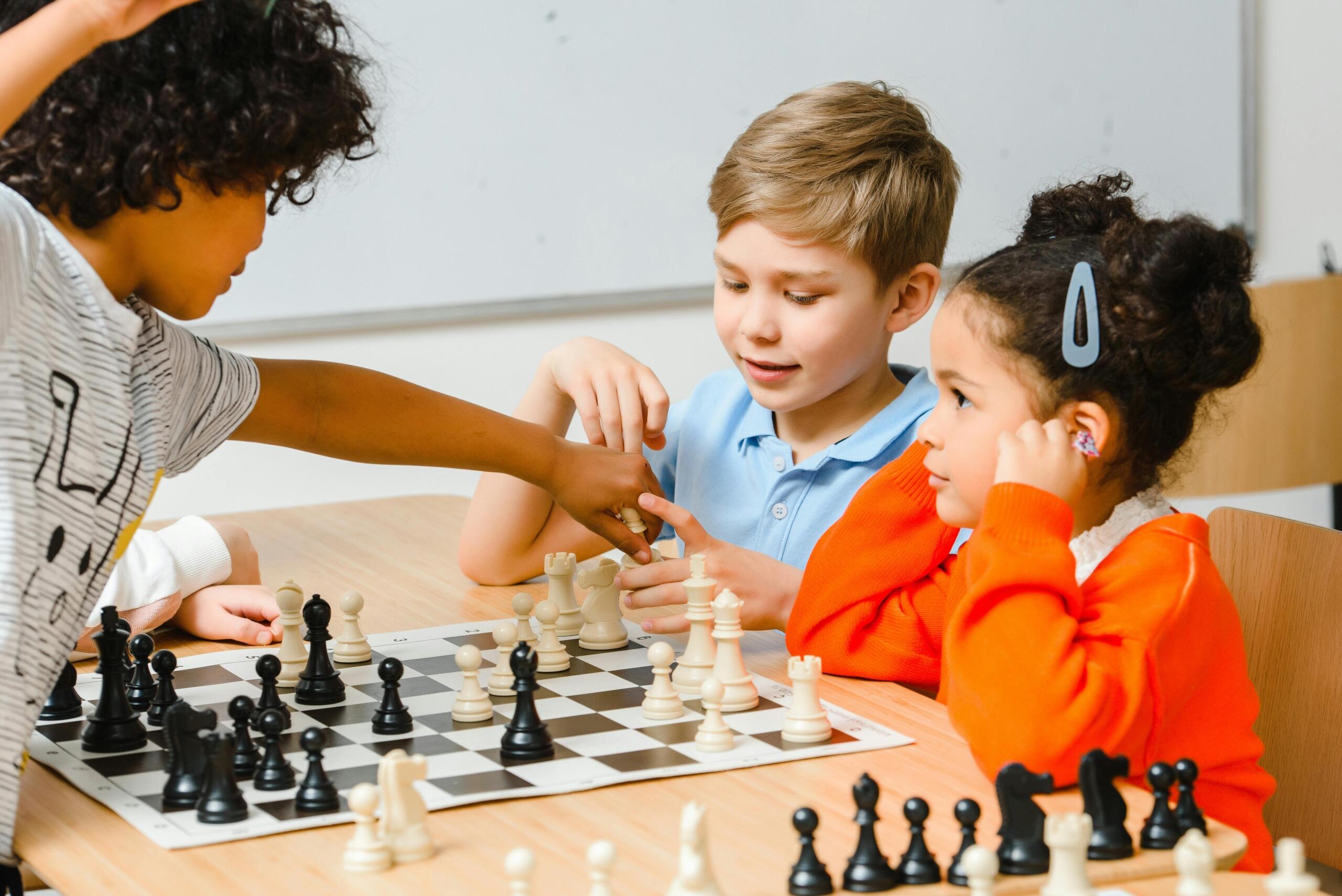
Structured participation teaches planning, responsibility, and prioritisation. Rather than distracting from studies, well-chosen extra-mural activities often enhance focus and discipline. This balance is a cornerstone of effective extracurricular development.
Guidance From Schools and Families
Schools play a key role in creating supportive environments for clubs to thrive. Clear scheduling, committed facilitators, and inclusive participation help learners gain the most from involvement. Families, too, can show support through interest and encouraging balance.
When you understand how to manage extra mural activities, you help learners develop independence and responsibility. This guidance strengthens extracurricular development and prepares learners for future demands.
Clubs, Community, and Social Awareness
Many clubs also engage with social issues, which encourages and teaches learners to apply knowledge responsibly.
Ultimately, these experiences deepen understanding while reinforcing the intellectual development of a child through real world application.
Preparing Learners For the Future
Extracurricular activities are where students discover who they are, not just what they know.
Unknown
Universities and employers increasingly value skills such as critical thinking, collaboration, and initiative. Learners who have participated in academic clubs often demonstrate these qualities with confidence.
The long term intellectual development of a child is shaped not only by what they learn, but by how they learn.
They provide spaces where learners learn to think independently, work collaboratively, and engage meaningfully with the world.
A Holistic Approach to Education
Education is most effective when it supports the whole child. The Role of Extra Mural Activities in Development explores how schools can integrate academic, social and physical programmes to support balanced growth.
By understanding how to manage extra mural activities, and by encouraging thoughtful participation, you help create an environment where learning extends beyond the classroom. In this broader view, extracurricular development becomes not an addition to education, but an essential part of it.
Summarise with AI:
Enjoyed this article? Leave a rating!

 Loading...