
If we can master a bit of drawing, everything else is possible. Alberto Giacometti
Most people have wonderful thoughts about drawing as it tends to bring up nostalgic childhood memories. One only needs to think back to the cartoons of early childhood which made a lasting impression on most of us to feel the urge to draw. But, how long does it take to learn how to draw?
In this article, we will answer two questions:
Is it easy to learn how to draw?
How long does it take to learn to draw?
You will also find out the best methods to learn to draw step by step and easy drawing ideas to get you started.
Want to give private lessons?
Join the Superprof community and share your knowledge with inquiring and motivated students.
Keep it Simple
Drawing can be a pleasurable, calming, and liberating pursuit.
Although we are usually introduced to drawing during childhood, some individuals opt to pursue it throughout their adult lives and hone their skills with each passing day. Engaging in drawing provides an opportunity for growth and refinement of techniques, as some artists strive to enhance their craft while others find that consistent practice naturally improves their ability to draw.
As you can tell, answering the question of how long does it take to learn to draw, depends on you. Good advice is to keep it simple and try to learn to draw one step at a time.
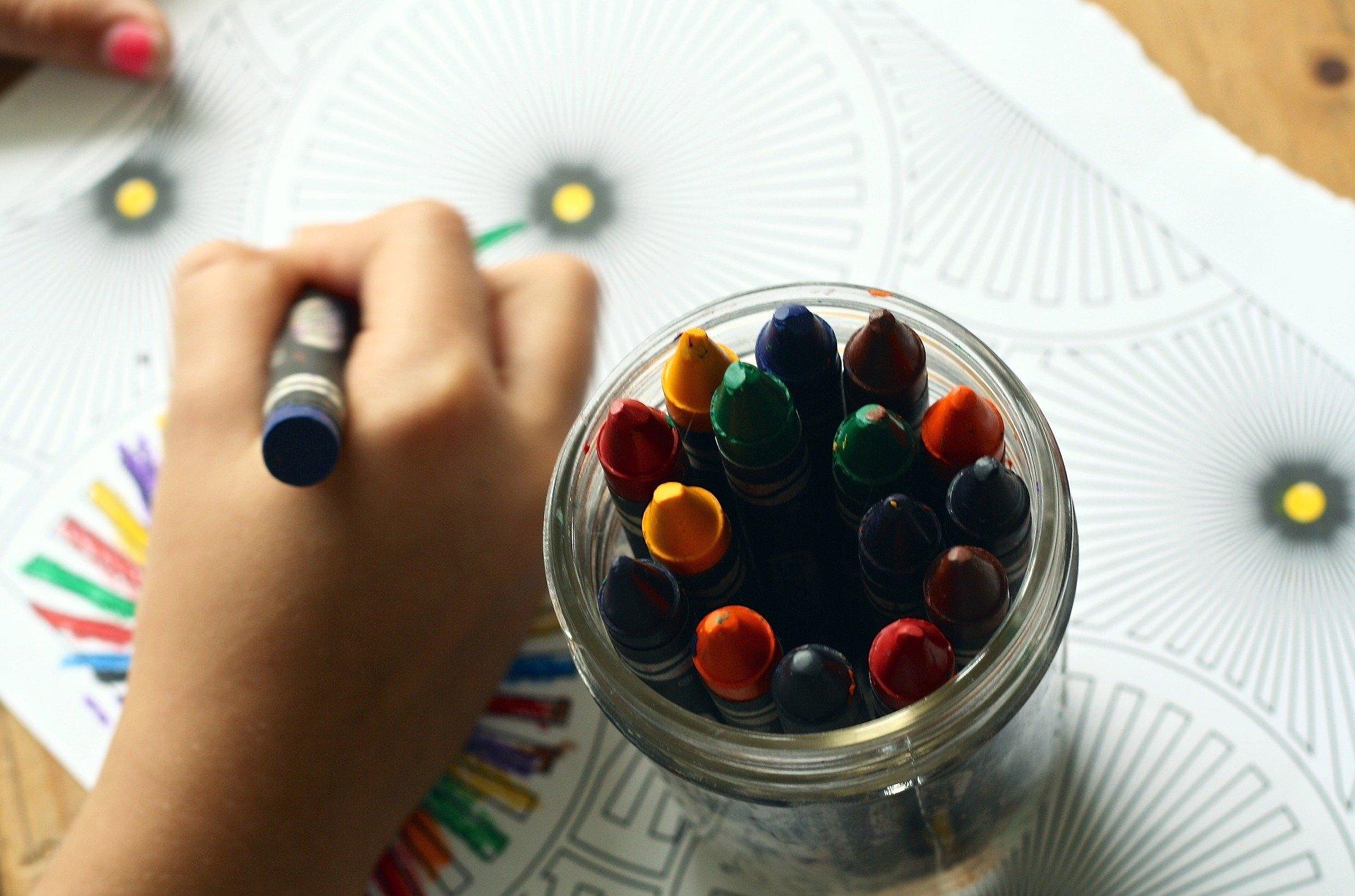
Individuals who draw regularly for enjoyment may not necessarily be striving to enhance their skills, but progress can still be observed.
On the other hand, some artists actively work towards improving their craft for various reasons. For instance, students may aim to assemble portfolios and complete projects to earn high grades, while others may intend to sell their artwork or create meaningful gifts for loved ones.
Progress requires time and effort regardless of the reason for wanting to improve one's drawings. It is advisable to draw frequently, ideally daily. While various materials such as pencils, pens, and crayons can be used for drawing, mastery of different mediums also requires practice. Being proficient in drawing with a pencil does not necessarily translate to proficiency with pens. Rushing the process is ill-advised, as it can cause one to overlook crucial fundamentals such as colour theory, composition, and perspective.
How Long Does it Take to Learn How to Draw?
Instead of asking how long does it take to learn how to draw, perhaps we should ask, how long do you have to practise?
Essentially, you can make great progress as a beginner if you can practise regularly. Even professional artists improve the more they draw. Practice makes perfect.
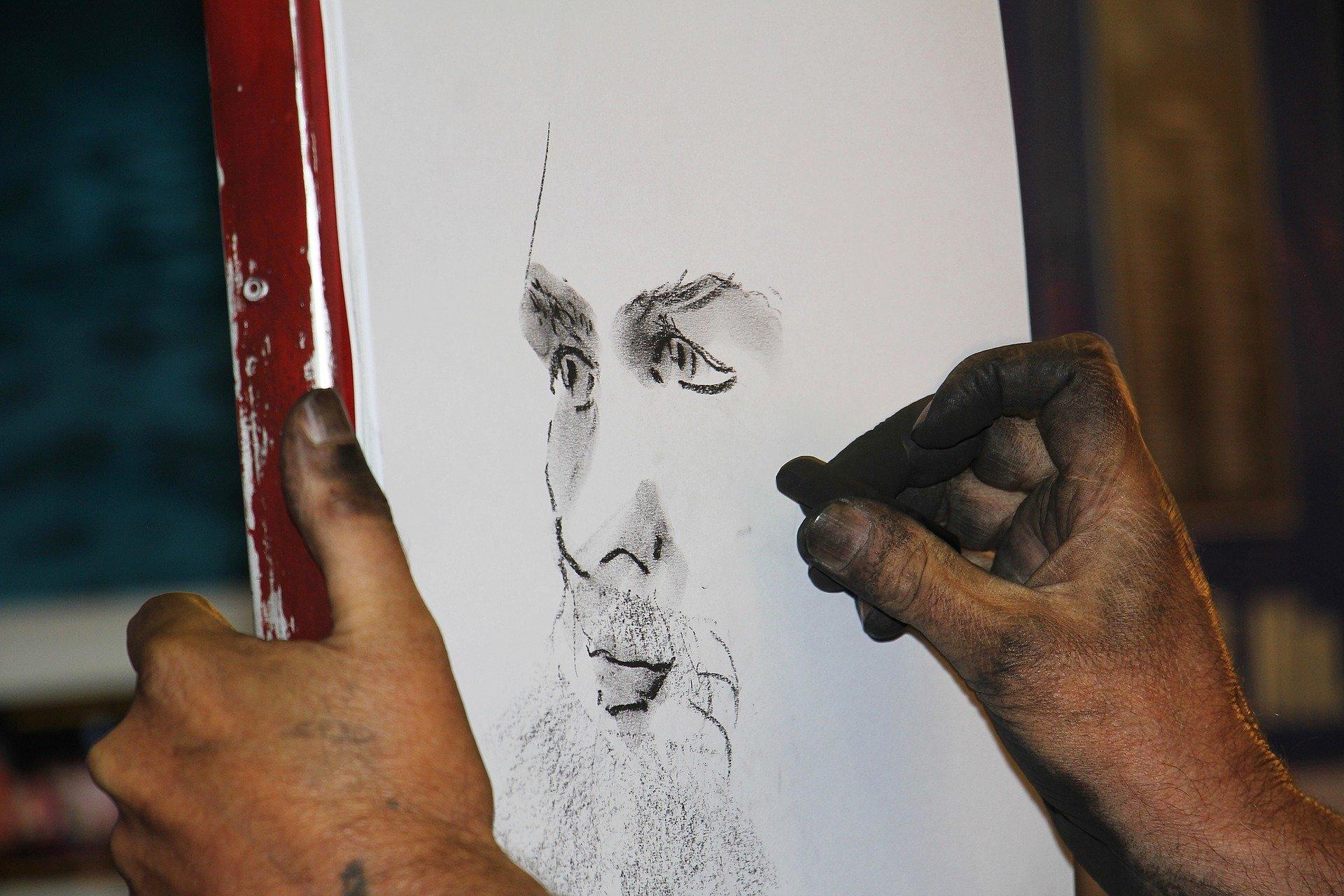
With regular practice, drawing can become a natural and intuitive process through procedural memory development.
Drawing the same landscape or object repeatedly, and trying different styles and techniques, can further enhance one's skills. Engaging in challenges can also aid in improving one's drawing abilities, such as Inktober, where artists are required to draw something every day throughout October, with each day having a designated theme.
While the recommended time limit for each drawing is three hours, spending at least 15 to 30 minutes on each piece is ideal. Many artists participate in Inktober annually, and it can be a motivating factor to draw consistently and improve. In addition to the official list of themes published each year, some artists also create their lists for followers to use. Other challenges, such as weekly drawing lists, can be found and followed throughout the year.
Want to give private lessons?
Join the Superprof community and share your knowledge with inquiring and motivated students.
Is it Easy to Learn How to Draw?
Perhaps the question should rather read, how long does it take to learn to draw without motivation?
Motivation is crucial for learning how to draw, as it is closely tied to consistent practice. Without practice, motivation can wane, and without motivation, the practice may never happen.
Establishing why you want to improve your drawing skills and setting regular goals to stay motivated are important. For example, if you aim to fill a sketchbook with drawings, begin by creating a list of everything you want to include and then work towards each goal incrementally. Start with simple and affordable options such as still life, landscapes, or animals, and use available resources to improve your skills.
With each drawing session, you can achieve smaller goals to progress towards your overall objective. Keeping your goals in mind will help maintain motivation and eventually fill your sketchbook with drawings.
Motivation Aside: Is it Easy to Learn How to Draw?
This is difficult to answer as some people find certain things easier to grasp than others. At the same time, drawing is not necessarily an innate skill and it is possible to learn to draw step by step. The trick is to find those steps and easy drawing ideas to get you started.
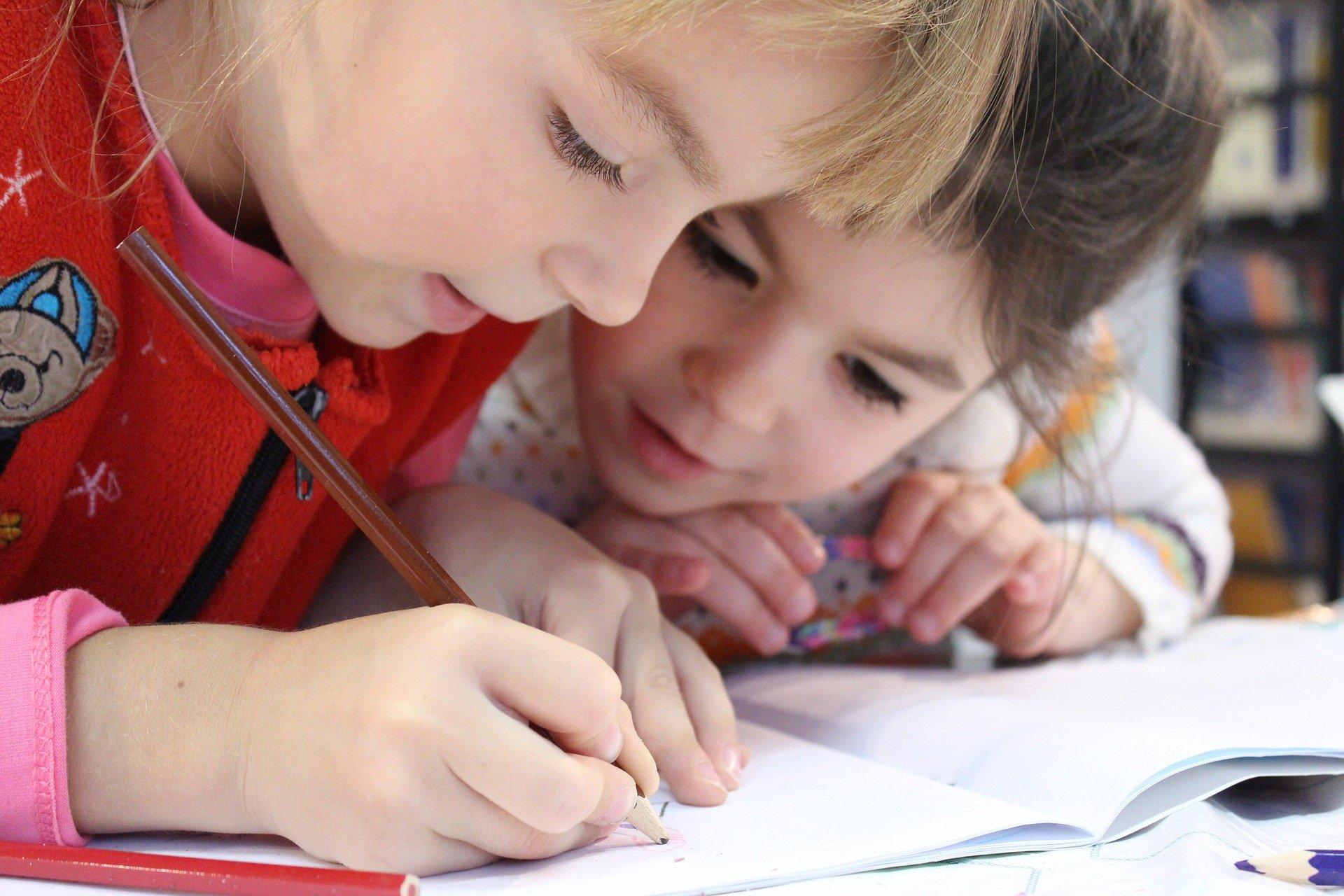
This is difficult to answer as some people find certain things easier to grasp than others. At the same time, drawing is not necessarily an innate skill and it is possible to learn to draw step by step. The trick is to find those steps and easy drawing ideas to get you started.
Natural talent can be deceiving, as even the most gifted artists have likely spent countless hours practising and developing their skills. Even if they did not take formal classes, they may have studied and learned in their way. Patience is also essential for drawing, as those who are willing to spend hours refining their work are often the ones who see the greatest improvement. So, improving one's skills is not just about natural talent, but also about the consistent effort and dedication that goes with it. Without patience, learning how to draw can be intimidating, but not if you find support on a platform like Superprof.
Tools and Easy Drawing Ideas to Get Started
Just like any other skill, drawing requires the right tools. To start, it's important to learn the basics of drawing, either through taking a class or self-study. Once you have a solid foundation, you can participate in challenges such as Inktober or make drawing a regular habit. Keeping track of your progress can also be helpful, particularly if you have specific goals you want to achieve within a certain timeframe. Creating a schedule can keep you accountable and help you reach your objectives. Don't be afraid to share your work with others and seek constructive feedback. Some artists are happy to offer tips and advice on how to improve. However, if feedback is unhelpful or mean-spirited, it's best to ignore it. Social media can be a helpful tool for sharing your work, but use it at your own risk.
Easy Drawing Ideas to Self-Teach
Drawing can be self-taught by watching YouTube videos or going through books that teach drawing.
Teaching yourself to draw can be a great way to improve your skills, as you have control over the syllabus and can schedule lessons at times that suit you best. With a self-teaching approach, you can choose the video tutorials or subjects that interest you the most and learn at your own pace. There are plenty of online resources available, such as Domestika, which offers courses taught by professionals on various artistic skills, including drawing.
However, a drawback of teaching yourself is that you may not have access to instant feedback from a teacher or mentor, which can be important for some learners. Constructive feedback is essential for identifying areas of improvement and ensuring that you are on the right track to achieving your goals. While online communities and forums can provide feedback, it may not always be as reliable or helpful as having a private drawing tutor.
Overall, self-teaching can be a viable option for improving your drawing skills, but it's important to be self-motivated, disciplined, and persistent. It may also be beneficial to seek feedback from other artists or join a local drawing group to get more constructive feedback and learn from others.
How Long Does it Take to Learn to Draw with a Teacher?
Having the right teacher can greatly accelerate the learning process, especially in the case of learning how to draw. A teacher can ensure that you learn the fundamentals correctly, saving you a lot of time in the long run. They can also quickly provide solutions to problems that you may encounter while learning to draw, thanks to their experience. Additionally, an art or drawing teacher can create a structured course tailored to your needs, especially if you're learning with a private tutor. Regular art classes are another great way to learn new skills and techniques. If you're interested in getting help from a tutor, consider looking for one on the Superprof website, which has many talented and experienced tutors for a variety of academic subjects and hobbies, including drawing. You can choose between face-to-face, online, and group tuition, but be sure to carefully consider the pros and cons of each option and your budget. Many Superprof tutors also offer a free first hour of tutoring, allowing you how to try out multiple tutors before deciding which one is right for you. For more drawing lessons, check out the selection of online lessons available on Superprof.
Want to give private lessons?
Join the Superprof community and share your knowledge with inquiring and motivated students.
Summarise with AI:
Enjoyed this article? Leave a rating!

 Loading...