
South Korea, officially known as the Republic of Korea, is a vibrant and modern country located in East Asia. Known for its rich cultural heritage, technological advancements, and delicious cuisine, South Korea has become a popular destination for tourists from all over the world.
South Korea is renowned for its K-Pop music, which has gained immense popularity worldwide in recent years. The country is home to some of the biggest K-Pop bands, such as BTS, Blackpink, and EXO, who have captured the hearts of millions of fans around the world with their catchy tunes and captivating performances.
Another aspect that South Korea is famous for is its technology. South Korea is home to some of the largest technology companies in the world, such as Samsung, LG, and Hyundai, which have contributed significantly to the country's economic growth.
In addition to K-Pop and technology, South Korean culture and traditions are also famous for their delicious cuisine. Korean food is known for its unique flavours and healthy ingredients, and it has become increasingly popular worldwide. Some of the most popular Korean dishes include kimchi, bulgogi, bibimbap, and Korean fried chicken.
In this article, we will explore South Korean cultural facts in more detail as well as less obvious things to know about Korean culture.
From its rich cultural heritage to its modern technology and delicious cuisine, if you are planning to work, study or visit this fascinating country then keep reading to find out South Korean culture facts to help you. Top of Form
Want to give private lessons?
Join the Superprof community and share your knowledge with inquiring and motivated students.
Unique Korean Culture Facts: The Ageing System
Koreans have a unique way of calculating their age that is different from the Western age system. In Korea, everyone is considered to be one year old at birth and their age increases by one year on January 1st, regardless of their actual date of birth. This means that a person born on December 31st would turn two years old the very next day on January 1st, according to the Korean age system.
Additionally, Koreans often use both the Korean age system and the Western age system, depending on the context. For example, when speaking Korean, people usually refer to their Korean age, while in international contexts, they may use their Western age to avoid confusion.
The Korean age system is deeply rooted in Korean culture and is believed to have originated from the ancient East Asian practice of counting a person's age as "one" at birth and adding a year to each Lunar New Year.
The ageing system is one of those significant Korean cultural facts.
Food and South Korean Culture
South Korean cuisine, also known as Hansik, is a delicious and healthy culinary tradition that is an important part of South Korean culture. Famous for its bold and spicy flavours, Korean cuisine is also known for its use of fresh, seasonal ingredients.
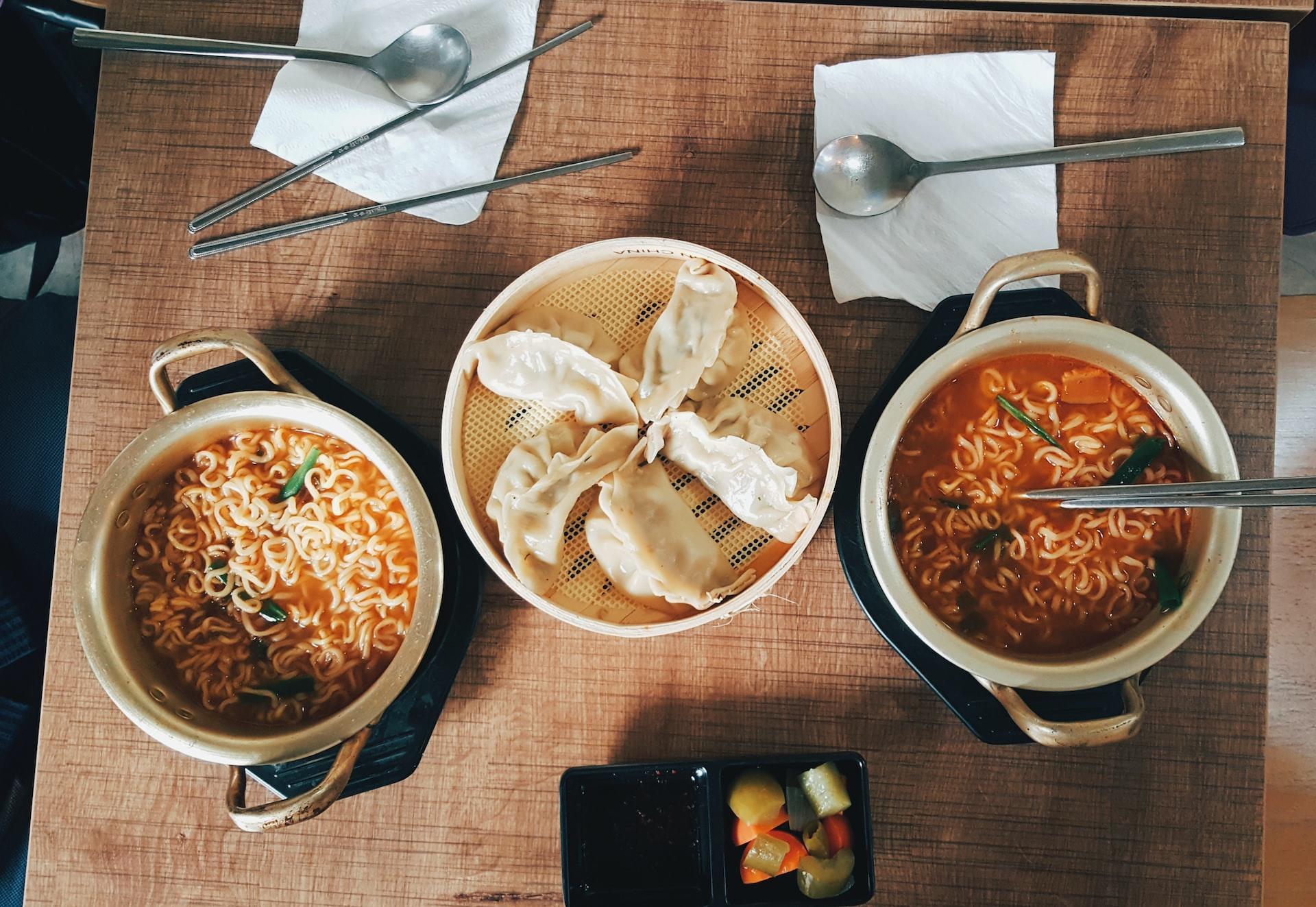
One of the defining features of Korean cuisine is the importance placed on balance and harmony. Korean dishes are carefully crafted to balance flavours, textures, and colours to create a harmonious and satisfying meal. This is achieved through the use of a variety of ingredients, including vegetables, meat, seafood, grains, and fermented foods.
One of the most famous Korean dishes is kimchi, a spicy and tangy fermented cabbage dish that is a staple of the Korean diet. Kimchi is not only delicious, but it is also incredibly healthy due to its high fibre, vitamin, and probiotic content. Other popular Korean dishes include bibimbap, a colourful bowl of rice, vegetables, and meat or tofu, and bulgogi, a savoury grilled beef dish that is marinated in a sweet and savoury sauce.
South Korean cuisine is also known for its use of sauces and condiments, which add depth and complexity to the flavours of dishes. One of the most popular condiments is gochujang, a fermented chilli paste that is used in a wide variety of dishes, from stews to marinades. Another popular condiment is doenjang, a fermented soybean paste that is used to make soups and stews.
In addition to its savoury dishes, Korean cuisine also features a wide variety of sweets and desserts. One of the most famous Korean desserts is bingsu, a shaved ice dessert that is topped with a variety of sweet toppings, such as fruit, condensed milk, and red bean paste.
South Korean cuisine has become increasingly popular around the world, with Korean restaurants and food trucks popping up in cities across the globe. Korean cuisine has also been recognised by UNESCO as an Intangible Cultural Heritage of Humanity, further highlighting its importance and cultural significance. Whether you're a fan of spicy foods or have a sweet tooth, South Korean cuisine has something for everyone to enjoy.
In fact, be warned, most Korean cuisine is on the spicy side and this is just one of those things to know about Korean culture!
Want to give private lessons?
Join the Superprof community and share your knowledge with inquiring and motivated students.
See South Korean Culture Through Films
South Korea has a vibrant and dynamic film culture that has gained international recognition in recent years. The South Korean film industry, commonly referred to as "Hallyuwood", has produced a wide range of films, from action-packed thrillers to heart-warming dramas and romantic comedies.
One of the defining characteristics of South Korean cinema is its emphasis on storytelling and character development. South Korean films often delve into complex themes and explore the human condition, creating a rich and nuanced viewing experience.
In recent years, South Korean films have gained a significant following outside of Korea, with movies like Parasite and Train to Busan receiving critical acclaim and commercial success around the world. This success has led to increased attention and interest in Korean cinema, with more people seeking out and discovering the unique and engaging stories that it has to offer.
The South Korean film industry has also fostered a strong community of filmmakers, actors, and fans who are passionate about the craft of filmmaking. Film festivals like the Busan International Film Festival provide a platform for up-and-coming filmmakers to showcase their work and connect with industry professionals.
Overall, the South Korean film culture is a vibrant and exciting part of Korean society that continues to evolve and grow, showcasing the creativity and talent of its filmmakers to audiences around the world.
Whether you like action-packed films or romantic dramas, you should check out Korean films for many things to know about Korean culture.
Korean Culture Facts: Music and Idols
The Korean pop and music scene, commonly known as K-Pop, has exploded in popularity over the past decade, becoming a global phenomenon with fans from all over the world. K-Pop has also contributed to the Korean wave, or Hallyu, a term used to describe the global popularity of Korean culture. K-Pop is known for its catchy melodies, colourful music videos, and high-energy dance routines.
Hallyu might be exploding, and even though not everyone likes to read subtitles when it comes to movies, music is somehow universal. So even though Hallyu is in Korean, as long as the harmonies are heavenly and the beat is strong, listeners can still enjoy this important part of Korean culture and traditions.
When it comes to things to know about Korean culture, the country’s entertainment sector has hit on a winning formula. Not only do they deliver top bands, but also many music festivals too.

Famous People and South Korean Culture Facts
When it comes to things to know about Korean culture, it is very interesting to note the Forbes magazine list called the South Korean Top 40 which ranks the most famous people in the country according to their Korean culture and traditions including who is the most charitable.
In addition, it looked at who works the hardest and has the best reputation. Simply, the list is well aligned with South African Korean culture facts which encourage good deeds over wealth creation. The Forbes list includes athletes, actors, and singers all of whom are icons in Korean culture and traditions.
Of course, not everyone makes the list.
Take Lee Jun-ho or Park Hyung-sik for example, both can dance, sing and act in dramas making them international ambassadors. Even though they have not made the Forbes list, it probably doesn’t matter much when they are focused on their craft and international renown.
So who did make the list?
You can expect popular celebrities like Lee Seung-gi and Park Seo-joon to be on the list.
If you were to bet on future lists, you would not lose any money on Bae Suzy, Son Heung-min (the Tottenham football club forward) or influencer and model Irene Kim. To find out more about Korean famous people, it’s worth taking into account the South Korean culture facts that shape their lives.
Want to give private lessons?
Join the Superprof community and share your knowledge with inquiring and motivated students.
Summarise with AI:
Enjoyed this article? Leave a rating!

 Loading...