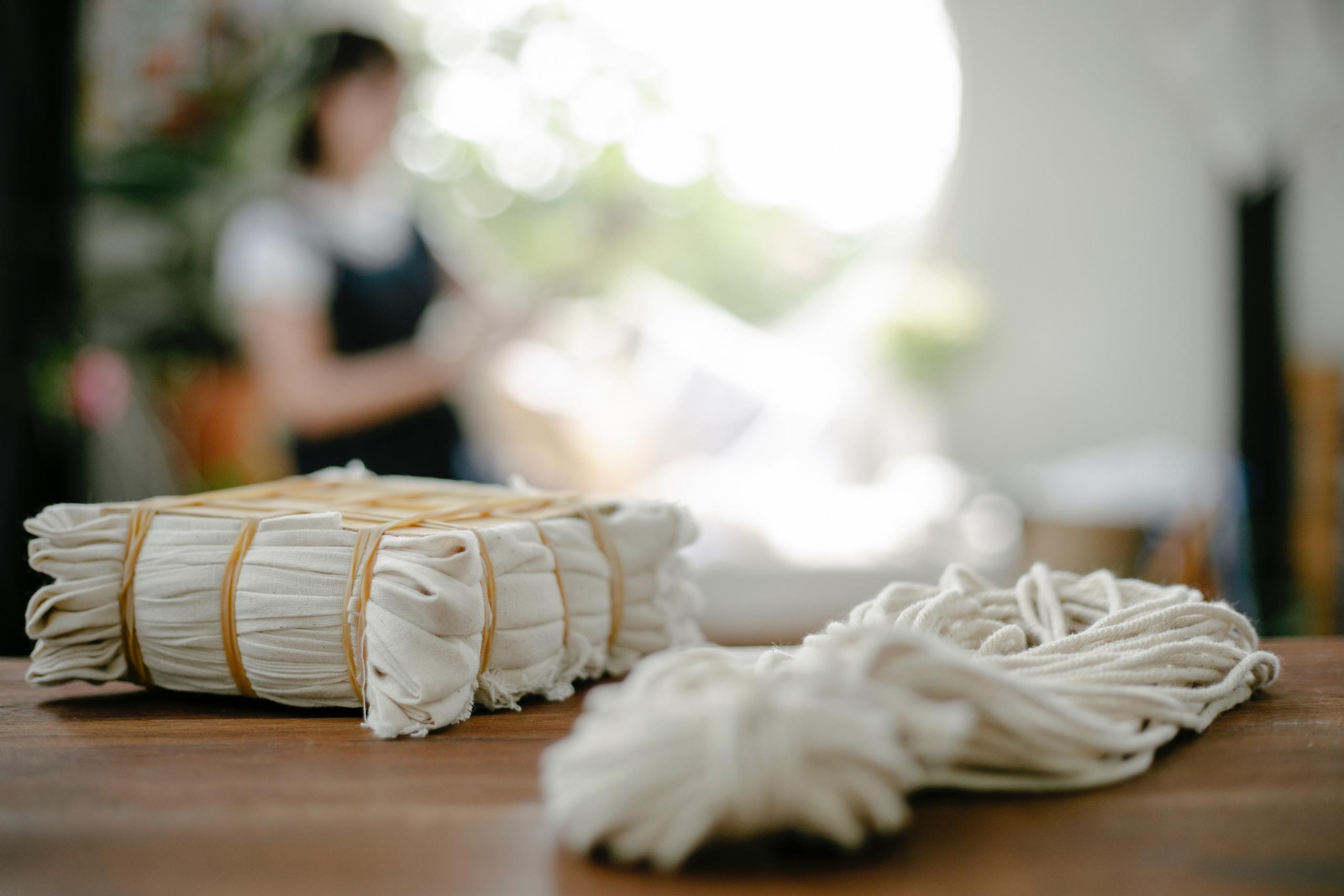

Having gained insight into the ecological consequences of fast fashion and its associated brands, you might be contemplating where to find environmentally-conscious labels in South Africa. You may be wondering what is not fast fashion?
How is it possible to identify brands that uphold ethical practices, prioritise sustainability, and refrain from using fast fashion methods in their production processes?


What is Sustainability in Fashion?
In today's world, the issue of sustainability has gained significant traction. More individuals are striving to minimise their impact on the environment. Whether this involves cutting down on single-use plastic, parting ways with fast fashion, or decreasing reliance on animal products, making the right choices can still be challenging for most consumers.
So, what is sustainability in fashion? A brand is considered ethical and sustainable when:
- It evaluates each stage of its garment production from land usage and textile manufacturing to water consumption, shipping and safe disposal of chemical waste.
- Sustainable fashion also minimises or completely avoids the use of animal-derived materials such as fur, leather, down feathers, exotic animal skins and more.
- Ensuring equitable treatment for its workforce throughout the supply chain is also a hallmark of sustainable fashion. This includes policies related to child labour and the provision of a living wage.
A List of Slow Fashion Brands From South Africa
So what is not fast fashion in South Africa?
- The Joinery: A brand committed to transparency and ethical production, The Joinery creates minimalist clothing using eco-friendly fabrics and local craftsmanship. Their designs are timeless and versatile, promoting a less-is-more approach to fashion.
- Lalesso: Lalesso specialises in vibrant, African-inspired prints using sustainable materials like organic cotton and ethically sourced silk. They collaborate with local artisans, pay fair wages for traditional craftsmanship and contribute to community development.
- Good Clothing: Good Clothing focuses on sustainable basics made from organic cotton and hemp blends. They prioritise ethical labour practices and use low-impact dyes to create a range of comfortable and timeless wardrobe essentials.
- Selfi: Selfi is known for its contemporary sustainable fashion designs and eco-conscious approach. The brand uses eco-friendly materials and practices to craft unique pieces that combine modern aesthetics with sustainability.
- Thula Sindi: Thula Sindi offers elegant and sophisticated garments created with a commitment to sustainable fashion. They prioritize local production, craftsmanship, and quality, resulting in pieces that stand the test of time.
- Smudj: Smudj is a gender-neutral brand that upcycles and repurposes vintage clothing and fabrics into one-of-a-kind creations. Their approach reduces waste and offers a sustainable alternative to fast fashion.
- Margot Molyneux: Margot Molyneux is dedicated to producing timeless, high-quality clothing using sustainable materials. Their designs are characterised by clean lines and simplicity, promoting a more thoughtful and intentional approach to sustainable fashion.
- Sies! Isabelle: This brand combines contemporary fashion with eco-friendly practices. Sies! Isabelle uses sustainable fabrics and aims to reduce waste by creating limited-edition collections that resonate with the modern consumer.
- AKJP Collective: AKJP focuses on innovative designs made with a combination of sustainable and ethically sourced materials. Their commitment to ethical production extends to partnerships with local artisans to support South African craftsmanship.
- Research Unit: Research Unit emphasises slow fashion and sustainable practices. They create limited-edition collections using natural fabrics, organic dyes, and traditional textile techniques, resulting in unique and environmentally friendly pieces.
- Fundudzi by Craig Jacobs: Fundudzi is known for its eco-luxe designs that highlight the importance of environmental conservation. The brand uses sustainable materials and collaborates with local communities to create beautifully crafted, socially conscious fashion.
- Matte Nolim: Matte Nolim offers gender-neutral, sustainable streetwear that challenges conventional fashion norms. They prioritise ethical sourcing and manufacturing that promotes individuality and responsible consumption.
This list is an excellent example of sustainable fashion in South Africa.
What Brands Aren’t Fast Fashion: UK
- Stella McCartney (United Kingdom): A pioneer in luxury sustainable fashion, Stella McCartney offers vegan and eco-friendly designs that align with the brand's cruelty-free philosophy.
- Brothers We Stand: Curating ethical men's clothing with flair in the UK, Brothers We Stand aims to assist you in building a wardrobe of stylish and completely vegan menswear. Catering to sizes from S to XL, their vision aligns with sustainable fashion choices.
- RÆBURN: A pioneering British streetwear label, RÆBURN excels in the art of upcycling. Crafting fashion-forward ensembles for both men and women, the brand transforms military surplus into sharp outfits, often using materials like 1950s Air Force silk maps and Danish military wool blankets. With sizes ranging from XS to 2XL, the brand also offers complimentary repairs, ensuring the longevity of your investment pieces.
- Rapanui: Hailing from the UK, the award-winning eco-fashion brand Rapanui produces surf-inspired garments within a wind-powered facility. From surf towels to hoodies, their offerings cater to post-session warmth. With sizes available in UK sizes 8 to 18, Rapanui combines style with sustainable practices.
- Bower: Established in early 2015, Bower specialises in sustainable swimwear and resort wear. Crafted with a contemporary outlook and a nod to the past, their design-led creations feature luxury Italian fabrics and intricate construction. Partnering with factories in Italy and France, the brand's commitment to sustainability extends to donating 1% of all orders to the Healthy Seas initiative. The range accommodates sizes from XS to XL.
- E.L.V. Denim: E.L.V. Denim breathes new life into discarded denim by crafting modern, sophisticated jean jackets, pants, and accessories. Offering even 'made to measure' options, the brand's creations are available in UK sizes 24 to 32, embodying a commitment to sustainable fashion through innovative design.
- People Tree (United Kingdom): A trailblazer in fair trade fashion, People Tree creates stylish garments with a focus on organic materials and empowering artisans in developing countries.
What Brands Aren’t Fast Fashion: Europe
UK and South Africa aside, what brands aren’t fast fashion in Europe?
- Patagonia (United States, but popular in Europe): Known for its outdoor gear, Patagonia emphasises environmental responsibility through its sustainable materials, fair labour practices, and commitment to activism.
- Veja (France): Veja is celebrated for its ethically produced sneakers made from sustainable materials like organic cotton and wild rubber while advocating for transparency and fair trade practices.
- Nudie Jeans (Sweden): Nudie Jeans is renowned for its transparent denim production, offering repair services and sustainable denim made from organic cotton.
- Kowtow (New Zealand, but popular in Europe): Kowtow, an ethical label with a strong presence in Europe, crafts minimalist clothing using organic and fair trade materials, embracing timeless designs.
- Kings of Indigo (Netherlands): With a commitment to sustainable practices, Kings of Indigo produces denim using organic cotton, innovative technologies, and ethical production methods.
- Armedangels (Germany): Armedangels is a leading sustainable brand offering contemporary fashion made from organic and eco-friendly materials while prioritising transparency and ethical labour practices.
- Lanius (Germany): Lanius is known for elegant and eco-friendly designs that use organic materials, fair trade production, and a focus on versatile pieces.
- Mud Jeans (Netherlands): Mud Jeans operates on a circular economy model, offering lease-based denim and recycling initiatives to reduce the environmental impact of fashion.
- Thinking MU (Spain): Thinking MU combines creativity and sustainability with its organic cotton clothing, vibrant designs, and a commitment to transparent and ethical manufacturing.
- Fjällräven (Sweden): Fjällräven's Kånken backpack, made from recycled plastic bottles, exemplifies the brand's dedication to sustainable innovation and durable outdoor products.
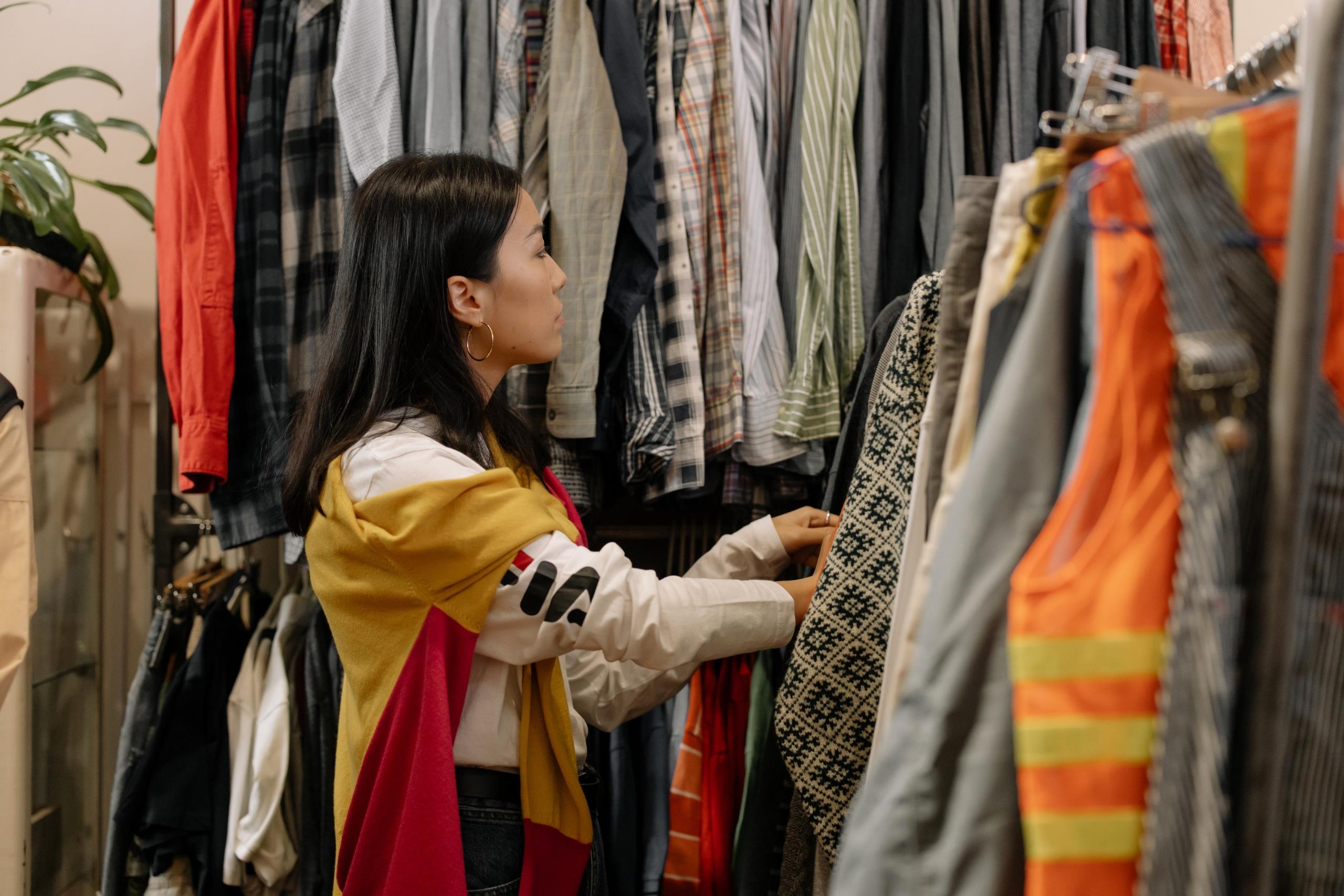
These European ethical and sustainable fashion brands stand out for their commitment to environmental and social responsibility, providing consumers with stylish alternatives that align with conscious consumer values.
Other Non Fast Fashion Brands
If you want to transition to non fast fashion brands, it may not happen overnight given the price point of sustainable fashion. To maintain your dedication, exploring thrift and vintage stores can be a savvy strategy, that yield high-quality pieces that cycle back into fashion at budget-friendly prices.
An alternative approach involves creating your own garments by repurposing items you no longer fancy. If sewing is unfamiliar territory, seek guidance from a tutor to help bring your garment ideas to life. Once you grasp the basics, this newfound skill will prove invaluable.
What is not fast fashion?
Remember, not every garment needs to be fresh off the rack.
Stay steadfast against the allure of cheap, fast-fashion outlets. Another avenue to try is to regularly swap clothes with family and friends. By starting a closet exchange, you could curb excess purchases and prevent the acquisition of items for those one-off occasions.
Embracing ethical clothing principles and supporting slow fashion brands is a vital step towards a more sustainable and just future. By choosing quality over quantity, we safeguard the environment, protect workers' rights, and endorse craftsmanship. Our collective commitment reshapes the fashion landscape, ensures longevity, reduces waste, and promotes conscious consumption. Together, we wield the power to make ethical choices that not only enrich our wardrobes but also contribute to a world where style and responsibility harmoniously coexist.
Does this answer your question about what sustainability in fashion is?
Summarise with AI:
Enjoyed this article? Leave a rating!

 Loading...