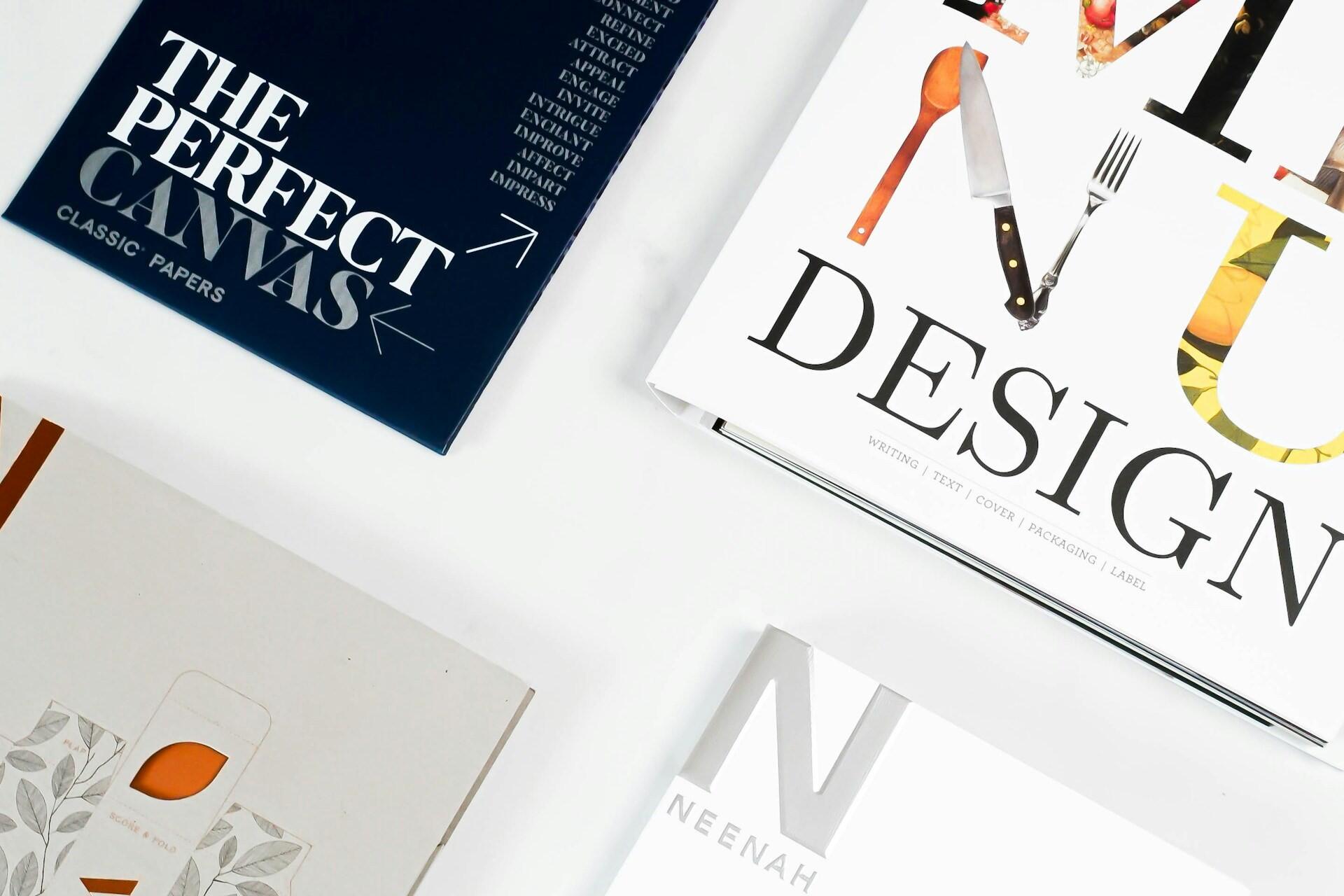

A strong brand identity is what makes businesses look professional, stay recognisable, and build customer trust. For retail brands, identity is what makes everything from logos and websites to product labels, shop displays, social media, and packaging all feel coherent. A brand identity designer is the person behind making all of this work. They create the visual systems that enable brands to interact with customers. This can overlap with packaging, retail design, marketing, and graphic design roles, but the end goal is always to build a consistent and recognisable brand identity. If you have been searching the internet for how to become brand identity designer, this guide has the answers.
Key Takeaways
- Brand identity design creates the visual system that helps customers recognise and understand a business.
- In retail, brand identity often includes packaging, product labels, colour palettes, typography, image style, digital assets, and brand guidelines.
- If you have wondered how to become brand designer - the role can overlap with graphic design, retail design, packaging, marketing, and digital content work.
- Strong designers need creative skill, brand strategy, technical software knowledge, and an understanding of how designs will be used in real-world settings.
- Salaries vary by location, experience, portfolio quality, employer type, and whether the role includes specialist packaging or retail design responsibilities.


What Does a Brand Identity Designer Do?
A search for how to become brand identity designer or how to become brand designer reveals more than just how something looks. A brand identity designer shapes a business's look and feel. They have to understand the company's audience, values, competitors, and goals before turning that strategy into a visual system using graphic design. From there, they can create the visuals and design elements that define the brand, including logos and colour choices, as well as brand guidelines and real-world applications.
A brand identity designer creates the visual language that helps people recognise and remember a brand. This can include logos, typography, colour palettes, image style, packaging, templates, brand guidelines, and the rules that keep everything consistent across products, campaigns, websites, and customer touchpoints.
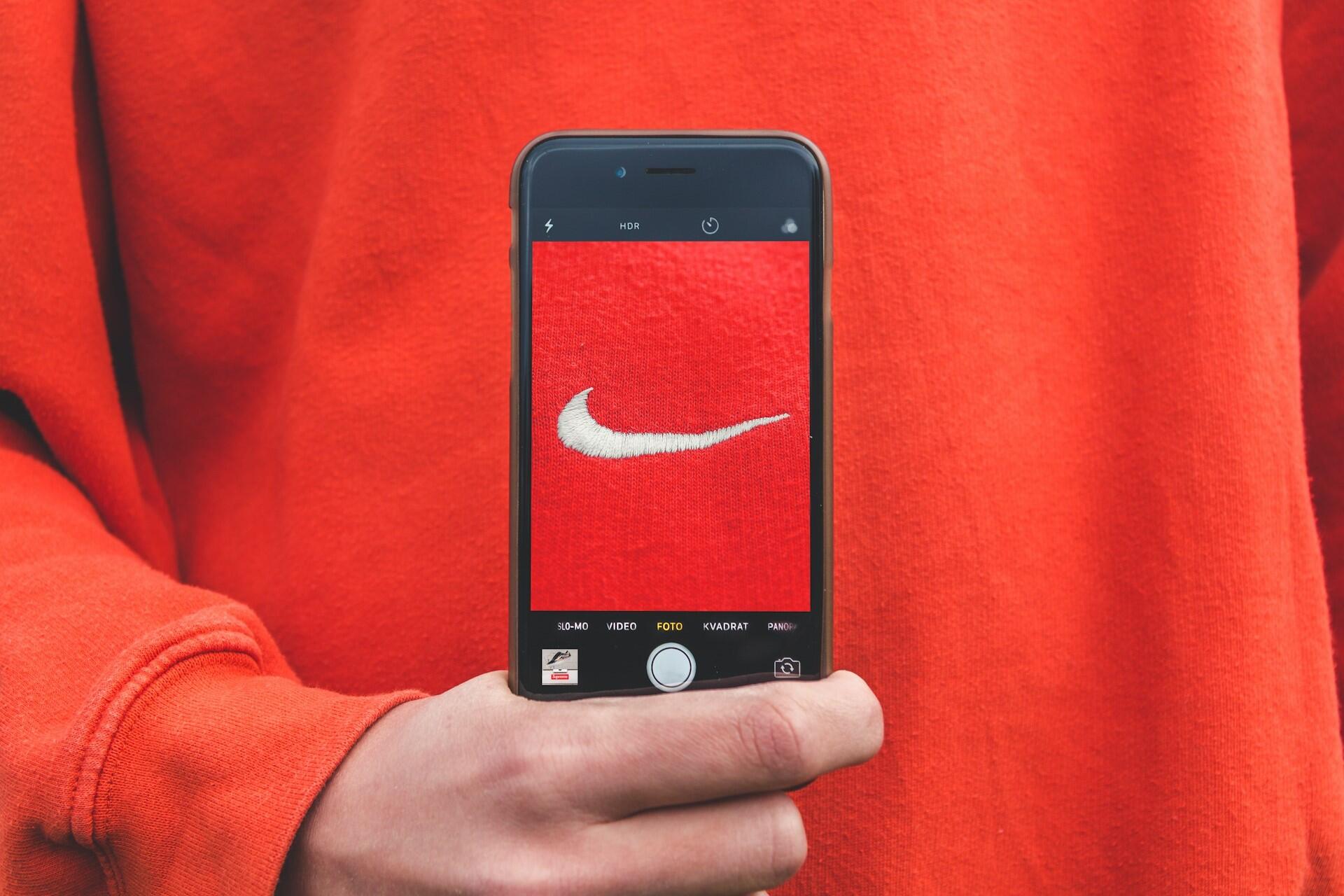
Brand identity designers have a key role in retail. This is because the brand is a practical identifier across different forms. Customers may experience the brand through various touchpoints, such as a shop display, a product label, an advert, an email, or a social media post, where UX design is also key.
Retail brand identity has to communicate fast because customers often compare products in seconds. Strong packaging design makes the brand name, product type, key benefit, and visual personality easy to understand, whether the product is on a shelf, in a window display, or in an online product grid.
Brand identity is more than just appearance. Since brand designers influence how products are presented, how materials are chosen, how packaging is produced, and how clear the final customer experience feels, they can have practical impacts, too. Packaging design combines creativity with commercial and environmental considerations. South African designers may also need to understand Extended Producer Responsibility (EPR) regulations, which require many businesses to take greater responsibility for the packaging they place on the market.
of a product’s environmental impact is determined at the design stage.
Key Responsibilities of a Brand Identity Designer
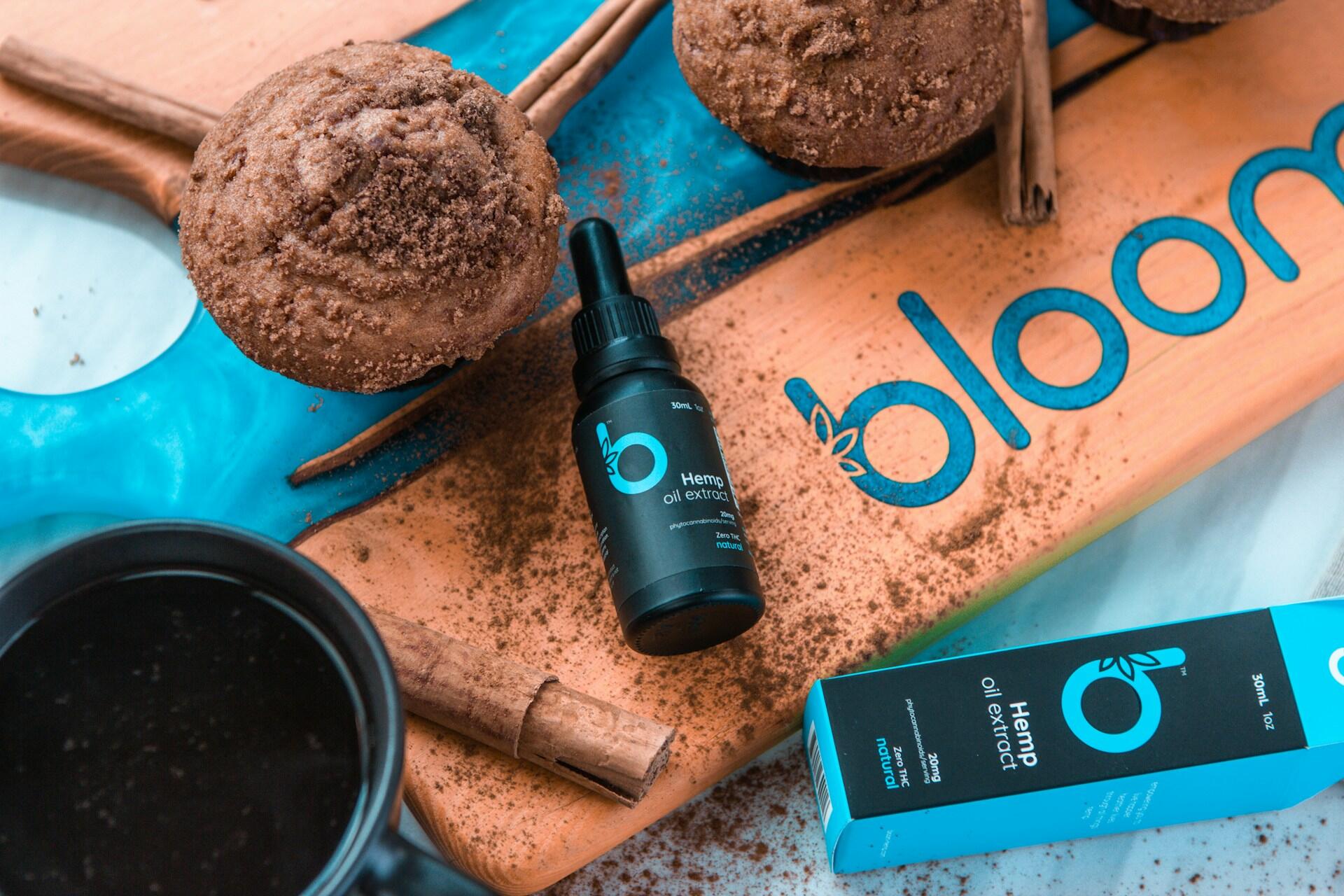
Brand identity designers will have different responsibilities depending on where they work. Projects can differ, too, with some building brands from scratch or others refreshing an existing brand's identity. You'll see that the role often overlaps with packaging designer, product packaging designer, motion graphics designer, and graphic designer, as packaging design brings together graphics, typography, structure, materials, and product presentation.³
A packaging designer turns brand identity into something customers can see, hold, compare, and buy. This work can include labels, boxes, bottles, bags, materials, finishes, print files, dielines, and shelf-ready visuals that make a product look clear, attractive, and credible. Designers also need to think about how packaging materials perform after use, especially as South Africa's Extended Producer Responsibility (EPR) regulations place greater emphasis on designing packaging that can be reused, recycled or recovered.
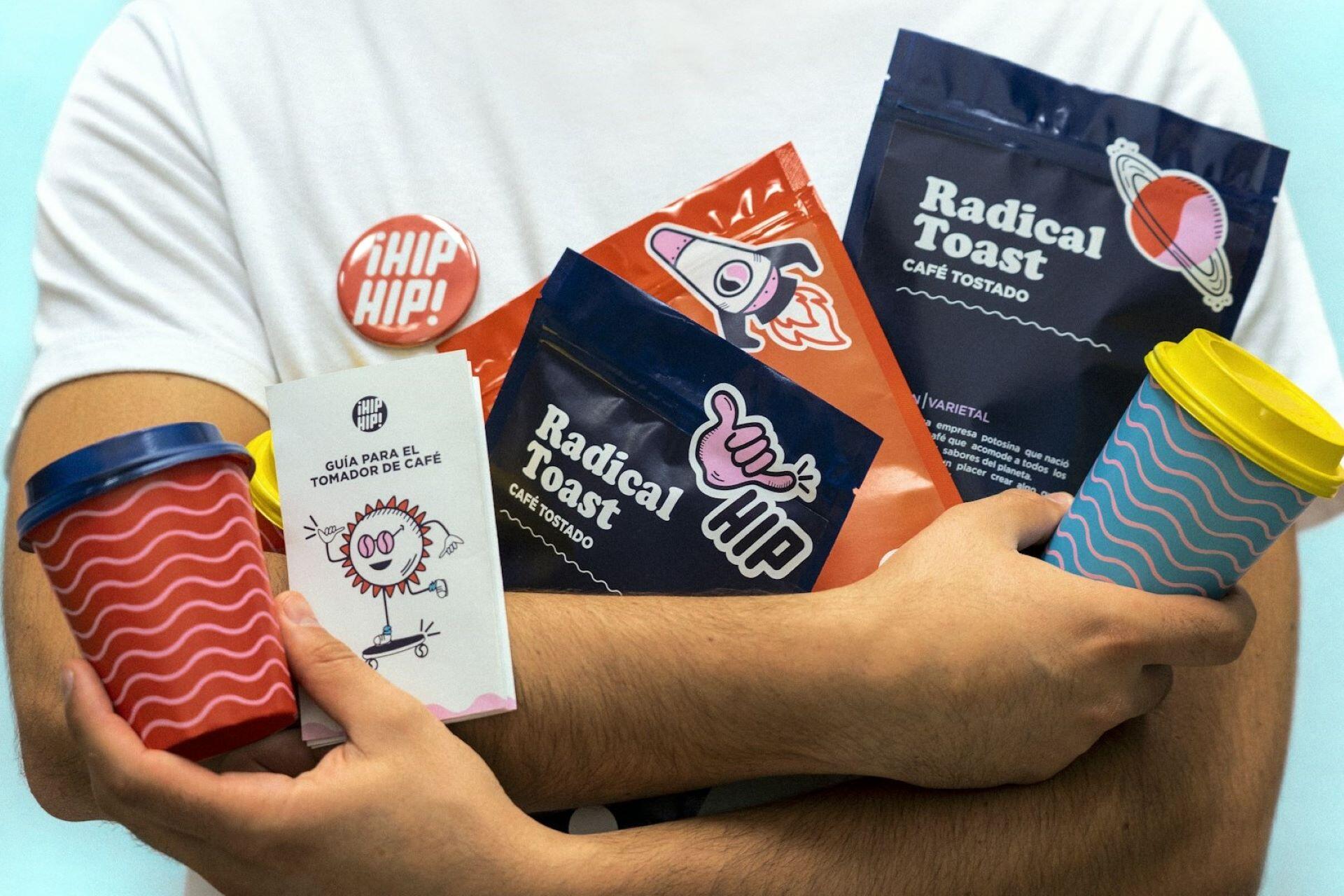
So what does a brand designer do exactly? Firstly, they need to understand the brief, explore ideas, test visual directions, and then refine the chosen route into a usable system. The end result is attractive, clear, consistent assets that the client can use across different situations.
| Role | Main focus | Typical outputs |
|---|---|---|
| Brand identity designer | Creating the visual system for a brand | Logo, colours, type system, guidelines, templates, visual direction |
| Packaging designer | Applying brand identity to physical products | Labels, boxes, bottles, dielines, materials, print files, packaging mockups |
| Product packaging designer | Designing packaging around product, customer, and production needs | Retail packs, product ranges, finishes, structural ideas, shelf-ready visuals |
| Graphic designer packaging specialist | Creating graphics for packaging within a wider design role | Front-of-pack design, typography, icons, artwork, print layout |
Steps to Becoming a Successful Brand Identity Designer
There are different routes into brand identity design. The best way in is by developing the required skills. You'll need strong visual skills, an understanding of how brands communicate, and enough technical confidence to create work that can be used in real campaigns, packaging, and digital spaces, where UI design will also be important. Like many design roles, a strong portfolio is a must.
Brand Identity Designer Salary Expectations
The salaries of brand identity designers can vary widely. It depends on how your employer places brand design. Some will work under graphic design, packaging design, artworking, creative, marketing, or visual design positions. Pay's also affected by location, agency experience, portfolio quality, sector, seniority, and whether the role includes specialist retail or packaging responsibilities.
per month in South Africa
Most will start in the broader field of graphic design. This means your salary will start the same as that of any other graphic designer. Designers who move into more technical packaging roles may also specialise in packaging technology, where salaries can range from around R25,000 per month for junior professionals to R55,000 per month for experienced specialists. Freelance work can also increase earning potential, depending on experience and demand.
per month
| Career Area | Typical Salary in SA |
|---|---|
| Brand Designer | Around R35,000–R50,000 per month |
| Brand Identity Designer | Around R22,000–R35,000 (junior) to R40,000–R60,000+ (experienced) per month |
| Graphic Designer | Around R18,000–R22,000 (junior) to R35,000–R40,000+ (experienced) per month |
| Packaging Technologist | Around R25,000 (junior) to R55,000+ (experienced) per month |
| Junior Graphic Designer | Around R18,000–R22,000 per month |
| Senior Graphic Designer / Creative Lead | Around R35,000–R50,000+ per month |
| Creative Director | Around R60,000–R100,000+ per month |
If your search for how to become brand identity designer led you here, we hope that you are inspired. To learn more about graphic design, brand identity, or marketing, consider finding a tutor on the Superprof website. There are graphic design tutors all across South Africa and around the world ready to help you, and with most offering their first session completely free, you can assess if they are the right fit before you commit.
Summarise with AI:
Enjoyed this article? Leave a rating!

 Loading...