

Language brings with it an identity or culture or at least a perception of it.
Trevor Noah
Sawubona! Unjani? The Zulu language is beautiful; however, it can also seem as mysterious as the Zulu proverbs to people who don't know how to speak it. Maybe you are someone who knows a few common phrases in Zulu. If so, there is no reason why you can't start learning the language commonly spoken by the people of KwaZulu-Natal. Zulu is one of the Southern African Bantu languages and is one of the most widely spoken home languages in South Africa.
For students who choose to learn Zulu on their own, they're likely to pick up a type of urban Zulu. Urban Zulu is a version of isiZulu where words are adapted directly from English. Those enthusiastic Zulu students who learn with an isiZulu tutor by their side learn standard Zulu (isiZulu esijulile), the purest form of Zulu, with all of the words learned being closely connected to Zulu roots. Students who learn the language with a tutor also learn the cultural etiquette behind speaking the language.


How Does Experience in isiZulu Matter?
If you are keen on learning one of the most widely spoken languages in South Africa, it's time you start learning Zulu with a private tutor nearest to you. Having some experience in the Zulu language will also help you to learn the language faster. If you are keen about learning this culture-rich language, you can find out where to take a Zulu course in South Africa. With Zulu being advocated by the Department of Basic Education (DBE) and facilitators for Nguni languages being available, you would be doing yourself a huge favour by learning this language.
It is not impossible to learn Zulu on your own. However, learning the language would be more meaningful if you rope in an experienced isiZulu tutor. When it comes to language learning strands like listening and speaking, a professional isiZulu tutor can really help. A tutor will also help you to work on your grammar skills.
Building Your Zulu Experience
Many students say that having some experience in isiZulu plays a crucial role when learning to read, write, and communicate effectively in the language. Like with many other languages, having prior exposure, either through listening, speaking, or cultural interaction, sets a strong foundation that accelerates understanding and builds confidence. Since isiZulu is considered to be not only a system of grammar and vocabulary but also a carrier of cultural meaning, the structured experience helps learners grasp both linguistic and social aspects of communication.

It is always a great idea to listen to the Zulu language being spoken so that you get some experience with the language before learning it.
There are a few reasons why having experience in the language matters:
Furthermore, experience increases confidence and motivation. Learners who are already familiar with isiZulu often feel less anxious about making mistakes and are more willing to practice speaking the language. This positive attitude encourages the consistent use of the language, which is key to improvement. On the other hand, beginners without experience may feel overwhelmed, especially if they are not exposed to supportive learning environments.
According to Statistics South Africa Census 20221, IsiZulu is the most spoken home language in the country.
However, it is important to note that lack of experience does not prevent success. With dedication, practice, and regular exposure, any learner can become proficient in isiZulu. Tools such as reading materials, language learning apps, and conversations with fluent speakers can help bridge any language learning gaps. Experience simply gives learners a head start and makes the learning process smoother.
Experience in isiZulu significantly enhances the process of learning the language by improving pronunciation, vocabulary, grammatical understanding, cultural awareness, and overall confidence.
Prior experience with the language is not a requirement for success in your language learning journey. If you still wish to improve your skills in the language, feel free to explorethe richness of Zulu culture before you advance your skills in the language.
Improving Your Skills in Zulu
of the South African population speaks Zulu.
If you already know how to speak Zulu, you may want to improve your skills in the language. You would be doing yourself a favour by improving your skills in Zulu, as being one of the official languages in South Africa, the language is growing in importance in education, business, and even in the media.
People in South Africa are often exposed to the Zulu language rather frequently. Listening to Zulu being spoken in real life can make a world of difference for you on your language learning journey.

Basic exposure to the language will help you perfect the language, but you can also advance your skills in the language by:
Today, modern tools, apps, and resources will also work to support your progress in the language. You must make sure that you gain a fair amount of real-life interaction to ensure that you make the most of your learning journey.
When learning any of the official languages of South Africa, consistency is key. Advancing your skills in the language will require much effort on your part. Regular practice and daily interactions in the language will help you become as fluent in the language as native speakers. To improve your skills in this language and to get hints of the Zulu language culture, there is no reason why you can't rely on YouTube videos to guide you.
Many university students are choosing to learnIsiZulu for business, as they understand how important the language is becoming in the field of business in South Africa. At a university level, you can choose to learn Zulu as a first language. Teachers can choose to learn Zulu over languages like Afrikaans or English. At the University of Kwa-Zulu Natal, isiZulu Basic is offered on request for those who wish to improve their understanding and practical knowledge of Zulu.
Learning Zulu Means Learning About Zulu Traditions

When it comes to learning Zulu, it is your invitation into a rich and meaningful cultural world. Zulu is all about appreciating the customs, values, and social practices of the Zulu people. When you learn this South African language, you are not just learning how to communicate; you are learning how to connect. Every Zulu phrase carries a message shaped by tradition, and knowing how to greet someone properly in Zulu shows the importance of relationships and social harmony within the particular culture.
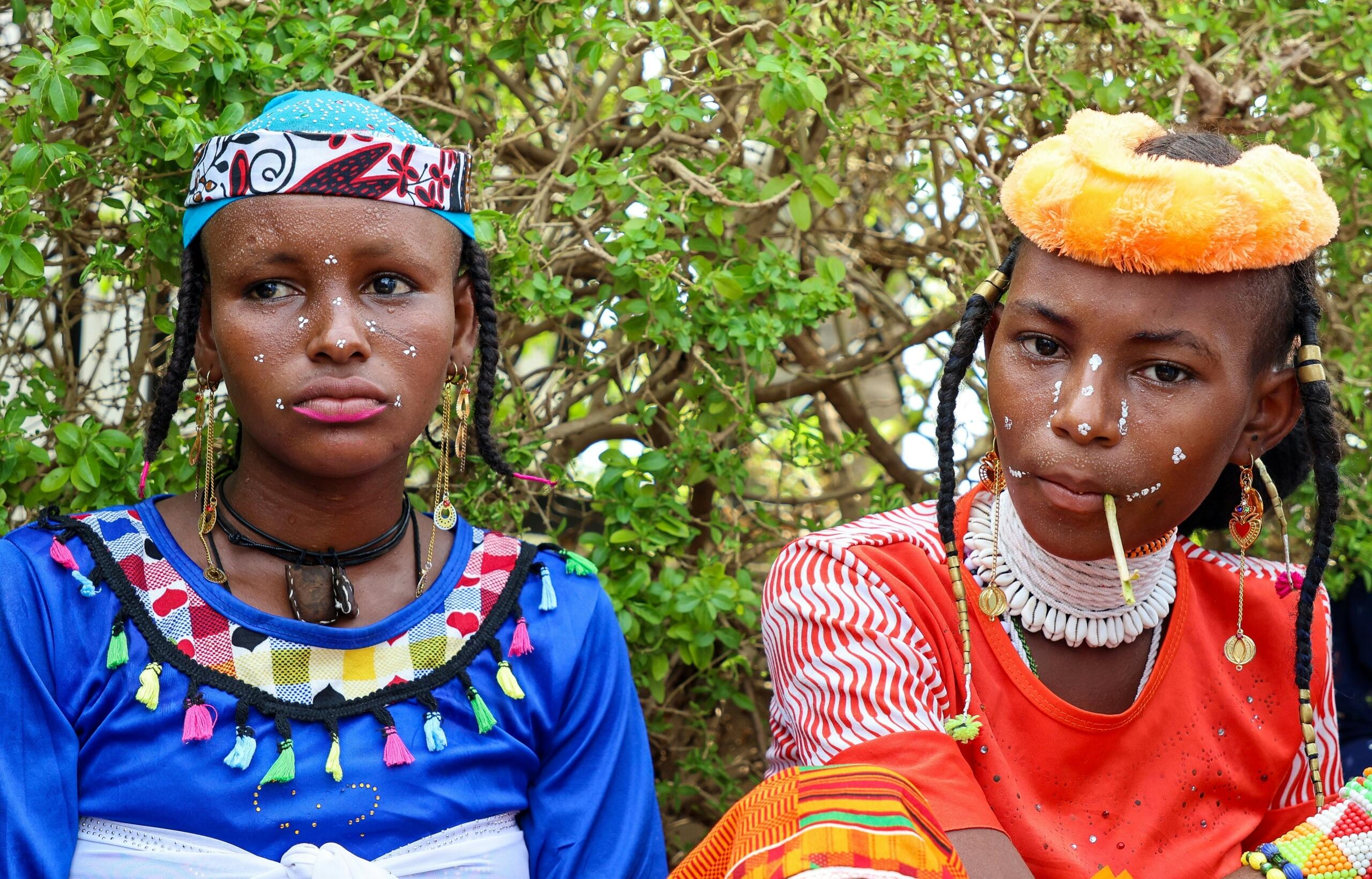
The Zulu culture refers to the culture of one of the largest ethnic groups in South Africa that commonly resides in KwaZulu-Natal and has rich roots in warrior traditions, beadwork, and respect for ancestors.
When learning Zulu, you also learn about respect, which is valuable to Zulu traditions. Zulu is a language that teaches you that what is said is not as important as how it is said. When learning Zulu nuances, you develop cultural sensitivity and awareness, which creates meaningful interaction. By learning Zulu, you can gain access to traditions. It is also important to explore the lessons embedded in Zulu folktales and the emotions conveyed through isiZulu songs and praise poetry.
The most beautiful fig may contain a worm.
Zulu Proverb
Zulu is a language that comes with identity and tradition, and by learning the language, you can gain insight into the identity of the people associated with the language. Learning Zulu not only advances your language skills but also helps preserve the culture and traditions of the Zulu people. Once you immerse yourself in the Zulu language and culture, you will be better equipped to navigate yourself through social situations with Zulu speakers.
Choose to go on this Zulu language learning journey of discovery that causes you to come out of your comfort zone and embrace the world from a new perspective. When you start to learn the language, you will learn to value the language and traditions, and in turn, your communication skills will improve too. You can also learn to speak isiZulu with the Zulu oral tradition, such as by listening to stories, folktales, and songs.
References
- Stats SA: Cultural Dynamics in South Africa: https://www.statssa.gov.za/?p=18173
Summarise with AI:
Enjoyed this article? Leave a rating!

 Loading...