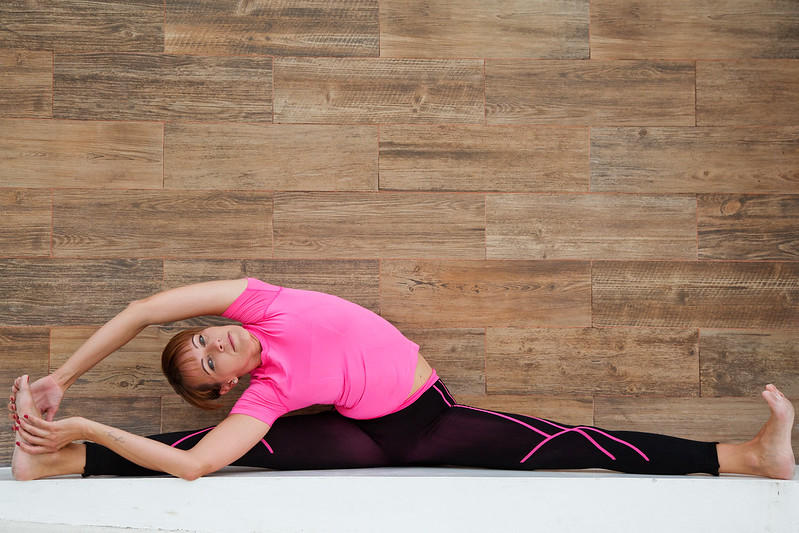

Flexibility allows us to move and perform daily tasks with greater ease. There’s been a massive focus lately in fitness circles around mobility or functional movement and yoga is seen as one of the most accessible forms of movement to tone muscles, quieten the mind while also giving you great flexibility.
A lot of newcomers to yoga and stretching exercises believe that you need to be flexible when you start out, but this is not true and those who are not flexible could benefit most from frequent yoga.
Why is that?
Because yoga will work and stretch your muscles and positively stimulate your nervous system, making your muscles more functional while improving their range of motion.
Through scientific studies we know that stagnating muscles lose mass and their ability to move freely, tendons and joints get stiff and if you don’t use them, you might even lose their optimal function completely. Athletes know this and have been using stretching to improve their performance and build their strength before and after their practice.
But it doesn’t come without it set of risks and can have devastating effects on your body if you do not follow the right form, move too fast or make the wrong mistakes. Watch-out for these 10 most common mistakes once you start to learn yoga and stretching.


Mistake 1: Stretching Without Warming-Up
Stretching before a workout is a must right, but what a lot of people don’t realise is how stretching of cold muscles can lead to injury and they need a bit of a warm-up before the stretching commences. So what comes first, the workout or the stretching? Well, in yoga routines they start with very small movements to get a bit of blood flowing before moving to the deeper stretches.
Flexibility workouts, like yoga, should thus have a light cardiovascular aspect to them in the beginning, to ensure there is enough bloodflow to widen the muscle tissues when they stretch. Light aerobic exercise, like sun salutations, cats and cows or walking on the spot for 7 minutes are the recommendation before you move into the deeper stretches.
Mistake 2: Forcing Muscles and Overstretching
New stretchers also make the mistake of forcing their muscles when they stretch. It depends on the type of stretching you do, but you should try and find that sweet spot between working the muscle and allowing it to open. So it’s not just muscular, but also focussed on allowing the nervous system to relax and soften those areas to allow you to go further.
Overstretching is when you go too far and this causes injury to the muscle fibres, hurting you. Ideally you need to feel some discomfort, but you should never feel pain, especially not sharp, shooting pain when you stretch.
Mistake 3: Ignoring Your Body
One of the greatest lessons that yoga can teach you is being in touch with your body. Learning to listen to your body in the same way it listens to the mind.
Be sure that whatever you do is good, healthy and safe for YOUR body.
Even though there’s a correct way of setting up asanas (poses), we are not all built the same and you should then ensure you have the wisdom to listen to your body.
The sensations and stretching in the correct muscles and areas is what’s important as the position and shape might differ slightly from one person to the next. The worst thing you can do is to compare yourself to other people. Accept, without judgement, where you are in your stretching journey and as mentioned, focus on feeling in the beginning to ensure you feel the stretch in the correct areas.
This article lists our favourite 11 yoga poses to help the core muscles and joints in your body get more mobile (spine, hips, shoulders, legs, etc.)
Regressions in yoga are ‘easier’ forms of poses that provide the same benefits. They are quite common in beginner classes and makes yoga accessible to more people.
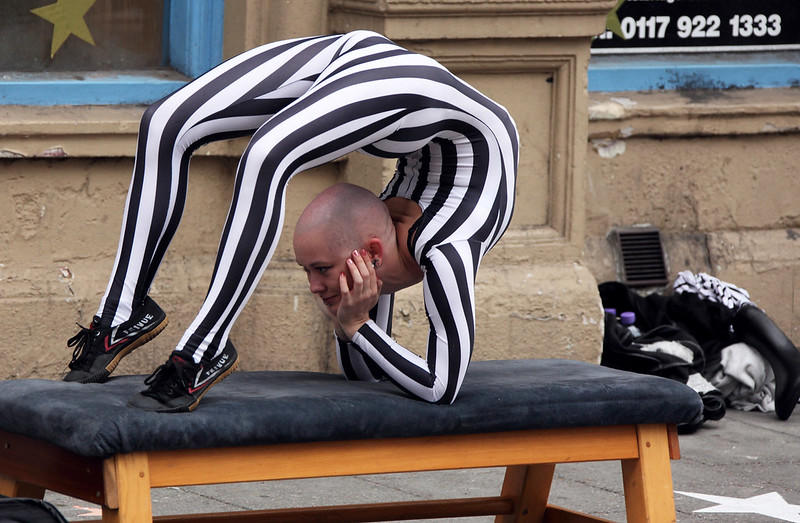
Mistake 4 : Rushing Stretching
Nothing that’s worthwhile happens overnight and it’s the same when it comes to stretching and mobility. It will take some time to elongate those muscles and teach them new tricks. When you rush it you open yourself up for injury and might even start to dislike stretching as you fall into the mindset where you just want to get it done and over with.
Move slowly and mindfully into each posture and allow your body to also breathe while you stretch. Gradually increase the intensity and don’t try and go too far too quickly. You will eventually get to touch the ground, in the meantime learn to be patient and move into the pose, relaxing while you do.
Be sure you dedicate the time to stretch and try not to focus on something else. When we practice yoga, we try to become fully engaged in that specific movement and each micro-adjustment in our body. Remember that it’s not a race and certainly not about how quickly you get there that counts. Give your body the nurturing and ‘love’ it needs while you develop a safe and lasting practice is much more rewarding and valuable. You will also become a happier and better person if you manage to approach yoga, stretching and life, with an attitude of self-compassion and patience.
There’s also no point in doing a stretch for just a couple of seconds. Ensure you work it long enough to actually gain the benefit from the stretch. In some Hatha and Yin Yoga sequences they hold the pose for up to 2 minutes, but 30 seconds should be ok for passive stretching while active stretching should allow for about 20 repetitions where you contract and elongate the muscle.
Mistake 5: The Wrong Stretch for The Job
Even though yoga is a practice that will work and stretch the entire body, you'll find that most yoga workouts are created with something specific in mind. Flexibility Yoga workouts will focus more on creating elasticity in your body while classes also focus on specific areas like the hips, legs, shoulders or spine a bit more in some classes. The entire practice is carefully structured to give you the warm-up and gradually increase intensity until you can stretch deeply into deep muscle tissues.
This process makes use of what athletes and specialists know as dynamic or active stretching. A physiotherapist or biokineticist will tell you that they rather recommend a dynamic form of stretching before a workout as it is safer.
Static stretching is where you just hang and relax in a pose and allow the muscles to lengthen. Dynamic stretching on the other hand is contracting and extending the muscles in a repetitive way to ‘floss’ the muscle fibres. Making big circles with your arms can be seen as dynamic stretching while a shoulder stretch where you just hold your arm in position is a passive stretch.
Mistake 6: Not Stretching Frequently Enough
We already covered the importance of being patient with yourself. The more frequently you stretch, the more you’ll see and experience the benefits and flexibility that comes with it. It’s not the duration of the session that’s important, it’s the frequency. Instead of doing one long session that could lead to overstretching, you could chunk it down into two shorter sessions in the morning and evening. Or stretch every day for 15-20 minutes instead of doing it twice a week for an hour. The interesting thing about yoga, and stretching probably too, is the moment you learn to just be on your mat, relax and discover and explore your body you’ll start to notice how much more you enjoy it and want to do more.
Here are some other tips around using yoga to become more flexible.
Mistake 7: Holding Your Breath
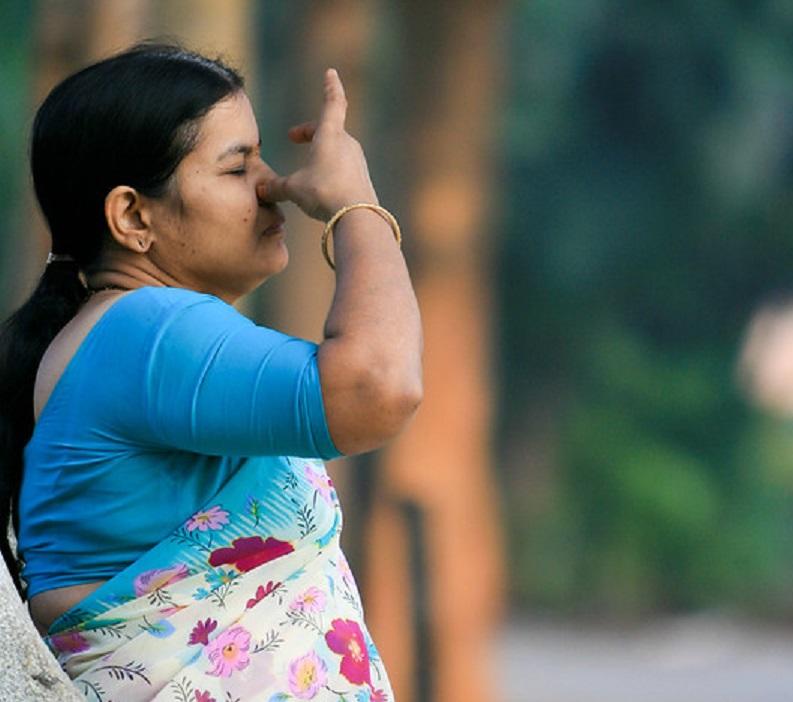
Stretching automatically increases the blood flow to the targeted areas, sending oxygenated blood to the targeted areas. Even the best stretches for flexibility can become more efficient the moment you soften and allow the breath to work with the body. In yoga, breath is probably one of the most important tools to use during your practice.
Calm nasal breathing has a range of physiological benefits for those who stretch or do yoga which includes:
- Increase oxygen and relaxation to those muscles
- Prevents over-breathing, something that happens when you do mouth-breathing
- Breathing through your nose calms the nervous system, allowing your mind to calm down while you stretch deeper and teach your body to chill
- Nitric Oxide is in the nasal cavity and purifies the air that you breathe in
- The psychology of breathing is something you can take off your mat, breathing when a certain situation in life, similar to a tricky yoga position, becomes easier if you breathe through it with acceptance, compassion and grace
Mistake 8: Stretching Injuries
Never stretch injured muscles, unless it is part of a very specific programme that your doctor or physiotherapist has prescribed. The muscle fibres and, potentially, even the joints of the injured area could get more damaged if they are being stretched too soon.
If you are uncertain you can always ask a qualified professional, but rather err on the side of caution when you start to move into those areas again. Always go slow and gradually build strength and intensity and be overly cautious with knees, shoulders, spine and hip injuries.
Mistake 9: Stretching With Incorrect Technique
Yoga teachers, group fitness instructors and biokineticists go through specific training to ensure that poses and stretching exercises are set-up in a way that’s safe and good for the body, muscles and tendons. Beginners need to therefore ensure they follow the instructions carefully as the repetitive, incorrect placement of a hand or foot in a pose can lead to discomfort and even injury. Don’t assume you know the pose the next time around and listen each time afresh to whoever is explaining it, discovering it for the first time, every time.
Following a good structured routine will help keep you safe. A great yoga teacher will ensure your arms, shoulders, spine, knees and hips are protected through proper alignment, balance and adjustments.
Mistake 10: Not Tapping Into Your Mental Powers
You’ve probably noticed that a lot goes into stretching and it’s not just a physical activity. It has been proven that when you do exercise, like yoga, with mindfulness, that the benefit suddenly increases exponentially. While you are stretching you are teaching your body new things and being fully present will allow your brain to form those new neuropathways to living in the present. While you work consciously on stretching you will forget about the to do lists and the future, or the things in the past that’s holding you back.
In yoga we also learn the power of observing our own bodies, with acceptance and without criticism or judgement. Imagine you are the investigator of your own body and while you are moving and stretching you observe and pay attention to the messages it sends you through each bone, muscle tissue, nerve or even organ. Visualise how the stretch opens and targets a specific area, using the power of your imagination to 'see' how breaths bring fresh oxygen and blood into that area.
Daily yoga will increase the chances of bringing mind and body in sync.
The best advice we can give you is to get a good trainer or a yoga instructor. One that's professionally trained and experienced enough to create a strong foundation for a healthy practice. This should however not hold you back from going at it on your own, as long as you follow the right guidance on the videos you watch and treat your body with patience and respect.
Enjoy the journey as you stretch your body, mind and health.
Summarise with AI:
Enjoyed this article? Leave a rating!

 Loading...