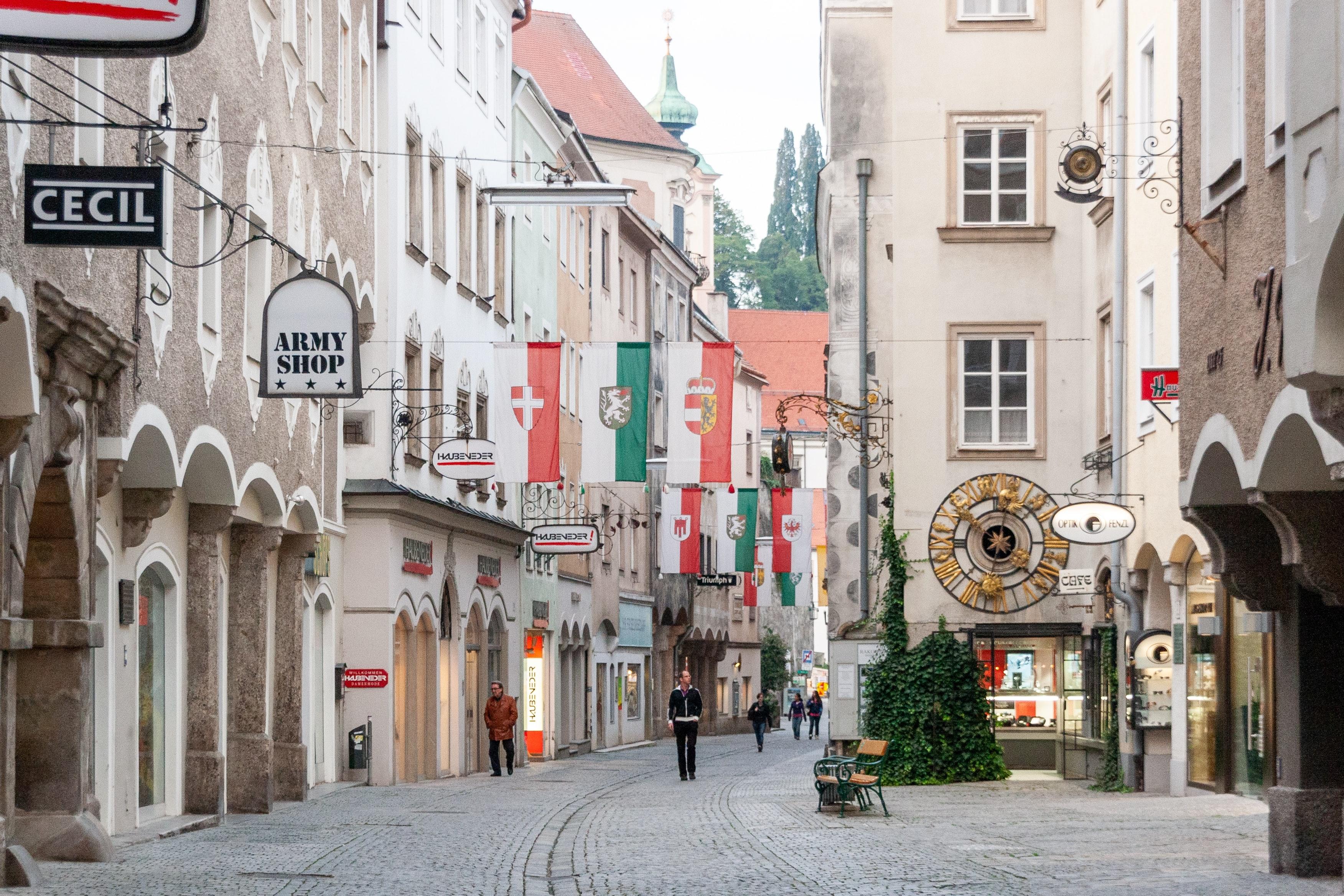

It's logical that German is the most spoken language in Germany, but did you know that it is also an official language in Austria, Belgium, Luxembourg and Switzerland?
With over 130 million German speakers across the globe, German is the 2nd most spoken language in Europe. If you want to find work, study or travel in and around Austria, the ability to master the German word will help you do so with greater ease.
Like most languages across the globe, German is used by people from different social groups, nationalities and cultures. Language is integral to our identities, and a better understanding of a language's history and evolution will give us an informed knowledge of the nuances around the culture itself.
"The most intimate temper of a people, its deepest soul, is above all in its language." – Jules Michelet.
Austrian German is only one of the many West Germanic dialects and in this article we’ll explain how history influenced its development, why it’s an exciting language to learn and how easy it is to access a tutor that will help you master the Austrian German dialect.


Why Austria Will Amaze You?
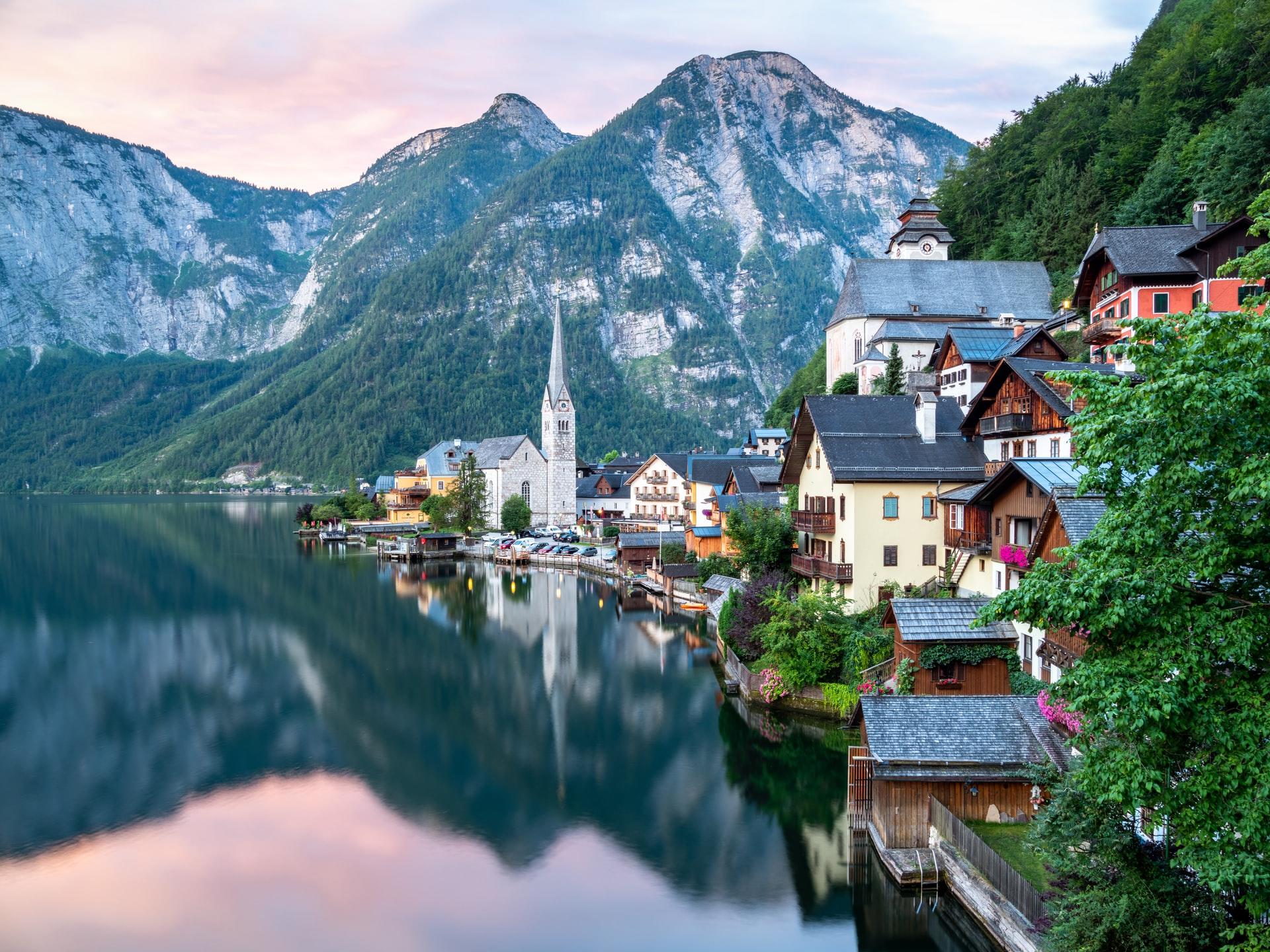
Located next to Germany and Switzerland, Austria is a picturesque country on the Eastern Alps. It has become one of the most popular ski destinations in Europe and is filled with spectacular castles and architectural wonders.
Inspiring artists, intellectuals, musicians and creators contributed to its rich history and the world of art, academics and culture. Mozart has left an imprint from Salzburg to the rest of the world, whilst Sigmund Freud, Erin Schrodinger, Alfred Adler, Victor Frankl and Hans Asperger have made contributions to the world of psychology, medicine and science.
Hailed as one of the most stable and prosperous European Union Members, Austria continues to enjoy economic success where social well-being is in the order of the day under free-market conditions. It is ideal for any new immigrant, student, tourist or entrepreneur, and mastering their language will ensure speedier integration into the Austrian culture.
All German across central Europe has similar characteristics, and generally an Austrian should be able to converse with a German national or someone from Switzerland. There are however some differences between the dialects, and an understanding of Austria’s history will lay the foundations for understanding Austrian German.
A Brief History on Austrian German Development
The Habsburg Empire was one of the biggest and strongest monarchies during the 16th century. This well-known dynasty was Austrian and was a key player in dominant European historical events like World War I and II.
Standard German is used in Switzerland and Austria, but their geographic locations and societal influences have led to several interacting standards of the German language within each country.
The different sounds, grammar, spelling and pronunciation employed in Austria and Switzerland have created their own dialects of German.
German is also a pluricentric language, which means that standard German developed in various regions, like Austria, to become its own unique language.
The German language passed through a range of periods that defined its development, each one establishing milestones and aspects that contributed to the standard German language.
English, Dutch and German are all West Germanic languages. During the development periods across western Europe, German branched off into Erminonic Germanic which eventually led to the development of the standard German Language that we are now familiar with.
The changes in phonetics during the middle ages of this branch made it quite different to the other West Germanic languages.
There were a number of different dialects, but a universal ‘High German Consonant shift’ across the central area, today known as Germany, started a unique language during a period that is known as the Old High German period.
Next was the Middle High German Period (1050 – 1350).
During this time we saw a lot of human migration towards the Eastern outlying areas of the Holy Roman Empire. German tribes moved to newly attained geographical territories like Austria, The Czech Republic, Hungary, Poland, Slovakia, Slovenia and Romania.
This expansion led to a significant increase of German speakers in areas beyond the current German borders and a significant amount of linguistic changes in written and spoken German started creating new dialects.
It is during this period that the changes in grammar, vowels, phrases and vocabulary became differentiated from the German spoken in Germany and ultimately gave rise to the unique Austrian dialect.
The modern German language development period was called the Early New High German Period and it dated from 1350-1650.
Significant literary research, studies and papers by Wilhelm Scherer, a Austrian historian of literature in the 19th century, highlights the importance of this period for the evolution of modern Austrian German.
The printing revolution started in 1440 when Gutenberg invented the press and printed papers. Together with Luther’s vernacular translation of the Bible in 1534, it led to the standardisation of German as primary language in German states within the Holy Roman Empire, instead of the historical Latin.
But German only became a more widely accepted written standard during the middle of the eighteenth century, with the Habsburg Empire, when it was used for all written communication in the spheres of government and commerce in Austria, some eastern and central parts of Europe.
The Brothers Grimm followed with the creation of the German dictionary to enhance the standardisation of Standard German and in 1872 the Duden Handbook produced grammatical and orthographic rules that all German language students had to familiarise themselves with.
You will notice that these grammatical and orthographical rules established the standard German roots, but these continued to develop into current dialects like Swiss German, Austrian German and Bavarian German.
-

The Habsburg dynasty was significant in the development of Austrian history. Photo credits: Daniel Plan on Unsplash
The Uniqueness of The Austrian German Dialect
Standard German long remained the language of the Austrian Government. It was used for all its official announcements and media until 1951 when the Austrian Federal Ministry of Education, Arts and Culture finally defined and published a new Austrian German standard where this dialect was honoured as the new official language of Austria.
Are you wondering that makes Austrian German so different?
You already know that standard German developed into a range of dialects of which the Austrian German language is one. But other German languages or dialects also influenced each other across this geographical region.
In the Southern German speaking area of South Germany, Austria and parts of Switzerland, the Austro-Bavarian local dialect is prominent and noted as part of Standard Austrian German. Mostly spoken in Austria, this dialect is also prominent in Bavaria, South Germany.
The noticeable differences in dialects start to surface when one listens, studies and analyses how Austrians pronounce words and employ unique phrases. Austrian German pronunciation and phonetics are different to other German dialects and you will also notice how grammar has changed over time.
The most distinguishable difference to normal German speakers is probably the vocabulary, phrases and expressions that are unique to Austria, and sometimes completely unfamiliar in standard German.
Austrian German also has smaller dialects across the regions of Austria. In the northern parts around Salzburg or Vienna there are changes to words, vowels and phrases, subtle eccentricities you will recognise once you become more familiar with German and its sister dialects.
-
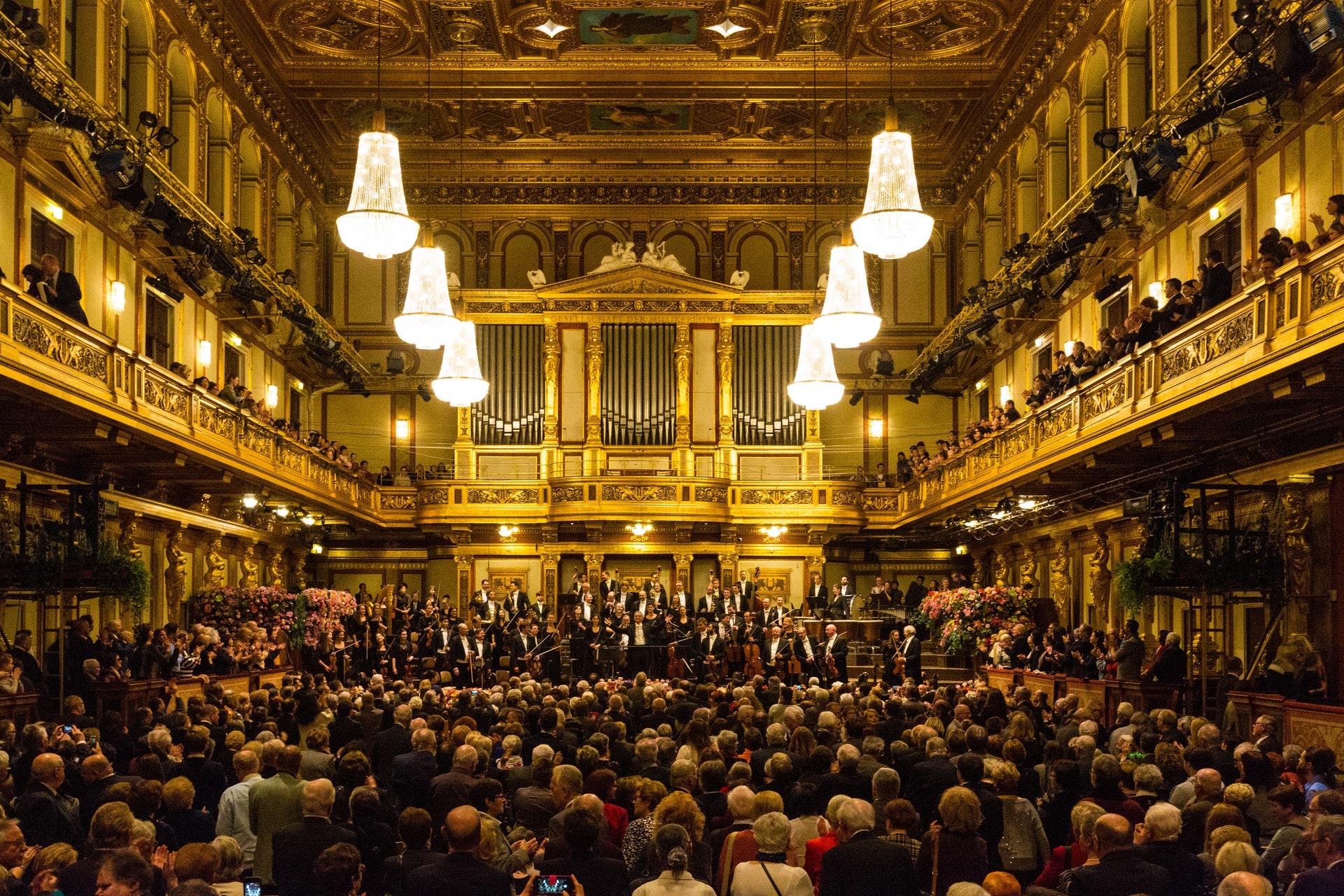
Austrians continue to contribute to arts and culture on a global scale. - Source Unsplash
Learning Austrian German
Learning standard German will lay a strong foundation for learning different German dialects. It will set you up to read, converse, negotiate and travel in German-speaking countries with ease. Not only will you be able to move around freely, but you will also have the opportunity to truly entrench yourself into the local culture through learning its local dialect.
If you plan to work or live in Austria, you’ll be able to mingle and socialise with Austrians in an unparalleled way, when compared to other foreigners who do not speak the language. The exposure to their language will allow you to discover and learn the language gems that make the Austrian dialect as unique as its people.
The best way to learn any language is through repetition and daily practice. Living in Austria is the ideal way to learn, but most new speakers don’t have that luxury and can, instead, take German lessons to become language proficient before their arrival in Austria for work or studies.
Online tutoring is convenient, affordable and an ideal solution for newcomers to German or Austrian German. You can practise your general conversation skills, grammar or reading with an experienced tutor online or in-person. Your teaching is done in conditions that suit your current lifestyle and Austrian German tutors on Superprof will structure lessons around your level, needs and chosen budget.
Start your search for an Austrian German tutor today and experience the colourful culture of Austria’s history and people long before you set foot in its natural beauty.
Summarise with AI:
Enjoyed this article? Leave a rating!

 Loading...