
"Learn the rules like a pro, so you can break them like an artist." -Pablo Picasso
Whether you are an art expert or are new to appreciating it, there are many periods in art worth learning about. In fact, in studying famous artists, it is important to study the era in which they found their fame and fortune.
Fortunately, governments, historians and educators through the ages have agreed that art should be available to all through galleries and museums across the globe. The depth to which art movements can be explored is almost infinite, but for the beholder, there will always be a personal preference that touches the soul.
If you are interested in finding out more about art periods through the ages like Neoclassical, Realism, Romanticism and Abstract Expressionism, then there is no better way than to look at some of the talented individuals who made these art periods famous. In this article, we will take a look at some of those pioneers and the important contributions that they made to the art movements in the eras that they lived.


Neoclassical Art
Neoclassicism is the most ancient art era that this article deals with and dates back to the early 19th century and even, the late 18th century. It came directly after the Rococo period and was based on many of the artistic elements found in both the city of Rome and Greece.
The father of this art era was Johann Joachim Winckelmann and for pieces to fall into this category they need to include the following aspects.
- A Greco-Roman origin
- Balanced compositions
- Specific proportions
The Neoclassical art era also has several unique characteristics that make them stand out from other movements in art.
Such as?
- Art pieces should be free of feeling and emotion
- Art should be a symbol of perfection
- Art should have distinctive features of humans.
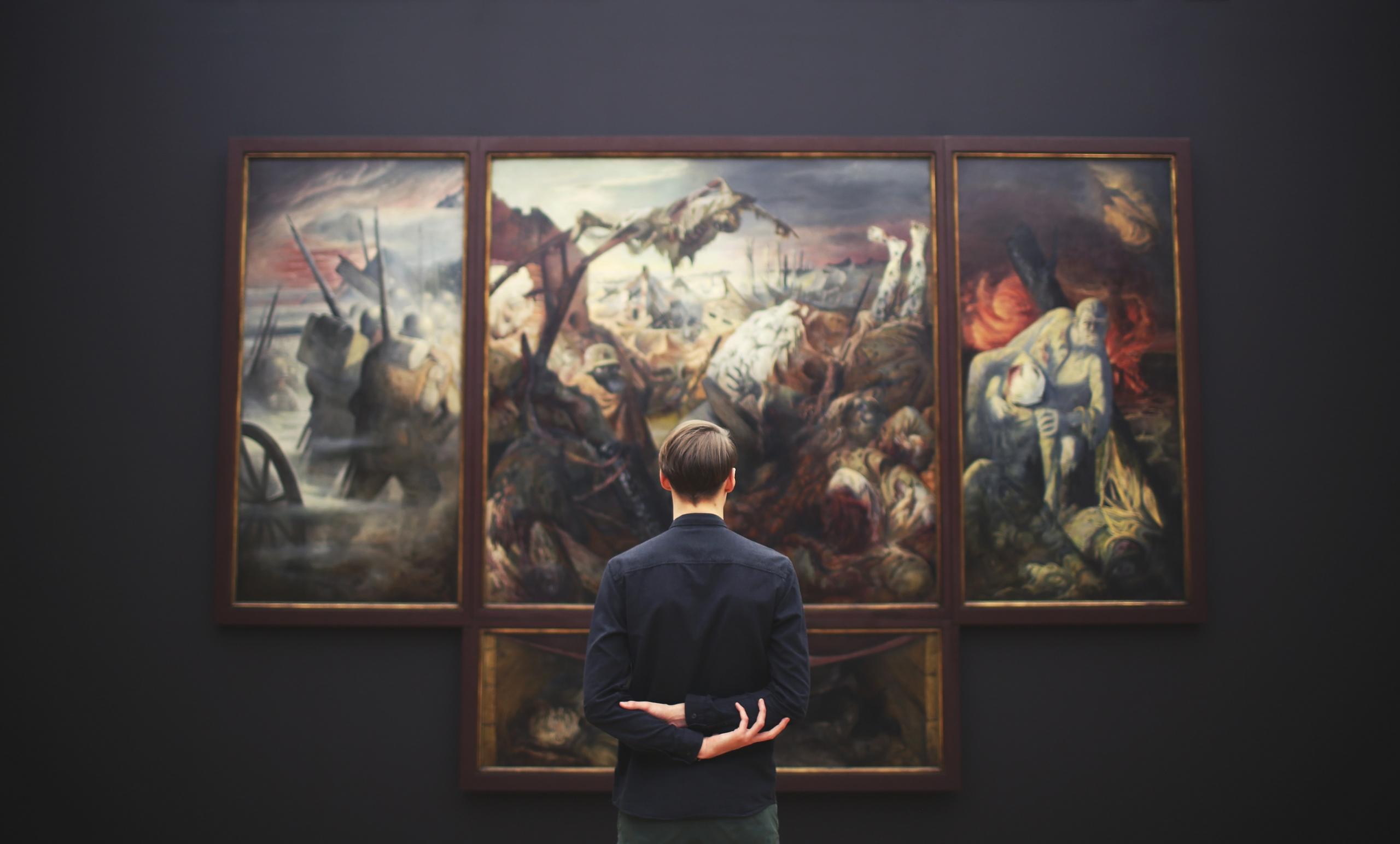
In short, the Neoclassical art era was about balance and perfectionism which were mainly found in sculptures and paintings but also found in literature, music, architecture, furniture and fashion.
To explain this era further, it helps to look no further than some of the pieces that made this one of the most important periods in art. Are you familiar with the following?
- The Death of Marat
- Napoleon I on His Imperial Throne
- Portrait of Madame Recamier
Each of these noteworthy pieces boasts all the criteria that make Neoclassicism a period that is worth discovering. For a more in-depth study, you could also look at acclaimed artists like Antonio Canova, Angelica Kaufmann, Jacques-Louis David and Jean Auguste Dominique Ingres.
To truly understand Neoclassicism and other important art periods it would be worthwhile to find a private history of art tutor to support your studies.
Romanticism
Shortly after the Neoclassical art era, a new art movement known as Romanticism reached its peak in Europe from 1800 to 1850.
Not unlike other periods in art, mediums like painting, sculpture and literature were influenced by the Romanticism movement.
Beginning in England and France after the French Revolution, Romanticism shifted to more classical methods of art that included elements of nature, imagination, fantasy and the simplicity of modern life.
Just like the other art periods, there are a few aspects of Romanticism that make it different.
- The brushwork in the Romanticism age was less precise and looser than other art periods.
- The Romanticism era focused on emotions, feelings, and moods of all persons.
- Romanticism pieces were more varied and included landscapes, people, religion, revolution and peace-like beauty.
To understand this art era and the techniques that made it typical, it is worth examining some of the more famous Romantic paintings like The Raft of the Medusa, Wanderer Above the Sea of Fog and Liberty Leading the People.
By taking a close look at the work of acclaimed Romanticism-era artists, it is easy to see the fascinating culture of its time. Famous artists worth looking up include Theodore Gericault, Caspar David Frierich, Francisco Goya and Eugene Delacroix.
Realism
While the Romanticism period gave birth to some of the most beautiful pieces in all of the movements in art, it was around the late 1800s that artists began to move away from its extravagant techniques to concentrate on natural and realistic elements.
It's important to note that Realism does not focus on larger than life interpretations but rather simple artistic moments from ordinary aspects of life like work and family. Beginning in the 1850s, Realism’s subject matter was so naturally depicted in sculptures and paintings that they were not dissimilar to photographs.
To fully understand how Realism departed from Romanticism’s methods, here are a few characteristics worth noting.
- Ordinary life subjects of working-class people going about their daily activities were common features in realism paintings.
- Achieving realism today means that art should be as natural and raw as possible.
- Detail is important especially because realist artists strive to create work that is close to photography.
- Colours like soft browns, blacks, warm reds and ivory hues are indicative of artists who want to create realism pieces.
Some of the most renowned avant-garde creators of the Realism art era include artists like Gustave Corbet, Rosa Bonheur and Edward Hopper to name just a few. Not only have their paintings been appreciated by millions of art lovers from around the globe but they have also inspired many 21st century painters to include Realism in their pieces.
Some of the recognisable art pieces from the Realism art era include:
- Whistler's Mother
- Nighthawks
- The Stone Breakers
While the previously mentioned works are certainly noteworthy, Nighthawks is a truly classic American piece that has been observed by millions of people. The details of ordinary life in post-WWII are subtle and authentically natural.
Abstract Expressionism
Abstract Expressionism was also one of the most profound movements in art. First established during the mid-1900s in New York City, its styles and concepts were unique and very different to previous art periods.
So what exactly is Abstract Expressionism?
In its simplest form, Abstract Expressionism can be defined as the abstract art genres that were first introduced by American painters after World War 2 in the United States. Abstract Expressionism was particularly important for America because it was the first time that any movements in art were birthed outside of Europe, where artists from Paris and Rome were prolific.
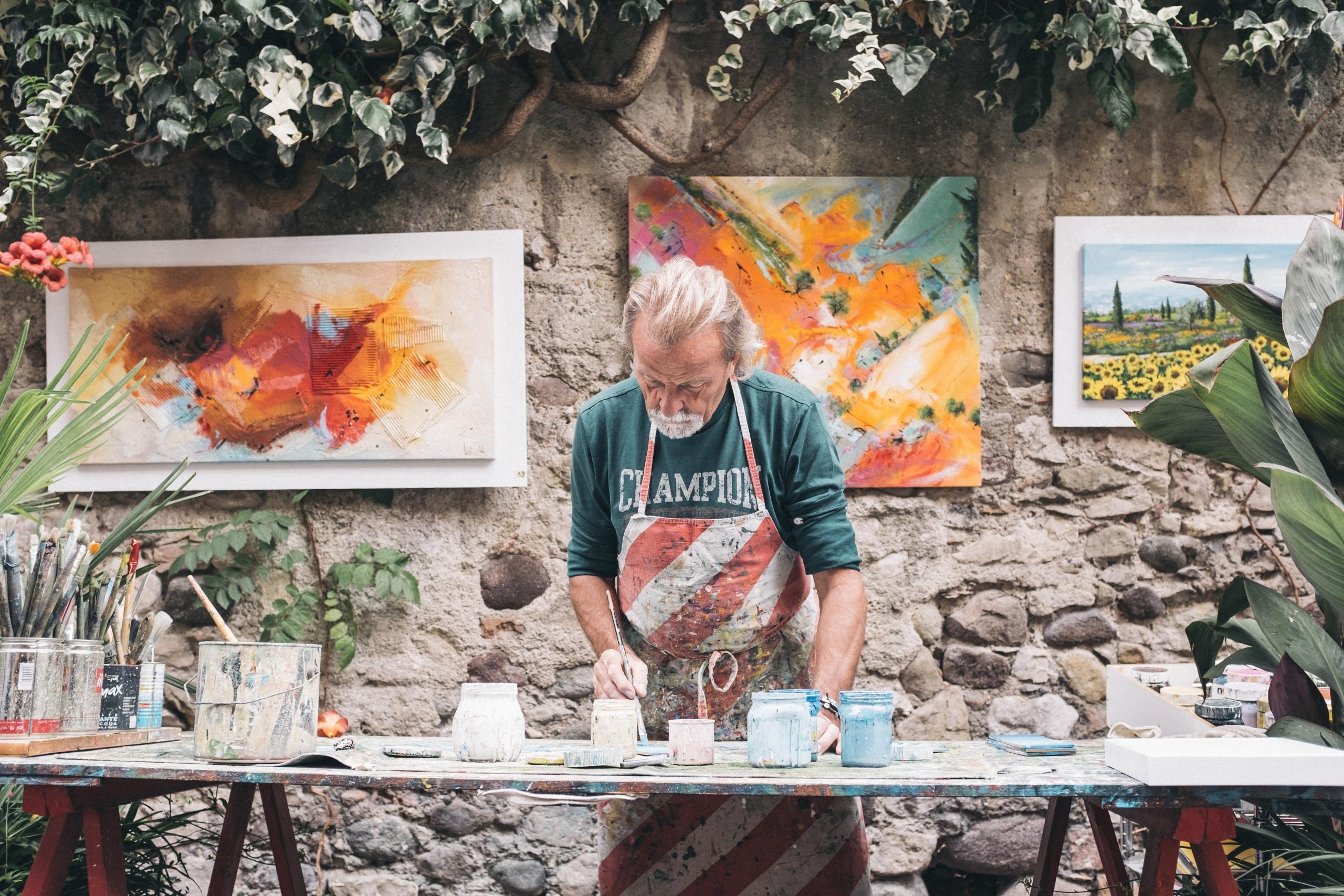
Art movements like Abstract Expressionism included influences from Surrealism, Modernism, Dada and Cubism.
Not unlike all periods in art, there are noteworthy characteristics of Abstract Expressionism that make it one of the unique movements in art. Here are a few specific elements used by historians to characterise and differentiate Abstract Expressionism from other art periods:
- Large in scale as well as ambition.
- Reflective of the spirit of individualism that is known in American society today.
- It falls into two main categories that are either colour field painting or action painting.
Abstract Expressionism's most passionate and talented artists have used previously mentioned elements in their works, however, there are a number of Abstract Expressionists who have earned reputations to make them the most profound artists of all time within this category. Some of them include:
- Lee Krasner,
- Jasper Johns,
- Franz KIine,
- Jackson Pollock,
- Mark Rothko,
- Willem de Kooning,
- Joan Mitchell.
Names like Lee Krasner and Jackson Pollock have gained worldwide acknowledgement for their contributions to the Abstract Expressionism art era. Their pieces can be seen in museums throughout Europe and the United States.
If you are wondering what kind of paintings fall into the Abstract Expressionism category while you flounce through art galleries, below is an acclaimed list of examples.
- The Sorrows of the King by Henri Matisse
- White Flag by Jasper Johns
- Autumn Rhythm by Jackson Pollock
- Woman I by Willem de Kooning.
Along with the other movements in art mentioned in this article, the depth and nuances of Abstract Expressionism is best discovered through the expert guidance of an art educator, or even private art teacher. Not only will they help you assimilate aspects to suit your own style and goals, but also be able to point you in the direction of more inspiration.
When you find a private art tutor on Superprof, you have several benefits. Amongst many other advantages, you can be assured that their credentials are verified. You will also have access to any reviews written by past students. In addition, you could have your introductory lesson for free which means that you can better ascertain whether they are a good personality fit for you or not. This should not be underestimated as connecting with the right person when it comes to private tuition always goes a long way in realising your full potential.
Finally, all periods in art are intriguing and worthy of study. Not only do they help us to understand the culture and practices of the day, but they also offer inspiration, whether in music, architecture, fashion and so much more, to contemporary art movements too.
Summarise with AI:
Enjoyed this article? Leave a rating!

 Loading...