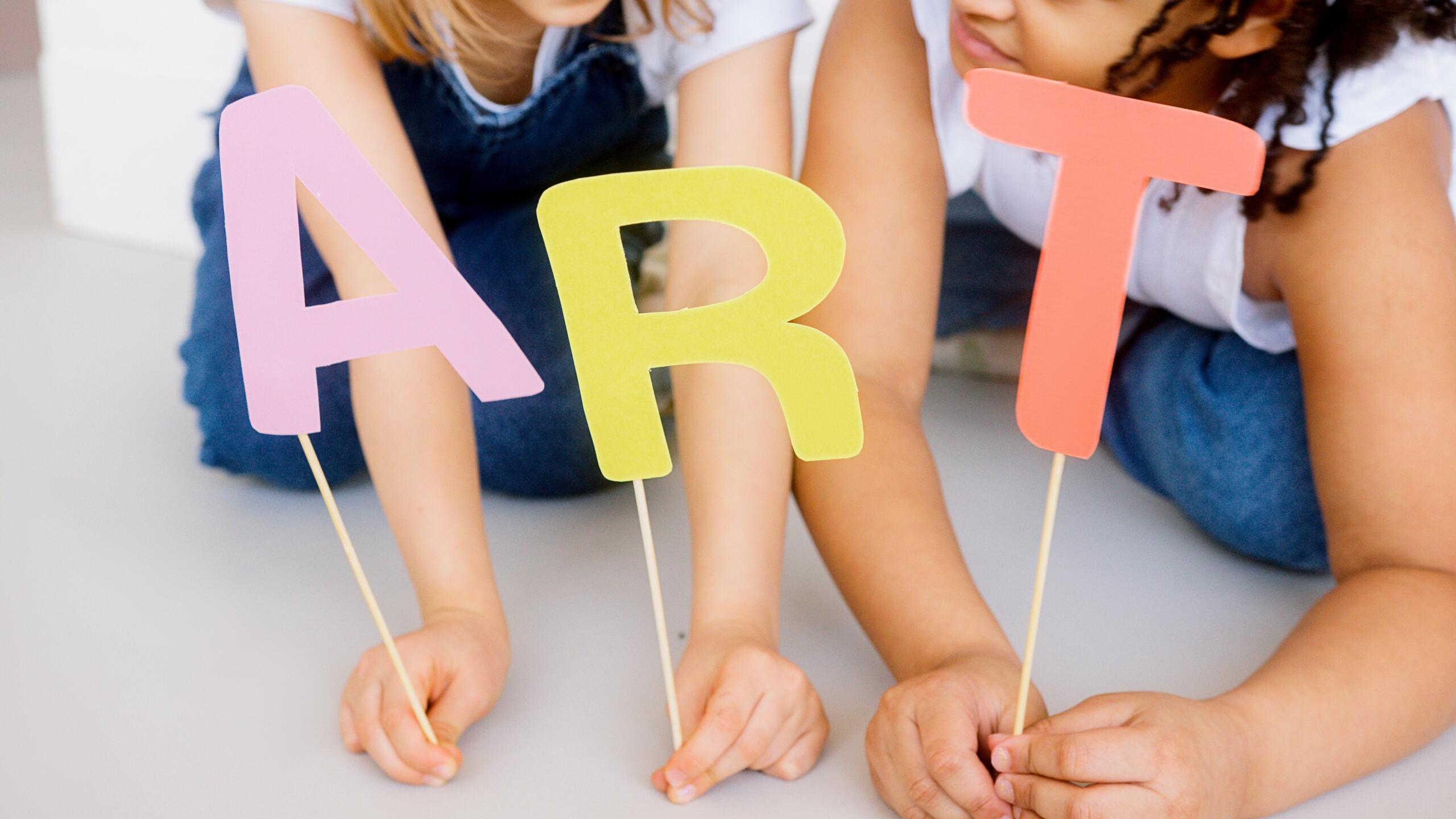

When you think about your child’s education, it is easy to focus on marks, reports, and exam results. Yet much of a child’s growth happens in quieter moments, often after the school bell rings. Across South Africa, extramural activities in schools that focus on art and culture play a vital role in helping young people express themselves, build confidence, and understand the world around them. These programmes offer something different from the classroom, something deeply human.
The arts teach children to make good judgments about qualitative relationships.
Elliot Eisner
Remember that creative spaces allow children to explore who they are, especially during years marked by emotional and social change. So, whether your child is painting in a classroom in Mamelodi, singing in a choir in Stellenbosch, or rehearsing a play in a Durban school hall, these experiences can shape identity and belonging in powerful ways.


Understanding Creative Activities Beyond the Classroom
Parents often ask what counts as creative involvement after school. In simple terms, extramural activities in school include organised programmes that take place outside formal lesson time. In the arts, this might mean drama clubs, music ensembles, dance groups, or visual art workshops led by teachers or visiting facilitators.
Programmes like this and many others form part of the broader types of extra mural activities offered by South African schools. In essence, they exist to complement academic learning rather than replace it and when children participate regularly, they gain skills that support learning across subjects, including focus, problem solving, and emotional awareness.
For learners who prefer structured discussion or leadership, our article on clubs and societies for extracurricular development offers helpful insight into alternative pathways.
Creativity and Cognitive Development

There is a lot that parents do not realise when it comes to art and culture-type activities for children. Children involved in creative learning often demonstrate improved memory, attention, and reasoning.
Did you know that engagement in the arts supports thinking skills in ways that are both subtle and profound? This helps answer the common question, do extracurricular activities help students, particularly when those activities encourage imagination and reflection?
For example:
These are only some of the more obvious benefits and there are many more. The point is that these experiences highlight why extra mural activities in schools focused on creativity are so valuable in supporting academic growth.
To find out how service-based learning deepens empathy, read our other article in this series. When combined with the arts, these experiences have a way of strengthening the wider types of extramural activities that are available to learners.
Emotional Expression and Self Esteem
Drawing, movement, and performance can be safe ways to explore feelings such as anxiety, joy, or frustration. Activities like this are also a healthy outlet and a brilliant way to release emotions that are not helpful when bottled up.
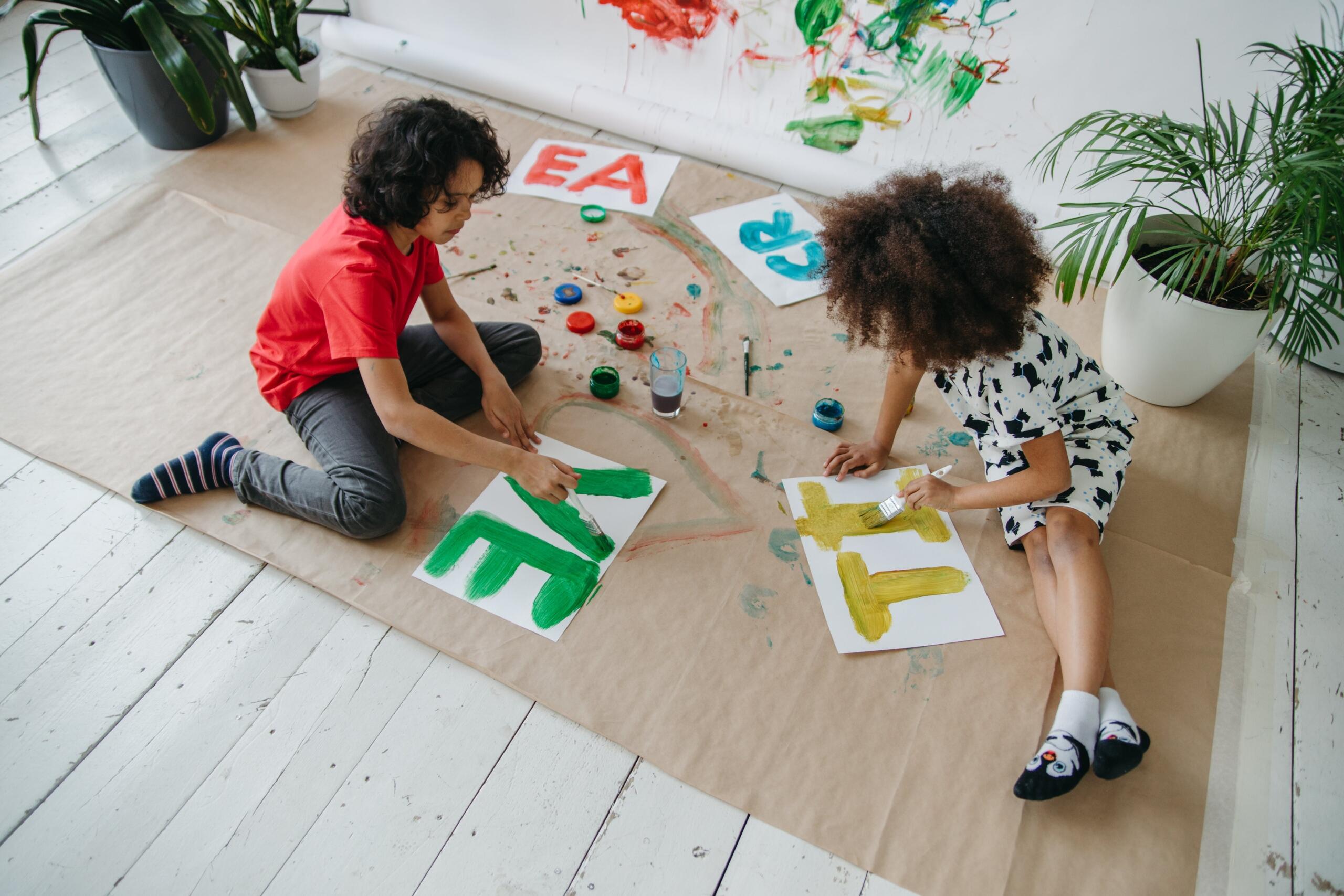

Participation in a single extra mural activity can give a child a sense of purpose and belonging that carries into other areas of life.
Art gives children a voice when they do not yet have the words.
Unknown
When learners perform on stage or display artwork, they experience recognition and validation that builds confidence. Over time, this emotional growth is a clear testament to how extracurricular activities help students, especially those who struggle to express themselves in traditional academic settings.
Preserving Culture and Identity
South Africa’s cultural richness makes arts education especially meaningful and creative. You will find choirs singing in multiple languages, dance groups who explore traditional and contemporary styles, and drama productions that reflect local stories to help children connect to heritage. These experiences are just some of the ways to show how extra mural activities in schools can actively preserve and celebrate cultural diversity.
Cultural programmes also have an important role in teaching and promoting mutual respect and tolerance in today’s diverse societies.
When learners are exposed to traditions beyond their own, it helps them to develop empathy and curiosity and within the broad types of extramural activities, cultural engagement plays a unique role in shaping socially aware young people.
Jazzart Dance Theatre as a Living Example
One of South Africa’s most respected examples of arts education is Jazzart Dance Theatre. Established in 1973, Jazzart has provided professional youth training in contemporary dance for decades. Based in Cape Town, the organisation has become a renowned institution that focuses on uplifting young dancers, particularly those from underserved communities.
Jazzart’s selfless work demonstrates how a focused extra mural activity can change lives. Through discipline, mentorship, and creative expression, students gain confidence and career pathways while also contributing to South Africa’s cultural landscape in many positive ways. Their success is a wonderful case study that reinforces the idea that extra mural activities in school settings, and of course, on the fringe of them, can open doors far beyond the classroom.
Social Connection and Belonging
It is no secret that creative groups often form tight communities. They provide smaller spaces where learners feel seen. Rehearsals, exhibitions, and performances that take hours of training require collaboration and trust. Here, children learn to give feedback, resolve conflict, and support one another.
These social lessons are a key reason parents continue to agree that extracurricular activities help students. It is this vital sense of belonging that is one of the most underestimated benefits of extra mural activities in schools, particularly during adolescence.

Balancing Creativity and Academic Demands
Some parents worry that involvement in the arts may distract from schoolwork. In reality, children involved in structured programmes often develop better time management skills because learning to balance homework with rehearsals teaches responsibility and planning.
Choosing from different types of extra mural activities allows families to find the right fit.
The goal is not to fill every afternoon, but to ensure that participation is meaningful. Even one well-chosen extracurricular activity can enrich a child’s school experience without creating pressure.
How Arts Complement Other School Activities
Creative programmes work best when they exist alongside sport, leadership, and service initiatives. You may enjoy reading our article, which explores how physical activity supports resilience and teamwork. Together, these options show how extramural activities in school settings support whole child development.
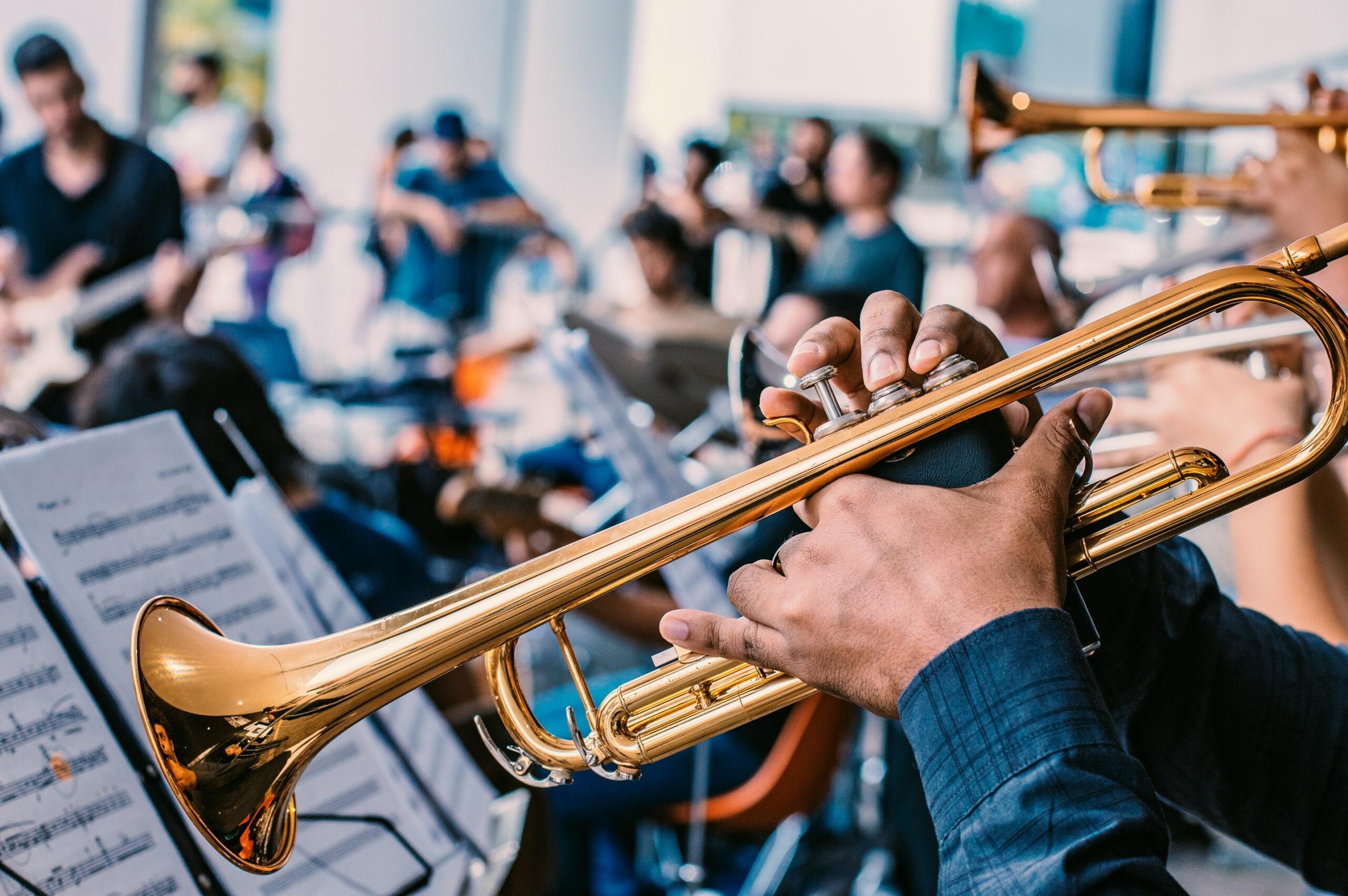
Participation in arts programmes will be increasingly valuable as learners move through high school. This is because universities and employers value creativity, communication, and commitment.
These qualities are built through practice and perseverance, and are often developed through continued involvement in extramural activities in schools.
The Role of Parents and Educators
Your role as a parent is to encourage exploration without pressure. Attend performances, ask questions, and celebrate effort rather than perfection. Schools that invest in diverse extracurricular activities in school environments create inclusive spaces where children can thrive.
There is no doubt that arts and cultural programmes provide spaces where children can experiment, reflect, and grow. And through carefully chosen types of extra mural activities, schools support development that feels personal and meaningful.
Education is about more than information. It is about shaping confident, compassionate, and curious individuals.
Superprof
The answer to do extracurricular activities help students becomes clear. At their core, they help children become themselves, fully and authentically, within the rich and diverse context of our rainbow nation.
Summarise with AI:
Enjoyed this article? Leave a rating!

 Loading...