
Change isn't just beneficial—it's essential for a brighter, more fulfilling future. When we embrace change we unlock new possibilities. Change means growth, innovation and even collective progress. In welcoming transformation, we adapt, overcome challenges and discover our true potential.
When we make adjustments in our lives we keep them exciting and dynamic. Think about how the Covid-19 pandemic forced change upon us all. Many of us took up hobbies that we had never tried before. We began sewing, knitting, playing chess, gardening and cooking. We began making things that we would normally buy.
So, what does all of this have to do with clothing alterations?
Well, everything. Altering something that you have to change into something new is one of the most satisfying things you can do and when it comes to clothing alterations, this could not be truer.
If you want to know more about tailoring vs alterations, how to unleash your creativity with your sewing tools, how to save yourself money, or indeed earn extra money with these alteration tips and tricks, then keep reading.


Sewing for Clothing Alterations
You may have heard the term "alteration" before, but its meaning in sewing might be unfamiliar. So, what are alterations in the context of sewing? Just to be clear, generally, an alteration refers to changing or modifying something from its original state to something new.
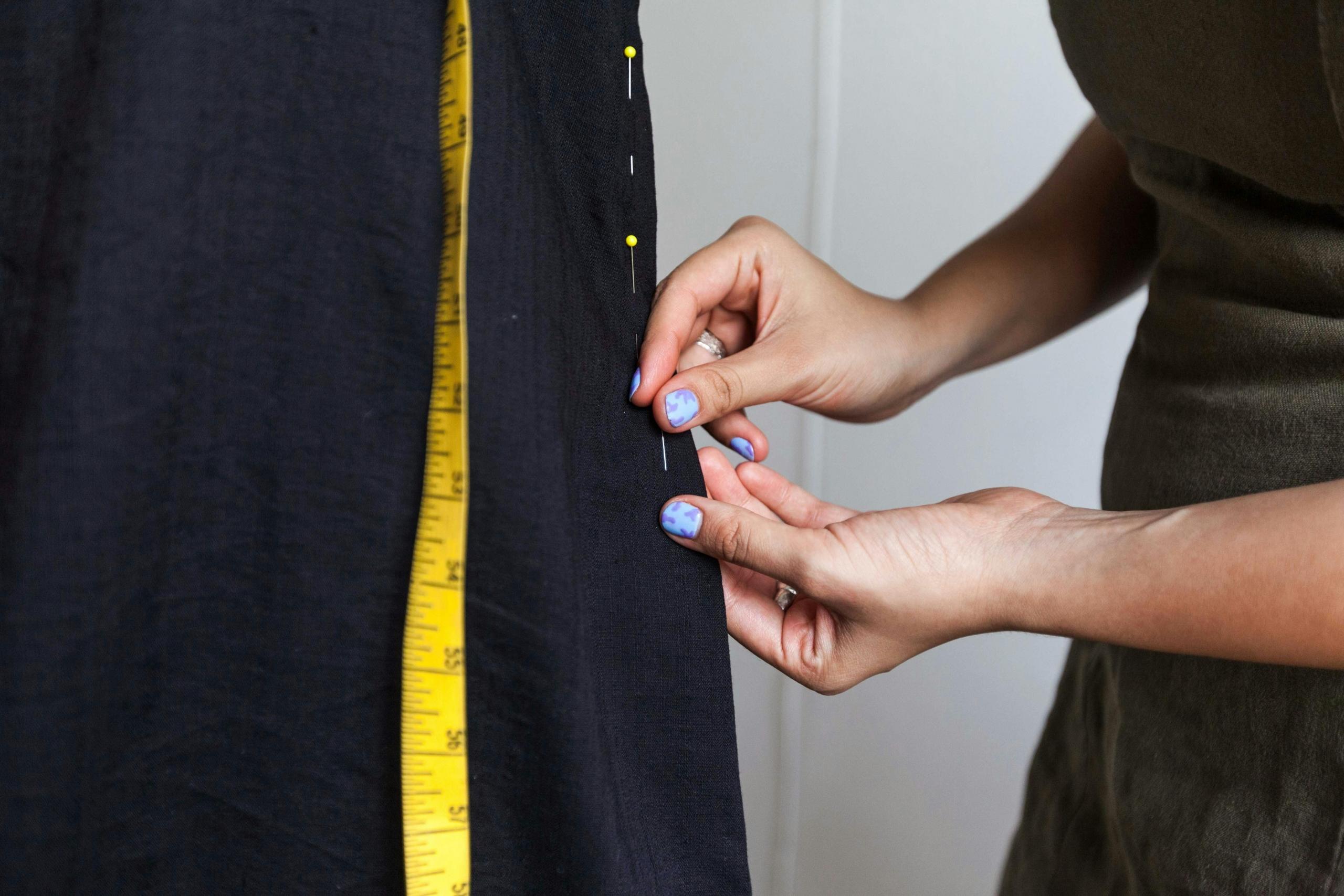
In sewing, alterations involve minor changes or adjustments to existing clothing pieces. These inexpensive modifications are intended to improve the fit or style of garments. While anyone can perform alterations, an experienced sewist can achieve a more polished and designer look.
Clothing alterations can include lengthening or enlarging a shirt, hemming pants for a more stylish appearance, or adding buttons to enhance a plain blouse.
There is also a subtle difference between tailoring vs alterations and in this article, we will also look at what those are as well as the steps of the tailoring process.
Reasons to Learn Clothing Alteration and Tailoring
Now that we understand what sewing alterations are and how they affect clothing items, some may wonder, what's the point of learning about sewing alterations? Aren't there professionals who do this?
To address these questions, here are three compelling reasons why everyone should know how to perform sewing alterations:
- Express Your Personality: By adjusting your clothes and making your clothing alterations, you can let your unique personality shine through. Once you learn the basics of a few sewing techniques, you'll always have the clothes you've dreamed of.
- Save Money: For families, especially, clothing repairs and alterations can become expensive. By learning to alter clothing yourself, you save money and keep within your budget.
- Extend the Life of Your Clothes: Kids grow quickly, and adults may experience weight changes. Learning to alter clothing means you can adjust items to fit better and last longer. In this way, you can preserve your favourite pieces for years to come.
So, what are the basic steps in tailoring and what alteration tips can help you get started on your wardrobe revamp?
Tailoring vs Alterations
As you read this article, you might wonder about the main differences between tailoring and alterations. Understanding these distinctions is important for anyone interested in sewing, whether for personal use or professional growth.
Tailoring: Tailoring involves creating or altering a garment to fit the wearer perfectly, using specific measurements. So, what are the basic steps in tailoring?
The tailoring process requires that the tailor carefully adjusts every aspect of the garment to match the individual's body shape and size. This process might include reshaping the shoulders, adjusting the waistline, or altering the length of the sleeves and pants to ensure a flawless fit. It therefore stands to reason that tailored garments come at a higher price, but they are worth the investment for their impeccable fit and the confidence they provide. A well-tailored suit or dress enhances one's appearance and comfort and can make a notable difference in both social and professional occasions.
Alterations: Unlike the steps of the tailoring process, alterations are less expensive adjustments that modify the fit or repair damage to existing clothing. Common alterations include lengthening or shortening sleeves, hemming pants, taking in or letting out the waist, and replacing zippers. Unlike tailoring, alterations focus on specific areas rather than the overall fit of the garment. They are more like quick fixes that improve the wearability of clothes without the need for a complete overhaul. Alterations are practical and budget-friendly, making them accessible to a broader audience.
In summarising tailoring vs alterations, the steps of the tailoring process include more comprehensive and costly processes that customise the overall appearance of clothing. Alterations are affordable fixes that adjust specific areas or repair damage. Both services have unique benefits and can significantly enhance the longevity and fit of your wardrobe.
What are the Basic Steps in Tailoring?
As mentioned, alterations and tailoring are closely linked and both are best learnt under the tutorship of an expert sewing teacher. Here are some of the basic steps of the tailoring process you can expect to learn.
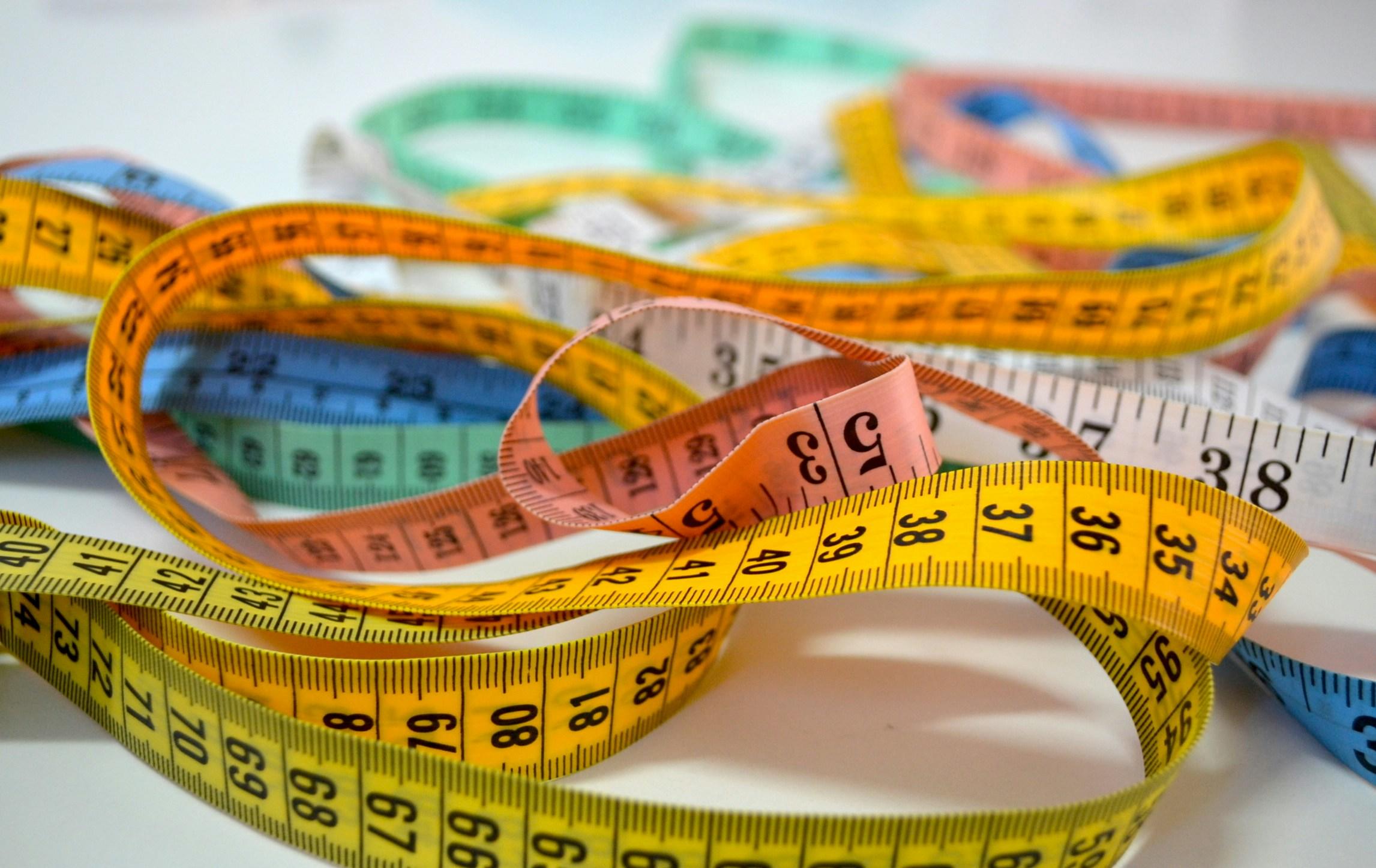
- Measurement Mastery: You will need to understand the intricacies of taking precise measurements for accurate fittings. You’ll also learn about different body types and how to adjust patterns accordingly. For this part of the process be sure to invest in quality measuring tools such as a tape measure, rulers, and calipers.
- Pattern Alteration: Hone your skills in altering patterns to achieve the perfect fit. This includes adjusting dart placement, grading between sizes, and modifying seams. Study pattern drafting techniques to create custom designs tailored to individual preferences.
- Fabric Selection Savvy: Develop an eye for selecting the right fabrics for specific garments. Consider factors such as drape, stretch, and weight to ensure the fabric complements the design and enhances the fit. Familiarise yourself with different types of fabrics and their properties.
- Excellence in Seam Skills: Master various sewing techniques such as seam finishes, darts, pleats, and gathers to achieve professional-looking results. Practice precision stitching and seam allowances to ensure durability and a polished appearance.
- Finishing Touches: Pay attention to the details that elevate a garment from good to exceptional. Learn techniques for hand-sewn finishes, pressing seams for crispness, and adding embellishments like trims and buttons. Invest time in refining your finishing skills to create garments that stand out for their quality and craftsmanship.
Practical Alteration Tips and Tricks to Use at Home
One important way to ensure your sewing alterations succeed is to avoid discouragement from making unnecessary mistakes. To do that, an experienced sewing tutor who can provide you with the correct methods and even show you the steps of the tailoring process is the best option. In the meantime, these important alteration tips and tricks to start at home.
- Get the Right Tools: Invest in a sewing kit with essential equipment like a sewing machine, needles, pins, sharp scissors, and fabric pencils before starting alterations.
- Understand Your Fabric: Familiarise yourself with the fabric you're altering to choose the appropriate thread and techniques.
- Know Your Limits: Start with small projects rather than ambitious ones so that you can build confidence gradually and avoid frustration.
- Practise Consistently: Improve your skills by practising regularly, even if it's just a little each day, to become more proficient at alterations.
Of course, you will need a steady flow of garments to alter, if you are running low on projects consider visiting your local thrift store for suitable clothing to practice.
Learn More About Alterations
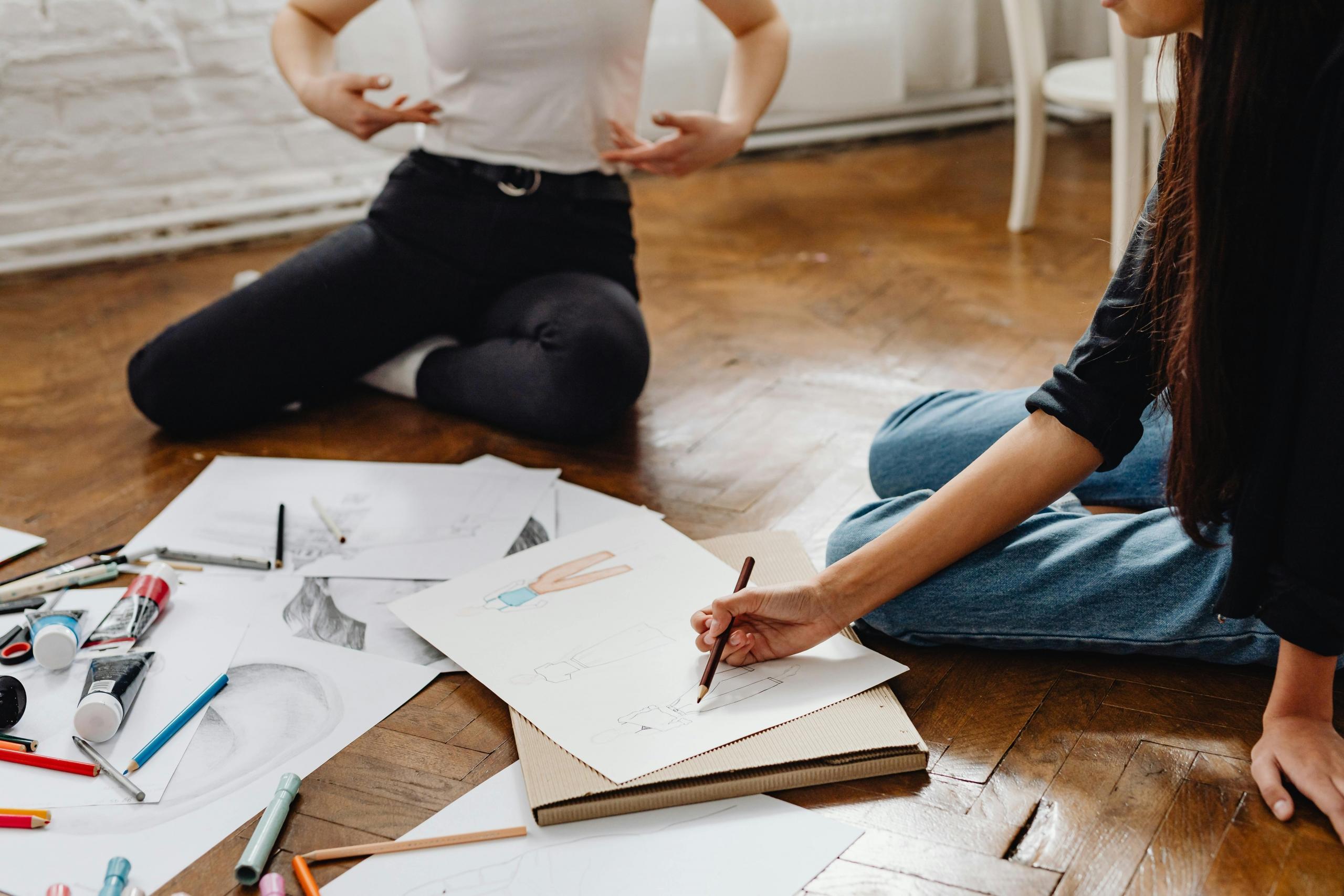
Now that you have been introduced to what are the basic steps in tailoring and clothing alterations, the best way to learn practically is with the help of a personal sewing tutor who can teach you all there is to know about the world of fashion design, including fashion sketching.
A personal sewing tutor offers:
- Personalised learning sessions on garments of your choice
- Valuable tips and tricks to improve sewing skill
- Correction of bad habits
With numerous online tutoring communities available, finding the right sewing tutor might seem daunting, however, the Superprof platform makes it easy.
Superprof encourages tutors to offer a free first lesson to ensure a good student-tutor fit.
On Superprof, there are tutors to suit everyone regardless of their level, budget or location. Take a look, there is no doubt that you will be pleasantly surprised to see how much expert sewing support is available in-person, or online, to suit you.
Summarise with AI:
Enjoyed this article? Leave a rating!

 Loading...