
The popularity of veganism has skyrocketed in recent years, with more and more people embracing the benefits of a plant-based lifestyle. Whether you're a seasoned vegan or a beginner looking to make the switch, a well-planned vegan diet can offer numerous health benefits while also contributing to a more sustainable future. In this helpful guide, we will delve into the world of veganism and provide you with a detailed eating plan to kickstart your journey towards a healthier and more compassionate lifestyle.


Understanding The Basics
A vegan diet is one that excludes all animal-derived products, including meat, poultry, fish, dairy, eggs, and honey. Instead, it focuses on consuming plant-based food such as fruits, vegetables, whole grains, legumes, nuts, and seeds. By eliminating animal products, a vegan diet not only promotes personal health but also addresses ethical and environmental concerns associated with agriculture.
In today's world many people are becoming more conscious about what food they eat and how their choices will impact the environment. There are a variety of reasons why one would decide to follow this type of lifestyle. No matter what the reason is, it's vital to choose the right food to ensure you don't develop any deficiencies.
The Health Benefits Of A Vegan Diet
Scientific research has shown that a well-planned vegan eating plan can provide all the necessary nutrients for optimal health.
Studies have linked veganism to a reduced risk of chronic diseases such as heart disease, type 2 diabetes, obesity, and certain types of cancer. Additionally, a plant-based eating plan tends to be higher in fibre, antioxidants, and essential vitamins and minerals, promoting overall well-being and longevity.
Beyond personal health, adopting this way of living can significantly reduce your ecological footprint. Animal agriculture is a major contributor to greenhouse gas emissions, deforestation, water pollution, and habitat destruction. By choosing a plant-based lifestyle, you can actively contribute to the preservation of our planet and the well-being of future generations.
Building a Balanced Vegan Eating Plan
A key consideration in this way of life is ensuring a well-balanced intake of macronutrients and micronutrients. Let's explore the key components of a balanced plan and how to incorporate them into your daily meals.
Macronutrients: The Building Blocks of a Healthy Life
Macronutrients, including carbohydrates, proteins, and fats, are essential for providing energy, promoting growth and repair, and maintaining various bodily functions. Here's how you can include each macronutrient in your menu:
- Carbohydrates. Carbohydrates are the primary source of energy for our bodies. They can be found in abundance in whole grains, fruits, vegetables, and legumes. Aim to include a variety of complex carbohydrates, such as brown rice, quinoa, sweet potatoes, and whole wheat bread, in your meals. These provide a steady release of energy and are rich in fibre, vitamins, and minerals.
- Proteins. Proteins are the building blocks of our cells, tissues, and organs. While animal products are often associated with high protein content, there are plenty of plant-based sources that can fulfill your protein needs. Legumes like lentils, chickpeas, and black beans, as well as tofu, tempeh, and seitan, are excellent sources of protein. Including a variety of these foods in your meals will ensure you're meeting your protein requirements.
- Fats. Fats are essential for hormone production, vitamin absorption, and maintaining healthy cell function. Opt for healthy plant-based fats like avocados, nuts, seeds, and olive oil. These provide essential fatty acids and can be incorporated into your diet through dressings, spreads, and snack options.
Micronutrients: The Keys to Optimal Health
Micronutrients, including vitamins and minerals, are crucial for supporting various bodily functions and promoting overall health. Here are some essential micronutrients to consider when planning your vegan diet:
- Vitamin B12. Vitamin B12 is primarily found in animal products, and its deficiency is common among vegans. To ensure an adequate intake, consider incorporating fortified foods such as plant-based milk, breakfast cereals, and nutritional yeast into your diet. Alternatively, you may opt for a B12 supplement.
- Iron. Iron is essential for transporting oxygen throughout the body. While plant-based sources of iron, such as legumes, leafy greens, and fortified cereals, are available, they are not as readily absorbed as iron from non-plant based products. To enhance iron absorption, pair iron-rich foods with vitamin C sources, such as citrus fruits or bell peppers.
- Calcium. Calcium is crucial for maintaining strong bones and teeth. While dairy products are commonly associated with calcium, there are plenty of plant-based sources available. Incorporate foods like fortified plant-based milk, tofu, kale, and broccoli into your diet to meet your calcium needs.
- Omega-3 Fatty Acids. Omega-3 fatty acids are essential for brain health and reducing inflammation. While fish is a common source of these fatty acids, you can obtain them from plant-based sources like flaxseeds, chia seeds, walnuts, and algae-based supplements.
Creating a Vegan Meal Plan for Beginners
Now that you understand the basics of a balanced vegan diet, let's create a sample vegan meal plan to help you get started on your journey. This easy to follow meal plan is designed to provide you with a variety of nutrient-dense meals while keeping it simple and delicious.
| Day | Breakfast | Lunch | Snack | Dinner |
|---|---|---|---|---|
| Monday | Vegan overnight oats | Chickpea salad wrap | Apple slices with nut butter | Lentil curry with brown rice |
| Tuesday | Green smoothie bowl | Quinoa salad | Carrot sticks with hummus | Sweet potato and black bean tacos |
| Wednesday | Avocado toast | Lentil soup | Energy balls | Vegan stir-fry with tofu |
| Thursday | Chia pudding | Buddha bowl | Trail mix | Chickpea curry with quinoa |
| Friday | Tofu scramble | Sweet potato and black bean tacos | Smoothie | Vegan pasta primavera |
| Saturday | Vegan pancakes | Falafel wrap | Kale chips | Vegan burger with sweet potato chips |
| Sunday | Fruit and nut granola parfait | Roasted vegetable pasta salad | Mixed berries with coconut yoghurt | Lentil shepherd's pie |
This sample meal plan incorporates a variety of plant-based foods, ensuring a balance of macronutrients and a wide range of micronutrients. Feel free to adjust the portion sizes and ingredients based on your individual preferences and nutritional needs.
Exploring Vegan Recipes
While the meal plan above provides a starting point, the possibilities for delicious plant-based meals are endless. Experimenting with various recipes with a variety of foods can be both exciting and rewarding. Here are a few easy recipe ideas to inspire your culinary adventures:
1. Vegan Buddha Bowl
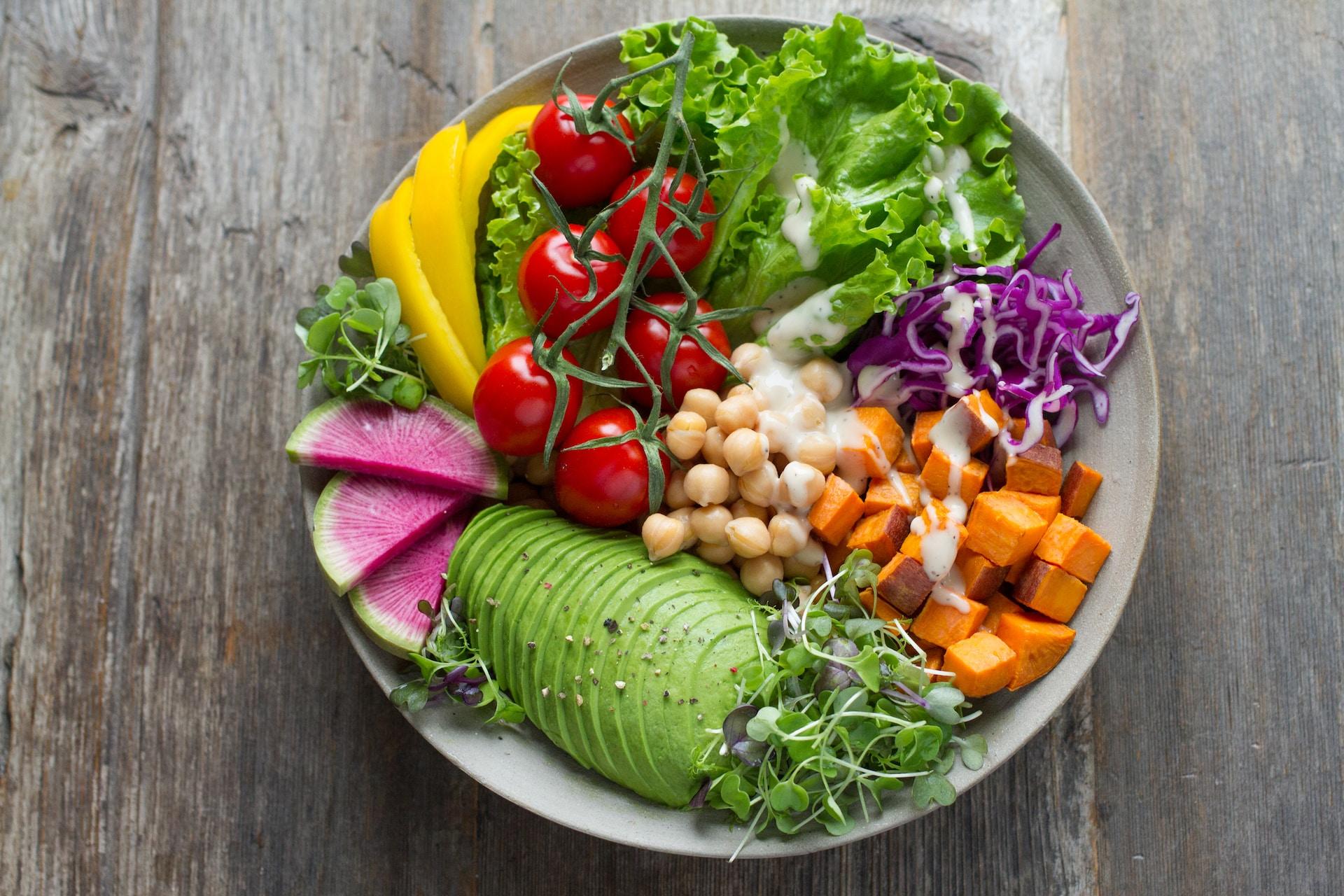
This vibrant and nourishing bowl combines a variety of grains, vegetables, and plant-based proteins. Start with a base of cooked quinoa or brown rice (a cup will do), then add roasted sweet potatoes, steamed broccoli, sautéed tofu or tempeh, and a generous drizzle of tahini dressing. Top it off with a sprinkle of sesame seeds for extra crunch.
2. Chickpea Curry with Quinoa
This hearty and flavourful curry is packed with protein and essential nutrients. Sauté onions, garlic, and spices in a large pot, then add a cup or two cooked chickpeas, diced tomatoes, and coconut milk. Simmer until the flavours meld together, then serve over a bed of fluffy quinoa. Garnish with fresh cilantro and a squeeze of lime juice.
3. Vegan Pasta Primavera
This classic Italian dish gets a vegan twist by substituting traditional dairy-based sauces with a creamy cashew sauce. Blend soaked cashews with nutritional yeast, garlic, lemon juice, and vegetable broth until smooth and creamy. Toss the sauce with your favourite pasta, along with sautéed seasonal vegetables like zucchini, bell peppers, and cherry tomatoes.
Pros and Cons of a Vegan Diet
While it offers numerous health and environmental benefits, it's important to consider both the pros and cons before making the switch. Understanding the potential challenges can help you navigate the journey more effectively.
Pros
- Improved heart health: Eating vegan is naturally low in saturated fats and cholesterol, which can reduce the risk of heart disease.
- Weight management: Plant-based diets tend to be lower in calories and higher in fibre, aiding in weight loss and maintenance.
- Environmental sustainability: By reducing reliance on agriculture, a vegan diet helps combat climate change and minimise resource depletion.
- Ethical considerations: Veganism promotes compassion and advocates for the reduction of animal cruelty.
Cons
- Nutritional considerations: A vegan diet requires careful planning to ensure adequate intake of certain nutrients like vitamin B12, iron, and omega-3 fatty acids.
- Social challenges: Eating out and finding vegan options can be challenging, especially in non-vegan-friendly environments.
- Initial adjustment period: Switching to a vegan lifestyle may require some time to adapt to new flavours, cooking techniques, and meal planning strategies.
Embarking on this new journey to wholesomeness can be a transformative journey for your health, the environment, and animal welfare. By adopting a well-balanced and nutrient-rich vegan diet, you can reap the benefits of improved health, reduced environmental impact, and a clear conscience.
Armed with the knowledge and resources provided in this guide, you are well-equipped to embark on your plant-based journey with confidence and excitement. Remember to stay curious, explore new recipes, and connect with the vibrant vegan community for support and inspiration along the way. Cheers to a healthier, more compassionate future!
*Disclaimer: This article is for informational purposes only and should not be considered medical advice. Consult with a healthcare professional or registered dietitian before making any significant changes to your diet.
Summarise with AI:
Enjoyed this article? Leave a rating!

 Loading...